


Have you ever thought that your diet might help slow aging? New research shows that eating healthy fats like olive oil and avocado can boost how well your body works by 40%. What you eat in midlife can shape your strength and well-being later on. In this post, we break down how lean proteins, whole grains, and nutrient-rich foods help keep your energy and muscles strong as you age. Enjoy learning these simple tips to eat better and live well for years to come.
Core Dietary Principles to Achieve Optimal Healthy Aging
A 30-year study with 100,000 participants shows that the way you eat in midlife can affect how well you function later on. The research found that diets high in healthy fats, like those in olive oil and avocado, can boost physical function by 40%. In contrast, poor dietary choices can speed up aging similarly to the effects of smoking.
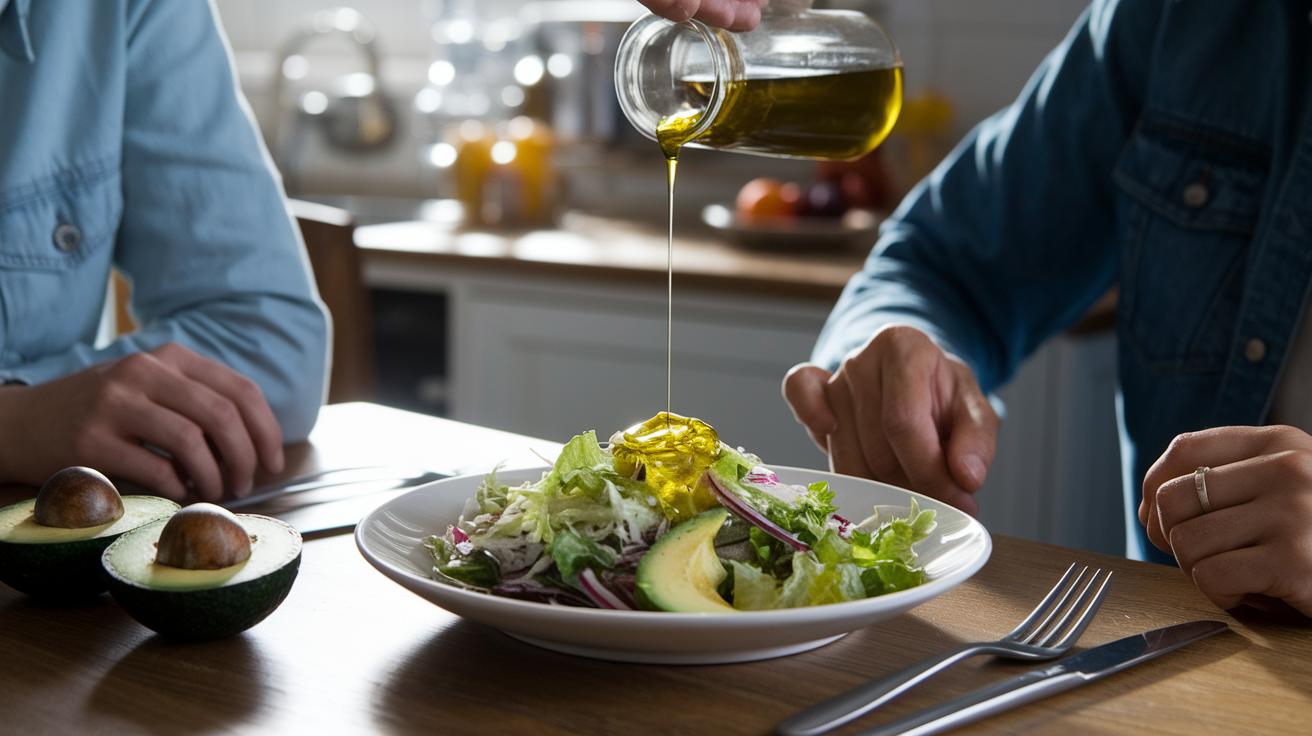
Eating well means combining lean proteins, whole grains, and healthy fats so your body gets the steady fuel it needs. For older adults, it’s not about following a strict diet but choosing foods rich in nutrients to support energy, muscle strength, and overall well-being. For example, try drizzling olive oil over steamed vegetables or adding extra-virgin olive oil with a squeeze of lemon to your salad for a dose of heart-healthy fat.
Developing good eating habits in your 40s and 50s sets the stage for strong health in later years. Experts say that a diet rich in unsaturated fats and balanced in calories helps maintain steady energy and better physical performance as you age.
Key recommendations include:
- Choosing unsaturated fats like olive oil and avocado
- Eating a variety of whole foods including fruits, vegetables, legumes, and lean proteins
- Limiting highly processed foods and sugars that may cause inflammation
Small changes in everyday eating can help keep your body strong and lower the risk of chronic diseases as you grow older.
Leading Diet Patterns: Mediterranean, DASH and MIND for Longevity
These three diets have become top picks for healthy aging. They focus on whole, plant-based foods that cut inflammation and fuel your body with essential vitamins and minerals. A 30-year study found that women who followed diets similar to MIND, as well as patterns like AHEI and PHDI, enjoyed better physical function, showing the power of these eating plans over time.
A key point in all these diets is the use of unsaturated fats from foods like olive oil and avocado. The Mediterranean diet encourages using extra-virgin olive oil on salads and vegetables to blend flavor with health benefits. The DASH diet emphasizes whole grains, lean proteins, and plenty of fruits and vegetables for overall wellness. Meanwhile, the MIND diet adds brain-supportive foods to the heart-healthy ideas of the Mediterranean plan.
Imagine a simple meal: whole grain toast topped with smashed avocado and served with mixed greens. This easy, anti-inflammatory plate shows how practical these approaches can be. These diets not only help protect against chronic disease but also boost everyday physical performance, making them a wise choice for anyone who wants to stay active and maintain independence as they age.
Essential Nutrient-Dense Selections for Aging Gracefully
A recent study found that choosing whole foods over fast food can offer more health benefits. Eating foods full of antioxidants, fiber, and proteins helps keep your heart, brain, and muscles working well as you get older.
Top choices include:
- Oily fish: Salmon, mackerel, and sardines are rich in omega-3 fatty acids. These healthy fats help lower inflammation and support brain function.
- Nuts and seeds: Almonds, walnuts, and chia seeds pack healthy fats and proteins that can boost muscle strength and energy.
- Legumes: Beans, lentils, and chickpeas provide plant proteins and fiber. They help keep your blood sugar steady and support a healthy digestive system.
- Colorful produce: Berries, leafy greens, and bell peppers carry lots of antioxidants to fight cell damage. For example, red bell peppers are high in vitamin C and carotenoids.
- Whole grains: Foods like quinoa, brown rice, and oats offer steady energy and add fiber, which is good for your heart.
The study also highlights that healthy fats from olive oil and avocado can help your body absorb vitamins that dissolve in fat. These fats may also lower the risk of long-term illnesses.
By including these nutrient-rich foods in your daily meals, you can boost your protein, fiber, antioxidant, and omega-3 intake, which supports a long and active lifestyle.
Designing Age-Friendly Meal Plans: Timing, Portioning and Hydration

Keeping an age-friendly meal plan can help you feel energized throughout the day. Research shows that having three balanced meals or smaller, nutrient-packed snacks can keep your energy steady even though long-term studies haven't pinpointed the best meal times for boosting metabolism. Try to plan meals around your daily routines so each food choice supports your day.
Mindful portion control can also be a big help. Instead of large servings at meals, aim for moderate portions that match your hunger. This method lets you manage calorie intake while still getting the nutrients your body needs.
Staying hydrated is key. Instead of waiting until you’re thirsty, drink water regularly throughout the day. Keeping a water bottle nearby can serve as a useful reminder. Regular hydration supports your metabolism and keeps you feeling refreshed.
Sharing mealtimes with others can make eating more enjoyable and help you stick to your plan. Social dining creates a relaxed setting that supports steady eating habits, ensuring you get the nutrition needed to enjoy an active life.
Evidence from a 30-Year Study on Diet and Healthy Aging
Researchers followed 100,000 people over 30 years with check-ups about every 5 years. They looked at muscle strength, mobility, and disease risk to see how food choices in midlife affect physical function later on. The study found that diets high in unsaturated fats from foods like extra-virgin olive oil and avocado were linked to a 40% improvement in physical function. In simple terms, adding these fats to your meals could help maintain muscle strength and mobility as you age.
The study also showed that diets heavy in processed foods and low in nutrients may accelerate aging in a way similar to smoking. For example, a meal with leafy greens, whole grains, and olive oil can support a healthier aging process. While this observational study doesn’t prove cause and effect, it adds to the evidence supporting careful food choices for better health over time.
Personalizing Nutrition: Gender Differences and Lifestyle Integration

New research shows that women often see more benefits from healthy eating patterns like AHEI, MIND, and PHDI. This means that designing food plans with these patterns in mind can be especially valuable. For instance, including brain-friendly foods such as nuts, leafy greens, and fatty fish, along with healthy fats like olive oil and avocado, can make a big difference.
Custom nutrition programs also consider everyday habits like exercise and sharing meals with others. When you mix regular physical activity with proper eating, it can boost both your body and brain. Picture an older adult who takes a morning walk with friends and then enjoys a breakfast rich in protein and omega-3 fatty acids. This type of routine not only gives energy but may also help keep the mind sharp, a benefit that research has noted particularly in women.
Matching food choices with individual tastes and cultural habits helps make meal plans more enjoyable and easier to stick to. By tailoring eating habits to your lifestyle, you can maintain steady energy, support brain function, and enjoy meals that truly fit your health needs.
Final Words
In the action, we explored practical ways to support long life with smart food choices. We reviewed the value of unsaturated fats, like those in olive oil and avocado, and how balanced meals uphold physical function. We covered how proven patterns, Mediterranean, DASH, and MIND, help counter chronic diseases, and shared tips on portioning and hydration. Embracing optimal dietary patterns for healthy aging could be a step toward better well-being and sustained independence. Keep experimenting and refining your eating habits for a healthier future.
FAQ
What is the optimal dietary pattern for healthy aging?
The optimal dietary pattern for healthy aging combines plenty of fruits, vegetables, whole grains, lean proteins, and unsaturated fats like olive oil. This approach, shown in long-term research, supports physical function and helps prevent chronic disease.
What is the best diet for healthy aging?
The best diet for healthy aging is one rich in plant-based foods and healthy unsaturated fats. Studies indicate that such diets, including Mediterranean, DASH, and MIND patterns, are linked to better aging outcomes and reduced disease risk.
What is the AHEI diet menu?
The AHEI diet menu features nutrient-dense foods such as olive oil, fruits, vegetables, whole grains, and lean proteins. Recipes within this pattern focus on balanced portions that contribute to overall physical well-being as we age.
What is the rEDIH diet?
The rEDIH diet promotes reduced intake of processed foods in favor of nutrient-rich whole foods. This dietary approach emphasizes balanced macronutrients and healthy unsaturated fats to support improved health and aging.
What is the 3-3-3 rule of eating?
The 3-3-3 rule of eating suggests dividing each main meal into three balanced portions of proteins, fats, and carbohydrates. This strategy helps regulate energy intake and promotes stable blood sugar levels throughout the day.
What is the 80/20 rule when it comes to eating?
The 80/20 rule when it comes to eating means following a healthy, balanced diet 80 percent of the time and allowing for more flexible or indulgent choices 20 percent of the time, supporting long-term, sustainable habits.