


New research shows that aging does not mean your memory is doomed to fade. In fact, studies reveal that roughly 40% of older adults have only small memory lapses, while only 4% face major challenges.
This research challenges old myths and reminds us that our later years can be filled with growth, learning, and strong relationships. It encourages us to view aging as a chance to stay sharp, remain active, and continue thriving.
myths about aging: Embrace timeless wisdom
Many myths about aging still exist even though recent research shows that getting older does not automatically bring memory loss or physical decline. In fact, only about 40% of people over 65 notice slight memory issues, and a mere 4% develop dementia. This challenges the common belief that cognitive decline is a natural part of growing older.
New studies in neuroscience show that the brain can learn and adapt at any stage in life. This process, known as neural plasticity, means that adults can pick up new skills and habits no matter their age. The finding that only 4% of seniors face serious cognitive problems redefines our idea of what aging means.
Many older adults continue to work, volunteer, and stay active in their relationships. The rise in senior dating services and more seniors using new technology further dispels old stereotypes. Real-life stories confirm that emotional energy and social connections thrive well into later years, making aging a time full of opportunity rather than decline.
Cognitive Myths About Aging Debunked

Recent research shows that aging does not mean a steep drop in memory. Many older adults may experience small forgetful moments, but only a few face serious memory problems. Studies find that about 40% of people over 65 have minor memory slips, and only 4% develop a type of dementia. This means that most seniors keep a sharp mind well into their later years.
One example tells of someone at 70 who started doing daily puzzles. Not only did these puzzles improve their memory, but they also boosted their confidence. New findings show that our brains can still change and grow as we age. Simple activities like learning a musical instrument, joining a social club, or picking up a new hobby can help create new brain connections. For instance, starting a new language or taking a daily walk while listening to an audiobook might make your mind even sharper.
The bottom line is that staying mentally and socially active plays a key role in keeping our minds healthy as we grow older.
Physical Health Myths in Aging Dispelled
Many people assume that older adults lack the energy for exercise and that any physical activity could cause injuries. However, a recent study from the University of Georgia paints a different picture. The research involved adults aged 65 and older who exercised for 20 minutes per session, three times a week over six weeks. They experienced a 65% decrease in fatigue, showing that even modest activity can boost energy safely.
Remarkable athletic achievements also debunk the notion that intense exercise is only for the young. Marathon runner Fauja Singh completed a marathon at 101 years old. In a 2015 U.S. race, 49% of the finishers were age 40 or older. These examples suggest that when exercise is mindfully structured, older adults can train at high levels without a heightened risk of injury.
| Myth | Evidence |
|---|---|
| Older adults lack the stamina for exercise | 65% decrease in fatigue after 20-minute workouts, three times a week |
| Seniors are too old for vigorous exercise | Fauja Singh finished a marathon at 101 years old |
| Exercise is too risky for older individuals | Study findings confirm that well-planned exercise is safe |
These results remind us that aging isn’t a barrier to reaping the benefits of physical activity. Regular, well-planned exercise can help boost energy and maintain strength, encouraging older adults to stay active and engaged.
Social and Relationship Myths About Aging Exposed
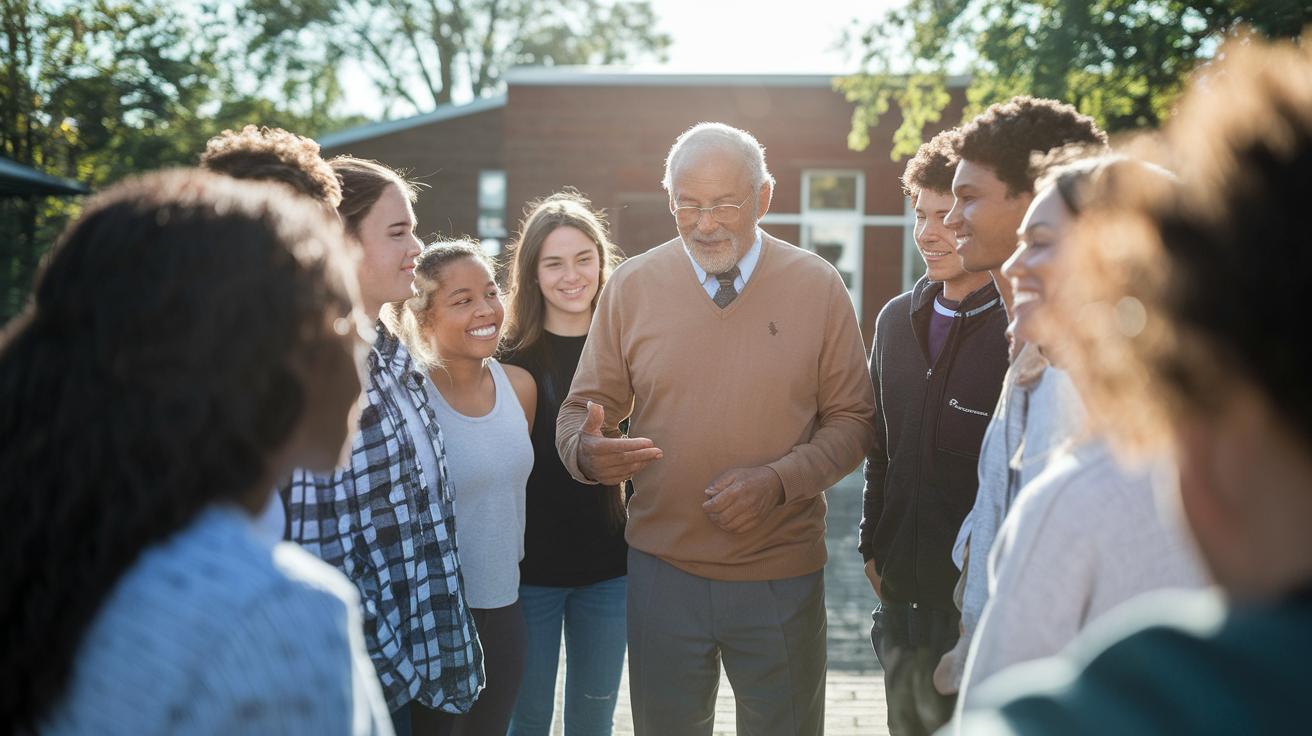
Many think older people are a burden on society. However, studies and everyday examples show the opposite. Many seniors continue working, volunteering, and taking part in community activities. They share their skills and experience to help others. For example, one retired man began mentoring young people, proving that age brings wisdom, not weakness. This challenges the idea that growing older means having less value.
Another myth is that changes in appearance lower a person’s worth. The truth is your value stays the same no matter how you look. Many seniors reinvent their style, explore new hobbies, and show confidence. One older woman even started hosting art classes after retirement. Her energy and creativity remind us that true beauty comes from within.
Some also believe it’s too late for seniors to find love. Yet, many dating websites and community events prove that older adults can enjoy fulfilling relationships. For instance, Jane began online dating at 65 and now has a supportive, loving partner. These examples debunk the myth that aging limits opportunities for connection.
Lifestyle and Technology Myths About Aging
Many people think that older adults are scared of technology and that they can't keep up with modern gadgets. But more seniors are using smartphones, social media, and various apps every day. One retiree, for example, picked up a tablet to video chat with family and soon started sharing photos and messages online with ease. This shows that learning new digital tools is not limited by age.
Some believe that retirement always brings depression. While some may face short periods of adjustment, many find new purpose through hobbies, volunteer work, or part-time jobs. One woman in her late 60s began exploring digital photography and joined an online community, which helped her build a supportive social circle. Her story shows that retirement can be a time to discover new passions.
Another common myth is that aging means a decline in mental health. Research and everyday examples show that staying socially active and following healthy routines can keep the mind sharp. Seniors who join local clubs or use online platforms to connect with others often report feeling more energized and mentally stimulated. This challenges the belief that growing older limits one's ability to stay active and engaged in a digital world.
Final Words
In the action, this post breaks down common myths about aging by showing real evidence on memory, physical health, social roles, and technology skills. It highlights how many older adults remain active, engaged, and can learn new things throughout life.
Clear research debunks persistent myths about aging. These findings empower everyone to make informed choices and embrace a future full of possibilities.
FAQ
Frequently Asked Questions
What are some common myths and facts about aging?
The common myths about aging include beliefs in inevitable memory loss, physical frailty, and inactivity. However, research shows many seniors maintain mental and physical vitality through exercise, social engagement, and lifelong learning.
What is the unspoken truth about aging?
The unspoken truth about aging is that noticeable decline is not inevitable. Many older adults remain resilient, continue learning, and actively contribute, showing that aging can also bring experience and renewed purpose.
What are the three major theories of aging?
The three major theories of aging are programmed aging, damage accumulation, and evolutionary theory. These models offer different insights into why our bodies change over time and continue to be refined by ongoing research.
What are the 7 pillars of ageing?
The 7 pillars of ageing refer to key factors for healthy aging: physical health, mental wellbeing, social engagement, nutrition, sleep, stress management, and a positive environment, which together promote a balanced, fulfilling life.
What did Aristotle say about aging?
Aristotle observed that aging is a natural process marked by gradual change and the gain of wisdom through experience, suggesting that the later years bring insights and personal growth rather than simply decline.