


The global crisis sparked a surprising boost in home cooking. When people had to stay home and limit trips to the store, kitchens turned into creative spaces where many rethought what and how they eat.
With more risks during supermarket visits, pantry staples stepped up to help create meals that felt both comforting and resourceful. New research shows that while some chose quick fixes, many added more fruits, vegetables, and nourishing recipes to their meal plans.
These changes highlight that even in tough times, the way we eat can improve our well-being and build resilience.
Key Eating Pattern Changes During COVID-19
Early in the pandemic, many people changed how they ate while staying home for safety. Grocery trips felt riskier, so home-cooked meals became more common. Many stocked up on non-perishable food, which led to creative cooking with what was on hand. One person explained, "Before COVID, I rarely cooked dinner. Suddenly, I became my own chef by trying simple recipes with pantry staples."
Some people added more fruits and vegetables for a healthier diet, while others turned to quick options like bakery items, instant meals, or fast food. Stress and fewer dining choices pushed people in different directions. Many also found themselves snacking more often, reaching for treats or nutrition-packed bites for comfort.
Overall, the trends show a rise in home-prepared meals along with increased snacking. For some, this meant a healthier shift in eating habits; for others, it led to routines that were less good for their health. The pandemic made many of us rethink our food choices and experiment with familiar, long-lasting ingredients.
Dietary Habits Research: Key Studies on Pandemic Eating Patterns

During the pandemic, people’s eating habits changed in many places. New studies help us see these shifts and what they might mean for our health.
In Brazil, an online survey of 1,368 adults (median age 31) found many people ate more bakery items, instant meals, and fast food. They also ate fewer fruits and vegetables. Most of the participants were from the southeast and more than 80% were women. The study also noted that 57.2% of the respondents stayed at home all the time, while 39.8% did so only partially. These details show how working from home and staying indoors affected meal choices.
In Scotland, a survey of over 2,000 people seven weeks after lockdown began revealed mostly negative changes in diets. Many chose quick, less healthy foods because of stress and changes in daily routines. In Los Angeles, another study found mixed results. About 25% of those surveyed improved their diets, while nearly 25% made less healthy choices. This variation shows that personal and environmental factors influenced eating habits in different ways.
These studies highlight how stress, changes at work, and reduced access to fresh produce shifted daily nutrition choices.
| Study | Sample & Timing | Key Findings |
|---|---|---|
| Brazil Online Survey | 1,368 adults, Aug–Sep 2020 | More bakery/instant meals; fewer fruits & vegetables |
| Obesity Action Scotland | 2,000+ participants, 7 weeks post-lockdown | Mostly unhealthy eating changes |
| Los Angeles Residents | Local survey, 2020 | ~25% healthier; ~25% less healthy |
Drivers of Pandemic-Driven Dietary Habit Changes
During the pandemic, many outside factors changed the way people ate. High stress pushed some to eat more sweets, biscuits, and even drink more alcohol to feel calmer. At the same time, problems in the supply chain made fresh produce harder to find, so families often relied on long-lasting, pantry-filled foods. Rising grocery prices forced lower-income groups to choose cheaper, and often less healthy, options.
Working from home also mixed up regular meal times. With the kitchen always nearby, snacking became more frequent, and restaurant closures made home cooking or food deliveries the go-to options.
All these factors worked together to change daily eating habits and overall diet quality. Stress and economic pressure meant that many people chose convenience over nutrition as they adjusted to new challenges.
Key factors shaping meal choices during the pandemic include:
- Eating more sweets and drinking alcohol to ease stress
- Relying on pantry staples because of supply chain issues
- Choosing cheaper, less nutritious foods due to higher costs
- Snacking more often with flexible work-from-home schedules
- Cooking at home more often when restaurants closed
Nutrition Trends Research on Healthy Eating During the Pandemic
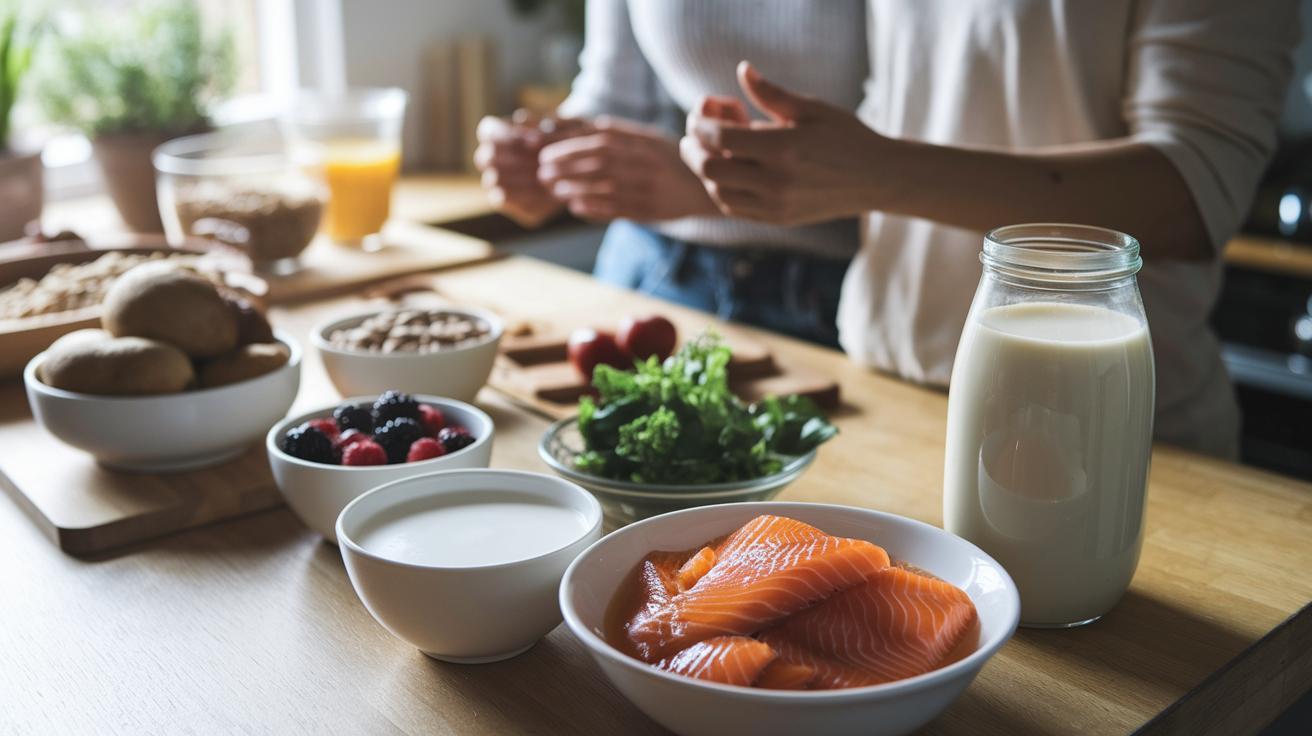
During the pandemic, many people changed what they ate to help their immune systems. They started including foods rich in vitamin D, like fortified milk and fatty fish, and added antioxidant sources such as berries and green tea. One study even noticed a clear rise in the number of people incorporating these items into their daily meals, a shift that offered both practicality and comfort.
At the same time, many households began to focus on plant-based foods. Legumes, tofu, and meat substitutes became popular as they not only provide protein but also introduce new flavors to home-cooked meals. After participating in online nutrition lessons, many families swapped refined grains for whole grains like quinoa, barley, and whole-wheat bread.
Digital tools made these changes easier. Many users turned to apps and calorie trackers to check their vitamin and mineral intake while planning balanced meals. One user explained, "Using a food logging app helped me see where I was lacking vitamins, and I adjusted my meals accordingly." This trend highlights a move toward simple, practical strategies to support immune health and overall nutrition.
Home-Cooked Meal Surge: Pandemic-Era Dietary Habit Shifts
During the pandemic, many families cooked more at home out of necessity and curiosity. Sales of items like frozen pastries and vegetables nearly doubled compared to the previous year. Delivery services also grew quickly, offering groceries and ready-made meals for comfort during uncertain times. At the same time, people increasingly searched for recipes online and experimented with new flavors.
Virtual Cooking Workshops
Online cooking classes gained popularity as people looked to boost their culinary skills from home. Many digital platforms reported high enrollment in their workshops, attracting cooks of all ages. These classes offered step-by-step help, from simple meals to more complex dishes. One participant said, "I never imagined I could learn to bake bread during lockdown, but the online workshops made it so accessible."
Pantry Restocking & Shelf-Life Management
With fewer trips to the store, many families turned to restocking their pantries with long-lasting foods. Common purchases included canned vegetables, dried pasta, and dairy products with extended shelf life. This shift not only helped cut down on food waste but also spurred creative meal planning. In all, exploring recipes online, joining virtual cooking classes, and managing pantry stocks carefully have reshaped everyday eating during the pandemic.
Snacking Pattern Evolution in Pandemic Eating Behaviors

During the pandemic, people changed the way they snacked. Studies found that bakery treats were enjoyed 20% more, and overall snacking remained 15% higher even after lockdowns eased. Surveys during the middle of the pandemic show that many shifted from stress-driven treats to more balanced choices.
Researchers tracking habits over several months saw a clear change. Early on, foods like cakes and biscuits helped relieve stress. Over time, more folks began choosing healthier options such as protein bars and whole-grain chips.
One study revealed that 30% of participants had switched to healthier snacks by the third quarter of the pandemic. In fact, a survey noted that 1 in 3 people said their snacking habits changed noticeably after the first lockdown.
These findings help paint a clearer picture of how snacking behaviors evolved during COVID-19, highlighting a move toward more mindful eating choices.
Lockdown Nutrition Strategies for Balanced Eating
Studies show many people plan to keep healthy eating habits even after lockdown ends. As restaurant options changed, more folks cooked at home and ordered takeout less often. Planning meals ahead helped with portion control and creating balanced meals. Some even tried time-restricted eating, where meals are eaten during set hours to better manage both timing and amount.
Digital tools played a big part too. Many used simple apps to track what they ate, adjust their portions, and plan balanced meals. Over time, these habits stuck, even after strict lockdown measures eased. Tracking water intake also became popular. Drinking enough water helped support overall health and manage hunger.
Switching from takeout to cooking at home led to more mindful eating. Meal prep made it easier to set aside healthy snacks and balanced meals for busy days. These simple strategies offer a practical way to maintain balanced eating as everyday routines change.
Final Words
In the action, this article tracked shifts in eating behaviors sparked by the pandemic. It highlighted changes in meal preparation, snacking trends, and research on nutrition that captured both healthier choices and areas of concern.
We explored how stress, supply issues, and digital tools influenced dietary habits during the pandemic. The insights offer practical guidance for anyone aiming to turn challenges into opportunities for better eating and overall well-being.