


Ever notice how some meals leave you feeling tired while others give you a boost? Keeping a food diary can help you uncover clues about how what you eat impacts your energy and mood. Writing down every bite lets you see patterns in your eating habits. Whether you prefer using a notebook or a smartphone app, tracking your meals can guide you to make small changes that help you feel better. Here’s how a little record-keeping can change your day.
Getting Started with Tracking and Monitoring Your Dietary Habits
Keeping a food diary might uncover surprising insights about your eating habits and help you choose healthier foods. It shows clear links between the meals you enjoy and how you feel.
For example, you might notice that sugary snacks lead to an afternoon energy dip, prompting you to try meals richer in protein. Accuracy and routine are key. Start by picking a tracking period that works for you, maybe 2 weeks or 1 month, and decide if you're more comfortable with a paper journal or a smartphone app.
- Pick a tracking period that suits your daily routine, such as 2 weeks or 1 month.
- Select a tool that matches your style, whether it’s a handwritten journal or an app with user-friendly features.
- Make sure to note every detail of your meals, including main ingredients, sauces, and any condiments.
- Measure your servings using standard units (cups, tablespoons, teaspoons) to keep portions clear.
- Write down the time and place of your meals, any activities you were engaged in, and how you felt before, during, and after eating. This helps you build a thoughtful picture, like realizing that a stressful meeting led you to choose a comfort snack.
Staying consistent with your food diary is important. Regular entries help you spot trends and find ways to improve both your nutritional balance and energy levels. Over time, your diary will become a trusted guide that supports positive changes and helps you reach your weight management and nutrition goals. By keeping up with your tracking routine, you'll discover patterns that empower you to transform your eating habits and feel better every day.
Selecting the Right Tools for Dietary Tracking and Monitoring

Choosing a tool that fits your routine can make it easier to stick to a healthy eating plan. Studies have found that the method you use to record your meals can help you stay on track over time. Both paper journals and mobile apps offer unique benefits and drawbacks, so consider your daily habits and needs when making a choice.
Food Journals
Using a paper diary can help you pay more attention to what you eat. Writing down your meals by hand lets you add personal touches like notes or sketches about your experience. However, you need to write every day, which might be challenging if you are often on the move or pressed for time.
Mobile Apps
Smartphone apps make it simple to track your diet with features like built-in nutrient databases, barcode scanners, and reminders to log meals. Many apps also connect with fitness trackers, giving you a full picture of your nutrition and activity levels. On the downside, some apps require a subscription fee and may take time to learn how to use all the features effectively.
Measuring Key Nutritional Metrics in Your Dietary Monitoring
Keeping track of the right nutritional numbers helps you see if your diet meets your everyday needs. By noting calories, key nutrients like protein, carbohydrates, and fats, as well as fiber and added sugars, you can check if your meals give you enough energy for daily tasks and muscle repair. It also shows if your body is getting the support it needs for overall health.
Watching micronutrients such as sodium, potassium, or vitamin C can highlight areas where your diet might fall short. For instance, a low fiber count might contribute to slower digestion, while too many added sugars could point to potential issues with your metabolism. Combining these nutrition details with your physical activity, as shown by a fitness tracker, helps provide a clearer picture of your lifestyle.
| Metric | Why It Matters |
|---|---|
| Calories | Energy balance and weight control |
| Protein | Muscle repair and feeling full |
| Carbohydrates | Main energy source |
| Fats | Hormone production and absorbing nutrients |
| Fiber | Supports digestion and helps manage blood sugar |
| Added Sugars | Linked to risks of metabolic problems |
Regularly checking these numbers lets you adjust your eating habits to keep your energy steady, support muscle recovery, and boost overall well-being. Over time, these insights can help you fine-tune your diet to better meet your health goals.
Accurate Portion Size and Meal Record Documentation Techniques
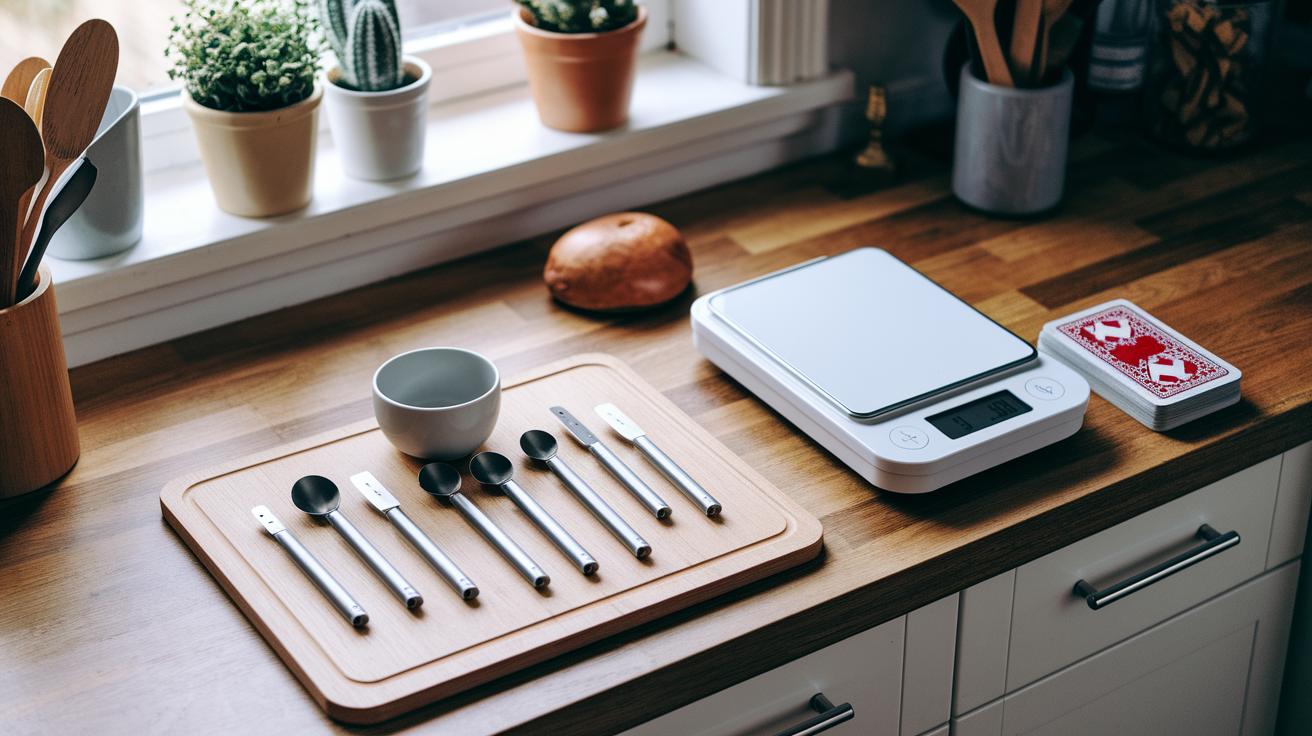
To track your food accurately, use everyday measuring tools and familiar visual markers. Kitchen items like cups, spoons, and digital scales make it easy to record exact measurements. For instance, a cup or tablespoon helps you note precise amounts in your food log, while a fist can represent about 1 cup and a deck of cards roughly 3 ounces of protein. These simple cues make it clear when portions are larger than recommended or when a meal may lack balance, such as including dessert without adjusting carbohydrates.
Taking the time to measure your food helps highlight any imbalances in your diet. Another practical step is to take a photo of your meal before you start eating. This photo, along with a timestamp and any notes on the dish, creates a visual record that verifies portion sizes and lets you review eating patterns later. Recording this information can guide you in making informed changes toward a healthier eating plan.
Interpreting Your Tracked Data for Consumption Pattern Recognition and Behavioral Eating Review
After a week of keeping your food diary, take a moment to review your notes. Look for habits like snacking late at night, skipping proper meals after exercise, or sweetening your morning coffee with extra sugar. These small details can add up and show you where your energy dips are coming from. For example, you might notice that days with lots of sugary drinks lead to feeling tired in the afternoon.
Once these trends become clear, use your observations to adjust your eating habits. If you find yourself craving carbohydrates late in the day, try having them earlier to keep your energy steady. Switching from sugary beverages to water or unsweetened drinks can also help prevent sudden spikes and crashes. By examining your intake patterns, you can turn your diary into a roadmap for healthier eating choices.
Customizing Dietary Monitoring for Weight Management and Specific Health Goals

Keeping a food diary that fits your personal goals can help you see progress and make adjustments along the way. Write down what you eat each day to stay aligned with your calorie targets, whether you want to lose weight, gain weight, or boost your sports performance. Pairing your meal notes with your workout log makes it easier to check if you’re balancing your energy intake with the physical activity you do.
After a week of noting your meals, choose one or two clear, measurable goals to work on. For example, you might decide to cut added sugar by 50% over 4 weeks. This practical method (where SMART stands for Specific, Measurable, Achievable, Relevant, and Time-based) gives you a simple plan to follow and keeps you motivated. Watch for patterns like frequent snacking or imbalances between carbs and proteins and then tweak your portions or meal types as needed. A quick weekly review can help you spot if you need to cut extra calories or add more nutrient-rich foods.
Keeping a combined record of your meals and workouts gives you the full picture of your energy balance. This method works well not just for managing weight but also for keeping your blood sugar steady or boosting athletic performance. With careful daily tracking and regular tweaks using SMART goals, you can build a plan that supports your health and helps you feel your best every day.
Real-World Success Stories in Tracking and Monitoring Dietary Habits
Keeping a food diary can really help boost your energy, change your body, and improve your meal choices. When you write down what you eat, you can spot patterns that might be affecting how you feel each day. For example, one person might learn that a drink they thought was healthy actually has a lot of sugar, while someone else might notice low energy at certain times because of when or what they eat. These insights help people make changes that lead to healthier habits.
One fitness enthusiast found that her post-workout juice had 2 teaspoons of sugar per cup, which was more than what she had in her morning coffee. By writing down even small details, she was able to compare drinks and uncover this hidden sugar. After noticing this, she switched to a homemade smoothie with less sugar. Her diary even had notes like "My juice is sweeter than it looks," which reminded her of the change that helped her lose body fat faster and recover better after workouts.
Another example comes from a busy professional who used a paper diary app. He saw that his afternoons were filled with sudden drops in energy. By tracking both his food and the time he ate, he discovered that his usual lunch was high in carbohydrates and low in protein and fiber. After changing his lunch to include more lean meat, beans, and fiber-rich vegetables, he felt more alert in the afternoon and his snacking dropped by 30%. His diary simply read, "Switching lunch made my afternoons smoother," showing that even small changes based on careful tracking can make a big difference in daily energy and focus.
Final Words
In the action, you explored how detailed dietary tracking can reveal your eating patterns, from recording every meal detail to using tools that match your lifestyle.
You learned concrete steps like setting a tracking period, accurately noting portion sizes, and auditing consumption to guide your nutritional goals.
Keep it simple and steady, consistent tracking and monitoring your dietary habits can empower you to adjust and meet your health targets. Stay positive and tackle your journey one meal at a time.
FAQ
Daily food log example with answers
A daily food log example with answers illustrates how to record each meal’s details—like food types, portions, timing, and emotions—to help you track and assess your daily eating habits.
Food diary example
A food diary example shows you how to note food choices, portion sizes, meal times, and moods, making it easier to recognize patterns and adjust your eating behaviors over time.
7-day food diary example
A 7-day food diary example records meals and snacks consistently for one week, offering clear insights into your dietary routines and highlighting areas for nutritional improvement.
Food diary PDF
A food diary PDF provides a printable template that guides you through recording daily food intake, portion sizes, and meal details, making it simple to maintain consistent dietary tracking.
Dietary assessment methods PDF
A dietary assessment methods PDF offers structured guidelines and templates to evaluate your eating habits, making it easier to track nutrient intake and identify patterns in your diet.
Is tracking food healthy
Tracking food is healthy by promoting mindful eating and greater awareness of portion sizes, nutrient content, and overall dietary choices, which can lead to better weight management and nutrition balance.
Benefits of tracking food and tracking your diet
Tracking your diet benefits you by increasing awareness of your eating habits, helping control portions, identifying nutritional gaps, and supporting effective weight management through consistent, informed choices.
Cronometer food tracker
The Cronometer food tracker is a digital tool that provides detailed nutrient data, barcode scanning, and calorie counting features, enabling you to monitor your diet closely and make informed nutritional adjustments.
How to monitor your eating habits?
Monitoring your eating habits means recording details like food type, portion sizes, meal timing, and feelings, which helps you understand your patterns and make choices that align with your health goals.
What is the 3-3-3 rule for eating?
The 3-3-3 rule for eating is a guideline that encourages balanced meals by focusing on three key components, such as three servings of protein, vegetables, and carbohydrates or by spacing meals evenly to regulate energy.
What is dietary monitoring?
Dietary monitoring is the practice of regularly tracking your food intake, portion sizes, meal times, and related emotions to identify patterns, support weight control, and achieve balanced nutrition.