
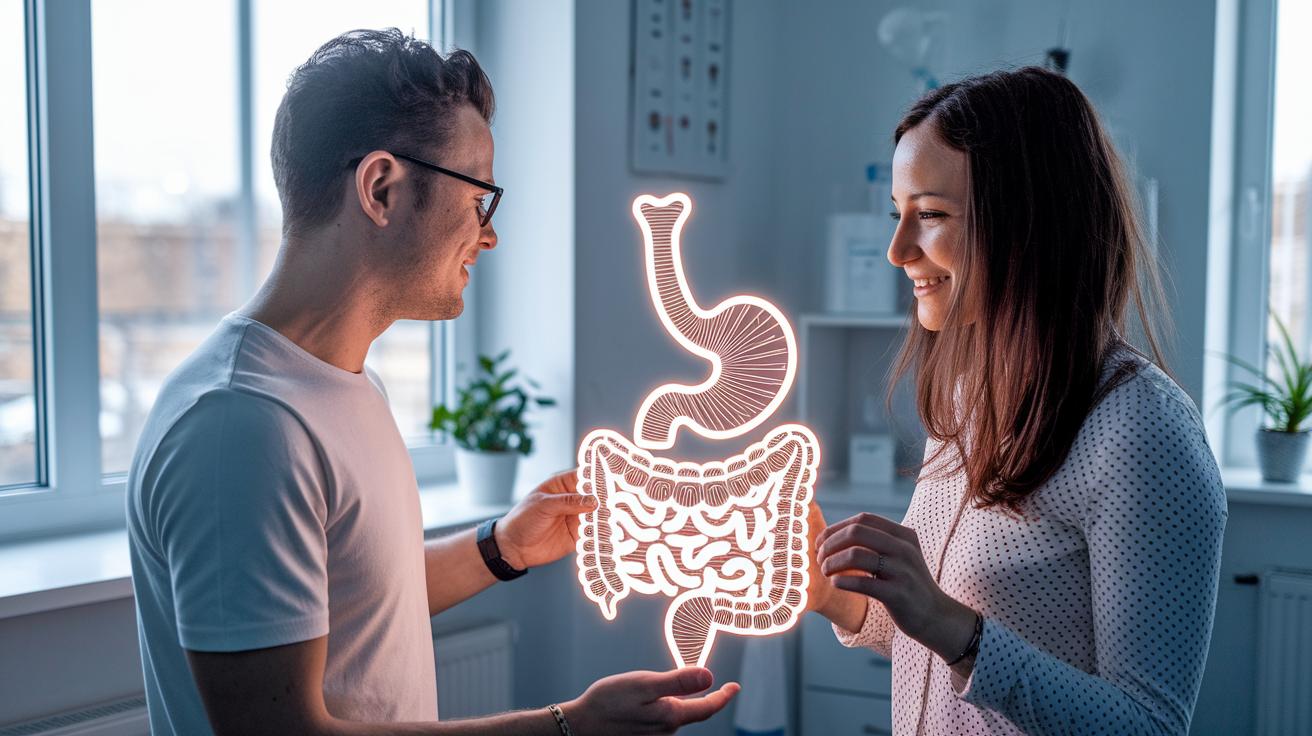

Nearly 20% of people deal with tummy aches and bloating that disrupt daily life. Common digestive disorders like acid reflux, IBS (irritable bowel syndrome), Crohn’s disease, and celiac disease can make everyday routines feel overwhelming.
Diet and family history often play a role in these issues. Doctors usually group these disorders into two kinds. Functional problems mean the system works badly even if it looks normal, while structural issues show clear changes in the organs. Understanding these differences can help you spot warning signs early.
If you’re noticing discomfort that affects your daily life, consider speaking with a doctor. Early care can lead to better management of these conditions. Read on for a simple guide to common digestive health problems and tips on what you can do.
Digestive Health Disorders at a Glance: A Complete Overview
Digestive health issues affect the entire gut. They include problems like acid reflux, irritable bowel syndrome (IBS), Crohn’s disease, and celiac disease. People with these conditions often deal with belly pain, bloating, nausea, and irregular bowel habits. About 10% to 20% of people go through these uncomfortable symptoms, which can disrupt everyday life.
There are many reasons these issues develop. Family history may raise the risk. What you eat and your daily habits also count. For example, eating foods that trigger symptoms or having a poor diet can worsen the condition. Other factors in your environment might also play a role.
Digestive disorders generally fall into two types: functional and structural. Functional disorders, such as IBS and gastroesophageal reflux disease, cause ongoing symptoms even when tests do not show any physical changes. Structural disorders, however, involve changes in the shape or structure of the gut. Recognizing both sets of factors can help you understand why these problems happen and guide you to get the right care.
Digestive System Anatomy and Gastrointestinal Tract Function

It all begins in the esophagus, a strong tube that moves food from the mouth to the stomach. The stomach then mixes food with its muscles and acid, breaking it down both physically and chemically.
After this initial breakdown, partially digested food moves into the small intestine. Here, most nutrients are absorbed. The small intestine has tiny, finger-shaped structures called villi and microvilli. They increase the surface area so enzymes and bile can work more effectively. If these structures don’t work as they should, problems with nutrient absorption can develop.
Next, the large intestine absorbs water and salts from the food, helping to form solid waste. The rectum holds this waste until it is expelled from the body.
Support also comes from accessory organs such as the liver, pancreas, and gallbladder. The liver produces bile, which is vital for digesting fats. The pancreas sends out enzymes that break down carbohydrates, proteins, and fats. The gallbladder stores the bile and releases it when needed. Together, these organs help make the digestive process more efficient.
Key to smooth digestion are processes like peristalsis, which are the muscle movements that push food along. Enzymes from different organs also play a crucial role in breaking down food. The lining of the gut shields the organs from harsh acids and blocks infections. Moreover, the gut’s microbiome helps ferment undigested food, create some vitamins, and support the gut lining. All these systems work together to make sure the body extracts the nutrients it needs and maintains overall gut health.
Common Digestive Health Disorders Explained
Digestive problems come in many forms and can disrupt everyday life. For example, irritable bowel syndrome (IBS) causes regular stomach pain and changes in bowel habits even though there is no clear injury to the gut. Gastroesophageal reflux disease (GERD) happens when stomach acid flows back into the esophagus, causing a burning feeling and irritation. Inflammatory bowel disease (IBD) covers conditions like Crohn’s disease and ulcerative colitis, where ongoing inflammation harms parts of the digestive tract. Crohn’s disease can affect any area from the mouth to the anus, while ulcerative colitis remains in the colon. Celiac disease is an immune reaction to gluten that damages the small intestine’s lining, leading to problems with absorbing nutrients. Peptic ulcer disease causes sores in the stomach or the start of the small intestine, often due to bacteria or certain medications. Pancreatitis affects the pancreas and brings on strong upper belly pain due to inflammation related to enzyme activity.
| Condition | Key Symptoms | Estimated Prevalence |
|---|---|---|
| IBS | Stomach pain, changes in bowel habits | 10-20% |
| GERD | Heartburn, acid reflux | 10-20% |
| Crohn’s Disease | Belly pain, diarrhea, weight loss | 0.2-0.3% |
| Ulcerative Colitis | Bloody diarrhea, cramps | 0.3% |
| Celiac Disease | Bloating, nutrient absorption issues, fatigue | ~1% |
| Peptic Ulcer Disease | Stomach pain, indigestion | 5-10% |
| Pancreatitis | Severe upper abdominal pain, nausea | <1% |
Each of these conditions has its own causes and symptoms, making an accurate diagnosis important. Often, doctors will use targeted tests and recommend personalized treatment plans, like changes in diet or specific medications, to help manage the symptoms and improve quality of life.
Diagnostic Methods in Digestive Health Disorders

Doctors use a range of simple tests to find problems with digestion. They often use tools like an upper endoscopy or colonoscopy to look inside the digestive system. A colonoscopy with a small tissue sample (biopsy) not only spots unusual growths but is also important for catching colon cancer early. One way to put it: a colonoscopy can spot early warning signs, much like noticing a little smoke before a big fire.
Another useful tool is pH monitoring, which tracks acid in the esophagus over 24 hours. This test helps doctors understand issues like acid reflux. Imaging tests, such as CT scans and ultrasounds, also play a key role by showing the structure of digestive organs. For example, an ultrasound can show if a patient’s pain is due to gallbladder inflammation or another problem.
Simple blood tests may reveal inflammation, while stool tests can find infections or proteins linked to inflammation (like calprotectin). Non-invasive tests, which do not require deep procedures, are also popular because they are easier on the patient while still providing important details.
All of these methods give healthcare providers the clues they need to create a treatment plan that fits each person. Detecting problems early, especially with a colonoscopy, makes a big difference in treating conditions like inflammatory bowel disease and avoiding future complications.
Treatment and Management of Digestive Health Disorders
Managing digestive disorders starts with reviewing your eating habits and discussing medication choices with your doctor. People with irritable bowel syndrome (IBS) might try a special elimination diet that swaps out common trigger foods for low-FODMAP alternatives. Many notice that cutting back on certain carbohydrates helps reduce tummy pain.
For those with gastroesophageal reflux disease (GERD), acid-blocking drugs like proton pump inhibitors (PPIs) can ease heartburn and acid backing up. People with celiac disease need a strict gluten-free diet to protect their intestines, while a high-fiber diet can help soften stools and lower inflammation for those with diverticulitis.
Often, patients mix diet changes with medicine for better relief. Antispasmodics can ease painful muscle contractions during IBS flare-ups. In acute diverticulitis, antibiotics help fight infection. In tougher cases of GERD or severe inflammatory bowel disease (IBD), doctors may recommend surgery, such as fundoplication or bowel resection, to fix the issue.
Stress management is also important. Behavioral therapies and simple stress reduction techniques can calm the gut-brain connection, making digestive symptoms less severe. Staying well hydrated, getting regular exercise, and having enough sleep all support healthy digestion.
Working with a team that may include a gastroenterologist, dietitian, and mental health professional ensures you get complete care for your digestive health.
Below are evidence-based management strategies:
- Tailored elimination and high-fiber diets
- Acid suppression and motility agents
- Probiotic supplementation
- Stress management and behavioral therapy
- Endoscopic and surgical interventions
- Hydration and lifestyle adjustments
- Coordinated multidisciplinary care
Digestive Health Disorders Overview: Bright Insights

Your daily eating routines and lifestyle choices have a big impact on your digestion. A diet rich in fiber helps food move easily through your system, and drinking water with your meals keeps your digestive tract moist and supports proper acid balance.
In contrast, sugar and processed foods can disrupt digestion by upsetting your gut’s natural pH and movement. Choosing whole grains and fresh fruits and vegetables while staying well-hydrated can help maintain a steady digestive rhythm.
Good bacteria, known as probiotics (found in foods like yogurt), strengthen your gut barrier and may reduce inflammation. Prebiotics, which come from bananas, oats, and other foods, feed these beneficial bacteria. For example, adding a banana or some yogurt to your breakfast is a simple way to nurture your gut.
Stress can also affect digestion by changing how your gut moves and secretes fluids. When you feel overwhelmed, your gut might react in kind. Regular exercise and enough sleep help balance the connection between your mind and stomach. Even a short walk after dinner or sticking to a consistent sleep routine can support better gut health.
Small daily changes in your diet, hydration, exercise, and stress management can lead to a healthier digestive system and improve your overall well-being.
Advances and Research in Digestive Health Disorders
New treatments and tests are changing how we care for digestive diseases. Treatments such as fecal microbiota transplantation (a procedure that helps restore healthy gut bacteria) are being studied, and new biologic drugs target specific pathways to reduce inflammation. Recent case studies show these advances may lessen symptoms and boost quality of life.
Improved diagnostic tools are making a difference too. Wireless motility capsules and advanced endoscopic imaging now help doctors see the digestive tract more clearly, which can lead to earlier and more accurate detection of problems. For example, one study found that dietary changes could bring inflammatory bowel disease into remission, offering fresh insights for managing chronic conditions.
Prevention is evolving along with treatment. Updated colorectal cancer screening guidelines and lifestyle changes are part of an evidence-based approach to lower risk. Ongoing clinical trials are also exploring the links between mental well-being and digestive health, helping us understand how the gut and brain work together.
Final Words
In the action, the blog post gives a clear breakdown of digestive issues by defining common gut disorders and describing how the digestive system works. It highlights symptoms, risk factors like genetic predispositions and lifestyle choices, and key diagnostic tools. We also looked at treatment options and lifestyle changes that matter to everyday well-being. This digest offers a thorough digestive health disorders overview that busy readers can rely on to make well-informed decisions. Stay positive and use the insights to take proactive steps for a healthier gut.
FAQ
What are the 5 diseases of the digestive system?
The five common digestive system diseases often include acid reflux, irritable bowel syndrome (IBS), Crohn’s disease, celiac disease, and peptic ulcers, each affecting digestion differently.
What is the list of gastrointestinal diseases?
A list of gastrointestinal diseases covers a wide range including acid reflux, IBS, inflammatory bowel disease (Crohn’s and ulcerative colitis), celiac disease, peptic ulcers, pancreatitis, and diverticulitis.
What are the early signs of gastrointestinal disease?
Early signs of gastrointestinal disease include recurring abdominal pain, persistent bloating, irregular bowel habits, and frequent nausea or heartburn that may indicate digestive system issues.
What are 10 common diseases of the digestive system?
Ten common digestive diseases include acid reflux, IBS, Crohn’s disease, ulcerative colitis, celiac disease, peptic ulcer disease, pancreatitis, gallstones, diverticulitis, and certain liver conditions.
What does a PDF on disorders of the digestive system typically include?
Such PDFs usually summarize definitions, symptoms, risk factors, diagnostic methods, and treatment options for a variety of digestive disorders in an accessible format.
What are digestive diseases?
Digestive diseases refer to various conditions that impact the gastrointestinal tract, including disorders like acid reflux, IBS, inflammatory bowel disease, celiac disease, and more that affect digestion and nutrient absorption.
What are signs of stomach problems in adults?
Signs of stomach problems in adults can include ongoing pain, bloating, heartburn, nausea, and unpredictable bowel habits, all of which may signal underlying digestive issues.
What is included in a list of rare stomach diseases?
A list of rare stomach diseases may feature conditions such as gastroparesis, Zollinger-Ellison syndrome, and Bouveret’s syndrome, which require specialized medical evaluation and care.