


Your home environment can play a big role in your recovery after surgery. Small, easy changes can help turn challenges into a smoother, safer healing process. This checklist offers clear, step-by-step advice, from setting up a comfortable bedroom to keeping your living room free of clutter, to create the best space for recovery. It also explains how to handle medications and manage pain, so you can focus on getting better. Adjust your space today to give your recovery the boost it needs.
post surgery home care checklist: setting up your home for recovery
Set up a safe and comfortable recovery spot in your home. Pick a space where you can rest and easily reach your medical equipment. Choose a seat with armrests and be sure a power outlet is nearby for devices like oxygen concentrators or charging pads.
In your bedroom, check that the bed is the right height for you to get in and out easily. Keep important items such as water, medications, and your call button on a bedside table within reach. Use night lights along the route to the bathroom to help prevent falls.
In the living room, arrange chairs with sturdy armrests and add extra pillows for support. Clear away clutter and tuck electrical cords behind furniture or cover them to minimize tripping hazards. This helps create a calm space for your recovery.
For the bathroom, install grab bars next to the toilet and in the shower area if possible. Remove loose rugs and secure any floor mats to lower the risk of slipping, especially when getting out of the bath or shower.
In the kitchen, keep everyday items within easy reach to avoid unnecessary bending or stretching. Set up a small area for snacks, water, and light meals so you can stay nourished without overexerting yourself.
Use this checklist to prepare each room so that every area of your home supports your recovery and safety. For example, placing personal items on a living room table can serve as a reminder to take your medication on time.
post surgery home care checklist: medication oversight and pain control
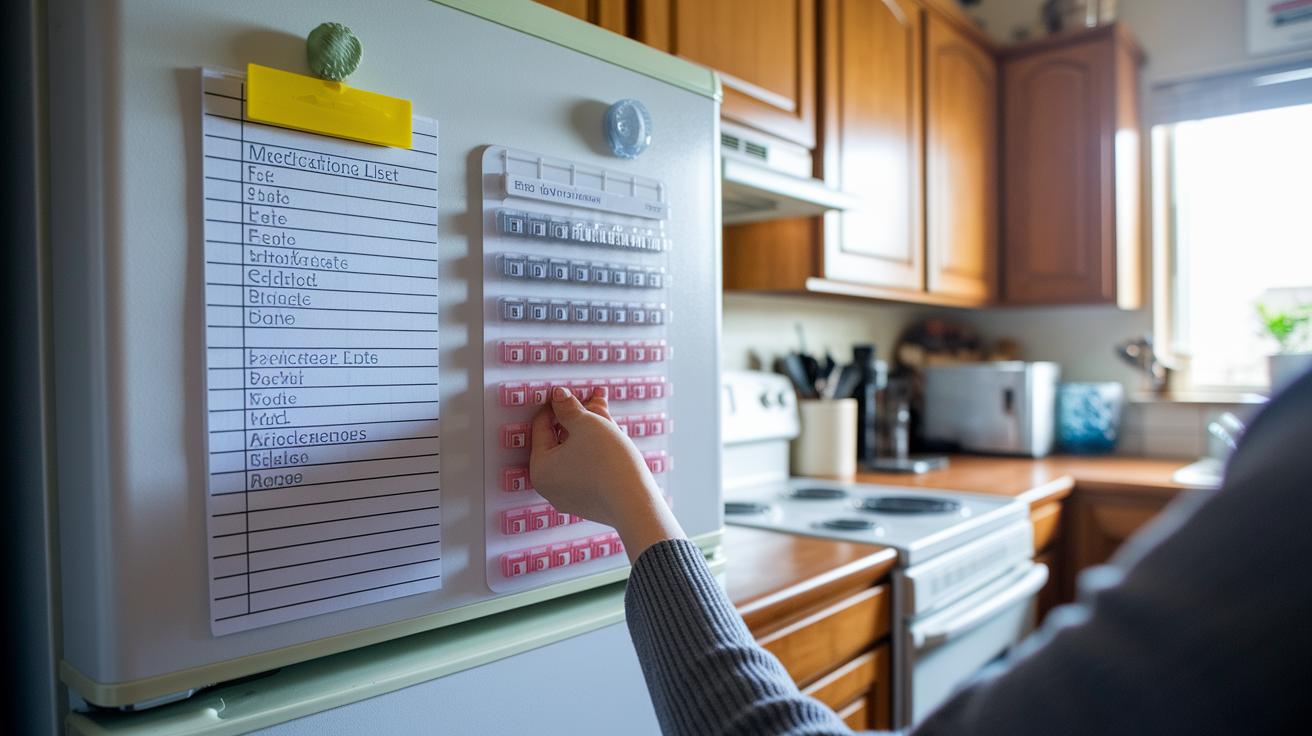
Start by creating a clear list of your medicines. Write down each prescription, the amount you need to take, and the time you take it. Using a pillbox or a simple chart on your fridge can help you remember. For example, you might note, "8 AM: blood pressure pill, 12 PM: pain reliever."
Follow these steps:
- Double-check the dose and time for each medicine.
- Update your list as your prescriptions change.
- Keep your medicines in a spot that is easy to reach and safe.
Keep in touch with your healthcare team. If you notice any unusual side effects or if your pain lasts longer than expected, call your provider right away. Track your pain each day with a simple rating scale and note any changes over time.
Drink plenty of water throughout the day. Set reminders if you need to, so you have a glass of water every time after taking a pill. Staying well-hydrated can help your body absorb the medicine and may even lessen feelings of nausea.
By following these tips, you can stay on top of your medication and manage your pain effectively, giving you a safer path to recovery. Write down any changes in your pain or how your medicines affect you, and share your notes during follow-up visits with your doctor.
post surgery home care checklist: wound care and infection prevention
After surgery, keeping your wound clean and dry is key to avoiding infection. Start by washing your hands well before you touch your wound. Use the antiseptic your provider recommended to clean around the area. Follow the dressing change schedule your surgeon set. For example, change the dressing every morning with the prescribed antiseptic to help stop infections.
Follow these steps each time you care for your wound:
- Use fresh, sterile gauze for every dressing change.
- Secure the gauze with medical tape, but do not wrap it too tight.
- Wear disposable gloves when handling wound supplies.
- Check the area for redness, swelling, or any unusual discharge.
- Call your healthcare provider if the pain increases or you notice signs of infection.
After cleaning and dressing the wound, make sure your workspace is clean too. Neatly store unused supplies to help prevent accidental contamination.
It can help to keep a written record of any changes in your wound. Note if the area feels warmer or if you experience unexpected pain. Following these steps can protect against infection and keep you on track for a smooth recovery.
post surgery home care checklist: home safety modifications and mobility aid recommendations

• Follow your healthcare provider’s advice for mobility aids. For example, if you use a cane, keep it near your favorite chair so you can grab it quickly when you need a hand.
• Store a pair of non-slip shoes where you can see and reach them easily, like beside your recovery area, so you can put them on without delay.
• Keep extra pillows and blankets at hand for comfort and elevation. They can help support your legs when you need to rest, reducing strain as you move.
These simple steps help ensure safe movement during your recovery while cutting back on details you may have already set up.
post surgery home care checklist: meal planning and healing diet recommendations
Plan your meals ahead to keep your recovery on track. Prepare a week’s worth of easy-to-warm dishes that offer the right mix of protein, vitamins, and fiber. For example, cook lean proteins (like baked chicken or tofu), whole grains, and vegetables that help rebuild tissue.
Here are a few simple tips:
- Divide meals into individual containers so they’re quick to heat up.
- Keep pre-cut fruits and vegetables handy for a healthy snack.
- Note any diet needs, such as low-sodium or soft foods.
- Display a basic menu on a whiteboard to remind you of your daily options.
Also, set up a spot in your recovery area just for drinks. Stock it with water, electrolyte beverages, and light snacks to help keep your energy steady. This regular hydration supports medication absorption and can lessen nausea. Taking time to plan your meals makes daily life simpler and helps your body heal while boosting your overall immune support.
post surgery home care checklist: emergency contacts and caregiver collaboration

Start by setting up a clear plan for communicating during your recovery. Begin with a list of key phone numbers, including your primary doctor, surgeon’s office, home nurse service, and a family member you trust. Keeping these numbers handy means you can quickly get help when needed. For example, write down "Surgeon's office – (480) 555-1234" or "Home nurse service – (480) 555-5678."
Each day, go over your contact list with your caregiver. They can help you track your progress and manage your post-surgery care. Make sure your caregiver knows their role. This teamwork helps ensure you don’t miss appointments or follow-up calls.
It also helps to mark your calendar or set reminders for appointments and home health checks. A clear schedule keeps you and your team informed.
Consider these steps:
A steady communication plan and a reliable support network will help keep you on track during your recovery.
Final Words
In the action, our guide packs practical steps for setting up a recovering home. The checklist covers creating a designated rest space, organizing medications, caring for wounds, making safety upgrades, planning nourishing meals, and outlining emergency contacts for caregiver support.
This post surgery home care checklist offers clear, step-by-step tips to boost comfort and safety during recovery. Small changes at home can make a big difference in your healing process.
FAQ
What is included in a post surgery checklist?
A post surgery checklist covers home setup for recovery, medication tracking, wound care guidelines, safety adjustments, meal planning, and emergency contacts. It provides clear steps for both patients and caregivers during recuperation.
How can I find a post operative checklist PDF for nurses?
A post operative checklist PDF for nurses generally contains patient monitoring tips, wound care protocols, medication schedules, and safety measures. It serves as a concise reference to ensure quality recovery care.
What is the cost of after surgery home care?
After surgery home care cost varies by location and needs, covering services like in-home nursing, supplies, and mobility aids. It is best to consult local providers for an accurate estimate.
What should be in a post surgery care package, and what to bring to someone’s house after surgery?
A post surgery care package may include comfort items like soft clothing, healthy snacks, pain relievers, toiletries, and practical tools such as a pill organizer or non-slip socks to ease recovery at home.
What do I need for after surgery care at home if no one is there to help?
For recovery when managing alone, you need a well-arranged rest area, clear medication and wound care supplies, accessible emergency contacts, and safety modifications to reduce risks during healing.
What are the five surgical checklists?
The five surgical checklists generally cover home environment setup, medication and pain management, wound care and infection prevention, home safety modifications with mobility aid recommendations, and meal planning along with emergency contacts.
What are some post surgery gifts for her?
Post surgery gifts for her might include cozy blankets, soothing care packages with healthy snacks, inspirational books, or personalized items that offer comfort and support during recovery.