


Are you worried about getting good health care? New York is stepping up with programs that help people in everyday ways. The state health department offers support through Medicaid, public health services, and modern care solutions.
These programs help with common health challenges. They provide tools to quit smoking, prevent obesity, and keep communities safe. Local experts lead these efforts so that care feels personal and effective.
In short, New York’s health programs are designed to make a real difference in how people live. Read on to learn how these services can help you stay healthy and informed.
NY State Department of Health Overview: Core Programs and Mission
The New York State Department of Health works to protect and improve the well-being of every New Yorker. It offers a variety of programs that serve diverse communities with clear, quality care and reliable resources.
Each program is set up with specific goals to ensure that everyone gets the support they need:
- Medicaid – Led by Jason Helgerson, this program provides vital medical coverage.
- Public Health – Under Brad Hutton’s leadership, efforts focus on keeping communities healthy.
- High Standards – Dan Sheppard ensures care meets strong quality benchmarks.
- LGBT Services – Johanne Morne directs services that address the unique health needs of the LGBT community.
- Innovation – Jill Taylor drives new and modern ways to deliver health services.
- Online Resource Directory – This tool offers quick access to key legal and public information.
In addition, the department’s website features public resources like Legal & Public Notices, Special Reports, a Job Board, and details on Awards & Permissions. This clear and organized approach helps New Yorkers easily find the latest updates and make informed health decisions.
NY State Department of Health Public Health Initiatives

New York’s Public Health division works to keep local communities safe and healthy. They run region-specific programs to address both immediate public health issues and long-term wellness needs. Regional teams team up with state leaders to adjust strategies and offer current health guidance everywhere in New York.
- Helping people quit tobacco
- Preventing obesity
- Checking for environmental health risks
- Reducing injuries
- Supporting school health services
Local health departments play an important role. The division partners with them to create Community Health Improvement Plans that set local priorities and strengthen response efforts. They also design community wellness programs that feature educational workshops, local events, and focused outreach campaigns. These partnerships help provide fast support during health emergencies and lay a strong foundation for healthier lifestyles. For example, a recent program helped lower smoking rates by offering free counseling and support groups, a model that local teams are expanding across the state.
NY State Department of Health Disease Prevention and Control Services
The NY State Department of Health works to keep communities safe by spotting health threats early and acting quickly. Their strategy uses a mix of programs such as free or low-cost vaccines available at over 1,200 locations and careful tracking of more than 50 health conditions to catch problems before they grow.
This plan helps areas get necessary vaccines fast, reducing the chance of outbreaks. By coordinating efforts among local teams, the department supports communities and gives local agencies the tools they need to respond efficiently when an outbreak is suspected.
| Program | Description | Contact Information |
|---|---|---|
| Immunization Services | Free or low-cost vaccines at over 1,200 locations | Statewide Immunization Unit |
| Disease Surveillance | Monitors more than 50 health conditions | Epidemiology Bureau |
| Outbreak Response | Rapid alert system with regional teams | Preparedness Office |
| Epidemiological Monitoring | Analysis of health data and modeling | Data & Analytics Division |
Community immunization drives also bring vaccines directly to neighborhoods, making it easier for residents to protect themselves. In addition, local agencies receive grants to set up mobile clinics and health education programs. This support strengthens community health now and helps prepare for future health challenges.
NY State Department of Health Maternal and Child Health Support Programs
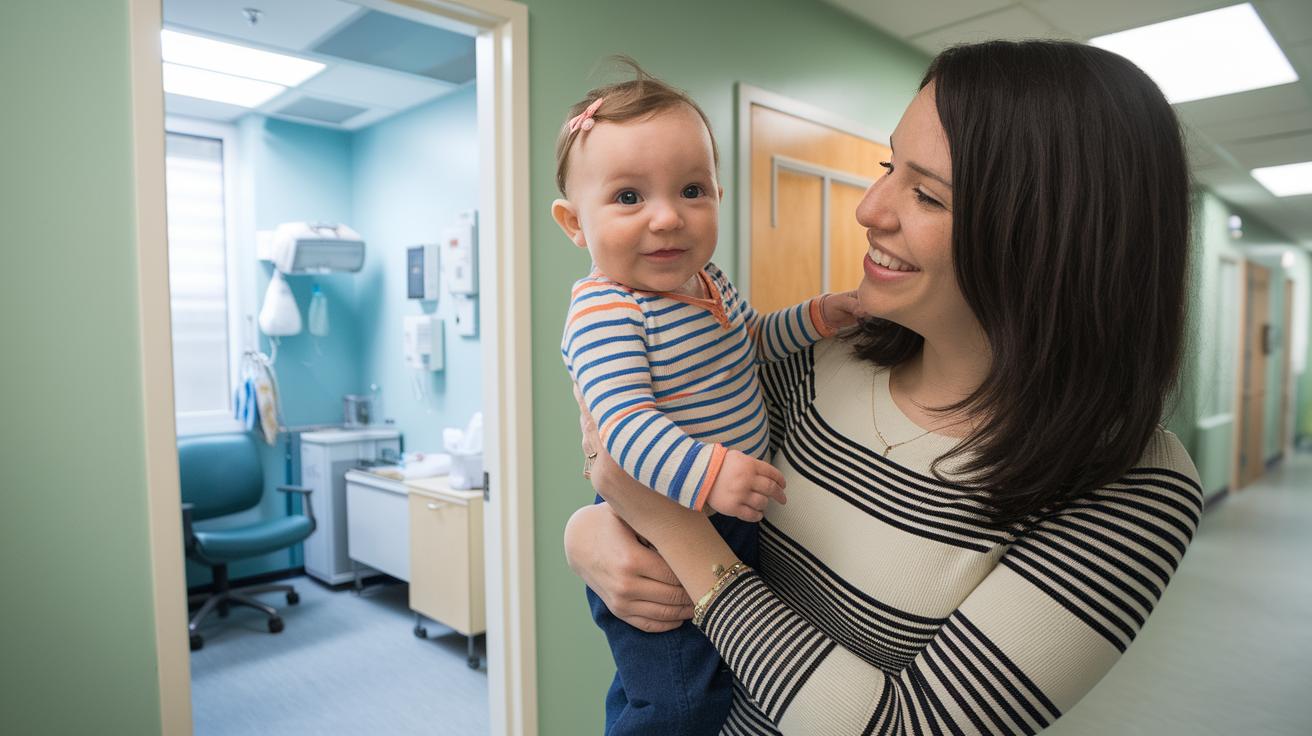
The NY State Department of Health supports mothers and children with services that begin during pregnancy and continue after birth. They offer regular check-ups, counseling, and overall well-being support for moms and babies. The department also runs the WIC nutrition program, which helps thousands of families get the nutrition they need during key stages of growth. Together, these services work to reduce early challenges and improve long-term health outcomes for both mothers and their infants.
The department also provides early screening for developmental delays, reaching over 14,000 infants and toddlers each year. These screenings are designed to spot potential delays early on and offer families tailored guidance. In addition, they run vaccination campaigns for children entering kindergarten, aiming to achieve a 90% immunization rate to lower the risk of contagious diseases in schools. Access to these services is typically based on income and documented health needs. By offering timely assessments and clear program information, the department helps prevent illness and sets the stage for healthier development in communities across the state.
NY State Department of Health Community Outreach and Education Services
New York State Health promotes health improvement across the state with clear education campaigns. These efforts tackle issues like HIV prevention, opioid misuse, and healthy eating. Each campaign uses simple messages to share important facts and tips. For example, one campaign highlights real stories where better eating habits helped lower the risk of heart disease.
The department works closely with 58 local health offices to bring useful health information straight to communities. They organize interactive workshops, live webinars, and provide easy-to-understand printed guides. People attending these sessions get practical health advice and answers to their questions right away. This teamwork makes sure messages meet local needs, even in areas where resources are limited.
Regular planning also plays a key role. Every three months, local leaders review how programs are doing and decide where help is needed most. This ongoing review means that new health issues are quickly noticed and addressed. The goal is simple: keep New Yorkers informed, empowered, and on track to a healthier life.
NY State Department of Health Healthcare Provision and Access Programs

Medicaid enrollment is central to New York’s plan to care for millions of residents. Around 6 million New Yorkers use Medicaid, which pays for many preventive services like cancer screenings and help with ongoing conditions. These services are designed to find problems early so they can be treated while they are still manageable, which can save lives and lessen hospital strain.
The state plan also includes care models that support people with long-term health issues. This approach brings together regular check-ups, diagnostic tests, and personalized treatment into one smooth system. The aim is to help those with illnesses such as diabetes, heart disease, or lung problems receive the continuous care they need. By catching signs of trouble early, these strategies keep patients stable and support better overall health.
Innovative programs further improve access to care across the state. For example, telehealth grants now support 150 rural clinics, allowing them to offer remote consultations and cut down on long travel times for patients. Mobile health units also bring essential services directly to communities that lack nearby clinics. In addition, tailored outreach programs help meet the needs of people from different cultural and language backgrounds. This effort makes sure that every New Yorker has the chance to receive the quality care they deserve.
NY State Department of Health Emergency Preparedness and Response Initiatives
Each year, the department updates its emergency plans to keep communities safe from threats like pandemic flu and biological dangers. These new guidelines help local and state teams act quickly and efficiently. For instance, one rule states that when a pandemic starts, specially trained teams must begin working within 90 minutes. This shows how clear and fast their procedures are.
The Medical Reserve Corps is a key part of these plans. With 15,000 trained volunteers, this group works hand-in-hand with 911 centers and emergency medical services. One volunteer noted, "When every second counts, our teamwork makes all the difference." Their ready support is crucial during emergencies.
Statewide drills have recently brought together over 200 agencies to test how well these plans work. These practice sessions, along with grant programs to improve local preparedness, help spot ways to make the system even better. By using feedback from drills and matching resources with needs, the department keeps medical and public health services ready to respond rapidly when a crisis hits.
NY State Department of Health Data, Research, and Innovation Services
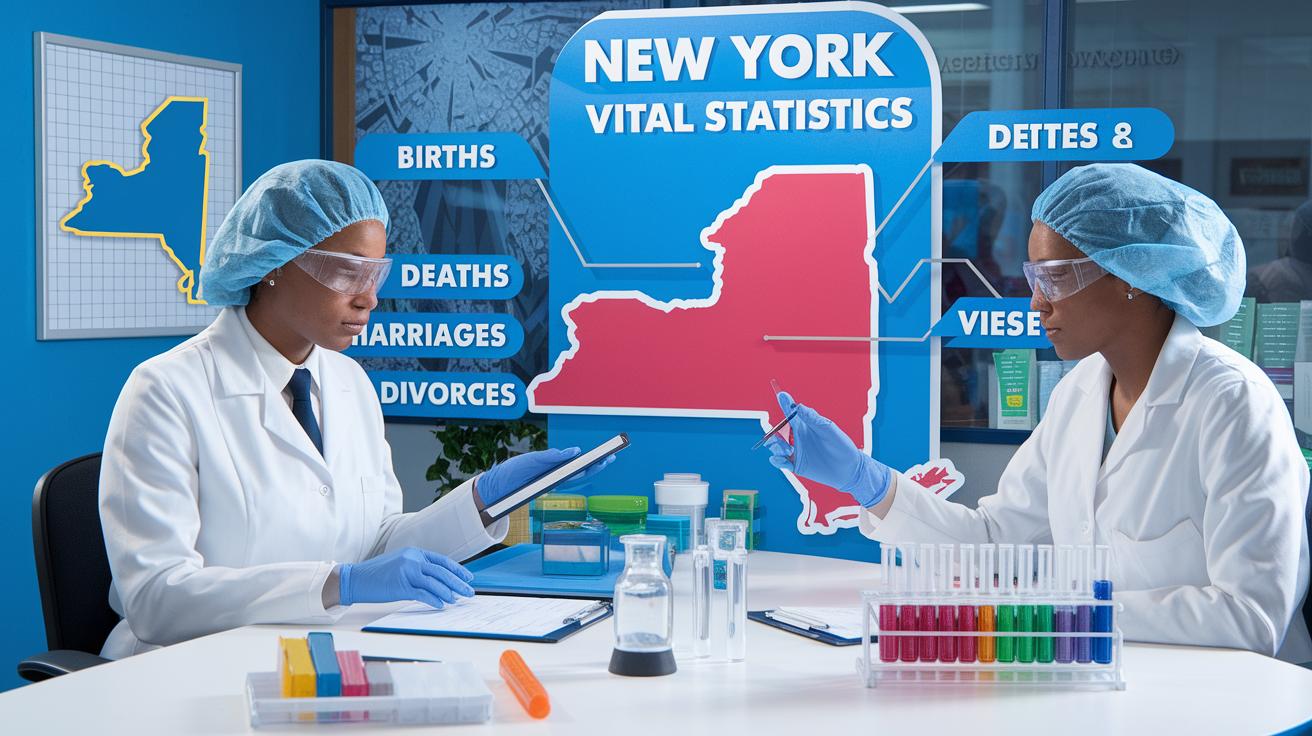
The department publishes detailed Vital Statistics reports that cover births, deaths, marriages, and divorces. These reports provide the numbers needed to understand population changes and health trends in New York. Local health officials use this data to plan services and guide public health actions, such as allocating resources based on the number of births and deaths in an area and understanding community shifts from marriage and divorce rates.
The state lab plays a key role in protecting public health by running over 1 million tests each year. They test for germs, toxins, and other threats, which helps in spotting outbreaks quickly and keeping track of environmental risks. With this robust testing, the department can base its health decisions on current and reliable information, ensuring a fast response when problems arise.
The department also funds more than 50 research studies on topics like opioid use and air quality. These studies look at health issues to find trends and better treatment methods. The findings help shape programs that are tailored to meet the needs of local communities and advance our understanding of important health challenges.
Digital health pilots are changing the way health care is delivered in New York. New telehealth platforms and mobile apps now offer remote consultations and real-time patient checks, while data tools help predict disease outbreaks. By combining digital technology with innovative research, the department is building a more connected and responsive health system that fits the needs of today's New Yorkers.
NY State Department of Health Workforce Development and Quality Improvement Efforts
The department works with 20 academic institutions to train 5,000 public health professionals every year. These partnerships combine classroom lessons with hands-on experience, offering internships, seminars, and mentorship programs that prepare future leaders to face real-world health challenges. By collaborating with colleges and universities, the department builds a workforce ready to adopt innovative health strategies and improve community care across New York.
The Quality Improvement Division uses performance dashboards that monitor 30 essential service measures such as patient wait times, care coordination, and treatment results. Checking these figures helps health facilities spot areas where changes are needed so they can quickly adjust their practices. This data-driven method supports ongoing improvements, ensuring that patients consistently receive safe and high-quality care.
The department also shares best practice toolkits that provide clear guidance on patient safety, clinical workflows, and equity assessments. These toolkits include simple, step-by-step protocols and evaluation methods that help healthcare facilities implement trusted techniques for safer and more efficient care. By distributing these resources throughout the system, the department promotes uniform standards and measurable quality improvements, ensuring every patient benefits from careful, fair treatment.
Final Words
In the action, we explored ny state department of health key programs and services that support Medicaid enrollment, public health initiatives, emergency response, and more. The overview highlighted community outreach, disease prevention, workforce development, and data-driven research that benefit New Yorkers every day. This summary brings a clear picture of how the agency continuously works to protect and improve public well-being. The ongoing progress in these areas offers hope for a healthier future for all.
FAQ
Department of Health NYC Number
The Department of Health NYC number offers a direct way to reach health services in New York City. Users can call this number to get assistance and detailed information about public health programs.
NYC Department of Health and Mental Hygiene
The NYC Department of Health and Mental Hygiene manages public health and safety, including disease prevention and mental health services, to support and protect the community’s well-being.
New York State of Health login
The New York State of Health login provides a secure online portal for residents to access health insurance options, review benefits, and manage their health coverage effectively.
Department of Health and Human Services NYC
The Department of Health and Human Services NYC delivers both health care and social support, coordinating services that enhance community well-being and provide essential assistance to residents.
Department of Health telephone number
The Department of Health telephone number connects individuals with crucial health information and services. It allows callers to inquire about programs, benefits, and local public health resources.
Department of Health bronx NY
The Department of Health in Bronx, NY, offers local programs and services such as preventive care, health education, and community wellness activities, specifically tailored to meet the community’s needs.
Department of Health queens
The Department of Health in Queens provides public health services including disease prevention, health education, and community outreach, ensuring that residents receive support and accessible health information.
Department of Health Albany, NY
The Department of Health in Albany, NY, administers public health programs and safety regulations. It coordinates regional health services to promote wellness and protect community health.
What services does the New York State Department of Health provide?
The New York State Department of Health provides a wide range of services, including disease prevention, healthcare access, maternal and child health, public health initiatives, and comprehensive data research.
What is NYS Basic Health Program?
The NYS Basic Health Program offers affordable health coverage for low-income adults, providing essential healthcare services, preventive care, and chronic disease management to improve health outcomes.
What services do local health departments provide?
Local health departments offer services such as immunizations, health education, disease prevention, and emergency response support. They work closely with communities to address specific public health needs.
What is the New York State Help Program?
The New York State Help Program provides financial and supportive services to eligible residents. It assists with health coverage, food access, and other vital support needs to improve overall well-being.