
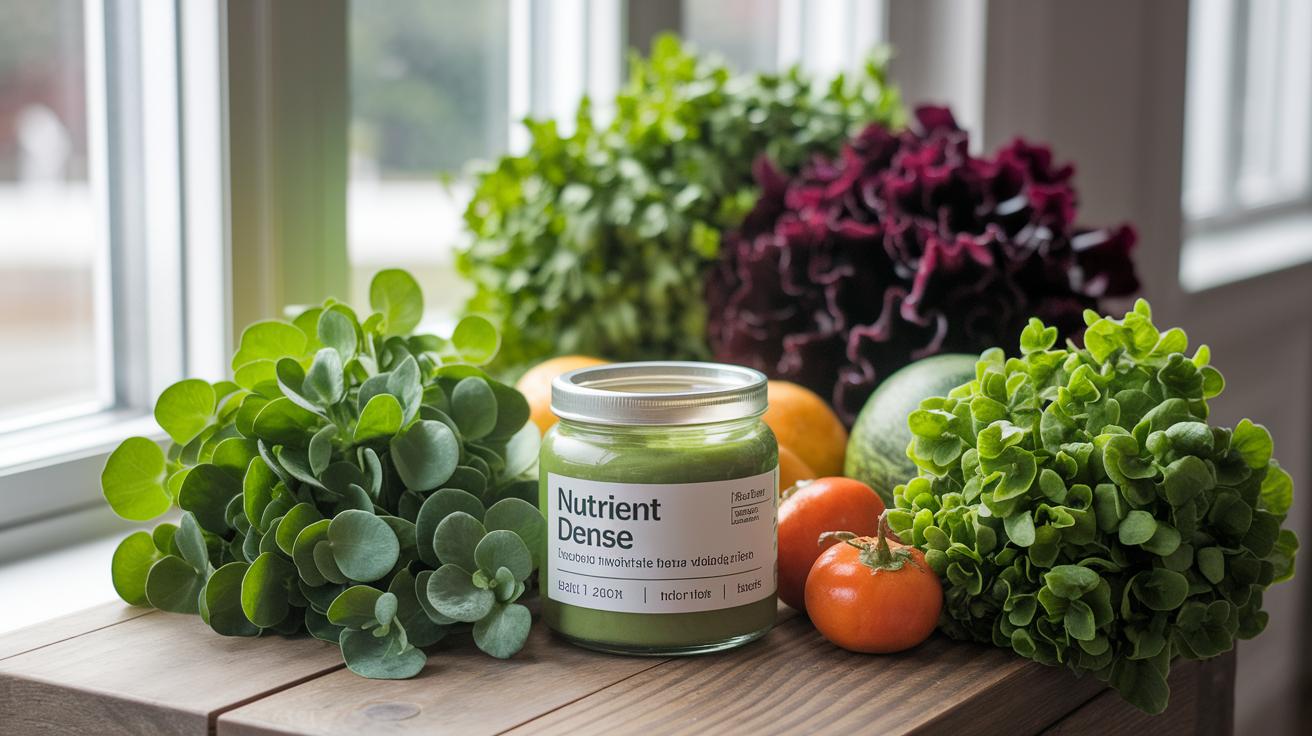

Ever notice how some foods give you more bang for your buck when it comes to nutrition? Think about biting into a fresh apple that not only tastes great but also gives you vitamins, fiber, and antioxidants. This is what we call nutrient density, foods that do more than just fill you up. In this article, we explain what nutrient dense means and how these foods can help boost your energy and overall health. Get ready to learn how to choose foods that truly fuel your day.
Defining Nutrient Density: Understanding Nutrient-Dense Foods
Nutrient density means choosing foods that give you a lot of good nutrition in a small amount. These foods pack healthy fats, fiber, vitamins, minerals, and antioxidants while keeping calories low. This simple idea helps you build healthy eating habits and maintain a balanced diet that fuels your day.
In contrast, many high-calorie foods can fill you up but lack the essential nutrients your body needs. By picking nutrient-rich options over foods with empty calories, you can improve your overall health. Foods that lack nutrition provide energy but not the building blocks your body needs for repair and growth.
• Healthy fats
• Dietary fiber
• Essential vitamins
• Essential minerals
• Antioxidants
Choosing nutrient-dense foods can boost your energy, support your immune system, and improve overall wellness. When you focus on these power-packed options, your body gets a steady supply of key nutrients that help keep you energized, protect against infections, and support long-term health.
Nutrient Dense vs Calorie Dense: Comparing Food Quality

Sometimes foods high in calories can fill you up but don’t give you many essential nutrients. On the other hand, nutrient-rich foods offer more vitamins, minerals, and antioxidants for every calorie you eat, giving your body better fuel.
| Food Item | Calories per Serving | Key Nutrients | Nutrient Density |
|---|---|---|---|
| Blueberries | 85 | Vitamin C, fiber, antioxidants | High |
| Donut | 250 | Sugar, fat | Low |
| Spinach | 23 | Vitamin A, iron, folate | High |
The table shows clear differences in food quality. Blueberries and spinach provide many nutrients while keeping calories low, which is great for boosting your immune system and energy. In contrast, a donut has more calories with very little nutritional benefit. When planning your meals, try to pick options that give you the essential nutrients you need without too many extra calories. This simple look at food choices can help guide you to a healthier and more balanced diet.
Top Nutrient-Dense Foods: A Guide to Nutritional Powerhouses
Foods that pack a lot of nutrition give you vitamins, minerals, healthy fats, and antioxidants in small portions. These foods help boost your energy, aid in recovery, and support a strong immune system without a lot of extra calories. For instance, a small bowl of blueberries offers vitamin C and fiber while keeping calories low. Choosing these kinds of foods means every meal helps your overall health.
• Blueberries
• Chia seeds
• Grassfed beef
• Pasture-raised poultry
• Raw dairy products
• Pasture-raised eggs
• Raw local honey
• Organ meats (liver, heart)
Adding these foods to your everyday meals can be both tasty and practical. You might stir some chia seeds or blueberries into your morning smoothie or mix raw dairy into your cereal for an extra boost of calcium. Rotating grassfed beef and pasture-raised poultry with plenty of vegetables at dinner helps you get a mix of important nutrients. A splash of raw local honey can sweeten your tea while providing antioxidants. Even trying a small portion of organ meats now and then can give you a concentrated source of nutrients. These choices not only support your energy and immune system but also bring a fresh variety to your plate.
Measuring Nutrient Density: Methods and Metrics
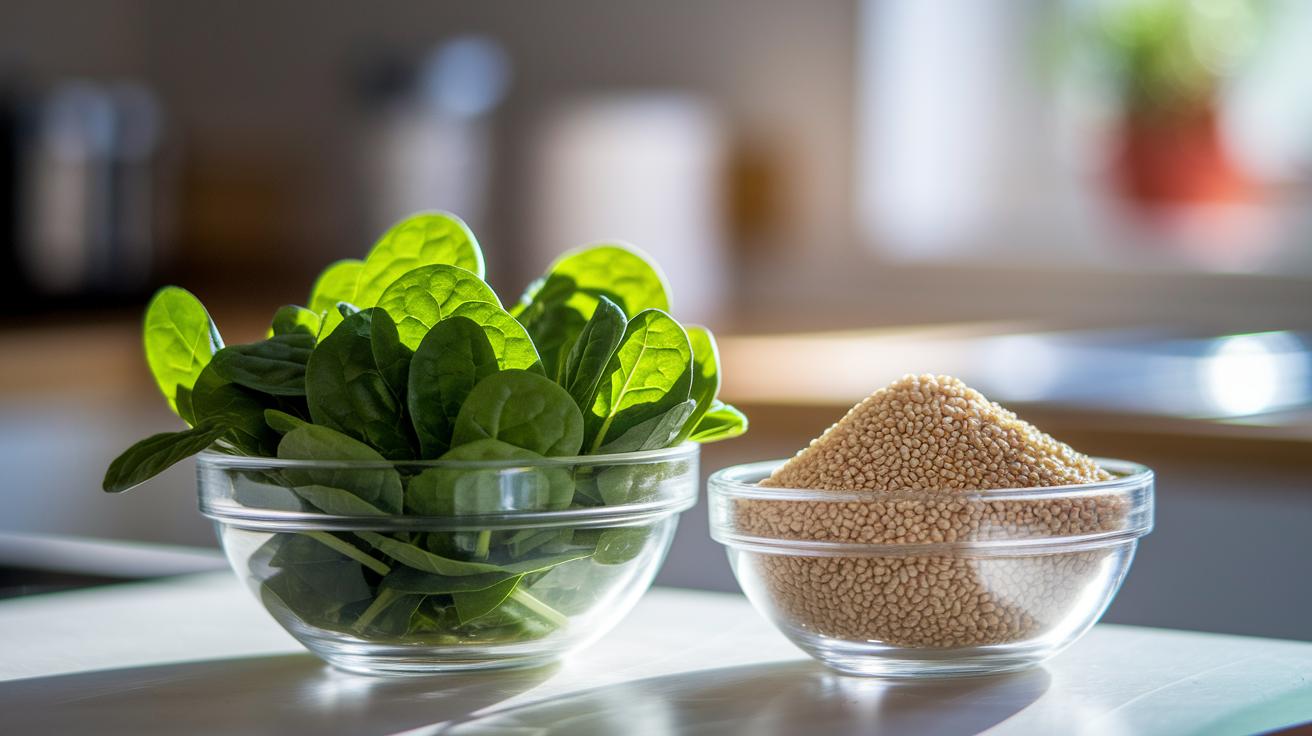
Nutrient density shows you how much good stuff, like vitamins, minerals, and other healthful compounds, is packed into each calorie of food you eat. It helps you figure out which foods give you more nutrition per calorie. Dietitians and nutrition experts use different scores and ratios to compare foods, so you can choose options that boost your energy, support your immune system, and improve overall health.
When comparing a handful of spinach with a serving of refined grains, these methods make it easier to see which one provides more nutrients. They’re especially handy when you’re trying to switch to a healthier eating plan or want to get more benefits from every bite.
| Method | Description |
|---|---|
| Nutrient-per-calorie ratio | Looks at the amount of nutrients in each calorie |
| Nutrient density score (e.g., NRF Index) | Rates foods based on their overall nutritional value |
| Percent daily value per serving | Shows how much of the daily nutrient requirement a serving provides |
| Food quality index ratings | Ranks foods according to several quality factors |
Integrating Nutrient Dense Foods Into Meal Planning
Eating a variety of nutrient-dense foods can boost your energy, strengthen your immune system, and help you stick to a balanced diet. Choosing foods rich in vitamins, minerals, and healthy fats means you gain more from every bite. For example, the Mediterranean Diet recommends that about 80% of your meals come from health-promoting foods like fresh produce, lean proteins, and quality fats. This way of eating can leave you feeling vibrant and steadily fueled throughout your day.
Try these simple tips to create a nutrient-rich menu:
- Fill half your plate with colorful vegetables.
- Replace refined grains with whole grains.
- Add at least one food rich in micronutrients to each meal.
- Use healthy fats, such as olive oil or nuts, in moderation.
- Prepare nutrient-dense snacks ahead of time.
These steps not only boost the nutritional value of your meals but also help you build a healthier eating routine gradually. Adjust the plan based on your taste and daily schedule, and consider using a structured "healthy eating meal plan" for extra guidance on how to make these choices part of your everyday life.
Final Words
In the action, we explored the nutrient dense definition, explained how foods rich in vitamins, minerals, and antioxidants stand apart from calorie-heavy choices, and compared nutrient-dense options with less beneficial foods.
We walked through practical ways to measure and integrate quality ingredients into daily menus for boosted energy, immunity, and overall wellness. Keep these insights in mind as you pick foods that work hard for your health, making every meal a step toward a more vibrant life.
FAQ
What is the nutrient-dense foods definition?
The nutrient-dense foods definition explains that these foods deliver high amounts of vitamins, minerals, healthy fats, fiber, and antioxidants relative to their calorie content.
What are nutrient-dense examples?
Nutrient-dense examples include blueberries, chia seeds, spinach, lean proteins, and whole grains, all offering many essential nutrients without excessive calories.
Why are nutrient-dense foods important?
Nutrient-dense foods are important because they supply vital nutrients, boost energy, support immunity, and promote overall health while keeping calorie intake in check.
What does “100 most nutrient-dense foods” mean?
“100 most nutrient-dense foods” typically refers to ranked lists that identify fruits, vegetables, lean proteins, and whole grains noted for their high nutrient value compared to calories.
What is the nutrient-dense opposite?
The nutrient-dense opposite signifies calorie-dense foods, which offer high calories with fewer essential nutrients, often found in processed snacks and sugary drinks.
What defines nutrient-dense meals?
Nutrient-dense meals are defined as dishes that blend foods rich in essential vitamins, minerals, and antioxidants, resulting in balanced, nutrient-heavy meals.
What is a nutrient-dense foods chart PDF?
A nutrient-dense foods chart PDF is a visual guide that ranks foods based on the ratio of nutrients to calories, helping readers choose healthier, nutrient-rich options.
How is “nutrient dense” used in a sentence?
Using “nutrient dense” in a sentence means describing foods that pack a large amount of beneficial nutrients into each serving relative to their calorie count.
What is the number one healthiest food in the world?
The number one healthiest food is subjective; many experts highlight leafy greens and berries for their balanced and comprehensive nutrient profiles.
What single food can you survive on the longest?
Surviving on a single food is not feasible since no food supplies all essential nutrients; a balanced, varied diet is required for long-term survival and health.
What are three examples of nutrient-dense foods?
Three examples of nutrient-dense foods are blueberries for antioxidants, spinach for essential vitamins, and lean proteins for minerals, each supporting robust health.
What food has the most calories?
Foods with the most calories per serving are usually oils, which pack high calories but offer limited amounts of other essential nutrients.