
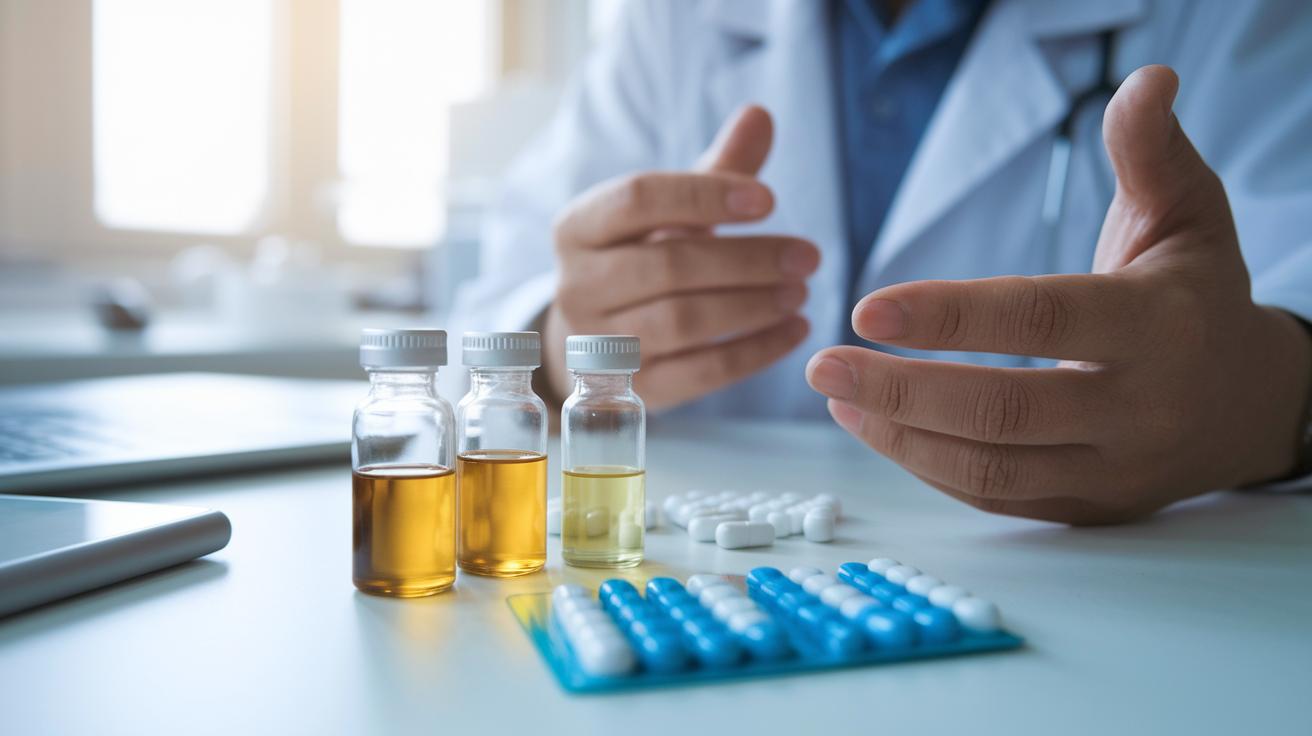

Ever wonder how a lower-cost drug can work just as well as a higher-priced version? FDA-approved biosimilars match original drugs in safety, purity, and strength by going through thorough lab tests and clinical studies before getting the final nod. The FDA’s careful review process helps ensure that these follow-on drugs meet high standards while keeping treatment affordable. In simple terms, biosimilars offer patients effective treatment choices without sacrificing quality.
FDA’s Definition and Regulatory Role for Biosimilars
A biosimilar is a biological product that closely mirrors an already approved reference product. It must match the reference in safety, purity, and strength. The Biologics Price Competition and Innovation Act of 2009 gives the FDA the power to review and approve these drugs. This law sets a clear path to bring more affordable treatment options to patients while upholding strict standards.
Before a biosimilar reaches the market, the FDA carefully checks its quality and performance. They study lab results, clinical data, and manufacturing details to confirm that the biosimilar performs as expected. The evaluation focuses on:
- Matching quality features with the reference product
- Clinical studies confirming safety
- Equivalent therapeutic effect compared to the original product
- Support from analytical and animal study data
The FDA also offers easy-to-understand resources for patients and healthcare providers. These include guidance documents, simple summaries, and frequently asked questions. By breaking down complex information, these materials help everyone understand how biosimilars are tested and regulated.
FDA Approval Pathway for Biosimilars: Step-by-Step Guide

Biosimilars are almost identical versions of approved biological medicines. The FDA checks that these follow-on drugs work just as well as the original by using clear, step-by-step reviews. The process starts with lab tests and animal studies and moves on to human clinical trials.
The review begins early with basic research and builds on careful evaluations of all the data provided. Each stage makes sure the biosimilar matches the original in quality, safety, and effectiveness. Detailed and well-organized submissions help avoid delays and ensure a smooth move from initial research to market launch.
| Step | Description |
|---|---|
| Preclinical Research | Early lab tests and animal studies to check basic safety and activity. |
| IND Submission | Filing the Investigational New Drug application that includes lab data and plans for studies. |
| Clinical Studies | Comparing the biosimilar to the original in trials that look at how the body processes it. |
| FDA Review and Evaluation | A detailed check of all data to ensure similar quality, safety, and effectiveness. |
| Final FDA Licensure | Official approval for market entry after a full review of the evidence. |
The complete review usually takes between 8 and 12 months. Sponsors should present strong lab results, clear clinical trial data, and detailed manufacturing plans. This thorough presentation can cut down on extra questions and may help speed up the process. Keeping lines of communication open with FDA officials builds trust in the biosimilar's safety and effectiveness.
Analytical and Clinical Comparison Standards in FDA Biosimilar Reviews
Biosimilars must go through detailed, side-by-side tests that compare their physical, chemical, and biological traits with those of the original product. These studies are designed to show that any small differences will not affect how safe or effective the product is. Scientists use accurate measurements to ensure the biosimilar copies the key quality features of the reference medicine.
Checking essential quality traits is a key part of proving biosimilarity. This review verifies the product’s molecular structure, purity, consistency in manufacturing, and other biochemical properties. Confirming these factors reassures regulators, healthcare providers, and patients that the biosimilar works as well as the original. This careful testing process builds trust in the product’s performance.
Clinical trials also play an important role by studying how the body handles the biosimilar and what effects it has. These studies measure both how the medicine moves through the body (pharmacokinetics) and its biological effects (pharmacodynamics). By comparing these results with those of the original product, companies can show that the biosimilar performs similarly in everyday use.
Reviewers also evaluate immunogenicity to check if the biosimilar triggers any harmful immune responses. The FDA requires that sponsors register their clinical trials in a public registry. This requirement promotes transparency and relies on strong analytical evidence to reduce the need for very large studies.
Labeling, Interchangeability, and Safety Monitoring of FDA Biosimilars

The FDA requires biosimilars to have distinct labels. Each approved biosimilar must include information that sets it apart from the original product. This label also shows if the biosimilar is interchangeable, meaning it can be substituted for the biologic without added risk. Clear labeling helps doctors and patients trust that the product meets quality and safety standards.
A biosimilar earns an interchangeable status only when it proves that switching between it and the original product does not increase risk. In other words, the product must show similar safety and performance even when treatments are alternated. This careful substitution policy helps prevent any sudden side effects or loss of effectiveness, keeping both patients and healthcare providers confident in the treatment plan.
After a biosimilar enters the market, ongoing safety monitoring plays a crucial role. Manufacturers must create plans to watch the drug's performance and submit regular safety updates. These steps help spot any issues early so that they can be addressed quickly. Regular review reinforces the commitment to keeping patients safe throughout the product's lifecycle.
Economic Benefits and Market Trends of FDA-Approved Biosimilars
Biosimilars may cut U.S. healthcare costs by up to $25 billion by 2025. The FDA's 2025 Savings Report and several insurer studies show that these alternative treatments help lower expenses without reducing care quality.
Studies on healthcare spending highlight that switching to biosimilars can lead to significant savings. When these drugs replace original biologics, overall treatment costs drop, benefiting both patients and the health system.
The key to success is clear education for everyone involved, strong market strategies, and reimbursement based on value. This includes contracts tied to treatment results and policies that allow providers to easily choose biosimilars over reference products. These steps not only reduce costs but also improve patient access and support future trends in biologics, making a strong economic case for biosimilars in everyday practice.
Final Words
In the action, we reviewed key FDA roles and patient information on biosimilars. The post outlined how biosimilars meet safety and efficacy standards via detailed analytical and clinical assessments. We broke down the approval pathway, including preclinical work and clinical trials, and discussed labeling and post-market safety oversight. Readers now have a clearer picture of how fda biosimilars explained provide both cost savings potential and robust regulatory assurance. Stay informed and proactive when considering these treatment options.
FAQ
What does FDA biosimilar guidance mean?
The FDA biosimilar guidance means that the agency provides clear steps for proving a biosimilar’s safety and efficacy. Its guidelines help manufacturers meet standards established under the Biologics Price Competition and Innovation Act.
How do biosimilars differ from generics?
The biosimilars vs generics topic shows that biosimilars are complex biological products developed to closely mirror an approved biologic, whereas generics are identical copies of simpler chemical drugs.
Is there a biosimilar drugs list?
The biosimilar drugs list identifies and documents all FDA-approved biosimilars that meet rigorous safety and quality standards, serving as a reliable resource for healthcare professionals and patients.
Where can I find the FDA interchangeable biosimilar list?
The FDA interchangeable biosimilar list contains products that meet enhanced criteria for safe substitution with their reference biologics, and it is available on the FDA website along with official guidance documents.
What is the definition of a biosimilar?
The biosimilars definition describes a product that is highly similar to an approved reference biologic, with no significant differences in safety, efficacy, or quality, as determined through comprehensive FDA review.
How do biologics compare with biosimilars?
The biologics vs biosimilars comparison highlights that biosimilars are not exact copies but are rigorously evaluated to ensure they perform similarly to the originator biologic, meeting strict FDA standards for therapeutic equivalence.
What does an interchangeable biosimilar require from the FDA?
The interchangeable biosimilar FDA requirements demand that the product demonstrates safety and efficacy equal to the reference biologic, ensuring no extra risk when patients switch between products.
How are biosimilars compared with their original biologics?
The comparison with original biologics shows that biosimilars undergo extensive analytical and clinical testing. These assessments ensure they have no clinically meaningful differences in risk, safety, or effectiveness compared to the reference product.