


Ever wondered if a caring companion could brighten a senior’s day? With 1 in 4 older adults facing loneliness, these companions play an essential part in daily life.
They offer warmth, help with everyday tasks, and share a friendly smile that brings comfort. Their support helps seniors feel safe, connected, and valued.
Elder Care Companion Duties Explained: Joyful Role
Elder care companions offer non-medical help to seniors, making their lives richer every day. They focus on bringing people together, assisting with everyday chores, and keeping minds active. This job isn’t about medical care; it’s about warm visits and simple help with daily tasks. Studies show that 1 in 3 adults over 45 feels lonely, and 1 in 4 seniors faces social isolation. This loneliness can lead to issues like dementia, heart disease, and depression.
These companions work with seniors to create care plans that change as needs shift. They set up routines that include meal prep, light cleaning, and fun activities that spark conversation. This kind of support helps seniors stay independent while feeling safe and comfortable at home.
The core of this role is regular and kind interaction. A companion might say, "Let's take a quick walk outside to start the day," turning a simple walk into a chance for a friendly chat. Whether it’s playing memory games or just talking about the day, they make sure seniors feel heard and valued.
By focusing on non-medical needs and emotional well-being, elder care companions help maintain a good quality of life. Their practical support and genuine kindness play a big role in keeping older adults happy and connected.
Daily Personal Care Tasks in Elder Care Companion Duties

Elder care companions help seniors with everyday tasks that keep them safe and comfortable. In the morning, they gently wake seniors up, help them get dressed, and assist with bathing to ensure they feel clean and cared for.
During the day, companions lend a hand with light housekeeping and laundry. They also support safe mobility around the home and check in during mealtimes to help with meal prep and encourage good nutrition.
In the evening, these caregivers help seniors settle down for the night, making sure they have a calm routine that prepares them for rest. This steady support not only boosts confidence but also helps maintain independence while easing the challenges of daily living.
Key personal care tasks include:
- Assistance with waking up and getting dressed
- Help with bathing and maintaining personal hygiene
- Support with toileting and incontinence care
- Guidance in grooming (hair care, oral care, nail care)
- Light housekeeping and laundry
- Aid with walking and overall mobility
- Assistance with bedtime routines
By tailoring routines to each senior's schedule and abilities, elder care companions bring comfort, reassurance, and a sense of well-being to everyday life.
Nutritional Guidance and Meal Preparation in Companion Duties
Elder care companions work with seniors to plan meals that fit their unique needs. They use programs like Care Kitchen Senior Nutrition to adjust menus based on personal tastes, allergies, and conditions like diabetes or high cholesterol. They also handle grocery shopping and follow careful food safety rules when preparing meals.
They check food dates, store items properly, and watch portion sizes to keep meals balanced. Often, they use guidelines for healthy eating in older age. By keeping an eye on any changes in a senior’s health, they update the menu as needed. For example, a caregiver might say, "Let's add more fiber-rich foods today," showing how meal choices help with a senior’s well-being.
Every meal is prepared with extra care to ensure it is both safe and nutritious.
Health Monitoring and Appointment Coordination Duties

Elder care companions help keep seniors safe and healthy by watching for any changes in their well-being. They check vital signs, look for shifts in mood, and notice changes in balance. They write these details down in health logs, which can alert everyone to early warning signs. For instance, if a caregiver sees a sudden change in balance, they can quickly inform family or a health professional.
These helpers also handle scheduling medical appointments and following up on treatment plans. They make sure seniors get to their doctor visits and understand any instructions given. A caregiver might say, "I'll set up your next check-up," showing how they keep care running smoothly.
Risk management is a key part of the job, too. Caregivers use simple checklists to spot potential hazards or signs of declining health. They share their observations with family members and health professionals so care plans can be adjusted as needed. This thorough approach helps ensure that seniors receive the timely care they need and feel secure at home.
Emotional Support and Engagement in Elder Care Companion Duties
Companions lift seniors' spirits by engaging in friendly, regular conversations and activities. Daily chats, games, and outings help ease feelings of loneliness. Research shows that 33% of adults aged 50 to 80 feel lonely while 29% experience isolation. A simple story or shared laugh can create a caring space that supports mental health. One senior said, "I really look forward to our chats every day," which shows just how important these moments can be.
Companions also plan activities that keep the mind active and build social connections. Examples include:
- Guided walks or light exercise routines
- Card, board, or memory games
- Arts, crafts, or music sessions
- Book reading or discussion groups
- Reminiscence therapy using photo albums
These activities are chosen to match each person’s interests and needs, including special plans for seniors with dementia or Alzheimer’s. This personalized attention not only cuts down on isolation but also creates a warm environment where seniors feel valued and safe. In turn, this care can improve their overall quality of life.
Safety Measures and Ethical Standards in Elder Care Companion Duties
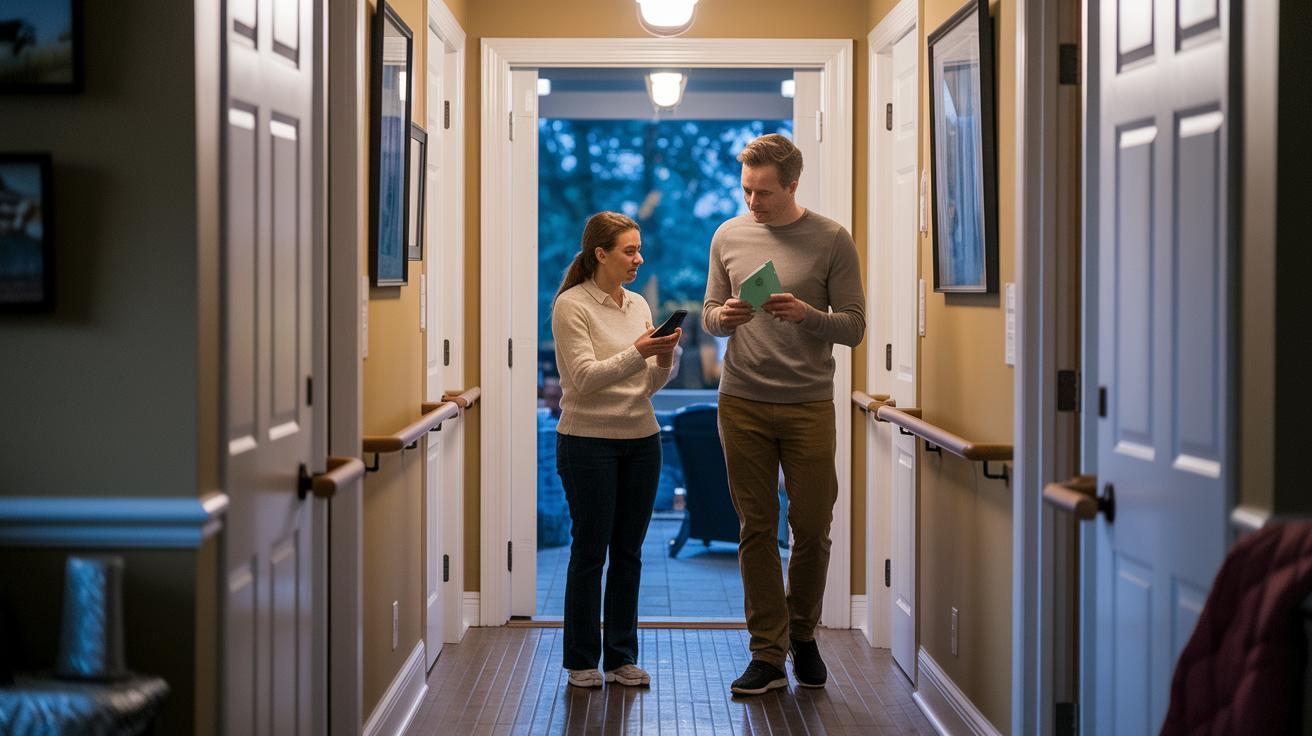
Companions stick to clear safety steps to keep their clients secure. Each evening, they make sure every door is locked, hallways are clear, and alarms work properly. These checks help families feel at ease and can stop accidents before they happen.
They also work to lower the chance of falls by making simple changes at home. For example, companions put in grab bars where needed and remove risks like loose rugs and clutter around walkways. They use a basic checklist to note any hazards or changes during their visits.
Being ready for emergencies is a key part of the role. Companions know who to call and can quickly contact family or emergency services when needed. They can give first aid and keep careful records of any incidents. This quick response ensures seniors get help right away during a crisis.
Ethical care is the foundation of their work. Companions respect the privacy of those they help and work hard to keep clients' dignity intact. They encourage independence and make sure families are kept in the loop. By following strict confidentiality rules, they build and maintain trust in every interaction.
Training and Qualifications for Elder Care Companion Duties
Effective training lays the groundwork for quality elder care. New companions start with an orientation that explains their daily tasks, ethical rules, and communication tips. This clear introduction helps them understand their role and build confidence in their abilities.
Certification programs play a key role in building necessary skills. These programs cover important areas such as guidelines for Alzheimer’s support, care methods for Parkinson’s, and basic emergency response training. They give caregivers the tools to handle challenging situations while ensuring seniors get kind and safe support.
Ongoing professional development is also essential. Many agencies offer regular mentorship and performance reviews so that companions keep their skills sharp. Regular check-ins using care service inspection lists confirm that tasks are done correctly, rules are followed, and client needs are met. These reviews track progress and boost satisfaction.
Key training elements include:
- Clear explanation of daily duties
- Training in ethics and effective communication
- Certification in specialized care areas and emergency management
This structured approach ensures that elder care companions are always prepared to deliver caring, reliable support.
Final Words
In the action of everyday support, elder care companion duties explained highlight the multifaceted role companions play. They provide essential personal care, coordinate meal preparation and health appointments, and offer continuous emotional engagement. Safety measures and rigorous training ensure quality care, respecting seniors' dignity and independence. Each responsibility, from personal tasks to social support, works together to boost emotional well-being and physical safety. This practical, supportive approach inspires confidence and brings hope for improved quality of life.
FAQ
What are companion caregiver duties?
Companion caregiver duties involve assisting seniors with daily tasks like personal care, meal preparation, light housekeeping, and appointment scheduling while providing emotional support and social engagement.
What is companion care pay rate?
The companion care pay rate refers to the hourly wage for nonmedical caregiver roles, which varies based on experience, location, and specific responsibilities, often ranging from $10 to $20 per hour.
What should I include in a companion job description for a resume?
A companion job description for a resume should mention skills in personal care assistance, meal preparation, appointment coordination, light housekeeping, and providing emotional support to promote senior independence.
What is companion care?
Companion care is nonmedical support for seniors that focuses on daily living assistance, social interaction, and health monitoring to enhance independence, safety, and overall emotional well-being.
What are companion caregiver jobs?
Companion caregiver jobs center on providing nonmedical assistance by helping with personal care, meal planning, housekeeping, and emotional support to ensure safe and engaging environments for seniors.
What does companion care for the elderly entail?
Companion care for the elderly entails offering help with daily personal tasks, meal preparation, light housekeeping, and social activities to maintain a safe, comfortable, and connected living space.
What does “paid companion” mean?
A paid companion is a professional caregiver who is compensated for offering nonmedical support, including daily task assistance, personal care, and emotional companionship to seniors.
What is companion care insurance?
Companion care insurance is a policy that protects professional caregivers and clients by covering potential liabilities and risks associated with providing nonmedical support services to seniors.