
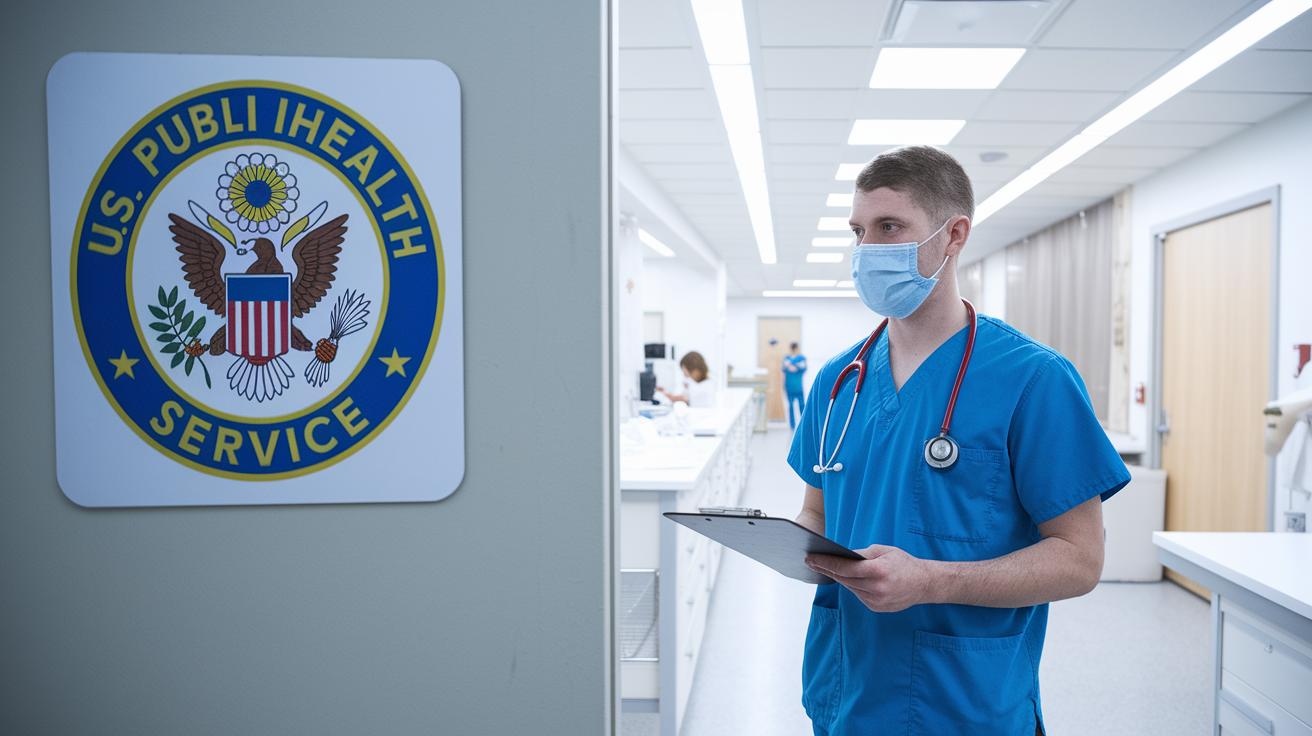

The U.S. Public Health Service (PHS) works hard to keep our communities safe during health emergencies. They organize vaccination drives, handle outbreaks, and work with local leaders to share the facts. With a long history of public service, PHS has built strong policies and partnerships to protect us all. This article looks at their mission and programs, showing how they play a key role in our nation's health.
Understanding the US Public Health Service Mission and Role
The US Public Health Service (PHS) protects and promotes our nation's health. It works to improve health outcomes, prevent illnesses, and keep our systems ready for emergencies. Did you know that years ago, PHS led one of the first nationwide vaccination drives that helped cut down childhood illnesses?
PHS follows federal health policies based on solid research. It partners with state and local health departments and even works with international groups to stay ahead of health challenges. Their work covers key programs, from controlling diseases and managing immunizations to preparing for unexpected health crises.
They support communities by:
- Watching for changes and spotting new health threats.
- Running vaccination programs that protect many people.
- Funding research that guides strong public health policies.
- Sending rapid response teams during outbreaks and disasters.
By working with different groups, PHS supports frontline health workers and makes sure useful health advice reaches every neighborhood. Their efforts help shape policies that meet local needs, whether in big cities or small towns. With programs designed for families, seniors, and underserved communities, PHS strengthens safety and builds trust in public health measures.
Using proven methods and strong partnerships, PHS remains a trusted leader in protecting the wellbeing of every community.
Historical Milestones in the US Public Health Service Evolution

The US Public Health Service got its start in 1798 with the Act for the Relief of Sick and Disabled Seamen. This law aimed to help seafarers during a time when modern healthcare did not exist, offering a vital support system for workers at sea.
In 1889, the Commissioned Corps was established. This group of health professionals was ready to respond during emergencies, paving the way for a coordinated national public health system.
During the 1918 influenza outbreak, PHS officers teamed up with local officials to manage the crisis, gathering important data that would help shape responses to future health emergencies. In the 1950s, the service played a key role in the development of the polio vaccine, which contributed to a notable drop in poliovirus infections.
The Public Health Service Act of 1944 reshaped the agency, expanding its mission. With new authority to address emerging health threats, improve disease control, and support research, PHS was better equipped to protect communities across the nation.
Each of these milestones reflects the service's ongoing commitment to adapting and improving public health care in the face of new challenges.
Organizational Structure of the Public Health Service Commissioned Corps
The Public Health Service Commissioned Corps has about 6,000 officers. They include doctors, nurses, pharmacists, dentists, scientists, engineers, and environmental health specialists. These professionals work in 10 agencies under Health and Human Services, each with its own mission. They hold various ranks and roles to help with daily health challenges and emergency responses.
Officers serve in many areas like preventing disease, ensuring food and drug safety, doing medical research, preparing for emergencies, and reaching out to communities. For example, some focus on tracking illness trends to stop outbreaks, while others work on safe standards for food and medications. This setup makes it easier for experts from one agency to team up with those in another, so everyone can work together to protect public health.
This team approach benefits our nation by combining expert knowledge with practical skills. Clear lines of responsibility help reduce confusion, improve coordination among federal health programs, and allow agencies to share best practices at local, state, and national levels.
| Agency Name | Primary Public Health Focus |
|---|---|
| CDC | Disease surveillance and prevention |
| FDA | Food and drug safety |
| NIH | Biomedical research |
| IHS | Native health services |
| HRSA | Healthcare delivery and funding |
| SAMHSA | Mental and behavioral health |
| ASPR | Emergency preparedness and response |
| ACF | Child and family services |
| CMS | Medicare and Medicaid administration |
| NCHS | Health statistics and surveillance |
By linking roles across these 10 agencies, the Commissioned Corps makes sure that public health policies are guided by expert input and coordinated actions that help every community.
us public health service (PHS) explained: Trusted Impact

PHS runs programs that help keep communities healthy. They work to stop diseases, manage outbreaks, and support health research. For example, the National Immunization Program has been key in lowering illnesses that vaccines prevent. PHS also uses the Behavioral Risk Factor Surveillance System to track everyday health habits. This tool helps experts update guidelines and act fast when new threats show up.
PHS plays a vital role during health emergencies. They quickly gather resources and work with local, state, and global partners. Their rapid-response teams head into affected areas to make sure people get solid health information and prompt care. The work they do during crises also gives clues on how to better prevent future outbreaks.
Key programs under PHS include:
- National immunization campaigns that plan and refine vaccine delivery.
- Surveillance systems that keep an eye on disease trends and overall public health.
- Research projects that support studies to shape health policy.
PHS also funds research that guides policy decisions and boosts readiness. Data from their surveillance systems help shape changes in public health strategies, while partnerships with research groups lead to better ways to prevent disease. Together, these efforts build a strong system where solid research, up-to-date monitoring, and coordinated responses keep our communities safe.
Impact, Emergency Preparedness, and Partnerships of the US Public Health Service
The US Public Health Service keeps our nation safe with tailored emergency plans and quick-response teams that meet local needs, especially for vulnerable groups. During a recent outbreak, responders worked hand in hand with community leaders to set up mobile clinics, providing care and health tips fast. In one case, a mobile clinic served over 200 at-risk residents in less than 24 hours.
PHS joins forces with state, local, and international agencies to deliver coordinated, community-based solutions. This teamwork helps address the unique challenges that underserved populations face, strengthening bonds while ensuring rapid help when needed.
The agency also builds fairness into its emergency plans. Mobile clinics, targeted vaccination drives, and clear health education campaigns make sure lifesaving services reach people who might otherwise be left behind.
Final Words
In the action, we've explored the essential mission and history of the US public health service (PHS) explained through its core functions, key milestones, and organizational structure. We reviewed how PHS has shaped disease prevention, emergency response, and public health programs over time.
This review provides a clear view of how government medical programs improve community well-being. Understanding this legacy can empower individuals to make informed health decisions. Stay positive and stay informed.
FAQ
Q: What do U.S. Public Health Service ranks and pay represent?
A: U.S. Public Health Service ranks show a hierarchy of positions within the Commissioned Corps, and pay is set based on experience, responsibilities, and federal salary guidelines.
Q: What does USPHS at POE mean?
A: USPHS at POE refers to officers stationed at Ports of Entry, where they screen for health risks and support public health readiness at international borders.
Q: Is the Public Health Service a branch of the military?
A: The Public Health Service is a federal uniformed service focused on public health, not a military branch, even though its officers wear uniforms and serve similar to military personnel.
Q: What does the United States Public Health Service do?
A: The United States Public Health Service works to protect and advance public health by preventing disease, managing outbreaks, leading vaccination efforts, and informing health policy.
Q: What is notable about the U.S. Public Health Service uniform?
A: The U.S. Public Health Service uniform is standardized for a professional look and practical duty use, distinguishing its officers within the federal uniformed services.
Q: What is the United States Public Health Service Commissioned Corps?
A: The Commissioned Corps is a team of roughly 6,000 uniformed officers from various health fields who work across federal agencies to deliver public health services and emergency preparedness.
Q: How does the U.S. Public Health Service protect public health?
A: U.S. public health protection is achieved through coordinated disease prevention programs, rapid-response teams, and partnerships with state, local, and international entities to keep communities safe.