


Have you ever thought that what you eat might hold the key to feeling your best? Nutritious meals packed with vitamins, minerals, and other essential nutrients feed your body in a way that processed foods often can’t. By choosing whole fruits, vegetables, lean proteins, and healthy fats, you set yourself up for more energy, a steady weight, and an improved mood. This guide explains how a few simple changes in your meals can brighten your health and help you feel more energetic and happy.
Foundations of Nutrient Dense Meals
Nutrient-dense meals, as defined by the National Cancer Institute and research by Drewnowski (2005 AJCN 82(4):721-732), are foods that deliver a lot of vitamins, minerals, and other good nutrients while keeping calories low. This method focuses on the quality of ingredients rather than just counting calories, emphasizing whole, unprocessed foods. When you build your meals around these ingredients, you not only fuel your body but also support its natural functions, keeping you alert and active all day.
Some key ingredients include:
- Fruits
- Vegetables
- Lean proteins
- Complex carbohydrates
- Nuts and seeds
- Avocados
Using these foods to create your meals helps you enjoy balanced nutrition. Meals formed around these basics can keep your energy levels steady, assist with weight management, and boost overall well-being. When you mix these items into your dishes, you lay the groundwork for better physical performance and an uplifted mood, setting you up to meet each day with a positive outlook.
Essential Ingredients in Nutrient Dense Meals
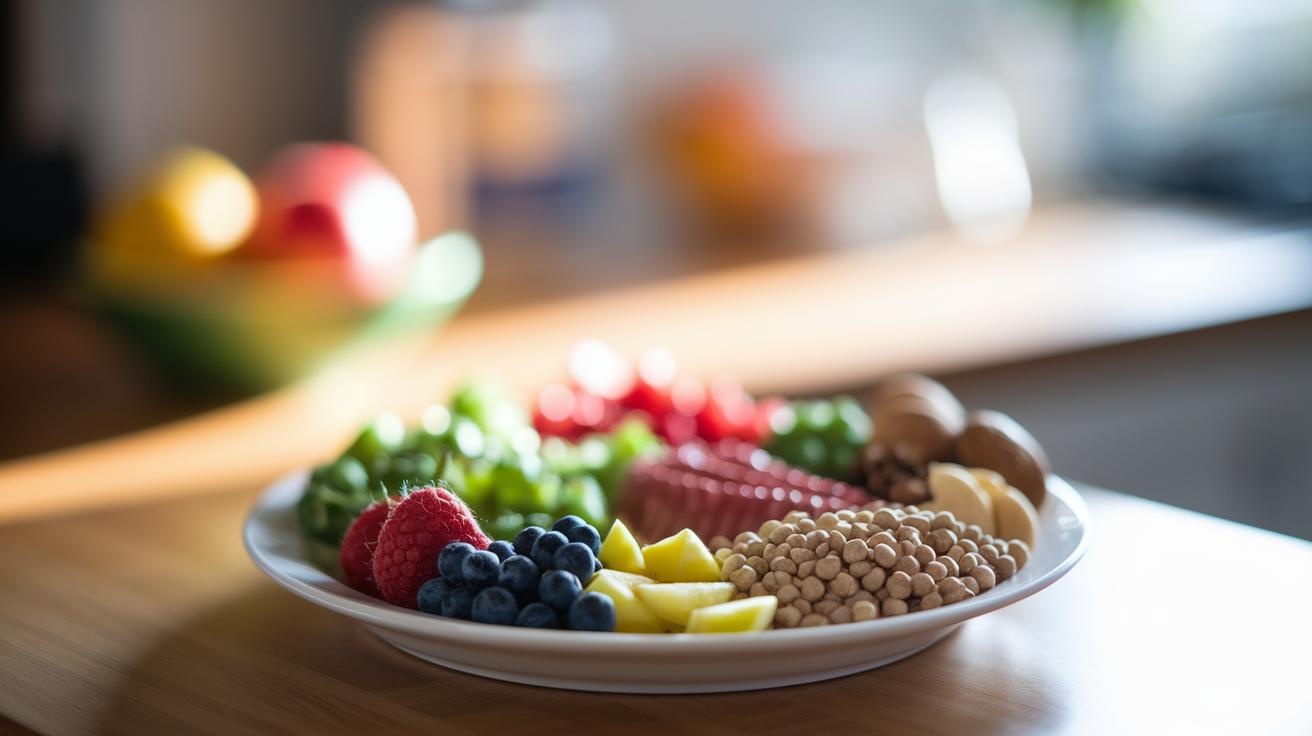
A nutrient dense meal is one that supplies your body with plenty of vitamins, minerals, and other good-for-you elements. Fill your plate with fruits, vegetables, lean proteins, whole grains, and healthy fats such as nuts, seeds, or avocados to keep your body energized and well-nourished. Reviewing your meals can help you spot which food groups are common for you and where you might be missing key nutrition.
| Ingredient | Key Nutrients | Health Benefits |
|---|---|---|
| Fruits | Vitamins A and C; Fiber | Strengthens the immune system and aids digestion |
| Vegetables | Vitamins K and folate; Fiber | Promotes a healthy heart and reduces inflammation |
| Lean Proteins | Protein, Iron, and B vitamins | Builds muscle and helps repair tissues |
| Whole Grains | Fiber, Magnesium, and B vitamins | Provides steady energy and aids in digestion |
| Healthy Fats | Omega-3 and Vitamin E | Supports brain function and heart health |
When planning your meals, try to fill half your plate with fruits and vegetables. Use the rest for lean proteins and whole grains, and add a small portion of healthy fats to finish the plate. For example, a palm-sized serving of protein and about a teaspoon of fat can help
Energizing Nutrient Dense Dinner Recipes
Weeknights can be filled with meals that boost your energy and keep your blood sugar steady. With lean proteins, whole grains, colorful veggies, and healthy fats, these recipes offer plenty of nutrients for quick energy and lasting satisfaction.
Quinoa-Stuffed Bell Peppers
These bell peppers are filled with a mix of quinoa, black beans, tomatoes, and corn. Each bite gives you protein, fiber, and essential vitamins without weighing you down. Start by cutting fresh bell peppers in half, then mix cooked quinoa with black beans, diced tomatoes, and corn. Spoon the mixture back into the pepper halves and bake until the veggies are tender and the flavors come together.
Salmon Buddha Bowl
This bowl brings together seared salmon, brown rice, and a variety of greens to create a balanced and colorful meal. Salmon provides high-quality protein and omega-3 fatty acids, while brown rice and greens add whole grains and vital micronutrients. Cook the salmon until it’s just done, prepare the brown rice separately, and toss mixed greens with a squeeze of lemon. Layer everything together for a meal that looks as good as it tastes.
Chickpea and Spinach Curry
A warm chickpea and spinach curry is both filling and full of flavor. Chickpeas offer protein and fiber, spinach provides iron and vitamins, and tomatoes bring vitamin C to the mix. To make the curry, simmer chickpeas in a lightly spiced tomato broth, then stir in fresh spinach at the end. Serve the curry with a side of whole grain naan to round out this nutrient-packed dish.
Turkey and Sweet Potato Skillet
This skillet dish combines lean turkey, sweet potatoes, red bell peppers, and kale for a hearty, energy-sustaining dinner. Lean turkey supplies the protein, while sweet potatoes give you slow-releasing carbohydrates, and the vegetables add antioxidants and vitamins. Brown the turkey in a large skillet with diced sweet potatoes and chopped red bell peppers and kale. Cook until everything is tender, then finish with a sprinkle of fresh herbs for extra flavor.
For more ideas, check out our healthy eating meal plan.
Strategic Meal Planning for Nutrient Dense Plates

Planning your meals ahead can make your week run smoother and boost your energy. By setting aside a little time each week to plan balanced plates, you'll enjoy a mix of fruits, vegetables, lean proteins, whole grains, and healthy fats at every meal. This simple strategy helps you avoid rushed choices that might not be as good for you. Start by writing down your favorite nutrient-rich foods and planning a grocery list using a healthy eating shopping list. With a bit of planning, you'll feel more energetic, enjoy a better mood, and reduce mealtime stress.
Consider a simple three-day plan to mix things up. For example, on Day 1 you might have a smoothie made with berries, spinach, and Greek yogurt for breakfast; a quinoa salad with mixed vegetables and grilled chicken for lunch; and baked salmon with roasted sweet potatoes and greens for dinner. On Day 2, try overnight oats with fruit in the morning, a warm lentil soup at lunch, and a colorful vegetable stir-fry with tofu for dinner. On Day 3, enjoy a veggie omelet with whole grain toast for breakfast, a turkey wrap with avocado for lunch, and whole wheat pasta tossed with cherry tomatoes, basil, and a sprinkle of parmesan for dinner. This variety keeps your meals interesting and your body well-fueled.
Everyone has unique tastes and nutritional needs. Take a moment to review your current eating habits and notice which food groups appear most often. Then, adjust your portions or add new ingredients so that each meal not only tastes great but also supports your goals for steady energy, weight management, and overall wellness.
Adapting Nutrient Dense Meals for Special Diets
Vegetarian Nutrient Dense Meals
For a vegetarian diet, switch out meat for plant sources like lentils, beans, and tofu. These foods provide plenty of protein and vitamins. Add nutrient-packed greens such as spinach and kale, and serve with whole grains like quinoa or brown rice. Including a handful of nuts or seeds helps add healthy fats along with an array of essential vitamins, minerals, and antioxidants that support energy and overall well-being.
Vegan Superfood Plate Options
Vegan meals can be both colorful and nutritious by focusing on whole, plant-based ingredients. Protein comes from foods like tempeh, chickpeas, and edamame, while fortified nutritional yeast supplies B vitamins. A mix of vibrant fruits and vegetables gives you antioxidants and fiber. Avocado and flaxseeds work well as dairy substitutes, ensuring you get healthy fats and omega fatty acids without animal products.
Gluten-Free Nutrient Combinations
If you avoid gluten, you can build meals around gluten-free grains such as quinoa, millet, or rice. Add lean proteins, whether they come from turkey, fish, or plant alternatives, for a balanced dish. Mixing in a variety of vegetables boosts your intake of vitamins and minerals. A drizzle of olive oil or a few slices of avocado rounds out the meal with healthy fats, making this a safe and nutrient-rich option for those with gluten sensitivities.
Dairy-Free Healthy Meal Ideas
For those on a dairy-free diet, plant-based milks, yogurts, and cheeses made from almonds, cashews, or coconut are great alternatives. Many of these products are fortified with calcium and vitamin D to help support bone health. Combine them with a variety of fruits, vegetables, and whole grains to create a balanced meal that gives you energy and meets your nutritional needs.
Across all these meal options, the focus is on high-quality ingredients that work with your specific dietary needs. This helps ensure you enjoy balanced nutrition, steady energy, and overall good health.
Budget-Friendly Strategies for Nutrient Dense Cooking

Smart shopping can change the way you cook healthy meals without spending a lot. When prices rise, try using dried beans instead of canned ones or pick frozen vegetables over fresh. Look for deals at your local store and plan your meals to avoid extra purchases. For example, in-season fruits and vegetables are often cheaper and full of vitamins. Checking weekly flyers and making a clear grocery list can help you choose foods that add nutrition without costing more.
Another idea is to focus on seasonal produce and cook in batches. Buying fruits and vegetables when there's plenty around means you get more nutrients for less money. Cooking meals in large amounts lets you save time on busy days, too. A good example is making one big pot of vegetable stew and dividing it into portions for the week.
These practical tips can help you keep your meals nutritious and your grocery bills manageable.
Final Words
In the action, we reviewed how nutrient dense meals pack vital nutrients while keeping calories low. The article broke down key ingredients, creative dinner recipes, and meal planning tips for everyday health.
We also showed ways to adapt these dishes for special diets and manage cooking on a budget. Each section offered simple steps to help you build balanced plates and fuel your body right.
Keep exploring nutrient dense meals and enjoy the benefits of more energy and better overall wellness.