


Have you ever felt like you might be missing important details in your medication’s package insert? Many people quickly skim these documents without realizing they hold key safety and usage information.
Every section, from dosage instructions to safety warnings, is there to help you use your medication correctly. In this article, we break the FDA package insert into easy-to-understand parts so you can confidently follow its guidance. Our goal is to clear up any confusion and support you in making informed health decisions.
Overview of Key Sections in an FDA Package Insert
FDA package inserts follow strict rules set by the Federal Food, Drug, and Cosmetic Act and 21 CFR Part 201. These rules ensure that every medication comes with clear and standard information. This helps users understand what the drug is for, how to take it correctly, and what risks might be involved.
Each package insert is organized into distinct sections. Manufacturers use specific headings like dosage instructions and safety warnings so that patients and healthcare providers can quickly find the necessary details. This organized format supports safe use, minimizes errors, and helps everyone make informed decisions.
| Section | Description |
|---|---|
| Indications | Explains what the drug is used for and the conditions it treats |
| Dosage & Administration | Provides details on how much to take, the delivery method, and how often |
| Warnings & Precautions | Lists safety concerns and possible risks related to the medication |
| Adverse Reactions | Documents side effects observed during clinical tests |
| Special Populations & Contraindications | Highlights any adjustments needed or situations where the drug shouldn’t be used |
| Storage & Disposal | Explains the proper way to store and dispose of the medication |
This clear layout allows both patients and clinicians to quickly access critical information about a medication, from dosage to potential side effects. By knowing exactly where to find these details, everyone can use treatments more safely and confidently.
Reading Dosage and Administration Guidelines in FDA Package Inserts

This section explains how to use your medication safely. It tells you the exact amount to take (in mg or mL), the route of administration (for example, by mouth or through an IV), the frequency (such as once daily or every 8 hours), and the length of time you should take it. For instance, an insert might state, "Take 10 mg once daily" so you know exactly what to do.
When reading this section, pay close attention to the unit measurements and timing tables. These tables list quick, clear numbers with standard units, making it easy to match the guidance with your prescription. They also indicate whether you should take the medication with food or on an empty stomach, so you can plan your day accordingly.
There are also extra instructions for children, older adults, and people with kidney (renal) or liver (hepatic) problems. If you see a note about adjusting the dose for these conditions or if your prescription seems different from what's printed, be sure to talk with your healthcare provider.
Interpreting Warnings, Side Effects, and Contraindications in FDA Package Inserts
FDA-approved drug labels include sections that explain any risks. These sections share details from clinical studies about side effects and other concerns. The FDA requires this information so patients and clinicians know what to look out for when using a medicine.
Side Effects
- Nausea
- Headache
- Dizziness
- Rash
- Diarrhea
- Elevated liver enzymes
This list shows some of the common reactions seen in studies. The insert explains how often these effects may occur and their intensity, which helps you understand what might happen and how likely it is.
Contraindications
- Severe kidney problems
- Known allergies to the drug
- Use with MAO inhibitors
- Breastfeeding
- Children under 2 years old
These points highlight situations where the drug should not be used. It is important to separate this information from side effects so that patients, doctors, and regulators can make informed choices about using the medication.
If you think any of these warnings, side effects, or contraindications might apply to you, please speak with a healthcare provider. They can help you weigh the benefits and risks based on your personal health history.
Understanding Storage, Handling, and Disposal Instructions in FDA Package Inserts
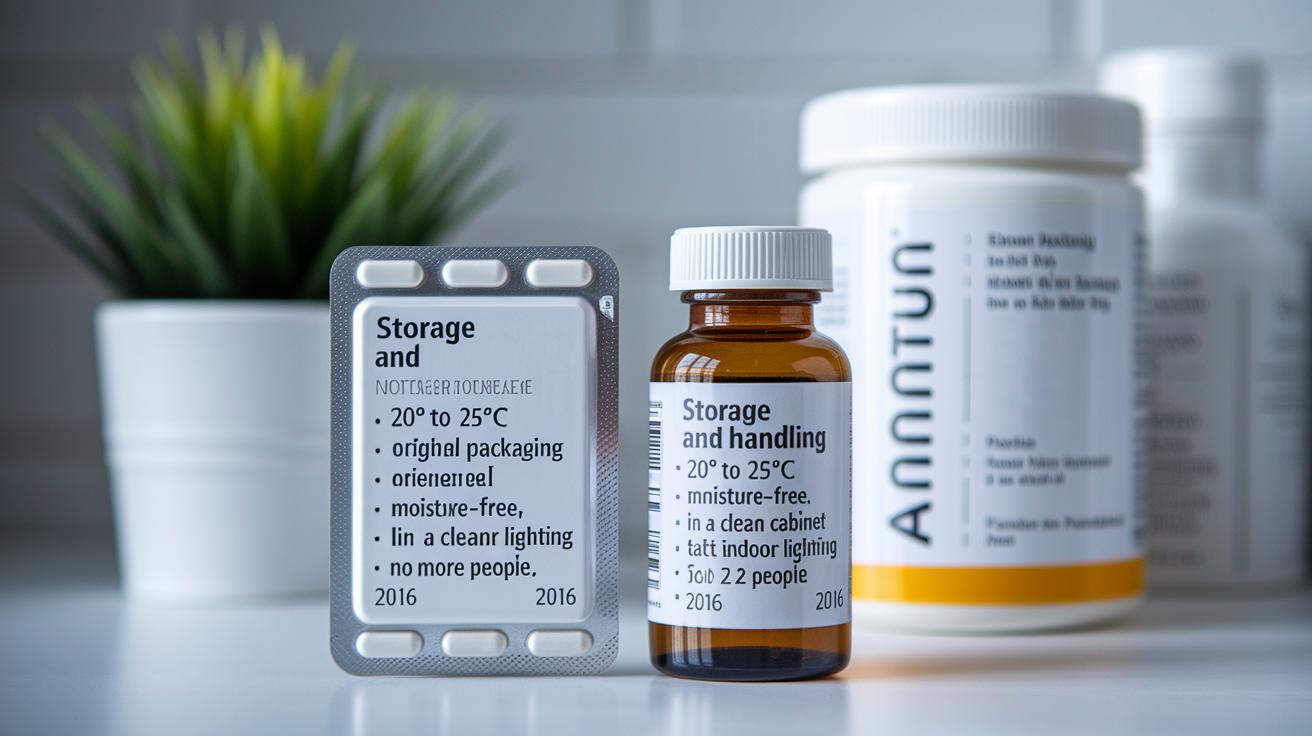
FDA package inserts include a section called "Storage and Handling" that tells you how to keep your medication safe. This section explains the best temperature range, often 20°C to 25°C, and advises you to keep your medicine in its original package. It also warns against exposing the drug to extra moisture. Following these instructions helps ensure your medication stays potent until its expiration date, which is printed in month/year format.
The insert also provides tips on how to dispose of unused medication. It suggests using local pharmacy take-back services or household hazardous waste programs. These guidelines help prevent harmful chemicals from affecting the environment when the medication is thrown away. Using the safe-drop locations mentioned in the instructions can reduce the risks linked to improper disposal.
Decoding Legal and Regulatory Statements in FDA Package Inserts
FDA package inserts list rules found in the Federal Food, Drug, and Cosmetic Act (FDCA) and Title 21 CFR Part 201. This shows that the drug label and safety details follow government standards. For example, one insert might state that it meets FDCA guidelines, meaning the drug was reviewed under strict federal rules.
These inserts also include statements about current Good Manufacturing Practice (cGMP) and note that the FDA has inspected the facilities where the drug is made. This tells you the medication was produced under safe and controlled conditions. You might also find details about patents or exclusivity status, which means the manufacturer legally holds the right to market the drug with its current label.
Not meeting these standards can have serious outcomes. If a drug deviates from these rules, it could trigger FDA warning letters, product recalls, and higher legal costs. This section highlights that following these regulatory rules is not only required by law but is also key to protecting public health.
Tips and Tools for Effective Reading of FDA Package Inserts

When you read FDA package inserts, it helps to underline important words and check a glossary or FDA online dictionary for words you do not know. Doing this makes it easier to understand tricky medical or regulatory terms. For example, mark words like "contraindications" so you can review their meanings later.
Using digital tools can also simplify the process. Many mobile apps and pharmacy websites break down key sections of package inserts. These tools highlight dosage instructions, side effects, and warnings so you can quickly review the most important information.
If any wording seems unclear, talking with a healthcare professional is a smart move. You can ask your pharmacist or prescriber for help to make sure you fully understand how to use your medication safely. This additional discussion builds your confidence and helps you use your medicine correctly.
Final Words
In the action, this article walked through the structure of FDA package inserts: covering everything from intended use to dosing, safety warnings, storage instructions, and legal statements. It explained key details and shared clear tips and tools to help read these documents confidently. The aim is to empower both patients and caregivers to quickly find the information they need. Remember, using FDA package inserts: how to read them can guide safer health decisions and spark positive conversations with your healthcare provider.
FAQ
Frequently Asked Questions
What is the FDA package insert?
The FDA package insert provides approved drug details including usage, dosage, safety warnings, and side effects to help patients and clinicians use medications safely.
What is a patient package insert example?
A patient package insert example outlines key drug information in plain language, detailing instructions, potential side effects, and proper storage directions for easy understanding.
How do you search for an FDA package insert?
Searching for an FDA package insert involves using the FDA website or trusted databases. Enter the drug name or active ingredient to quickly locate standardized label information.
What are the FDA package insert guidelines?
The FDA package insert guidelines require clear sections for indications, dosage, cautions, side effects, special populations, and storage directions to ensure reliable and safe patient information.
What is included in the FDA Medication Guide list?
The FDA Medication Guide list includes approved patient-friendly documents that provide safety details, dosing instructions, and important warnings to guide proper drug use.
What is the difference between prescribing information and a package insert?
Prescribing information offers detailed clinical data for healthcare professionals, while the package insert presents simplified, patient-focused guidance on dosing, warnings, and safe usage.
What are the seven parts of a drug label in an FDA package insert?
The seven parts of a drug label typically include indications, dosage and administration, warnings, adverse reactions, contraindications, special populations, and storage guidelines for proper use.
What is listed at the beginning of a package insert?
At the beginning of a package insert, you will find the drug name, active ingredients, dosage form, and manufacturer details, setting the stage for the complete label information.
What information is found in a package insert?
A package insert contains details on how a drug is used, dosing instructions, safety warnings, reported side effects, contraindications, and storage guidelines to ensure safe medication use.
How do you read an FDA drug label?
Reading an FDA drug label involves reviewing section headers for dosage, warnings, administration, and storage details, which helps clarify how and when to use the medication correctly.
What does “take 1 three times a day” mean?
“Take 1 three times a day” means you should use one tablet or unit at three separate times during the day, helping maintain consistent medication levels in your body.