


Have you ever wondered if what you eat can help build strength during pregnancy? Many expecting moms now choose foods rich in nutrients to support their own health and their baby's growth. Simple meals that include lean proteins, fresh vegetables, and whole grains can help your cells grow, boost your energy, and keep you feeling well. These balanced choices might even ease some common pregnancy worries while keeping your meals interesting.
Read on to learn which food choices can help you feel your best and support your growing baby.
Must-Have Nutrient-Dense Foods for Pregnancy Spark Joyful Wellness
Eating foods rich in nutrients is important during pregnancy. A balanced diet with lean proteins, healthy fats, whole grains, fruits, and vegetables gives you the vitamins and minerals needed for your wellbeing and your baby's growth. These foods help build cells, keep energy levels up, and support overall development.
Reaching daily nutrient goals matters. For example, aim for 27 mg of iron, 450 mg of choline, and 1,000 mg of calcium daily. Foods like leafy greens, legumes, eggs, low-fat dairy, and low-mercury seafood can help meet these needs. This variety not only stops nutritional gaps but also fuels the extra energy your body needs.
| Food | Key Nutrients |
|---|---|
| Leafy Greens | Folic acid, calcium, iron |
| Broccoli | Fiber, vitamins, antioxidants |
| Legumes | Protein, iron |
| Eggs | Protein, choline |
| Low-Fat Dairy | Calcium, protein |
| Low-Mercury Seafood | Omega-3s, iodine, choline |
Making these foods part of your daily meals can be quick and fun. You might blend a handful of spinach into a smoothie, serve a poached egg on whole-grain toast, or enjoy grilled salmon with a side of steamed broccoli. Mixing up recipes and meal plans can help keep your pregnancy diet both nutritious and tasty.
Key Prenatal Nutrients in Nutrient-Dense Foods

A balanced intake of vitamins and minerals supports everyday body functions and helps cells grow properly. Recent research shows that these nutrients influence cell growth and overall development, from energy production to brain structure.
Folate is crucial for cell division and the formation of the neural tube. Studies highlight that getting enough folate can improve the process that turns genes on and off. Iron, on the other hand, helps carry oxygen in the blood and supports energy production. Eating iron-rich foods such as beans or lean meats with vitamin C sources, like citrus fruit in a spinach salad, can boost iron absorption.
Calcium plays an important role in cell communication and strengthens bones. Choline helps build cell membranes and supports brain health, with some studies suggesting it may also affect gene activity. Iodine is needed for a healthy thyroid, which in turn supports metabolism and proper brain development. Combining foods like eggs, leafy greens, and low-mercury seafood such as salmon can effectively deliver these key nutrients.
| Nutrient | Role in Development | Best Food Sources | Practical Absorption Tip |
|---|---|---|---|
| Folate | Supports cell division and neural tube formation | Leafy greens, legumes, fortified grains | Include a source of vitamin C to increase bioavailability |
| Iron | Enables oxygen transport and energy production | Legumes, lean meats, fortified grains | Pair with citrus fruits to improve absorption |
| Calcium | Facilitates cell signaling and bone development | Dairy products, leafy greens | Consume with foods high in vitamin D for better uptake |
| Choline | Aids cell membrane formation and brain development | Eggs, lean meats | Combine with a balanced diet to support epigenetic regulation |
| Iodine | Supports thyroid function which is crucial for metabolism | Low-mercury seafood, dairy | Ensure regular intake to maintain steady thyroid activity |
These nutrients do more than help the baby grow; they also support the mother's overall cellular health. A diet rich in these foods can make a big difference during pregnancy.
Trimester-Specific Nutrient Plans for Pregnancy
Early Pregnancy Nutrient Focus
In early pregnancy, eating foods rich in folate can be very helpful. Leafy greens like spinach and romaine support the baby's neural tube development. Legumes such as chickpeas, lentils, and beans add iron, which helps fight off anemia. Eggs and lean meats offer choline, a nutrient important for the baby's brain and spinal cord growth. In short, nourishing foods at this stage lay a solid foundation for cell growth.
Mid-Pregnancy Nutrition Adjustments
Mid-pregnancy brings new nutritional needs. Strong bones and teeth depend on calcium and vitamin D, so low-fat dairy and fortified plant milks are great options. Lean proteins from eggs, chicken, or fish boost muscle and tissue development. Whole grains supply magnesium, which supports nerve and muscle function. This balanced diet helps keep energy high while meeting both the mother's and baby's needs.
Late Pregnancy Nutrient Considerations
Late in pregnancy, keeping up iron levels is key because the body produces more blood. Whole grains and fruits not only add fiber for better digestion but also support overall health. Healthy fats from avocados and nuts can aid the baby's brain development and tissue growth. At this stage, steady nutrient intake helps reduce fatigue and prepares the body for delivery.
A varied diet during all three trimesters is about choosing whole foods that supply vital vitamins and minerals without simply increasing portion sizes. Combining leafy greens, lean proteins, dairy, whole grains, fruits, and healthy fats supports the mother's health and helps the baby grow strong.
Practical Meal Prep Tips for Nutrient-Dense Pregnancy Diet

Planning your meals ahead can ease stress and save time when you are pregnant. Cooking a large batch of ingredients like quinoa and roasted vegetables lets you simply add different proteins later in the week. This tactic helps you stick to a nutritious plan while reducing daily cooking effort.
Creating balanced meals is important for meeting your pregnancy nutritional needs. Start your morning with a breakfast that pairs proteins and healthy fats, such as eggs with avocado on whole-grain toast. At lunch and dinner, include lean proteins like chicken or salmon alongside lots of vegetables and whole grains such as sweet potatoes or brown rice. These meals offer energy and nutrients to support both you and your growing baby.
Keeping leftovers safely can add variety to your diet without wasting food. Let hot dishes cool down before placing them in airtight containers, and label each one with the date and its contents. Rotating these meals can increase convenience and consistency. For more ideas, check out tips for healthy eating habits on the source website.
Let your menu evolve as your cravings and nutritional needs change. Try seasonal produce and explore new recipes to keep your weekly plan exciting. For more inspiration, visit the healthy eating meal plan page.
Safe Food Practices and Debunking Nutrition Myths in Pregnancy
When you're pregnant, taking care with food is extra important. Cooking food well and choosing good ingredients helps lower the risk of getting sick from harmful bacteria. Trusted advice can also ensure you get the nutrients you need.
Certain foods can carry germs that might harm your baby. For example, avoid high-mercury fish like swordfish, shark, and mackerel because the toxins in these fish can affect your baby’s growth. Soft cheeses and deli meats may have a risk of listeria unless they are thoroughly cooked or made from pasteurized milk. Also, raw eggs or undercooked meats can expose you to salmonella during pregnancy.
Instead, switch to safer choices that still pack a nutritional punch. Low-mercury seafood like salmon and sardines provides heart-healthy omega-3 fats with less risk of mercury exposure. Choose dairy products made from pasteurized milk and opt for meats that are well-cooked rather than raw. Focusing on whole foods and reliable cooking methods is a good way to keep both you and your baby safe.
Following trusted nutrition tips can help you plan a diet that supports a healthy, safe pregnancy.
Creative Nutrient-Boosting Recipe Ideas for Expectant Mothers
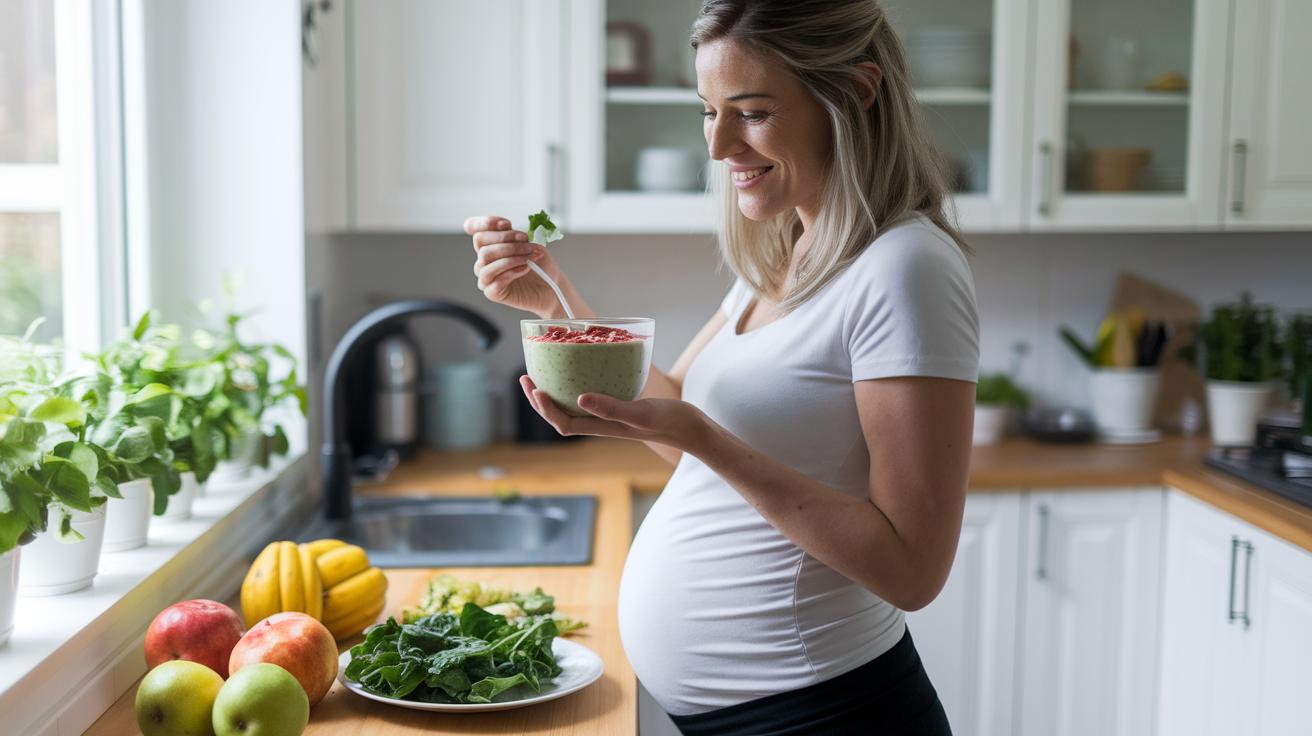
Expecting mothers can enjoy meals that boost essential nutrients without sacrificing flavor. Here are some friendly ideas to help you stay energized and supported during pregnancy.
Nutrient-Dense Smoothies
A quick smoothie is a great way to fuel your body. Try blending half a banana (for potassium), a handful of berries (for vitamin C and antioxidants), and plenty of leafy greens (for folate, which supports cell growth). For extra protein and creaminess, stir in some Greek yogurt. Add a splash of water or milk until you reach the texture you like.
High-Protein Snack Ideas
Snacks can be both tasty and nutritious. Homemade nut bars or bites mix nuts, seeds, and dried fruit to give you protein, healthy fats, and iron. You can also enjoy avocado toast on whole-grain bread for its monounsaturated fats, fiber, and vitamin E. Another easy option is a yogurt parfait made with Greek yogurt, berries, and a sprinkle of granola, which delivers calcium, probiotics, and antioxidants.
Mixing up your recipes throughout the week not only keeps mealtime interesting but also helps you get a variety of important nutrients for you and your baby. Experiment with different combinations and flavors to find what works best for your taste and nutritional needs.
Final Words
In the action, this post outlined fresh ideas for a balanced pregnancy diet that supports both mother and baby. It highlighted nutrient dense foods for pregnancy by detailing essential vitamins, minerals, and healthy fats.
We explored trimester-specific nutrition, smart meal prep tips, and safe food practices. Creative recipe suggestions rounded off practical strategies to keep meals diverse and appealing.
Stick with these guidelines to feel confident in your daily choices. Enjoy experimenting with simple, wholesome foods as you support your growing family.
FAQ
1 to 3 month pregnancy diet chart
The 1 to 3 month pregnancy diet chart refers to an early pregnancy meal plan that emphasizes foods rich in folate, iron, and protein. It typically includes fresh fruits, leafy greens, lean proteins, and whole grains.
Nutrient dense foods for pregnancy third trimester
The nutrient dense foods for the third trimester are those loaded with vitamins and minerals needed for rapid fetal growth. They usually include lean proteins, dairy products, whole grains, fruits, and vegetables.
Nutrient dense foods for pregnancy first trimester
The nutrient dense foods for the first trimester are essential for early fetal development. They feature high-folate leafy greens, legumes, lean proteins, and healthy fats, ensuring key nutrients are supplied during embryonic growth.
Nutrient dense foods for pregnancy second trimester
The nutrient dense foods for the second trimester focus on sustaining maternal energy and fetal development. This plan often includes dairy, lean proteins, fiber-rich fruits, and vegetables to provide continuous nourishment.
Nutrient dense foods for pregnancy nhs
The NHS-recommended nutrient dense foods for pregnancy include a balanced mix of fruits, vegetables, whole grains, lean proteins, and dairy. These foods foster healthy fetal growth and support maternal well-being.
7 to 9 month pregnancy diet chart
The 7 to 9 month pregnancy diet chart outlines a late-pregnancy meal plan that emphasizes iron, calcium, and protein-rich foods. It often features dairy, lean meats, and whole grains to prepare for birth.
Importance of nutrition during pregnancy
The importance of nutrition during pregnancy lies in its role in supporting fetal development and maternal health. A balanced diet supplies essential vitamins, minerals, and energy needed for optimal growth and well-being.
4 to 6 month pregnancy diet chart
The 4 to 6 month pregnancy diet chart indicates a mid-pregnancy meal plan that targets increased needs for calcium, vitamin D, and protein. It typically includes dairy, lean meats, whole grains, and a variety of fruits and vegetables.
What are the nutrient dense foods for pregnancy?
The nutrient dense foods for pregnancy are those packed with vital vitamins and minerals. Common examples are leafy greens, legumes, lean proteins, dairy, and low-mercury seafood, all of which deliver concentrated nutritional benefits.
What are the super foods for pregnancy?
The super foods for pregnancy are options that offer an extra boost of essential nutrients like folate, iron, and calcium. Typical examples include spinach, eggs, berries, yogurt, and low-mercury fish.
What to eat to improve pregnancy?
To improve pregnancy, focus on eating a variety of nutrient-rich foods such as lean meats, whole grains, fruits, and vegetables. These food choices provide essential vitamins and minerals for fetal development and maternal health.
What are 5 foods to avoid while pregnant?
The five foods to avoid during pregnancy include high-mercury fish, unpasteurized dairy, raw eggs, deli meats without proper heating, and undercooked proteins. Avoiding these helps reduce risks like mercury exposure, listeria, and salmonella.