


Anxiety can feel like a storm that traps you. But help is closer than you think. This article shares simple tips that offer both quick relief and long-lasting calm. You'll learn immediate techniques like deep breathing to settle your body and longer-term methods to adjust your stress response. By trying these everyday practices, you can build a set of tools for brighter, calmer days. Let's explore how small, mindful actions can ease anxiety and guide you toward a more peaceful life.
Proven Anxiety Relief Techniques for Immediate and Long-Term Calm
When anxiety strikes, some techniques can ease your stress quickly while others help build lasting calm. Quick relief methods tap into the body's natural relaxation system. For example, picturing a kind friend or petting a soft animal can send your mind off worry by engaging the vagus nerve. In contrast, long-term strategies work by gradually changing how your body handles stress hormones through the HPA-axis.
Some steps are meant to soothe you in the moment, while regular practice of others can improve your overall mood and stress control. Simple actions like saying kind things to yourself or imagining a peaceful place offer immediate comfort. Meanwhile, planning an enjoyable activity or keeping a gratitude journal sets up a nurturing environment for ongoing wellness. Techniques such as the 5-4-3-2-1 Coping Technique or the “Hand on Heart” method can provide both quick relief and help build positive mental habits.
- Box breathing for slow, steady breaths
- Progressive muscle relaxation to ease body tension
- Grounding methods like the 5-4-3-2-1 technique to bring focus to your senses
- Mindfulness meditation for vivid, positive images and self-kindness
- Yoga to combine controlled breathing with gentle stretching
Keeping a simple log of which techniques work best can make a big difference. By noting what helps during stressful times, you can tailor your strategy and see your progress over time. Combining quick fixes with regular practices builds a stronger defense against anxiety and helps you adjust your approach as your needs change.
Quick Anxiety Calming Methods: Deep Breathing and Breath Control

Slow, steady breathing kicks your body's natural calm response into gear. Techniques like 4-7-8 breathing and box breathing help slow your heart and ease tension. They work fast and are simple enough to use during a busy day or as part of a daily routine.
Box Breathing
- Breathe in slowly for 4 seconds.
- Hold your breath for 4 seconds.
- Breathe out slowly for 4 seconds.
- Pause for 4 seconds before the next breath.
4-7-8 Breathing
- Breathe in slowly for 4 seconds.
- Hold for 7 seconds.
- Breathe out slowly for 8 seconds.
- Keep repeating this cycle.
These breathing techniques can help when anxiety levels are high or as a regular way to stay calm. For instance, if you feel stressed at work, try a few cycles of box breathing to clear your mind and ease your body. With regular practice, these simple methods become a quick and reliable tool for managing anxiety.
Grounding Techniques for Fast Anxiety Relief
Grounding techniques help you move your focus from anxious thoughts to what’s happening right now. They use your main senses to break the cycle of worry and ease your body's stress response.
Try this simple 5-4-3-2-1 exercise:
- Notice 5 things you see.
- Feel 4 things around you.
- Listen for 3 sounds.
- Smell 2 scents.
- Taste 1 flavor.
Another useful method is the hand-on-heart technique. Place one hand gently over your heart and take slow, deep breaths. As you feel the warmth and steady beat, say a calming phrase like "I am safe" or "I am calm" to remind yourself that you are okay.
Practice these techniques when you are relaxed so you can learn how your body responds. With regular use, they become easier to deploy in stressful times and help keep your mood steady.
Mindfulness Meditation Techniques to Ease Anxiety
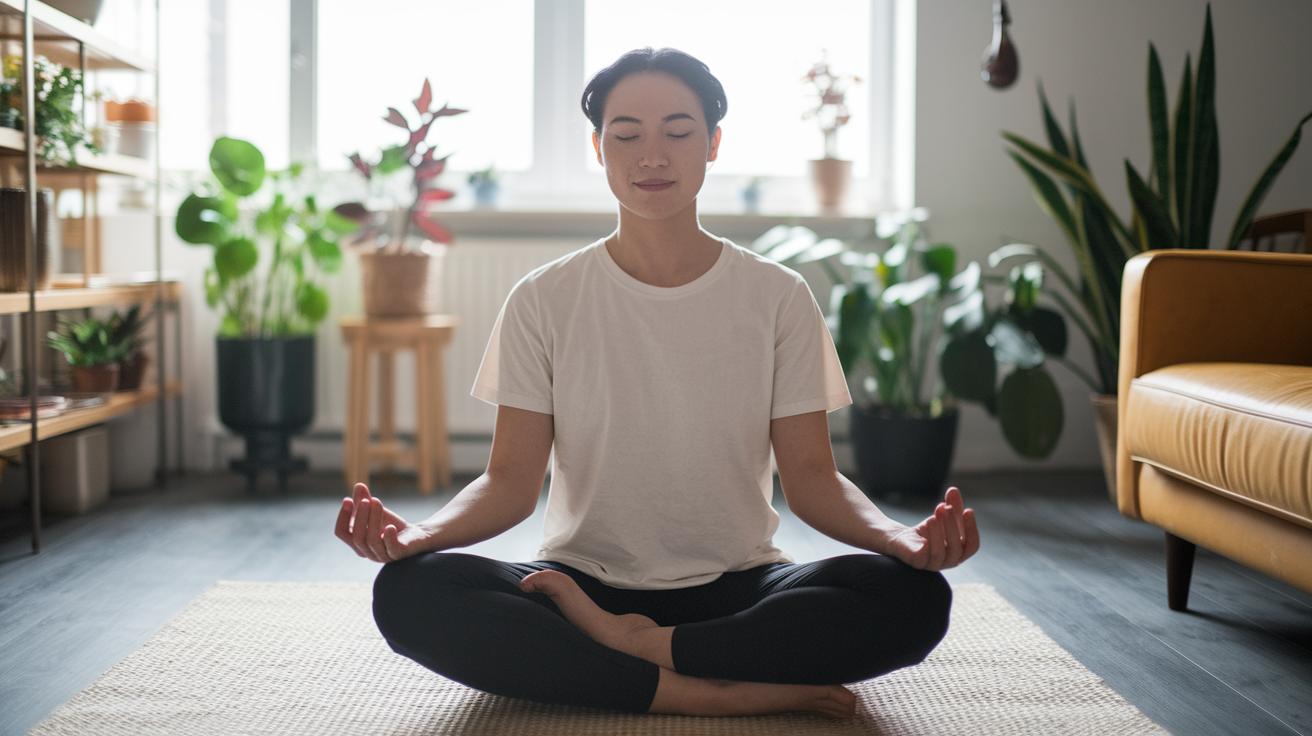
Meditation can help shift your mind from stress to calm by encouraging slower, more thoughtful patterns. Researchers have found that when you focus on comforting images, like a caring face or a peaceful scene, it can change the way your brain handles stress. This gentle focus taps into your brain's natural reward system, calms the stress response, and builds strong mental pathways that support self-kindness and safety.
Imagining positive scenes during meditation may also help your body relax. Think of a warm hug or a memory of kindness; these images can lower your heart rate and ease physical tension. They send signals to your nervous system that help quiet racing thoughts and give you a sense of control during tough times.
Loving-Kindness Visualization
- Picture the face of someone you hold dear.
- Gently repeat phrases like "May I be safe" and "May I be at ease."
- Notice the warmth and calm spreading through your body.
Mindful Music Listening
- Choose a piece of soothing music.
- Focus on each note and word.
- Notice how the sounds help your body relax and slow down your thoughts.
Spending just 5–10 minutes a day on these practices can gradually build a sense of inner calm. Whether you visualize a supportive presence or focus on gentle music, regular meditation can help create new habits to manage stress more easily over time.
Progressive Muscle Relaxation and Yoga for Anxiety and Stress
Using simple physical techniques can help ease anxiety by releasing tension stored in your muscles. Both methods involve mindful movement that may quiet your mind and reduce physical stress.
Progressive Muscle Relaxation
This technique has you intentionally tighten and then relax major muscle groups. First, squeeze a group of muscles, such as those in your arms, shoulders, or legs, for 5 to 10 seconds. Then slowly let go and feel the change. Doing this can help you notice where you tend to hold tension, so you know which spots to relax when stress builds up. For example, if you tense your thighs and then release, you might feel a burst of calm that eases your stress.
Yoga for Anxiety Relief
Yoga pairs gentle movement with mindful breathing to connect your body and mind. A simple sequence of five poses includes:
- Child’s Pose: Provides a soft stretch and calms the mind.
- Cat-Cow: Warms up the spine and promotes smooth movement.
- Forward Fold: Helps relax the back and soothe the nervous system.
- Legs Up the Wall: Encourages better circulation and eases fatigue.
- Savasana: Ends the session with deep relaxation and stress relief.
| Technique | Duration | Primary Benefit |
|---|---|---|
| Progressive Muscle Relaxation | 10-15 minutes | Reduces muscle tension and lowers anxiety |
| Yoga Sequence | 15-20 minutes | Improves flexibility and promotes mental calm |
Practicing these methods regularly lets you adjust your routine step by step. Over time, you can blend physical release with a calmer state of mind.
Natural Home Remedies and Lifestyle Adjustments for Anxiety Relief
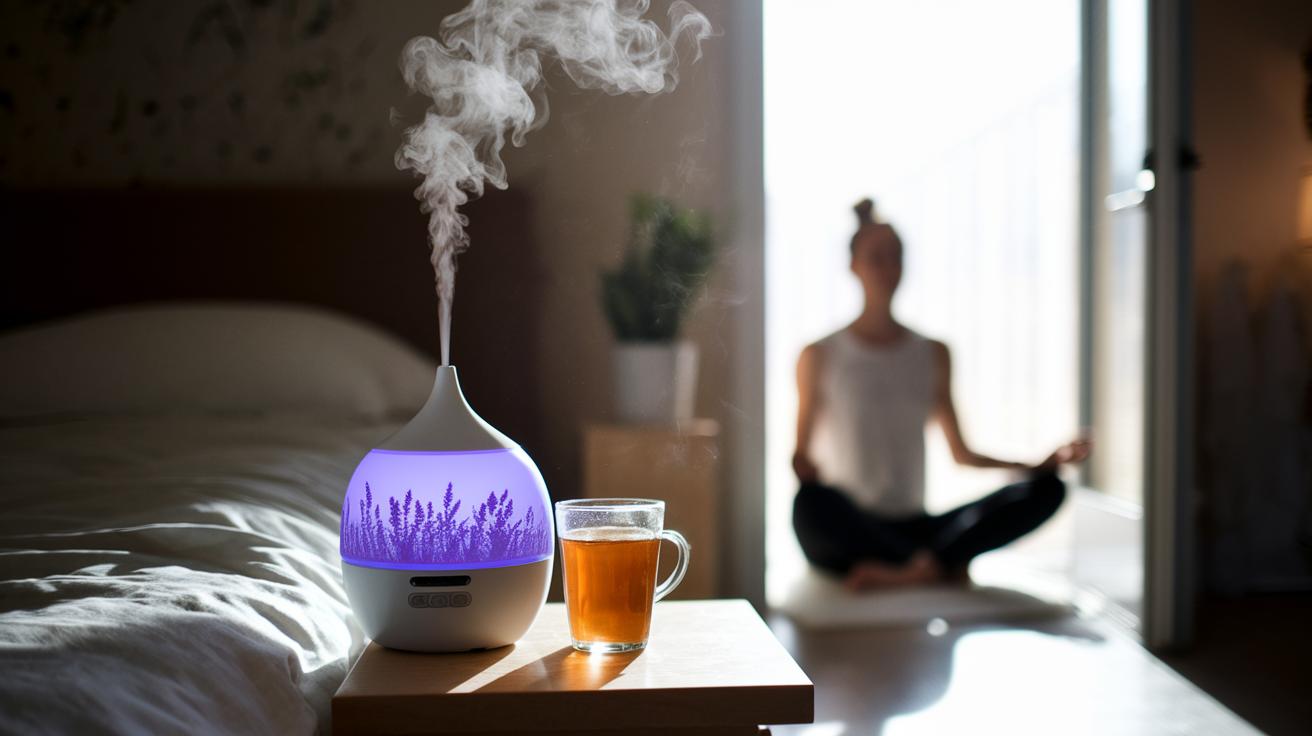
Low-cost methods can help you feel more relaxed by adding simple, natural techniques to your routine. Many people find that using essential oils like lavender or chamomile can create a calm space. For example, diffusing chamomile oil might ease anxious thoughts. Drinking herbal teas such as chamomile or passionflower also provides a warm, soothing ritual that helps break the cycle of worry.
Changing your bedtime habits is another practical step. Stick to a regular sleep schedule, cut back on screen time before bed, and keep your bedroom cool and dark. One person noted, "After turning off screens an hour before bed and dimming the lights, I found it easier to drift off to sleep."
By mixing these simple methods, you can create a personal routine that supports a more balanced, stress-free lifestyle.
Final Words
In the action, the article broke down immediate and long-term methods for easing anxiety. It explained how practices like controlled breathing and grounding work with our body’s systems to calm the mind.
The discussion highlighted practical techniques such as mindfulness meditation, muscle relaxation, and simple natural strategies. These anxiety relief techniques can be adjusted to fit your daily routine.
Keep a regular practice to track progress and personalize your approach. A steady effort can make a real difference and lead to a more relaxed, confident life.
FAQ
What anxiety relief products exist?
The anxiety relief products include items like weighted blankets, essential oil diffusers, stress balls, and soothing teas that help create a calm environment and support your relaxation.
How to reduce anxiety immediately?
Reducing anxiety immediately can involve using deep breathing, grounding exercises, and short mindfulness practices to shift focus and calm your nervous system quickly when stress arises.
How to reduce anxiety immediately at home?
Reducing anxiety at home means employing simple techniques such as deep breathing, gentle stretching, and using a favorite comforting object to help ease the immediate symptoms of stress.
What are ways to calm an anxiety attack?
Calming an anxiety attack may involve slowing your breath, gently grounding yourself by focusing on details around you, and softly repeating a reassuring phrase to lower the intensity of your fear.
How to deal with anxiety when alone?
Dealing with anxiety when alone can involve practicing soothing techniques like deep, controlled breathing, engaging in a comforting activity, or listening to calming music to create a sense of security.
How to relieve stress quickly?
Relieving stress quickly can be achieved through fast-acting methods like box breathing, a brief walk, or a grounding exercise that helps shift your focus away from stressors right in the moment.
What foods reduce anxiety fast?
Foods that reduce anxiety fast may include those rich in magnesium and omega-3 fatty acids, such as spinach, salmon, and walnuts, which help support a balanced mood and calm your mind.
How to stop anxiety thoughts?
Stopping anxiety thoughts involves acknowledging them and gently redirecting your focus with grounding techniques, deep breathing, or engaging in another activity that fully captures your attention.
What is the 3 3 3 rule for anxiety?
The 3 3 3 rule for anxiety is a grounding strategy that asks you to identify three things you see, three sounds you hear, and three actions you can do to reconnect with your surroundings and ease anxiety.
How to naturally calm anxiety?
To naturally calm anxiety, use practices like slow, deep breathing, mindfulness, grounding exercises, and listening to calming music, all of which help soothe the nervous system without medication.
What are coping skills for anxiety?
Coping skills for anxiety include a mix of deep breathing, progressive muscle relaxation, physical activity, mindfulness, and maintaining routines that allow you to manage stress in everyday situations.
How to treat anxiety in a child naturally?
Treating anxiety in a child naturally involves creating a supportive setting with simple techniques like guided imagery, playful breathing exercises, and gentle distractions that help lower their stress levels.