
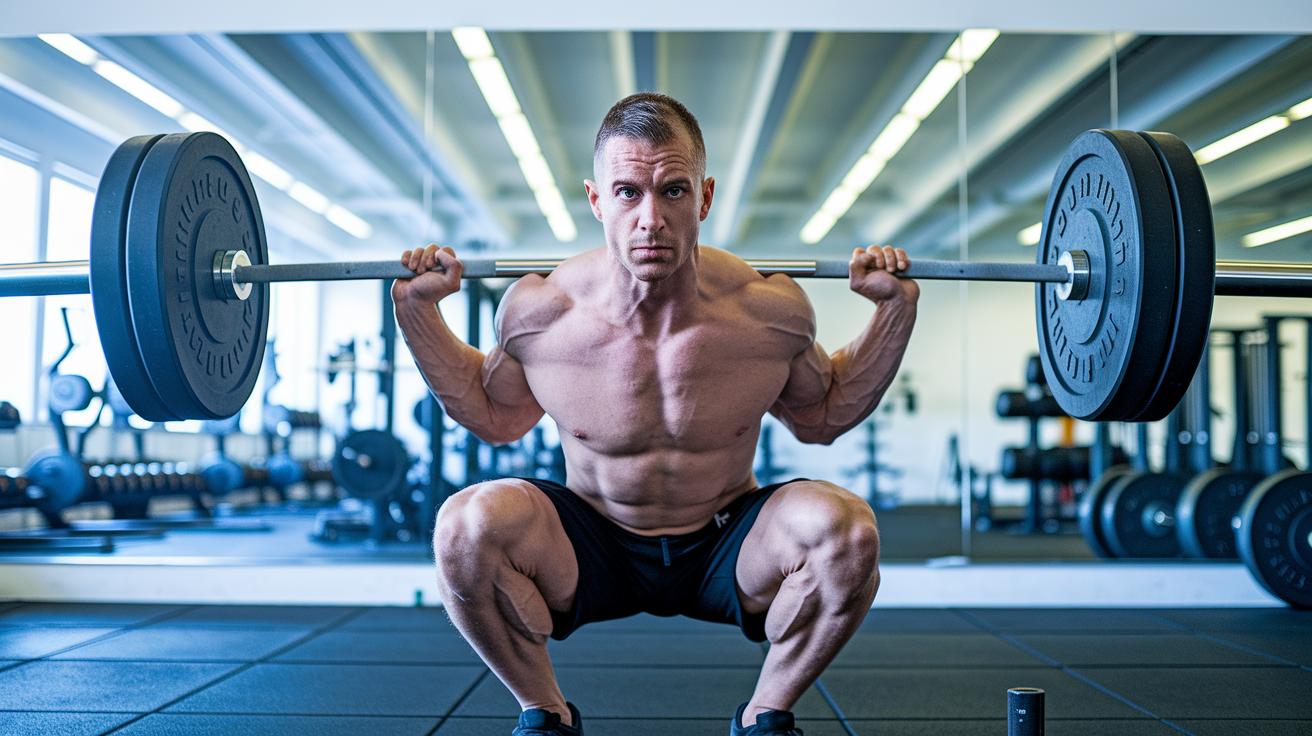

Lifting weights isn’t just for bodybuilders, it can help you live a longer, healthier life. Research shows that regular resistance training builds muscle and supports balance and joint health, all of which can make everyday activities easier.
Studies suggest that midlife adults who add strength training to their routines may have a better chance of living into their later years, even reaching 100. Whether you’re doing squats, bench presses, or other exercises, each workout helps invest in your overall well-being.
In this article, we explain the basic ideas behind resistance training and show how even a moderate weightlifting routine can help you build strength and stay active for the long term.
Core Principles of Resistance Training for Muscle Growth
Resistance training not only builds muscle but also supports your overall health. Research shows that midlife individuals who are in the top third for strength are 2.5 times more likely to reach 100 years old. These workouts help you improve strength, balance, and joint health, which means a lower chance of falls and injuries. Think of each session as a small investment for a healthier future. Even moderate weightlifting can make daily tasks easier and safer.
One key idea in building muscle is to work until your muscles are truly tired, that is, doing as many repetitions as you can until you can’t complete another. Tracking the weight you lift and how many repetitions you do helps you gradually add more challenge over time. For instance, if you manage 10 repetitions at a certain weight, try to add an extra repetition or a little more weight next time. This steady increase keeps your muscles adapting and growing stronger, while making sure you don’t hit a training plateau.
A basic full-body resistance routine can cover most muscle groups with just three exercises. Start with a leg exercise, like squats, to work your lower body. Next, include an upper-body pushing move such as a bench press to build chest and shoulder strength. Finally, add an upper-body pull like a row to develop your back muscles. These three exercises work together to create a balanced workout that promotes overall strength.
Implementing Progressive Overload in Resistance Training

Progressive overload is a simple idea: you slowly increase the challenge for your muscles so they keep getting stronger. To do this, you can change parts of your workout like the number of sets, the weight you lift, how fast you move, or the breaks you take. For example, if a weight feels easy at first, you might add another set, use a slightly heavier weight, or slow down your movements to give your muscles more work time.
There are a few common ways to use progressive overload. You can add more repetitions, increase the weight, or slow the speed of your lifts to keep your muscles working hard. Many people mix these methods to stay challenged while avoiding overuse injuries. However, if you push too hard too fast without enough rest, you might hurt yourself with issues like tendonitis or even a ruptured disc. Taking small, careful steps helps you build strength safely and effectively.
Selecting Resistance Training Exercises: Compound vs. Isolation
A balanced resistance training routine mixes exercises that work many muscles at once with those that focus on one muscle. Compound exercises use several joints and large muscle groups, boosting your overall strength and triggering helpful hormone responses. Isolation exercises, on the other hand, target one muscle at a time, allowing you to fine-tune your muscle shape and fix any strength imbalances. This mix can help you build muscle efficiently while cutting down on injury risk.
Compound Movements
Exercises like squats, bench presses, and deadlifts work multiple muscle groups simultaneously. These moves not only build mass and strength but also release hormones that support muscle growth. By using heavier weights, compound exercises tap more muscle fibers in one go. For example, when you squat, you're working your quads, glutes, and hamstrings together, which leads to greater overall strength gains.
Isolation Movements
Isolation exercises zero in on one key muscle group. Moves such as leg extensions, leg curls, bicep curls, and tricep extensions give you the chance to target muscles that might not get enough work during compound lifts. By slowing down the lowering phase of the lift, you increase the time your muscle spends working, which can boost growth. This focused approach also helps you notice and fix any weak spots, giving your body a balanced look and performance boost.
| Exercise Type | Example Exercises | Primary Muscles Targeted |
|---|---|---|
| Compound Lower Body | Squat, Leg Press | Quads, Glutes, Hamstrings |
| Compound Upper Body | Bench Press, Pull-Up | Chest, Back, Shoulders |
| Isolation Lower Body | Leg Extension, Leg Curl | Quads, Hamstrings |
| Isolation Upper Body | Bicep Curl, Tricep Extension | Biceps, Triceps |
Structuring Resistance Training Frequency and Periodization
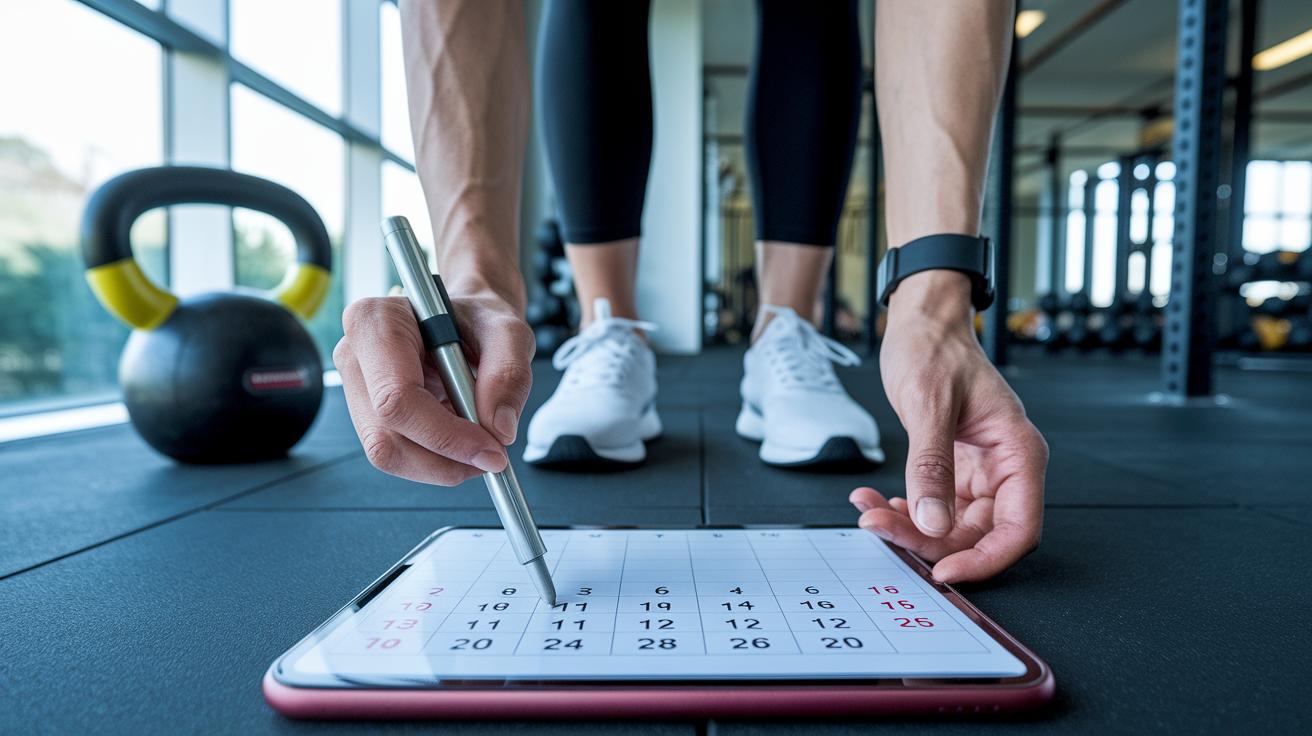
When you plan your workouts, how often you exercise depends on how fast your body recovers and what you want to achieve. If you are new or coming back after a break, start with 2 to 3 sessions each week. This gives your muscles time to rest and grow stronger. If you already exercise regularly, 3 to 5 sessions spread out over the week can help you work hard while still allowing proper recovery. Remember, harder workouts may need extra time to recover. For example, if you push your muscles to failure in a heavy session, you might need an extra day off before your next workout. Sticking to a regular routine and listening to your body can help you avoid overuse injuries and keep your strength gains steady.
There are two common training plans to consider. The first is linear periodization. In this plan, you gradually increase the weight you lift over time and take short breaks, called deload phases, to help your body recover. This method is ideal if your main goal is to build maximum strength over time with steadily heavier weights. The second is a hybrid cycle that mixes phases focused on muscle growth (hypertrophy) with phases aimed at building maximum strength. With this approach, you might work out 3 times a week and take a one-week break every few cycles. This mix allows you to adjust the amount of exercise, the weight you lift, and your rest periods, which can help you build muscle and improve overall performance.
Nutritional Support for Resistance Training to Enhance Muscle Growth
Good nutrition is key to helping your muscles repair and grow after resistance training. A daily protein intake of 1.6 to 2.2 grams per kilogram of body weight gives your muscles the building blocks they need to recover. It helps to spread your protein intake throughout the day, especially around your workouts. For example, having a high-quality protein source like a shake or lean meal within 30 minutes after training can kick-start recovery and boost muscle protein buildup.
Along with a balanced diet, some supplements may further support muscle gains. Creatine, one of the most researched supplements, is linked to improvements in muscle size and strength. Other options, like branched-chain amino acids (BCAAs), might help reduce muscle soreness and speed up recovery. These supplements work by supplying extra energy and crucial nutrients, helping you push through challenging workouts and keep making progress.
Home Resistance Training Alternatives for Muscle Growth

Working out at home can be a simple way to build muscle without expensive gym equipment. You can use everyday items and your own bodyweight for a tough, flexible workout. Many resistance exercises work well with improvised weights like cloth bags filled with objects, cans, or water jugs. Bodyweight moves such as push-ups, lunges, and inverted rows help build muscle when you perform them until you nearly reach failure. This method lets you track your progress and build strength right at home, without worrying about gym hours or crowded spaces.
Here are some practical home alternatives to build strength:
- Use a filled cloth bag or backpack for deadlifts and rows.
- Replace dumbbells with canned goods or water jugs.
- Try resistance band exercises like squat-to-presses or banded pull-downs.
- Combine bodyweight moves in circuits that target push, pull, and leg muscles.
- Do dips supported by sturdy furniture or try elevated split squats.
These options are ideal if you want to start a muscle-building program at home with minimal equipment while still working multiple muscle groups effectively.
Advancing Resistance Training: Tracking Progress and Adaptation
Keeping a record of your workouts is essential for steady progress. It helps you see when you've hit a plateau and shows you where to push harder. Write down every detail of your workout, including the weight you lift, the number of repetitions, and the number of sets. For example, if you do 3 sets of 10 squats at 150 pounds, note that along with how challenging the session felt on a scale of 1 to 10.
Recording factors like your perceived effort (how hard you felt you were working), the time your muscles were active, and how quickly you recovered over time can show clear trends in your progress. If you rate a set as an 8 out of 10, it might be a sign to adjust your next session to keep things safe and effective.
Review your workout log regularly to tweak key aspects of your training such as the load, volume, and rest periods. If you often finish your planned sets with little effort, consider increasing the weight or adding a few more reps. On the other hand, if you feel overly tired, try extending your rest or lowering the volume to help prevent injuries. This data-driven approach lets you fine-tune your training and steadily build strength and muscle.
Final Words
In the action of building strength through resistance training for muscle growth, the article highlights key principles, from tracking progress and reaching muscle failure to designing balanced routines with compound and isolation movements. These insights aim to help improve overall health and long-term fitness.
Small adjustments in workout frequency and nutrition can boost your gains. Using these practical tips, you can confidently work toward a stronger, healthier future with smart resistance training for muscle growth.
FAQ
Frequently Asked Questions
What is resistance training for muscle growth for beginners?
Resistance training for muscle growth for beginners means starting with basic exercises that emphasize proper form and gradually increasing the load to challenge the muscles and build strength.
How does resistance training for muscle growth at home work?
Resistance training for muscle growth at home involves using bodyweight exercises and accessible tools like resistance bands or improvised weights to perform full-body routines that apply progressive overload.
How do skinny guys gain muscle fast?
Skinny guys gain muscle fast by combining consistent resistance exercises with a nutrient-rich diet that meets protein needs, gradually increasing intensity and allowing proper recovery for muscle repair.
What are the best sets, reps, and rep ranges for muscle growth?
The best sets and reps for muscle growth typically fall in the range of 3-5 sets of 8-12 repetitions, which effectively stimulate muscle fatigue and promote hypertrophy over time.
What are the best exercises to gain muscle at home?
The best exercises to gain muscle at home include push-ups, squats, lunges, and rows. These compound movements can be modified with bands or weights to increase intensity and challenge various muscle groups.
What advanced resistance training strategies boost muscle hypertrophy?
Advanced strategies involve tracking workout progress, using techniques like drop sets, supersets, or rest-pause sets, and progressively increasing load or repetitions, all aimed at continuously stressing muscles for growth.
Can you build muscle through resistance training?
Yes, resistance training builds muscle by stimulating muscle fibers with targeted overload, which leads to growth and strength gains when paired with proper nutrition and recovery.
What is the 3-3-3 rule in the gym?
The 3-3-3 rule in the gym refers to performing 3 sets of 3 exercises with specific rest intervals, a guideline designed to balance workout intensity and recovery for optimal performance.
What kills muscle gains the most?
The factors that kill muscle gains the most include poor nutrition, overtraining without sufficient recovery, and using improper form, all of which hinder muscle repair and growth.
Can resistance training improve bone density?
Resistance training improves bone density by applying stress to the bones during exercises, which stimulates bone rebuilding and enhances strength, thereby helping to reduce the risk of fractures.