

Health department inspections help keep our food safe. Inspectors check that food is stored properly, facilities are clean, and equipment is well maintained. They follow clear safety rules to reduce the risk of foodborne illnesses and build trust in our favorite dining spots.
During an inspection, experts look at several key areas. They verify that food is kept at the right temperatures, that surfaces and utensils are clean, and that equipment is in good working order. By doing so, they help prevent sickness and keep restaurants accountable for a safe dining environment.
Understanding what happens during these inspections can give you peace of mind the next time you eat out. It shows that local businesses are following the rules to protect your health.
What Health Department Inspections Entail and Why They Matter
Health department inspections help keep the food you eat safe. Officials visit restaurants and similar places to check that food is stored, prepared, and served safely. Their work lowers the risk of foodborne illnesses and builds trust in local eateries by making sure businesses follow the rules.
Inspectors use clear rules based on the FDA Food Code from January 1, 2020. This guide explains how food must be stored and handled. Whether checking a small diner or a large catering service, inspectors use the same standards so you know what to expect wherever you dine.
Inspectors typically check these key areas:
- Food storage (ensuring items are kept at least 6 inches off the floor)
- Employee hygiene (keeping fingernails short and clean)
- Food handling (making sure utensils or gloves are used)
- Equipment maintenance (verifying thermometers are accurate and easy to see)
- Sanitation (using water at the proper temperature for cleaning)
- Garbage disposal (confirming trash is removed on schedule)
- Pest control (ensuring there are no signs of infestations)
In addition to enforcing rules, inspectors also educate restaurant staff about safe food practices. They share practical training tips to prevent future issues. Most establishments are inspected two to three times a year, with at least one surprise visit in cities like New York. This regular oversight helps ensure that every visit is as safe as possible.
Facility Compliance Criteria in Food Safety Inspections

Health inspectors check key aspects of a facility to keep food safe. They look at proper food storage, temperature control, handwashing facilities, and cleaning routines to lower the risk of foodborne illnesses.
Inspectors make sure food is stored at least 6 inches above the ground. They also verify that raw ingredients, like meats, are kept separate from fresh produce to prevent cross-contamination.
Temperature control is essential. Officials confirm that refrigerators stay cold enough, cooking areas reach the right heat levels, and even cleaning water is at the proper temperature. They also check that thermometers are easy to find and accurate, so safe temperature ranges are maintained.
Handwashing stations are a top priority too. Inspectors look for sinks with both hot and cold water and ensure the area stays clean. They also review cleaning schedules to see that facilities follow sanitation codes. For instance, a well-kept daily cleaning log can prove that a restaurant meets hygiene standards consistently.
Regulatory Review Basics and Inspection Types
The FDA Food Code sets the standard for health inspections. Local and state inspectors rely on these guidelines to ensure food establishments store, prepare, and serve food safely, which helps lower the risk of foodborne illnesses.
There are three main types of inspections. Routine inspections check daily operations, while follow-up inspections occur after a safety issue is reported or found. Additionally, complaint-based inspections respond directly to public or staff reports of potential violations. Each type uses the FDA Food Code to keep safety standards consistent across regions.
Most establishments are inspected two to three times a year. Some cities, like New York, require at least one unannounced visit. New venues receive a full initial assessment, and facilities considered high-risk may be inspected more often to maintain safe practices.
Public Risk Assessment Methods Used by Health Inspectors

Health inspectors use a risk-based method to identify potential health issues in food service areas. They compare visible hazards with the likelihood that these issues could lead to foodborne illnesses. This approach helps them focus on higher-risk areas and make the best use of their time.
During an inspection, officials check how well the establishment prevents cross-contamination. They review food preparation zones and cleaning routines, ensuring that raw foods and ready-to-eat items are kept separate. For instance, an inspector might look for color-coded cutting boards that help prevent the accidental mixing of ingredients.
Inspectors also assess pest control by looking for signs like droppings or entry points that might let insects or rodents in. They verify waste management practices to see if trash is removed on schedule, which helps lower the chance of attracting pests.
To make sure sanitation practices work as intended, inspectors measure water temperatures used for cleaning and confirm that proper cleaning chemicals are in use. This thorough check helps ensure that the facility meets local health standards and keeps both staff and consumers safe.
Documentation Protocol Review and Scoring Systems in Health Inspections
During health inspections, keeping clear records is essential. Inspectors check temperature logs, cleaning schedules, licenses, and training documents to ensure food safety practices are properly noted. These records help spot recurring issues and show improvements over time, revealing how well a facility meets established standards.
After reviewing the documents, each establishment gets a compliance score based on its performance. Inspectors use a straightforward scoring system that groups issues by how serious they are. Small problems may lead to a warning, while major breaches result in higher scores and signal a greater risk to public health.
Inspectors then schedule follow-up visits to verify that corrective actions have been made. They review updated records to confirm that previous issues have been addressed and to check on a facility's overall progress. These visits help guide further improvements while keeping public safety as the top priority.
Preparing for Inspections: Best Practices for Food Service Establishments
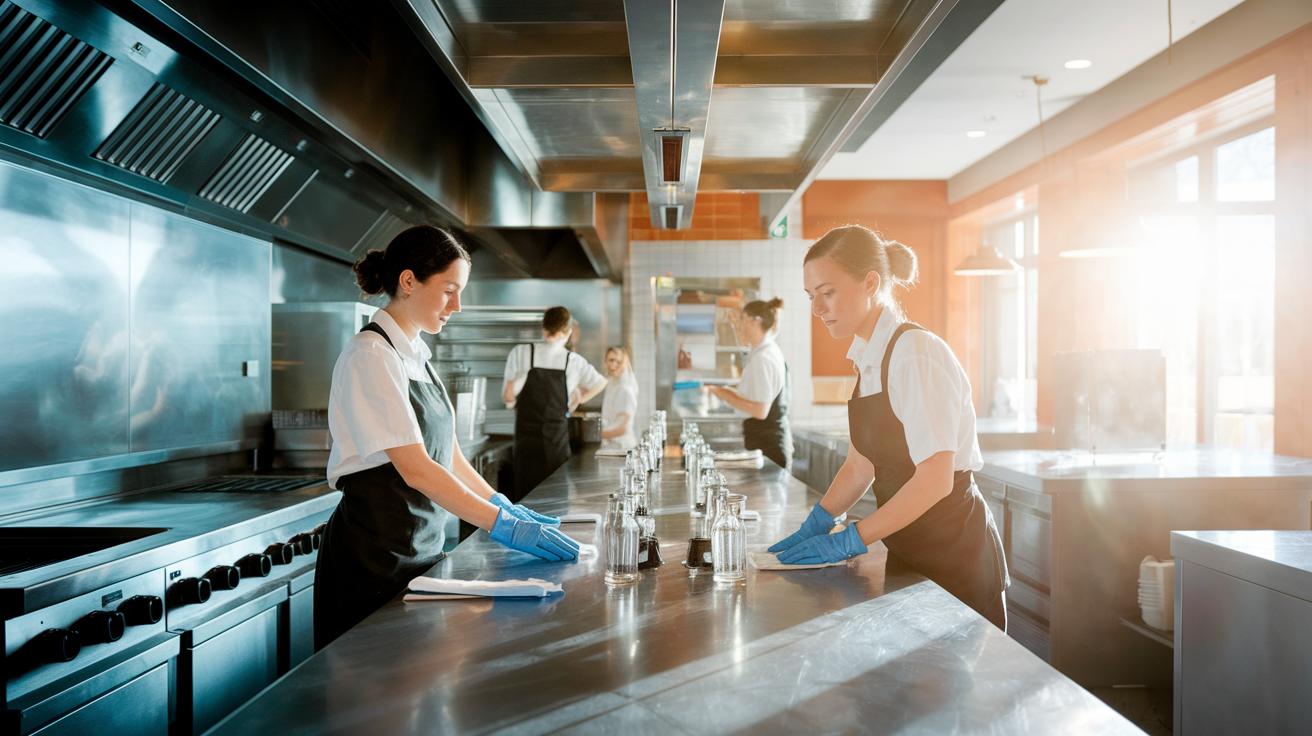
Routine self-checks and regular staff practice sessions are key to maintaining safety and passing inspections. When you review your cleaning routines and procedures every day, you reduce risks and meet public safety standards. These practices boost team confidence and make sure everyone follows safety rules. A restaurant manager once said, "Daily checks make all the difference between a smooth inspection and a last-minute scramble."
- Clean your facility each day and wipe down surfaces that are frequently touched.
- Check refrigerator and freezer temperatures twice daily using reliable, calibrated thermometers.
- Follow strict handwashing schedules and use gloves when needed.
- Stick to a preventive maintenance plan for all equipment and the HVAC system.
- Schedule regular pest control treatments and inspections.
- Set up emergency plans for power or water outages.
- Keep your food safety certifications, such as ServSafe, up to date.
- Review local code changes regularly and update your standard operating procedures.
These practical steps protect your customers and staff by keeping safety standards high. Regular self-checks help spot issues before inspectors do, while practice drills ensure everyone knows the right procedures. Being well-prepared not only reduces the risk of violations during surprise visits but also builds trust in your community. Continuous training and updates help your team stay sharp and adjust quickly to new regulations.
Staff Education and Follow-Up Reviews in Health Department Inspections
Inspectors spend time during visits coaching restaurant staff on safe food handling practices. They show how to use clean gloves and handle utensils properly. For example, an inspector might say, "Always clean your surfaces immediately after use to prevent cross-contamination." This hands-on guidance helps staff understand exactly what is expected.
Restaurants must meet clear hygiene and operational standards. Inspectors check that employees wear clean uniforms, keep their fingernails short and clean, and use gloves correctly. They also ensure that food preparation and storage areas are tidy. These clear benchmarks reassure both inspectors and customers that the restaurant follows safe practices.
Follow-up reviews help reinforce these lessons. Inspectors return to see if the recommended changes have been made. By reviewing updated logs and watching practices again, they confirm improvements and support long-term safety and compliance.
Final Words
In the action, the article broke down the core aspects of health department inspections: from food safety practices and proper storage to strict documentation and follow-up reviews. It highlighted the FDA Food Code’s role and explained facility compliance, risk assessment methods, and staff education. Health department inspections: what they cover and why they matter remains central to keeping establishments safe and consumers protected. The discussion offers clear tips for preparing ahead and maintaining a secure dining environment. Embracing these practices sets the stage for better public safety and peace of mind.
FAQ
What is a Health Inspection Checklist?
A Health Inspection Checklist outlines the safety rules restaurants must follow to prevent foodborne illnesses. It lists key topics such as food storage, employee hygiene, equipment maintenance, sanitation, and pest management.
Where can I find the Health Inspection Checklist PDF?
The Health Inspection Checklist PDF is often available on local health department or state government websites, offering a downloadable resource to help food service establishments meet safety standards.
What is a Restaurant Health Inspection Checklist?
A Restaurant Health Inspection Checklist is a guide used during inspections to verify food handling, cleanliness, necessary equipment checks, and pest control, ensuring that establishments comply with public health rules.
What does a Health Inspection for Restaurants involve?
A Health Inspection for Restaurants involves checking food storage conditions, verifying hygiene practices, reviewing equipment accuracy, and assessing sanitation measures to protect public safety and comply with regulations.
How do Restaurant Health Inspection Results work?
Restaurant Health Inspection Results provide a score and detailed report on an establishment’s adherence to food safety codes. They highlight areas of compliance as well as any violations that need attention.
What are TN Health Inspection Scores for Restaurants?
TN Health Inspection Scores for Restaurants are grading results provided by Tennessee health officials. The scores reflect a restaurant’s compliance with food safety standards and its commitment to the public’s well-being.
Where can I find Health Inspection Reports?
Health Inspection Reports are typically available on local health department websites. These reports offer details about inspections, including any necessary corrective actions and overall compliance with food safety standards.
Where can I find Restaurant Health Inspection Reports?
Restaurant Health Inspection Reports can be found on state or local public health department websites, providing insights into inspection findings, violations, and the overall safety of dining establishments.
What are red flags in a Home Inspection?
Red flags in a Home Inspection include signs of structural damage, outdated electrical systems, plumbing leaks, mold growth, and inadequate insulation. These issues signal potential safety concerns that may need professional repair.
What are common violations found by Health Inspectors?
Common violations include improper food storage, poor employee hygiene, malfunctioning equipment, inadequate sanitation practices, and evidence of pests. Addressing these issues is essential for protecting public health.
What are the three types of inspections used?
The three types of inspections are routine, follow-up, and complaint-based. Each targets different aspects of compliance, ensuring that establishments meet food safety guidelines over time.
What is the first thing an inspector looks for?
The first thing an inspector looks for is clear evidence of basic food safety practices, such as proper food storage and employee hygiene, to quickly identify any glaring issues that may pose risks.