
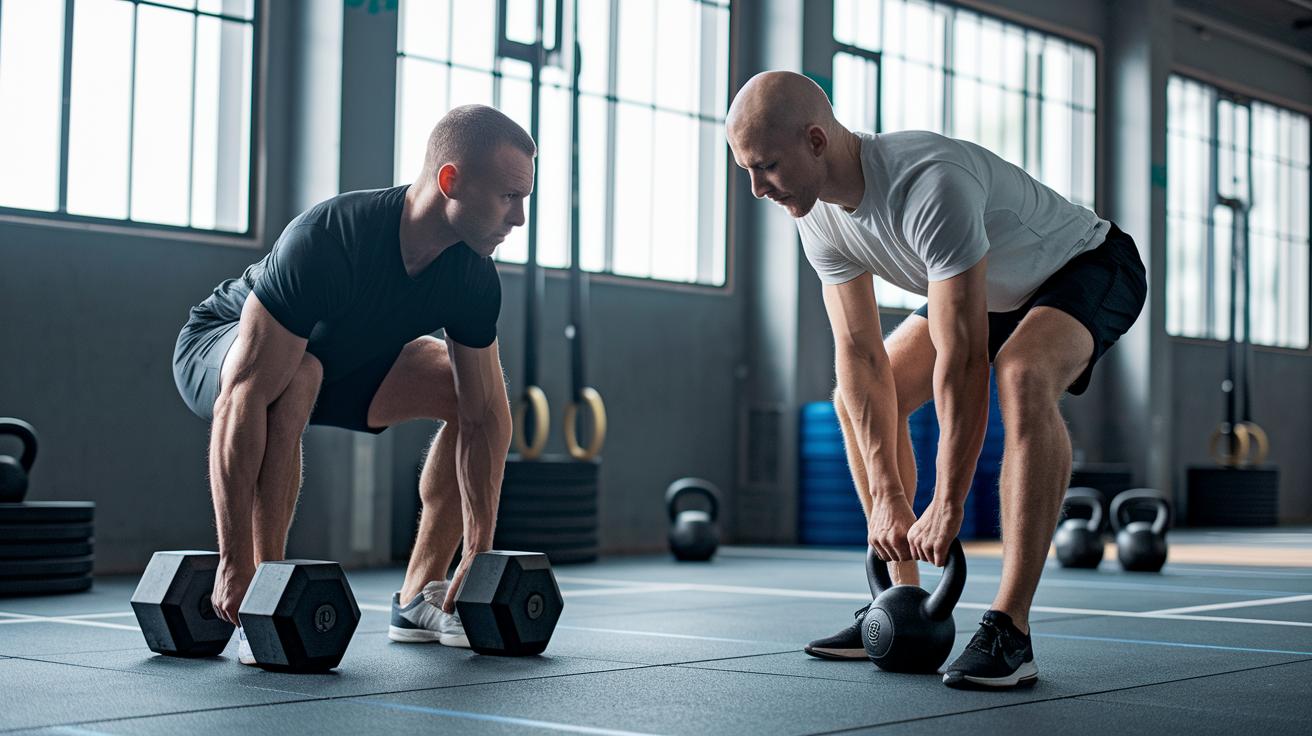

Do you want to feel stronger every day or build muscles that turn heads at the gym? Functional strength training uses exercises that work several muscles at once, much like the actions you do at home or work. Traditional strength training focuses on one muscle group at a time to build power. Both methods can help you move better and see visible gains. In this post, we review each style so you can choose the one that best fits your goals and daily life.
Functional vs Traditional Strength Training: Direct Comparison of Benefits, Methodologies, and Outcomes
Functional strength training and traditional strength training take different approaches to exercise. Functional training uses movements that work several muscles at once. These exercises mimic everyday activities and help boost balance, coordination, and core strength. This approach may lower the risk of injury during daily tasks. Traditional strength training, on the other hand, usually focuses on one muscle group at a time. Exercises like bicep curls, bench presses, and machine workouts target specific muscles to build size and power. Progress is measured by heavier weights, more sets, and visible muscle gains.
A 2023 study found that both high- and low-frequency training programs increased lean muscle mass by about 1.9% to 2%. This shows that each method can bring measurable improvements. However, traditional workouts aim more at aesthetics and strength while functional exercises focus on smoother movement and lasting endurance.
Key comparisons include:
- Functional training focuses on dynamic, whole-body movements.
- Traditional training uses simple exercises for individual muscles.
- Gains in functional training are seen in better balance and coordination.
- Traditional training progress is tracked by increased weights, sets, and muscle definition.
For example, a functional training session might include movements designed to improve mobility, similar to those used by professional athletes to boost agility. In contrast, someone following a traditional routine might track success by gradually lifting more weight during bench presses or squats.
Core Methodologies in Functional Strength Training vs Conventional Resistance Exercise Methods
What Is Functional Strength Training?
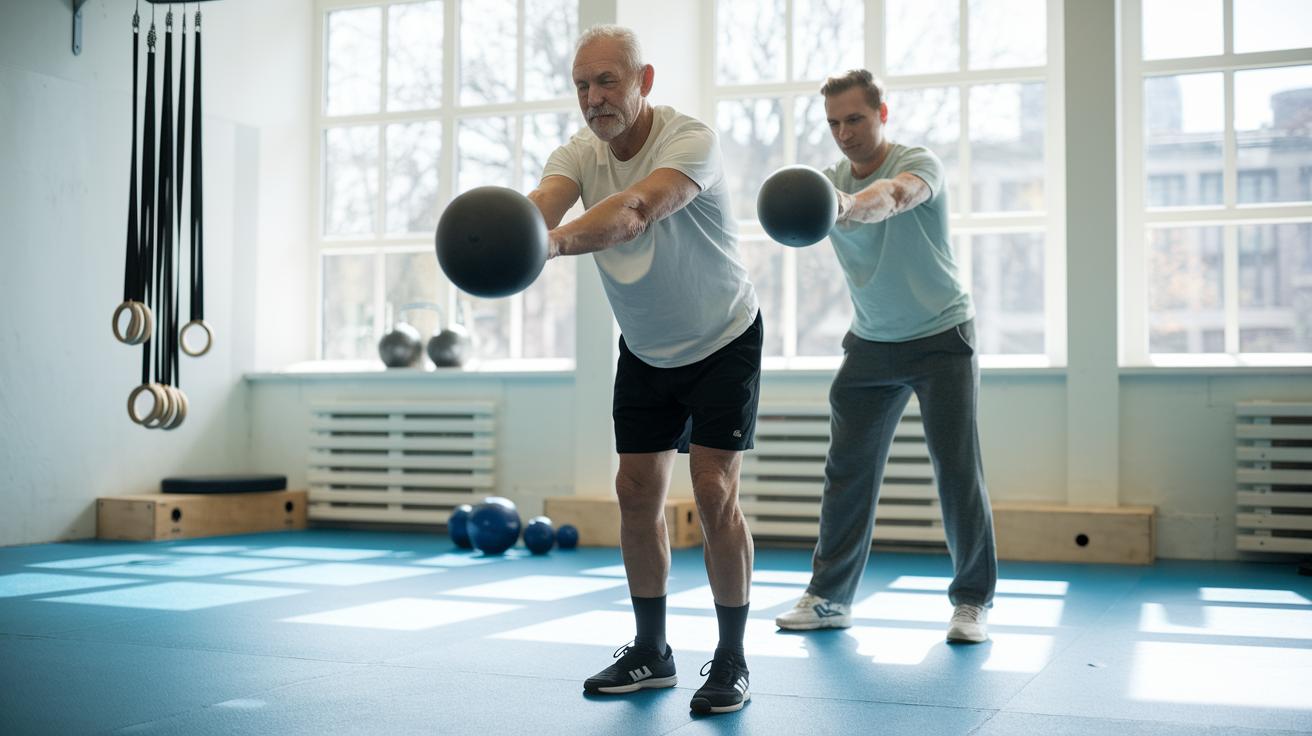
Recent research shows that functional strength training can improve daily balance. In one 12-week study with older adults, exercises like kettlebell swings and medicine ball work helped reduce balance issues by 20%. This type of training uses movements we do every day, which helps people stay steady. One person shared that after a few weeks of kettlebell training, climbing stairs felt much easier. Functional training fits into many workout routines and can help improve coordination and lower the chance of injury.
What Is Traditional Strength Training?
Traditional strength training targets specific muscles to build power and size. Studies show that exercises like bench presses and barbell squats grow muscles well but do little to improve balance or mobility. Younger people who train this way often see strong muscle gains, yet they might need extra exercises to work on overall stability. For instance, a bodybuilder mentioned that while muscle growth was impressive, adding balance work was necessary. This method works best for those who want focused muscle growth through controlled exercises.
| Focus | Functional Strength Training | Traditional Strength Training |
|---|---|---|
| Main Goal | Better whole-body coordination and everyday balance | Increase muscle power and size in specific areas |
| Movement Pattern | Movements in several directions (e.g., kettlebell swings) | Straight, single-muscle exercises (e.g., barbell squats) |
| Target Population | Athletes, seniors, and anyone looking to improve balance | People focused on muscle growth and strength gains |
Advantages and Drawbacks of Functional Strength vs Traditional Training
Functional training can help certain groups in unique ways. For example, one study found that seniors experienced a 15% drop in fall incidents after 8 weeks of these exercises. This type of training improves balance and boosts confidence for daily activities.
Younger athletes often choose traditional training because it builds muscle strength quickly. This method enhances specific muscle power, which is key for fast, explosive movements in sports.
| Population | Functional Training Benefit | Traditional Training Benefit |
|---|---|---|
| Seniors | Better balance and lower fall risk | Helps maintain muscle mass with consistent, weight-bearing loads |
| Younger Athletes | Improved coordination in various movements | Faster gains in isolated strength for power moves |
A practical example: A 68-year-old woman added functional exercises to her weekly routine. She noted that she felt steadier and said, "I can now climb stairs with less wobbling."
Structuring Effective Workouts: Designing Functional and Traditional Strength Programs
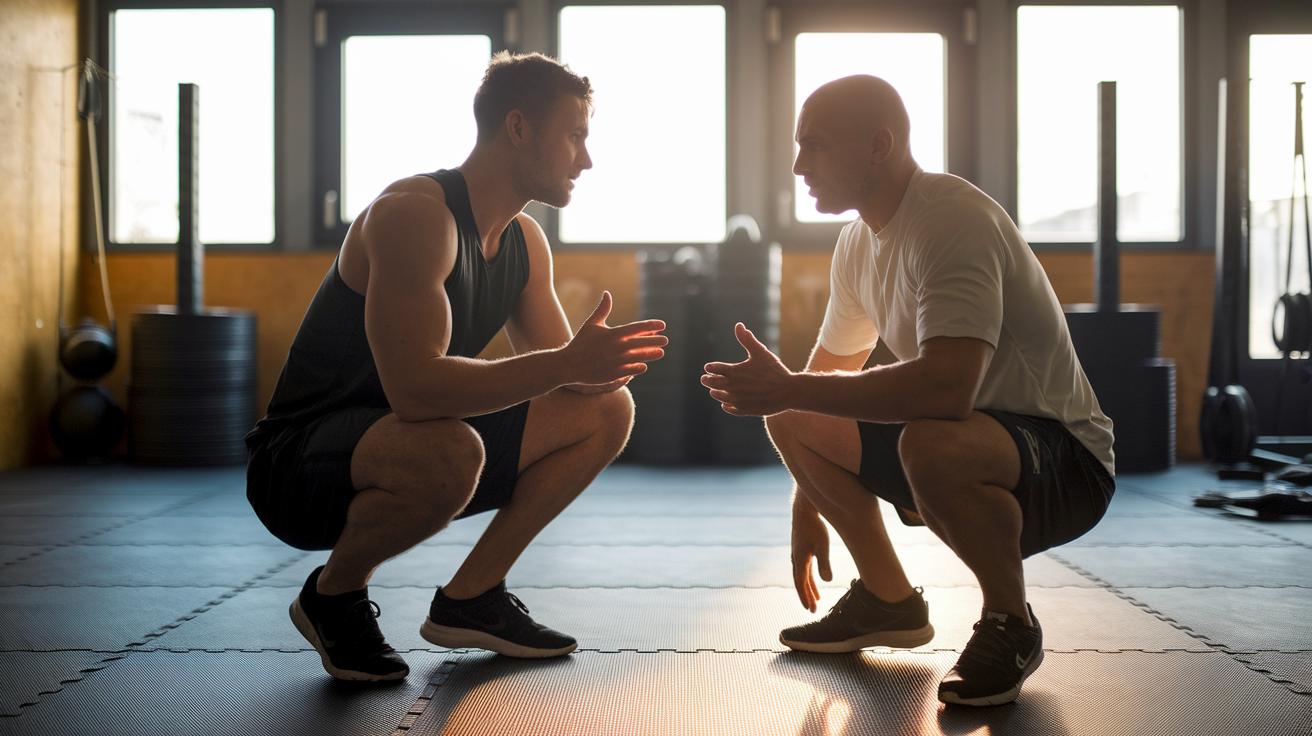
Before you jump into a workout plan, it's smart to get a baseline check by a certified trainer or physical therapist. This helps set a safe starting point and guides you in increasing intensity step by step.
A solid workout plan spells out how long you exercise, how many times each week, and how you will increase the challenge. For example, a functional training circuit might include 10 kettlebell swings, 8 single-leg deadlifts on each side, and 15 medicine-ball slams for three rounds. This mix works on your balance, coordination, and strength in different directions, mimicking everyday movements for better overall body mechanics.
On the other hand, a traditional strength session could involve three sets of 8 barbell back squats, three sets of 10 dumbbell bench presses, three sets of 12 lat pulldowns, and three sets of 15 seated leg extensions. This approach zeroes in on specific muscle groups with clear targets for weight, repetitions, and form, aiming to boost muscle size, strength, and power.
Both styles work best when you plan your progress. Start with lighter weights or easier resistance and increase them as you grow more comfortable and improve your form. Mixing up exercises also helps keep your workouts fresh and challenging at every level.
| Exercise Category | Functional Example | Traditional Example |
|---|---|---|
| Squat | Bodyweight or single-leg squats | Barbell back squats |
| Hinge | Kettlebell swings | Romanian deadlifts |
| Press | Medicine-ball slams | Dumbbell bench press |
| Core | Plank variations | Seated abdominal crunches |
Performance Outcomes and Goal-Based Use Cases for Functional vs Traditional Strength Training
Functional strength training is a hit with athletes like football players and track competitors who rely on quick movement and balance. Research shows that doing full-body exercises can help improve agility and coordination on the field. For instance, sports that need rapid changes in direction or sudden bursts of speed gain a lot from workouts that boost multi-directional movement and core stability.
Traditional strength training works best for those who want to build muscle mass and maximum strength, like bodybuilders and powerlifters. This approach focuses on controlled, isolated exercises that gradually increase the weight and number of repetitions to encourage muscle growth. Often, these routines help people see visible gains by improving force production in specific muscle groups.
Many are now exploring a combined approach that mixes both functional and traditional techniques. This balanced method can improve overall body composition while making everyday movements easier. Your choice depends on what you want from your workout, whether it's sport-specific agility, muscle growth, or a bit of both to boost daily performance.
Final Words
In the action of comparing different exercise approaches, we broke down the benefits and drawbacks from separate angles. The outline showed how methods are structured and how outcomes differ for daily function versus muscle growth. The discussion highlighted actionable insights for designing workouts that meet specific needs. Functional strength training vs traditional strength training offers varied rewards so readers can choose what works best for them. Embracing the right mix can help pave the way toward better health and fitness.
FAQ
Q: How do Apple Watch metrics differ between functional and traditional strength training?
A: The Apple Watch measures heart rate, active calories, and movement patterns. Traditional training shows steady data from isolated lifts, while functional training reflects varied metrics due to compound and multi-planar exercises.
Q: How do functional and traditional strength training approaches affect weight loss?
A: Functional training uses full-body movements that boost metabolism, and traditional training builds muscle mass which can raise resting calorie burn. Both methods help with weight loss through increased overall energy expenditure.
Q: How do functional and traditional strength training methods compare for bodybuilding?
A: Traditional training emphasizes muscle isolation and hypertrophy for visible gains, while functional routines enhance balance and overall strength. Bodybuilding typically benefits more from focused, isolated exercises.
Q: What are common examples of traditional versus functional strength exercises?
A: Traditional exercises include bench presses and barbell squats. In contrast, functional moves feature kettlebell swings, single-leg deadlifts, and medicine ball slams that mimic everyday activities.
Q: How does functional strength training compare to HIIT?
A: Functional training targets balance, coordination, and multi-planar strength with compound moves. HIIT focuses on short bursts of high-intensity cardio designed to maximize calorie burn and elevate heart rate quickly.
Q: Can you build muscle using functional strength training?
A: Yes, functional strength training builds muscle by engaging multiple muscle groups simultaneously. Although it may not target hypertrophy as directly as isolation exercises, it promotes overall strength and muscle endurance.
Q: What is the 3 3 3 rule for weight lifting?
A: The 3 3 3 rule typically means performing three sets of three specific exercises, offering balanced development and emphasizing consistent technique across different muscle groups during a workout session.
Q: Which training type burns more calories, functional or traditional strength training?
A: Functional training often burns more calories per session since its compound, multi-directional movements elevate heart rate, although overall calorie burn largely depends on workout intensity and duration.
Q: What is the 2 2 2 rule in weightlifting?
A: The 2 2 2 rule usually refers to a protocol of two sets of two exercises within a session. Specific interpretations vary, so it’s wise to follow guidelines provided in your individual workout program.