


Ever wonder if your home truly protects you from hidden hazards? A slip on a cluttered rug or a poorly lit hallway can lead to falls, especially for older people. This checklist helps you review each room and outdoor area to spot risks like loose cords or smoke detectors that haven’t been tested. By taking these straightforward steps, seniors and caregivers can improve home safety and support independent living.
Complete Elderly Home Safety Checklist
A thorough home safety check is key for seniors, especially those living alone. It helps spot hazards in every room, hallway, and outdoor spot so that risks are kept low. When a home is carefully reviewed, it not only shows what needs to be fixed but also gives peace of mind to both older adults and their caregivers.
Inside the house, go room by room using a complete safety list. Begin by looking for tripping hazards like loose rugs or cluttered paths, and keep cords out of walkways. Test smoke and carbon monoxide detectors on every floor at least once a month. Make sure hallways, stairs, bathrooms, and bedrooms have proper lighting, using bright lights, nightlights, or motion sensors, to help prevent falls. In the kitchen, store everyday items between your waist and shoulder for easy reach, choose appliances that shut off automatically, and use under-cabinet lighting for better visibility. In the bathroom, add grab bars near the toilet and in the shower, secure non-slip mats, and consider installing a walk-in shower with a handheld showerhead for extra control. Keep a printed list of emergency contacts near the phone and on the fridge, and equip the home with a medical alert system along with a practiced evacuation plan.
Outdoor areas matter just as much as indoor safety. Ensure that both front and back entrances are well lit with motion-activated lights, and that walkways are even and free from debris. Display clear house numbers so emergency services can easily locate your home. Regular seasonal checks are vital, schedule annual HVAC inspections, plan for snow and ice removal, and update emergency supplies like fresh batteries, water, and non-perishable foods every three months. Finally, keep in regular touch with family or caregivers to ensure that all safety measures remain effective and any updates are made promptly.
Elderly Home Safety Checklist

Fall Prevention
Falls are the top cause of injury for older adults. Making a few changes at home can help lower the risk. Consider these steps:
- Install bright, motion-activated lights in hallways and on stairways.
- Remove loose rugs or secure them and rearrange furniture to keep paths clear.
- Add handrails on both sides of staircases that extend at least 12 inches beyond the first and last steps.
- Use non-slip mats in the bathroom and kitchen.
- Place grab bars near toilets and in showers.
- Set up nightlights in bedrooms and bathrooms.
It’s important to check these measures on a regular basis. Ask a caregiver or family member to verify that the lights work, the paths stay clear, and the support devices are secure. Adding balance and strength exercises, like those found in this exercise routine for seniors, can also boost stability and further reduce the risk of falls.
Fire Safety and Emergency Preparedness for Older Adults
Older adults face special fire risks and need a simple, clear plan for emergencies. Many seniors might find quick decisions or rapid movement difficult. That’s why installing detectors and keeping them in good shape makes a big difference. Test these devices every month and keep a printed list of emergency phone numbers near the telephone and refrigerator so that help is always close by. It’s also wise to practice a home evacuation plan twice a year with both seniors and their caregivers to build confidence and readiness.
| Safety Item | Location | Testing Schedule |
|---|---|---|
| Smoke Detector | Every Floor, Hallways | Monthly |
| CO Detector | Every Floor | Monthly |
| Fire Extinguisher | Kitchen, Furnace Room | Annually |
| Emergency Contact List | Fridge Door, Phone Area | Update Quarterly |
| Medical Alert Device | Bedroom, Living Room | Battery Check Monthly |
Regular evacuation drills and routine device checks are key. These drills help calm older adults and prepare caregivers to step in when needed. Keeping alarms, extinguishers, and alert devices up to date helps maintain a safe, independent living environment for seniors.
Accessible Kitchen and Bathroom Modifications
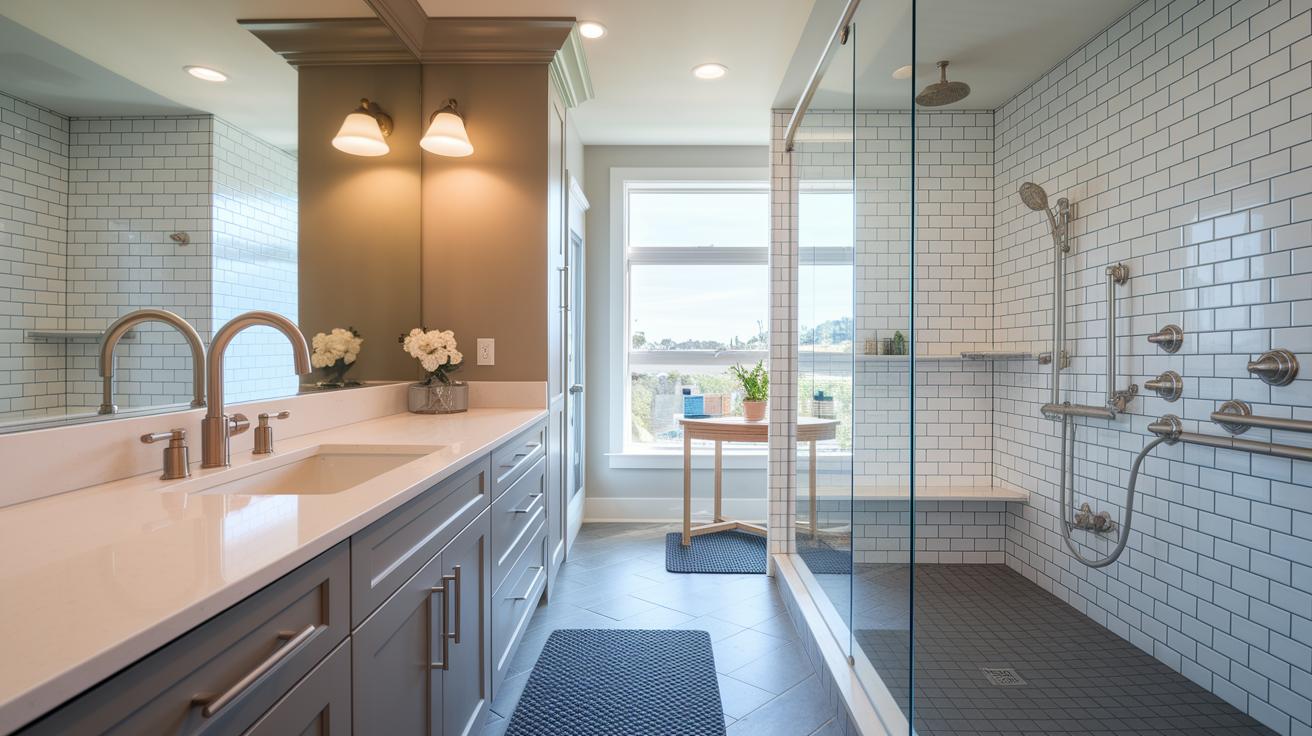
Keep everyday kitchen items stored between waist and shoulder height to minimize bending and stretching. Add lighting under the cabinets to improve visibility and choose appliances with auto-shutoff features to help prevent accidents. For example, a person who finds it hard to twist a knob might find a lever-style handle much easier to use.
Secure grab bars near the toilet and in the shower or tub to provide extra support. Use non-slip mats on the floor and consider a walk-in shower or tub with built-in seating to make bathing safer. A handheld showerhead also allows for comfortable use whether sitting or standing.
Indoor and Outdoor Security Enhancements
Modern smart home systems bring more than clear pathways indoors. These systems now let you set up voice controls and wireless sensors that watch movement and send alerts if they notice unusual changes. For instance, a sensor might send a text if a resident's routine suddenly shifts. Some systems even combine emergency calls with automatic fall detection to add extra safety.
Outside the home, technology can boost security too. Upgrade standard motion-activated lights to smart cameras and video doorbells that alert loved ones or caregivers in real time. For example, a smart doorbell can notify you immediately when someone unfamiliar is at the door, letting you check live video before you decide to open it.
Technology Tools for Elder Independence
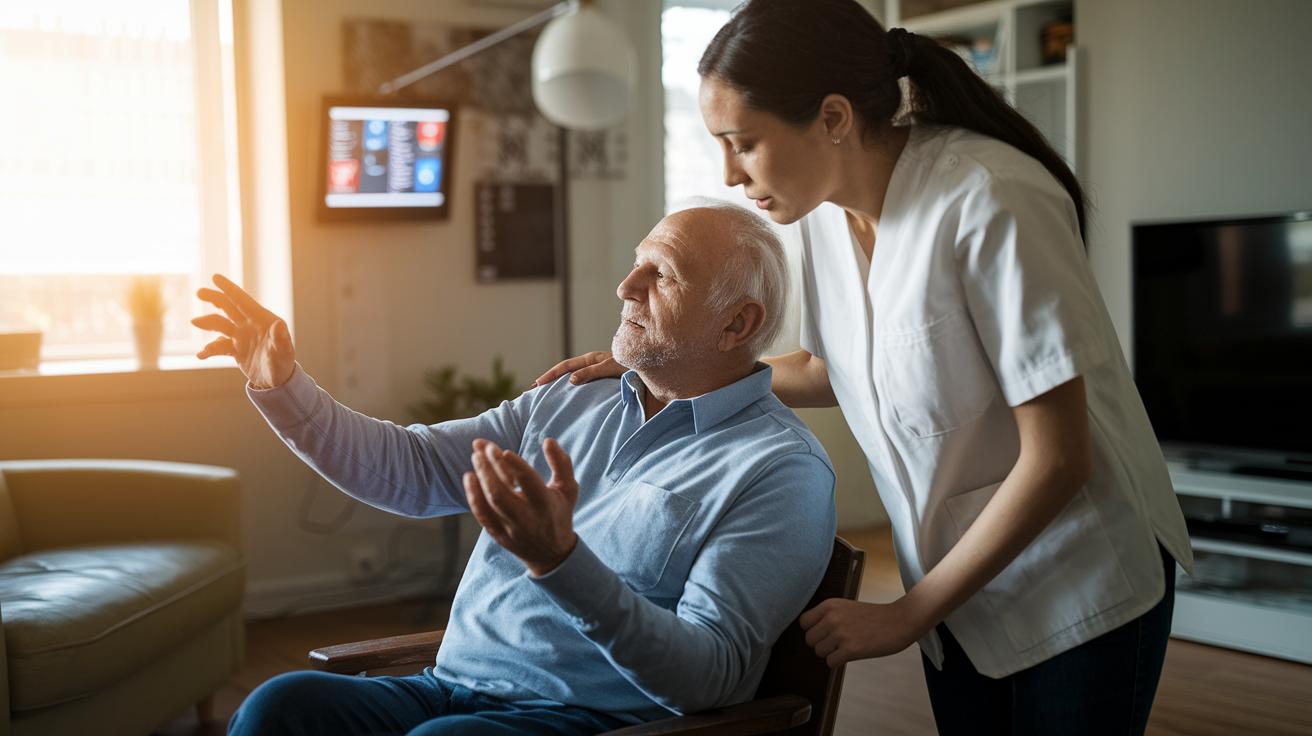
Technology can help older adults stay safe and independent at home. Devices such as medical alert systems detect falls automatically and use GPS tracking to send an immediate alert, which gives both seniors and caregivers peace of mind. Motion sensors can turn on lights or send alerts if unexpected movement is detected during low-light hours. Voice assistants enable hands-free calling and set reminders, and smart thermostats keep indoor temperatures at safe levels. Meanwhile, mobile apps let family members monitor the home remotely and get regular check-ins, keeping everyone connected even from afar.
When picking these tools, look for devices that are reliable and easy to install. Choose systems that offer real-time alerts, customizable settings, and work well with other smart home gadgets. Long battery life and automatic updates add extra security so the device is always ready. It is also important that the design is user friendly so both seniors and caregivers can use it comfortably. The ability to check in remotely with a mobile app adds another layer of reassurance. Plus, clear troubleshooting guides and responsive customer support can make all the difference. These smart solutions not only protect seniors but also help them live independently with lasting peace of mind.
Seasonal Maintenance and Routine Safety Audits
Keep your home safe and energy efficient by performing seasonal checks beyond the usual HVAC and emergency kit updates. Look over your roof edges for ice build-up, check window and door seals for wear, and inspect attics and basements for leaks or moisture. Also, test your carbon monoxide and smoke alarms to ensure they function properly. For example, one homeowner discovered gaps in the window seals during a winter check, which helped stop cold drafts and reduce heating costs.
Adopt new methods for regular safety audits to monitor improvements over time. Capture photos of key safety features with your smartphone and maintain a log of inspections, repairs, and updates. Set monthly reminders to review door locks, adjust outdoor lighting, and update emergency contacts. For instance, scheduling a brief monthly call with a family member, like Mary did, can confirm that all alarms and locks are working as they should.
Final Words
In the action, this guide reviews a complete approach to home safety for older adults. It outlines room-by-room checks, fall prevention steps, and fire preparedness tips. The article then moves into kitchen and bathroom updates, security improvements, and tech tools that boost independence. Also, seasonal reviews remind us to stay on top of maintenance tasks. Using this elderly home safety checklist can help reduce risks and build confidence. Keep proactive and steady as you make these updates, knowing you’re creating a safer home for those you care for.
FAQ
Elderly home safety checklist template
The elderly home safety checklist template offers room-by-room guidance to spot hazards, covering areas like improved lighting, emergency contacts, and fall prevention measures that support a safer living environment for seniors.
Elderly home safety checklist pdf
The elderly home safety checklist PDF is a downloadable guide that outlines clear steps to identify and reduce potential home hazards, helping seniors maintain a secure and comfortable space.
Free elderly home safety checklist
The free elderly home safety checklist provides accessible advice for reviewing and upgrading home safety. It includes practical tips and simple modifications that help reduce risks for older adults.
Home Safety Checklist Occupational Therapy PDF
The home safety checklist Occupational Therapy PDF delivers professional guidance with actionable ideas. It assists therapists and caregivers in identifying hazards and recommending modifications to boost home safety.
Home safety Checklist pdf
The home safety checklist PDF serves as an easy-to-use guide that details essential assessments from room conditions to emergency planning, making it useful for anyone looking to improve home safety measures.
Home safety checklist FOR parents
The home safety checklist for parents offers straightforward strategies to identify and reduce household risks. It guides caregivers in creating child-friendly environments with clear steps to promote overall safety.
Home safety assessment Checklist
The home safety assessment checklist is a practical tool designed to help reviewers conduct a systematic review of their space, highlighting areas that may need changes to lower risks and enhance security.
Fall Prevention Home Safety Checklist pdf
The fall prevention home safety checklist PDF focuses on simple modifications like clear pathways, improved lighting, and secure grab bars to reduce fall risks and support seniors in maintaining balance and stability.