


Ever wonder if a lighter meal can boost your well-being? A healthy diet means choosing foods that pack rich nutrients like vitamins, minerals, and fiber, not just counting calories.
When you fill your plate with colorful fruits, crisp vegetables, and lean proteins, each bite serves as a mini boost for your body. Think of your meal as a little recharge that gives you energy and helps keep your day on track.
In this piece, we share three easy tips to help you shift toward eating in a way that builds lasting strength and supports overall wellness.
What Defines a Nutrient Dense Diet and Why It Matters
A nutrient dense diet means choosing foods that deliver plenty of vitamins, minerals, proteins, fiber, and healthy fats for the calories they provide. Instead of just tracking calories, this style of eating focuses on fresh fruits, vegetables, and lean proteins rich in micronutrients. In simple terms, you swap out high-calorie, low-nutrient foods for options that truly fuel your body.
Here are five features to look for in a nutrient-rich eating plan:
- A high vitamin-to-calorie ratio
- Ample micronutrients
- Beneficial bioactive compounds
- Good fiber content
- Few empty calories
Each feature helps your body get the building blocks it needs for daily functioning and long-term health. Foods with a high vitamin-to-calorie ratio give you more essential nutrients without extra energy, which can help keep your weight in check. The micronutrients and bioactive compounds support your immune system and help repair cells, while fiber aids digestion and keeps you feeling full. By cutting down on empty calories, every bite contributes to a balanced nutrient intake.
This approach lays a strong foundation for overall wellness, boosts energy levels, helps regulate mood, and may lower the risk of chronic diseases. Choosing nutrient dense foods means that every meal works to meet your daily nutritional targets without adding unnecessary calories.
Essential Components of a Nutrient Dense Diet
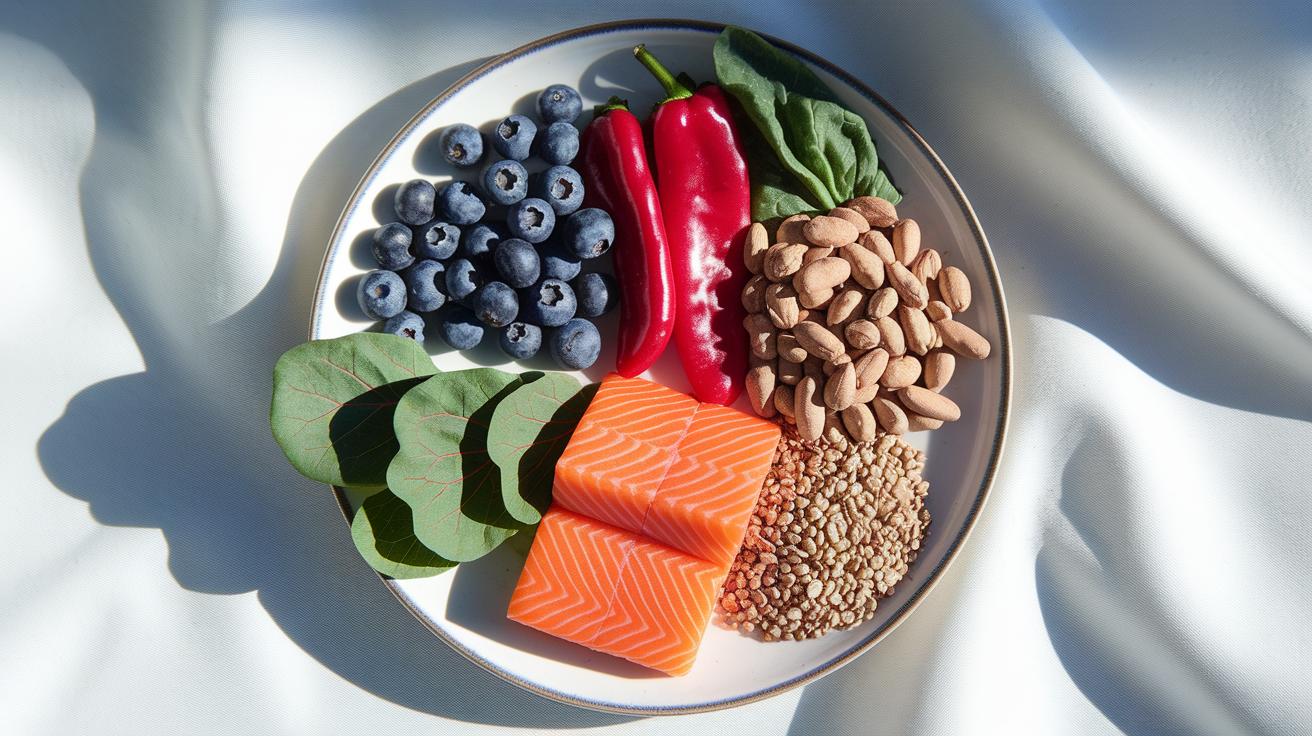
Plant compounds like phytonutrients and antioxidants help keep your cells healthy and balance inflammation. Bright fruits and vegetables such as blueberries, red bell peppers, and leafy greens deliver polyphenols and vitamins that protect your cells. Fill your plate with a variety of colors to give your body a little power boost with every bite.
Lean proteins, healthy fats, and whole grains complete a nutrient-rich diet by offering amino acids, B vitamins, and vitamins that need fat to be absorbed. Foods like chicken, salmon, nuts, and whole grains support muscle repair and provide steady energy. Together, these foods work to help your body use nutrients more effectively.
Combining certain foods can boost mineral absorption. For example, pairing vitamin C-rich foods like citrus with iron-rich foods such as spinach or legumes helps increase iron uptake. Try adding orange slices to a spinach salad, a simple change that can supercharge your meal’s nutritional value.
Top Nutrient Dense Foods to Include in Your Diet
Eating a mix of foods that are rich in vitamins, minerals, protein, fiber, and healthy fats can boost your health every day. These foods help with cell repair, keep your immune system strong, and serve as a solid base for balanced meals.
- Salmon – This fish is full of omega-3 fatty acids, which support healthy cell membranes.
- Sardines – They offer a broad range of nutrients, including vitamin D and calcium for strong bones.
- Kale – Loaded with vitamins A, C, and K, kale also provides fiber and antioxidants to help you feel energetic.
- Seaweed – A good source of iodine and polyunsaturated fats, it aids thyroid function and heart health.
- Garlic – Contains natural sulfur compounds that may help keep your heart in good shape.
- Shellfish – Rich in vitamin B12 and zinc, shellfish assist with energy production and keeping your immune system strong.
- Potatoes with peel – When eaten with the skin, they are high in potassium, magnesium, iron, and fiber.
- Liver – Packed with vitamin A, vitamin B12, and iron, liver is great for energy and overall health.
- Berries – They bring antioxidant flavonoids that protect your cells and help reduce stress on the body.
- Eggs – Known for their complete protein and choline, eggs support both brain and muscle function.
- Bitter melon – Offers natural antioxidants that may help keep blood sugar levels balanced.
- Dark chocolate – Contains iron, magnesium, and flavonoids, which may be good for both heart and brain health.
Strategic Meal Planning for a Nutrient Dense Diet

Planning your meals ahead can help you get a mix of essential nutrients. Try to include vitamin-rich foods at breakfast, mineral-packed choices at lunch, and meals full of antioxidants for dinner.
For example, start your day with a spinach omelet, enjoy a lentil and pepper salad at lunchtime, and finish with a salmon-quinoa bowl at dinner. Adding a snack like Greek yogurt with berries between meals can boost your nutrient intake.
Pairing foods wisely can also help your body absorb nutrients better. For instance, eating iron-rich foods with fruits high in vitamin C makes it easier for your body to use the iron.
Cooking proteins and whole grains in bulk saves time and energy. Using seasonal produce not only lowers your grocery costs but also provides fresh nutrients.
| Meal Type | Example | Key Nutrients |
|---|---|---|
| Breakfast | Spinach Omelet | Vitamins A, C, Iron |
| Lunch | Lentil & Pepper Salad | Fiber, Protein, Vitamin C |
| Dinner | Salmon-Quinoa Bowl | Omega-3, B Vitamins, Magnesium |
Here are some simple planning tips:
- Shop around the outer areas of your grocery store for fresh produce.
- Prepare proteins and whole grains in advance.
- Rotate your fruits and vegetables with the seasons.
- Write a detailed shopping list before you go.
- Combine foods in ways that help your body absorb more nutrients.
Science-Backed Benefits of a Nutrient Dense Diet
Eating a diet full of vitamins and minerals can help your body work better and stay healthier over time. Studies reviewed by experts show that foods rich in antioxidants and key vitamins can lower inflammation and improve how your body uses energy.
Research shows several clear benefits from a nutrient dense diet:
- It can lower levels of C-reactive protein (a substance in your blood that rises with inflammation) by about 30%.
- It supports a stronger immune response when you get plenty of important nutrients.
- It speeds up metabolism so your body uses energy more efficiently.
- It may boost brain function, as groups eating nutrient-rich foods often show better thinking skills.
- It helps control appetite, keeping your energy levels steady throughout the day.
- It reduces the risk of long-term health issues by supplying bioactive compounds that protect the body.
Keeping these benefits sustainable can boost your energy and protect against illnesses linked to inflammation and disturbed metabolism. By regularly choosing foods high in micronutrients, you build resilience against daily stressors and support long-term wellness.
Common Questions About a Nutrient Dense Diet

How does a nutrient dense diet support weight management?
Eating foods loaded with vitamins, minerals, fiber, and protein can help you feel full longer while keeping extra calories low. This simple shift helps reduce hunger and supports a healthy weight without cutting out essential nutrients.
Can it improve blood sugar control?
High-fiber foods slow the pace at which sugar enters your blood, which helps keep your levels steady over the day. When you combine these with protein, it can help keep your energy balanced and may support overall blood sugar control.
Which snacks deliver the best vitamin boost?
Fresh fruits, crisp vegetables with a protein dip, or a small bowl of Greek yogurt are smart snack choices. They provide a concentrated hit of vitamins and minerals, offering a natural way to stay energized between meals.
How do I avoid empty calorie traps?
Choose whole foods that naturally bring nutrients instead of processed items that add calories without benefits. Reading labels and opting for foods with real ingredients can help you steer clear of empty calories.
Final Words
In the action, we examined the basics of a nutrient dense diet, its benefits, and practical meal-planning strategies. We reviewed key foods, pairing tips and science-backed benefits that support overall health and energy. We also cleared up common questions about vitamin-packed eating plans and their role in a balanced lifestyle. Small steps toward a nutrient dense diet can lead to lasting improvements in everyday well-being. Embrace these insights and take action for a healthier future.
FAQ
What is a nutrient-dense diet plan and how do nutrient-dense meals contribute?
A nutrient-dense diet plan focuses on foods that supply high amounts of vitamins, minerals, and fiber while keeping calories low. Nutrient-dense meals support overall health and help you meet daily nutrient needs.
Where can I find a nutrient-dense foods chart PDF?
A nutrient-dense foods chart PDF is available from reputable health sources. Such a chart visually breaks down foods rich in nutrients to simplify making healthy eating choices.
Why are nutrient-dense foods important?
Nutrient-dense foods are important because they provide essential vitamins, minerals, and antioxidants that support immune function, energy levels, and overall well-being without adding excess calories.
What are some examples of nutrient-dense vegetables, fruits, and snacks?
Examples include vegetables like spinach and broccoli, fruits like berries and oranges, and snacks such as nuts or Greek yogurt, all of which offer high nutrient content with minimal empty calories.
What are the 5 most nutrient-dense foods?
The five most nutrient-dense foods often include kale, salmon, liver, berries, and garlic, thanks to their high vitamin-to-calorie ratios and rich supply of essential nutrients.
What is the 3 3 3 rule for eating?
The 3 3 3 rule for eating suggests consuming three servings each of fruits, vegetables, and protein-rich foods every day to promote a balanced and varied nutrient intake.
What single food can you survive on the longest?
No single food provides all the nutrients needed for long-term survival. A varied diet is crucial to avoid nutrient gaps and support overall health.
What is the #1 healthiest food?
There is no single “#1 healthiest food” because a balanced diet relies on variety. Embracing a range of nutrient-dense choices like leafy greens, berries, and lean proteins is key to optimal health.