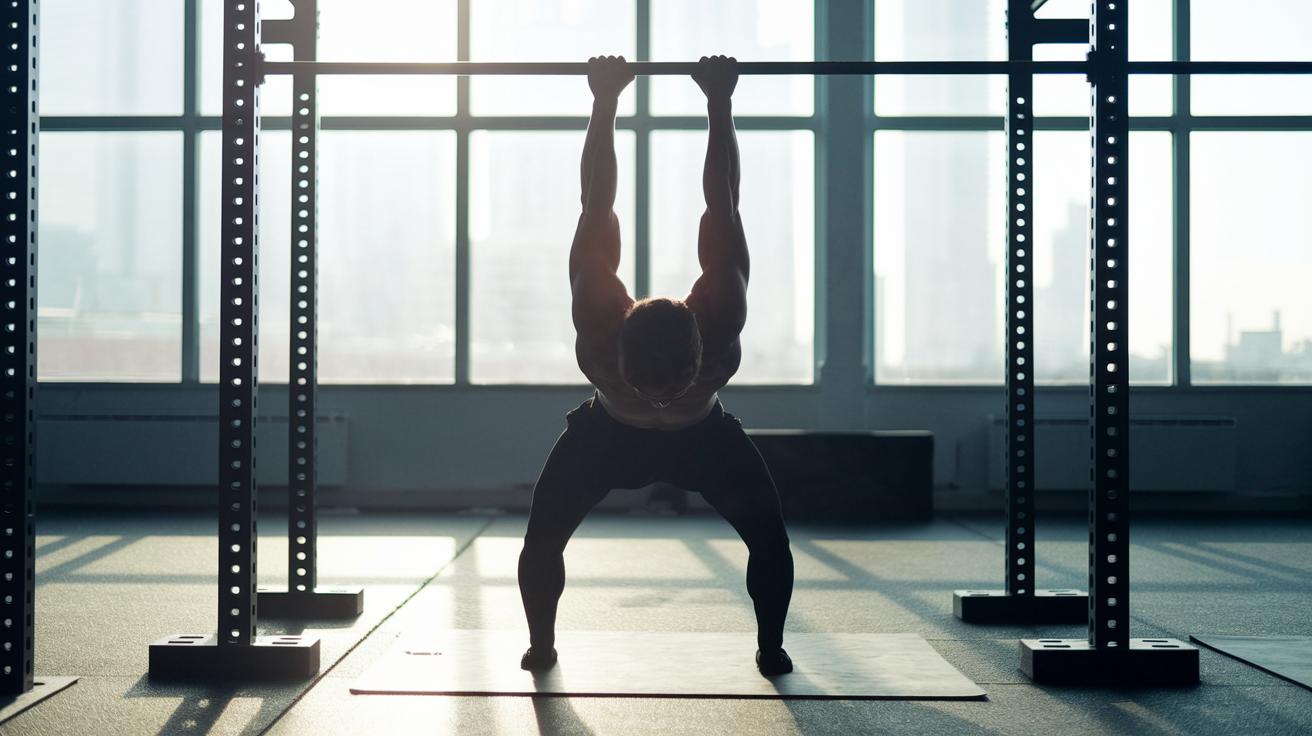

Want to build muscle without a gym? You can do it with bodyweight exercises. These simple moves, like push-ups, chin-ups, and squats, work your key muscles and help you overcome workout plateaus. Using your own body weight lets you steadily increase your strength, and you can adjust your routine to fit your current fitness level. It's a smart, flexible way to get stronger over time.
Top Bodyweight Exercises to Build Muscle
Bodyweight exercises let you build muscle using only your own body weight. They work several key muscle groups, improve overall strength, and help balance your body. This makes moves like push-ups, chin-ups, squats, and towel deadlifts a smart choice if you don’t have gym equipment.
| Exercise | Target Muscles | Variation Example |
|---|---|---|
| Push-up | Chest, shoulders, triceps | Standard push-up |
| Chin-up | Upper back, biceps, forearms, abs | L-sit chin-up |
| Squat | Quads, glutes, calves | Air squat |
| Towel Deadlift | Spinal erectors, mid-back, forearms | Towel grip deadlift |
| Deficit Push-up | Chest (with a deeper muscle stretch) | Deficit push-up |
| Vertical Push-up | Front and side shoulders, traps | Pike push-up |
Switching between these six moves keeps your muscles challenged and helps you avoid workout plateaus. By mixing standard exercises with variations like deficit or pike push-ups, you can push your limits in new ways while keeping workouts fun. Over time, this approach builds balanced strength in both your upper and lower body and lets you adjust the routine to fit your current fitness level.
Progressive Overload Methods for Bodyweight Muscle Building
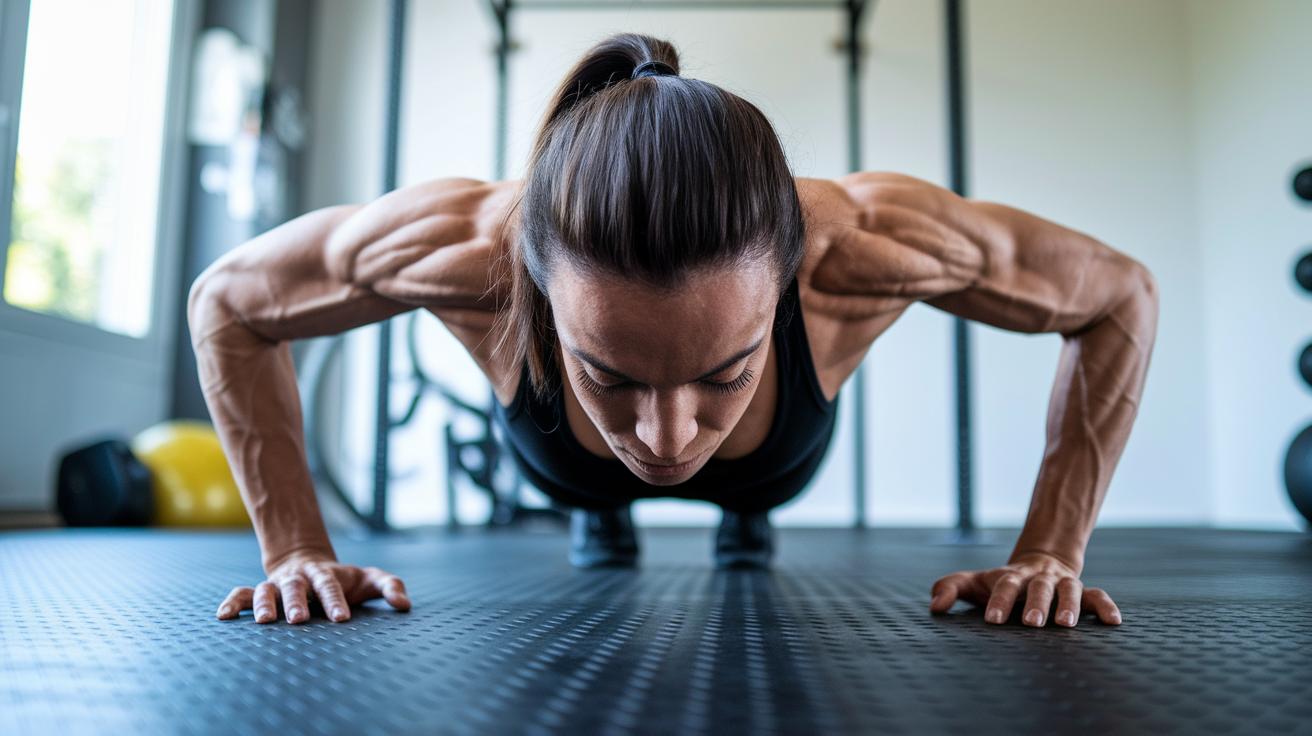
Progressive overload is the key to building muscle, even if you only use your body weight. It means slowly increasing the difficulty of your exercises so your muscles are always challenged. When you design your routine to push your limits and reach muscle fatigue in every set, you help your body grow stronger.
One way to increase the challenge is to do more repetitions while cutting down your rest time. For example, if you normally rest for 60 to 90 seconds, try limiting your break to 60 seconds. Gradually add a few extra push-ups or squats until your body adjusts. In fact, moving from 15 to 20 push-ups per set can give your muscles a noticeable boost in strength.
Mixing up your movements also helps target your muscles in new ways. Changing to styles like deficit or vertical push-ups can work different muscle groups. Slowing down both the lowering and lifting phases increases the time your muscles work, making each repetition more effective. You can even switch to an easier variation when you start feeling tired, as long as you keep your form strict.
For long-term results, update your workout routine regularly. Keep track of your progress, slowly ramp up your reps, and shorten your rest periods over time. Vary your exercises to ensure your muscles continue to face new challenges without the need for extra equipment.
Structuring Your Bodyweight Muscle-Building Routine
Start your workout with a quick warm-up. Move around with simple exercises like jogging in place or making arm circles. These activities boost blood flow and lower your risk of injury. After your workout, cool down by doing some light stretches to help your muscles recover and avoid stiffness.
You can design your routine in different ways. For example, a 20-minute beginner circuit could work well. In this style, complete three rounds of exercises such as push-ups, vertical push-ups, and chin-ups to get your heart rate up and work several muscle groups at once. Alternatively, you might choose an upper and lower split, where you focus on different muscle groups on different days, usually over six days.
Plan to train two to four times per week. Make sure you give your muscles about 48 hours of rest before working the same group again. This rest helps your muscles rebuild and grow stronger. Combine exercises that work multiple muscles (like push-ups) with moves that focus on one muscle at a time. As you get better, mix in new exercise types to keep your muscles challenged.
If you need more ideas, there are sample programs and set plans available. For more routines and inspiration, you can check out the exercise guides at https://greatnewssource.com?p=1529.
Form, Control, and Stability in Bodyweight Muscle Training
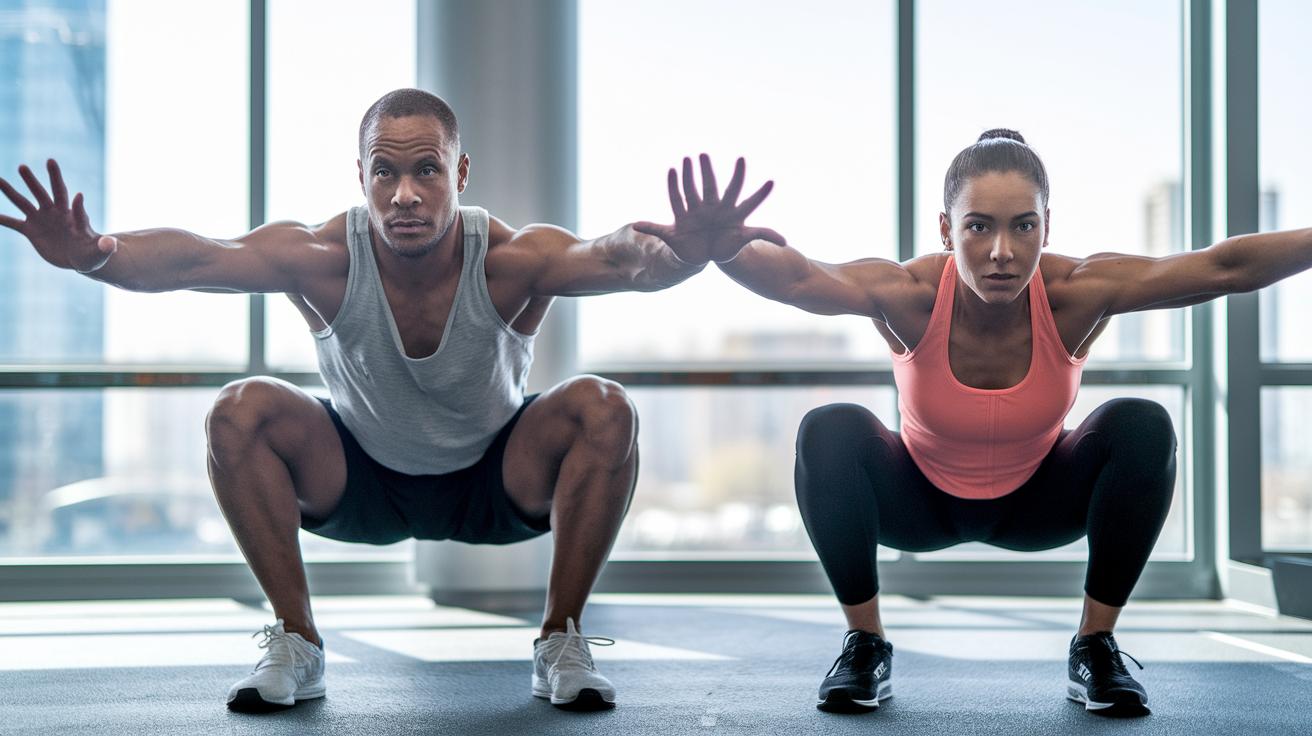
Start each movement with a straight spine and a tight midsection. Keeping your back straight and engaging your core sets the stage for good form, whether you’re doing push-ups or squats. A neutral spine helps all your muscles work well and keeps extra strain off your joints. Reminders like "shoulders down" and "hips even" can guide every rep.
Adding exercises for stability and mobility helps protect your joints for the long haul. Simple moves, like slow shoulder rotations or leg swings, keep your joints moving freely. When you perform reps slowly and with control, you boost muscle tension and lower your chance of injury.
If your form starts to slip during a set, it’s a cue to lower the intensity or switch to an easier version. Moving slowly and with focus not only builds control but also makes sure you work the right muscles. This careful approach strengthens your body while keeping your joints safe.
Advanced Bodyweight Variations to Amplify Muscle Hypertrophy
Push your workouts to the next level with exercises that add fresh challenges for your muscles. When you’ve mastered the basics, harder moves help you break through plateaus and steadily build strength. Higher-intensity drills work your muscles in new ways, increasing tension and calling on fast-twitch fibers to boost both coordination and growth.
Upper-body exercises get a smart update too. Deficit push-ups offer a deep stretch to power up your chest, while vertical push-ups shift the workload to your front and side shoulders. Variations like L-sit chin-ups and archer chin-ups mix in core stability and one-sided strength work. Each set feels different, which helps you develop more power and balance over time.
For your lower body and back, try combining moves like towel deadlifts to hip thrust transitions and jump squats to develop explosive strength. Plyometric moves, such as clap push-ups, spark your fast-twitch fibers, enhancing both muscle size and performance. These exercises work your quads, glutes, and back while keeping your routine dynamic and well-rounded.
Integrate these advanced variations into your weekly routine with care. Rotate the intensity of your workouts to give your muscles time to recover. Pay close attention to your form and adjust the difficulty as needed. By staying consistent and progressing mindfully, you can build strength safely and enjoy lasting gains.
Final Words
In the action, the article outlines six key movements, effective overload techniques, structured routines, proper form and stability cues, and advanced variations, all designed to boost muscle gain without the gym. Each section guides you through planning and executing bodyweight exercises to build muscle while minimizing injury risks.
By rotating these movements and increasing challenge gradually, you can make steady progress. Stay motivated and keep moving forward with confidence.
FAQ
Q: What is a bodyweight workout plan PDF?
A: The bodyweight workout plan PDF provides a detailed guide for building muscle using only your body. It lists exercises like push-ups, squats, and chin-ups, and offers clear steps for home routines.
Q: How do bodyweight exercises help build muscle at home?
A: Bodyweight exercises build muscle at home by using moves such as push-ups, chin-ups, and squats that challenge your muscles with no equipment. They can be adjusted for different fitness levels.
Q: What bodyweight exercises are recommended for beginners?
A: Bodyweight exercises for beginners include basic push-ups, squats, and modified chin-ups. These moves gradually build strength and can be easily adjusted as you improve.
Q: Can you build muscle mass with bodyweight exercises?
A: Bodyweight exercises build muscle mass when you incorporate progressive overload and maintain strict form. Variations like deficit push-ups add extra muscle stretch to support muscle growth.
Q: What is the 3 3 3 rule for exercise?
A: The 3 3 3 rule for exercise means dividing your workout into three sets of three key moves. This approach helps balance your routine and keeps your muscles challenged.
Q: Can you gain muscle without weights?
A: You can gain muscle without weights by using bodyweight exercises that increase intensity through added repetitions, reduced rest, and exercise modifications. This method effectively challenges muscles for growth.
Q: What are the 5 exercises to build muscle?
A: Five key exercises to build muscle are push-ups, chin-ups, squats, towel deadlifts, and vertical push-ups. Each move targets different muscle groups, ensuring a balanced, full-body workout.