
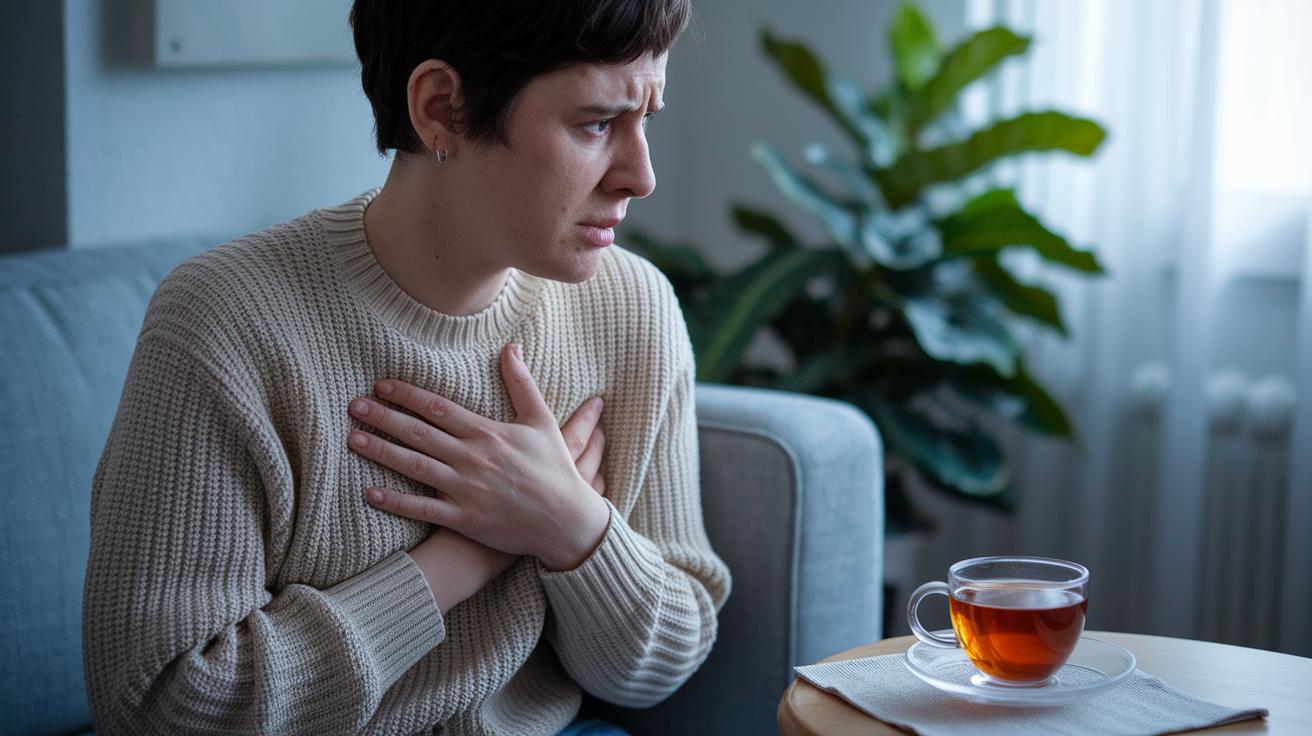

Ever wondered if you could quiet your mind during an anxiety spike? Anxiety can make your heart race and your thoughts feel jumbled. The good news is relief might be closer than you think. This guide offers four simple steps to slow your breathing, help you reconnect with your body, and ease tension quickly. Try these techniques and you may shift from feeling panicked to feeling calm in just a few moments.
Immediate Anxiety Attack Relief Methods
Panic attacks can come on fast, making your heart race and your chest feel tight. They might also bring sweating and a strong sense of fear that can last anywhere from 5 to 60 minutes. Acting quickly can sometimes help stop the panic from growing.
Here are four simple steps you can take in the moment:
First, try slow, deep breathing. Breathe in gently through your nose, hold your breath for 5 seconds, and then slowly breathe out through your mouth as if you are letting air out of a balloon.
Second, look around and name five things you see. This helps ground you in the present.
Third, count backward from 20. Focusing on numbers can distract your mind from worrisome thoughts.
Fourth, choose a calming phrase or a nice memory to repeat in your head. For instance, you might say, "Breathe in calm, breathe out stress" to ease your racing thoughts.
If any of these steps feel too hard, it’s okay to pause for a bit. Listen to your body and take the time you need to feel better.
| Method | How It Helps |
|---|---|
| Deep Breathing | Slows down your heart rate and calms your body. |
| Sensory Grounding | Focuses your mind on what’s around you. |
| Counting Backward | Shifts your focus away from anxious thoughts. |
| Mental Distraction | Helps replace worry with a positive thought. |
Breathing and Grounding Techniques for Anxiety Attack Relief

When anxiety sets in, try taking a moment to breathe deeply and ground yourself using simple techniques. Deep breathing from your diaphragm helps slow your heart rate and reduce trembling, while focusing on your senses brings you back to the present.
5-4-3-2-1 Technique
This exercise uses your senses to bring your attention away from worry. Start by naming 5 things you can see around you. Next, touch 4 objects nearby to feel more steady. Then, listen for 3 different sounds to shift your focus. After that, take note of 2 distinct smells in your surroundings. Finally, pay attention to 1 taste, such as by sipping some water. This process helps quiet anxious thoughts and centers your mind.
Hand on Heart Method
Place your hand gently over your heart and breathe slowly. With each breath in, feel your chest rise; with each breath out, sense the calming pressure of your hand. This simple gesture tells your brain that you are safe and helps ease tension.
- Breathe slowly and deeply.
- Use the 5-4-3-2-1 steps to focus your senses.
- Rest your hand gently on your heart.
- Repeat calming phrases like "I am calm."
Natural Calming Remedies to Support Anxiety Attack Relief
Herbal supplements can help ease tension when you feel overwhelmed by anxiety. For example, taking chamomile extract in doses ranging from 200 to 400 mg and valerian root at 300 to 600 mg may support a calmer mood as part of your regular routine.
Another natural option is essential oil aromatherapy. Inhaling the gentle scents of lavender or bergamot can help trigger a relaxation response. You might use a diffuser or simply place a few drops on a tissue to take deep, calming breaths when stress starts to rise.
Your dietary choices can also support a calmer nervous system. Enjoying a warm cup of herbal tea may ease nausea and promote relaxation, while foods rich in magnesium, like spinach and almonds, can help relax your muscles and boost your overall well-being.
- Chamomile supplement: Take 200–400 mg of extract as directed.
- Valerian root: Use 300–600 mg to help lower tension.
- Lavender essential oil: Add 3–5 drops in a diffuser for a calming effect.
- Warm herbal tea: Sip slowly for soothing relief.
- Magnesium-rich snack: Try a serving of spinach or a handful of almonds to support muscle relaxation.
At-Home Exercises for Fast Anxiety Attack Relief
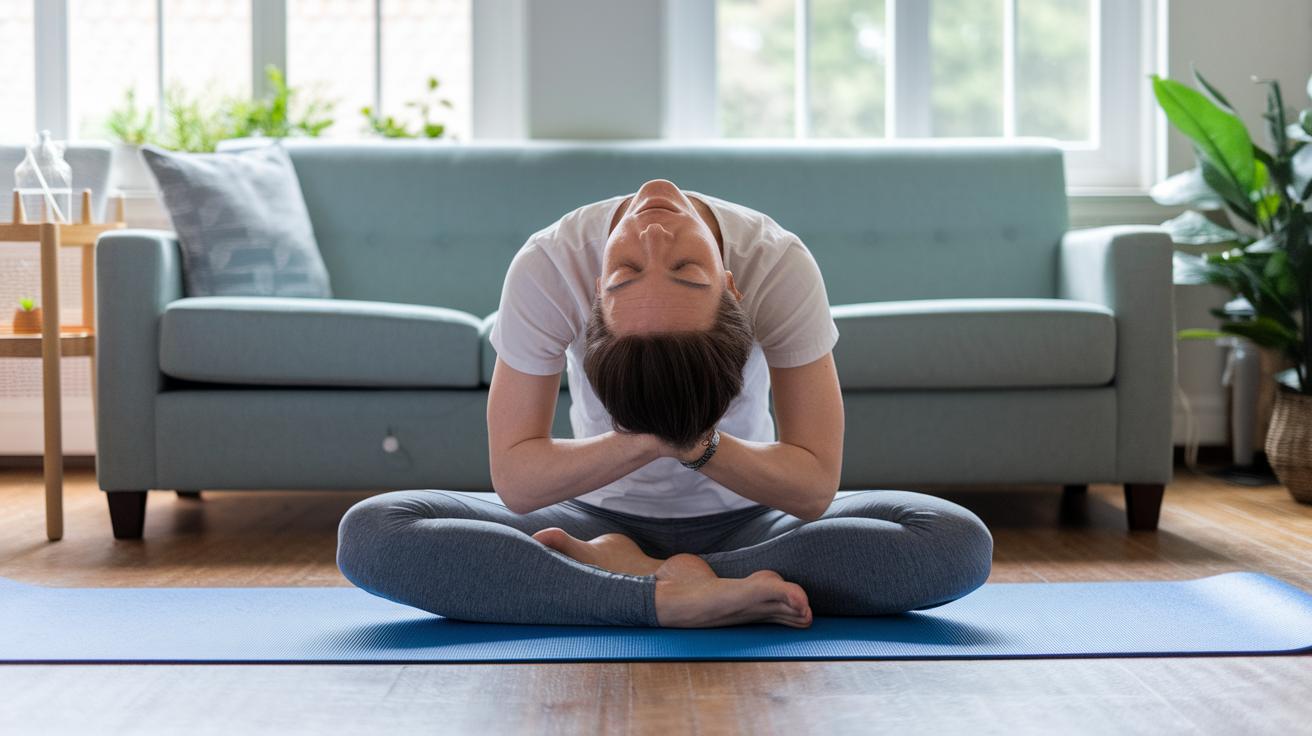
When anxiety strikes, gentle exercises at home can help ease tight muscles and clear your mind. Moving slowly and carefully may lower your adrenaline while inviting a natural sense of calm. Start at a comfortable pace and check in with yourself as you move.
Try adding these simple exercises to your routine:
- Neck tilts: Do 10 slow tilts on each side to relax your neck muscles.
- Shoulder rolls: Roll your shoulders 10 times forward and 10 times backward to ease tension.
- Seated spinal twists: Twist gently 5 times on each side to boost mobility and soothe nerves.
- Child's Pose: Hold this yoga position for 30 seconds to let your back and shoulders soften.
- Legs-Up-the-Wall: Rest in this position for 45 seconds to encourage calm.
- Light jogging or walking in place: Keep moving for 5 minutes to help reduce adrenaline and feel centered.
If any exercise feels too strong, or if you feel dizzy or short of breath, stop immediately. Listen to your body and adjust your routine to stay safe.
Daily Routines for Anxiety Attack Relief
Begin your day with a few minutes of mindfulness to set a relaxed tone. Spend 5–10 minutes focusing on your breath through simple meditation or a guided relaxation session. Writing your thoughts in a mood journal can help you spot triggers and clear your mind before they build up. These morning practices kick-start your body's natural relaxation response for the day ahead.
Later in the day, take short movement breaks to keep your energy steady. A brisk 20-minute walk or a light exercise routine can lower stress and brighten your mood. Regular physical activity also supports emotional balance. Noting your feelings in a mood journal during these breaks gives you a chance to track and address stress changes quickly.
As the day winds down, choose calming activities that signal it's time to relax. Try gentle stretching, quiet reading, or a short mindful meditation to release any built-up tension. These evening routines can help reduce the chances of panic attacks by consistently reinforcing a sense of calm. For more ideas on creating a daily routine to manage stress, check the article "stress management and coping strategies" at https://greatnewssource.com?p=1482.
| 5-minute morning meditation |
|---|
| 20-minute moderate exercise |
| Journaling triggers and feelings |
| Evening mindful stretching |
Signs to Seek Professional Help for Anxiety Attack Relief
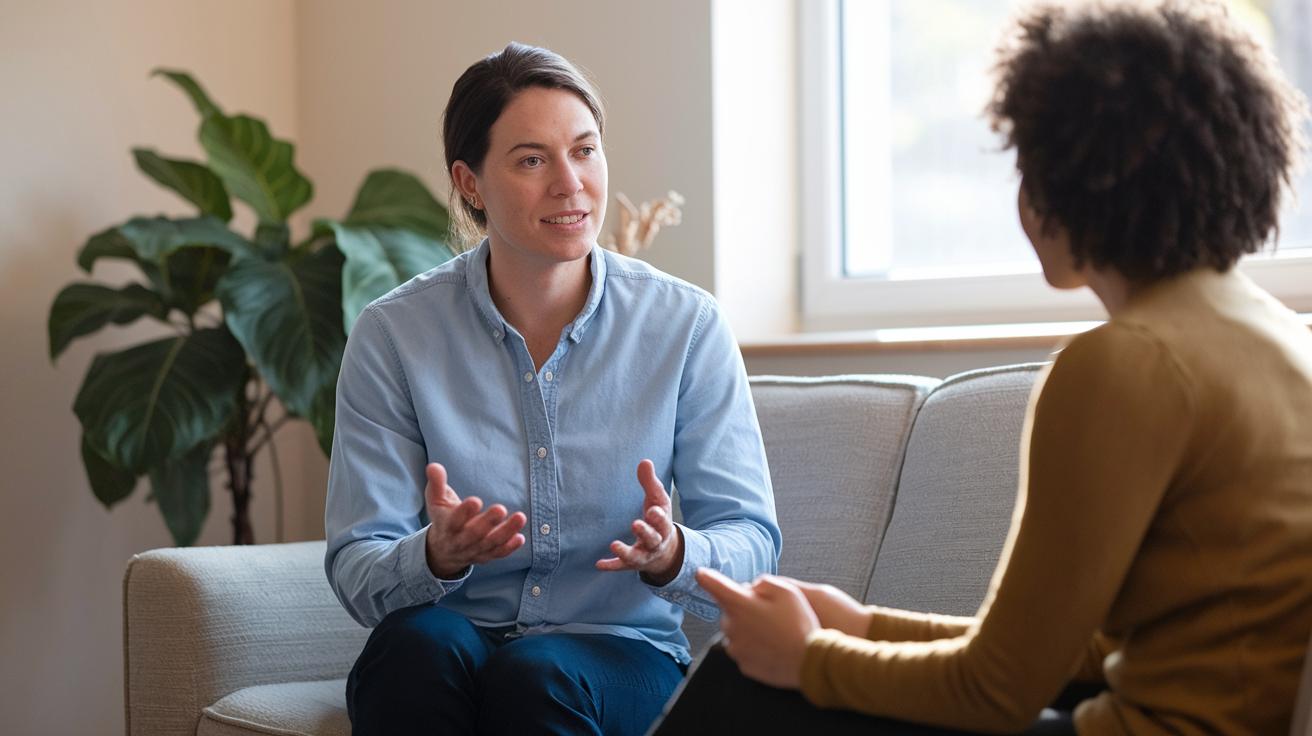
If you have panic attacks that last over 60 minutes or occur more often than usual, it might be a good idea to reach out to a professional. When anxiety starts to interfere with work, school, or your relationships, a mental health expert can help you understand your triggers and offer ways to ease your anxious thoughts. This support can help stop panic attacks from turning into a longer-term issue.
Seeing a therapist or using prescribed medication can help you manage anxiety more effectively. These professionals can teach you simple techniques to calm your mind quickly when symptoms appear. They can also show you safe ways to monitor how you're feeling and help you explore the reasons behind your anxiety.
Signs that you might need professional help include:
- Panic episodes triggered by everyday stress.
- Avoiding activities or places you once enjoyed.
- Noticeable problems at work, school, or in social settings.
Final Words
In the action, the article offered rapid tactics to ease panic symptoms. It showed how simple breathing methods, grounding techniques, natural remedies, quick exercises, and daily routines empower you to manage your anxiety. Each section provided clear steps to help calm racing heart and overwhelming fear while ensuring safety. Keeping these ideas handy can turn moments of panic into manageable instances.
Key takeaways include:
• Breathing exercises
• Grounding techniques
• Natural calming remedies
• Quick at-home movements
• Daily self-care tactics
These methods support effective anxiety attack relief.
FAQ
Frequently Asked Questions
Q: How do you calm and reduce an anxiety attack?
A: Calming an anxiety attack involves using quick techniques like paced breathing and grounding. Focusing on surroundings and controlling your breath helps interrupt worry loops and eases physical symptoms.
Q: How can you calm an anxiety attack at night?
A: Calming an anxiety attack at night means creating a soothing environment. Focus on slow, deep breaths, dim the lights, and use grounding techniques to help settle your mind in a calm setting.
Q: What distinguishes a panic attack from an anxiety attack?
A: Differentiating them shows that panic attacks often hit suddenly with intense physical symptoms, while anxiety attacks develop gradually and are linked to ongoing worry and stress.
Q: How is anxiety attack treatment managed at home?
A: Treating an anxiety attack at home involves self-help methods like diaphragmatic breathing, grounding exercises, herbal teas, and natural remedies to ease tension and reduce symptoms.
Q: What are typical anxiety attack symptoms in females?
A: Anxiety attacks in females may present as a racing heart, chest tightness, trembling, and overwhelming fear. Recognizing these early signs can help prompt quick relief measures and support.
Q: How can someone stop panic attacks permanently?
A: Stopping panic attacks long term usually requires professional help combined with regular self-care routines. Therapy, lifestyle changes, and stress management practices support lasting relief.
Q: What does the 3-3-3 rule for panic attacks mean?
A: The 3-3-3 rule means you should identify 3 things you see, 3 things you hear, and take 3 deep breaths. This grounding technique helps shift focus away from panic and stabilizes emotions.
Q: How can you stop an ongoing panic attack?
A: Addressing an ongoing panic attack with deep, slow breathing and grounding your attention on present sensations can help reduce intensity. Reminding yourself the attack will pass also supports recovery.