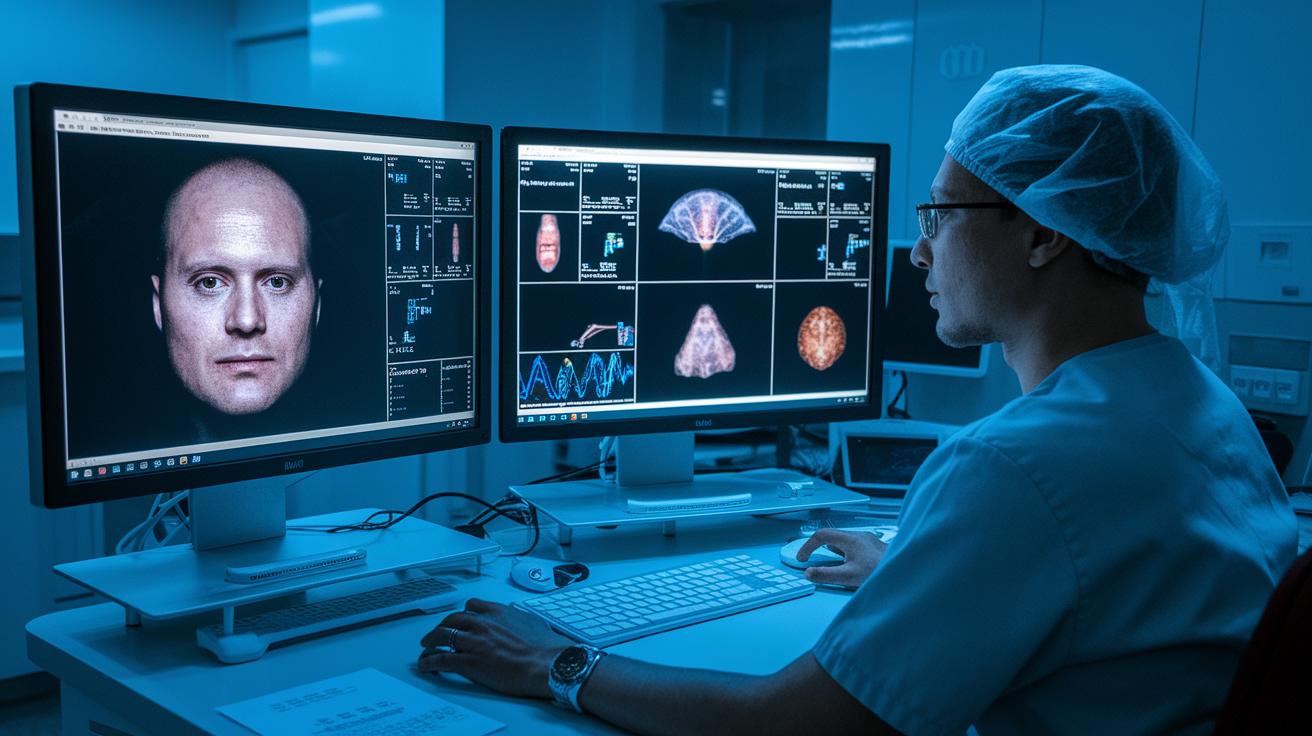

New AI tools are changing how quickly radiologists can read scans. By the end of 2025, hospitals and clinics are expected to use hundreds of FDA-approved programs that can check x-rays and scans for fractures, lung issues, and brain problems.
These systems handle everyday tasks so that radiologists can spend more time on challenging cases. This shift may lead to quicker, clearer diagnoses that help improve patient care. In this post, we explain what these tools do, how they work, and why they could make a big difference in how patients are treated.
FDA-approved AI tools for radiology: what they do!
By late 2025, hundreds of AI tools had gained FDA clearance for radiology. This fast growth shows how these advanced systems are now a common part of imaging work in clinics and hospitals.
These approved tools analyze scans to spot issues like fractures, lung problems, and brain abnormalities. They flag unusual patterns in mammograms and lung images, help sort out urgent cases, and even create draft reports. This helps radiologists work faster and more accurately while reducing the chance of missing important details.
Rayvolve AI Suite is a good example of this technology in action. It uses deep-learning neural networks to cut down on false alarms in difficult cases. Its smart design allows it to quickly and accurately support doctors, letting them focus on more complex decisions.
Overall, these innovations are changing how imaging is done in healthcare. They take over routine tasks and help improve the accuracy of diagnoses, making patient care smoother and more efficient.
As these tools become more common, they show promise in freeing up valuable time for radiologists, allowing them to spend more time on challenging diagnostic work that really makes a difference in patient outcomes.
Clinical Applications of FDA-approved AI Tools for Radiology
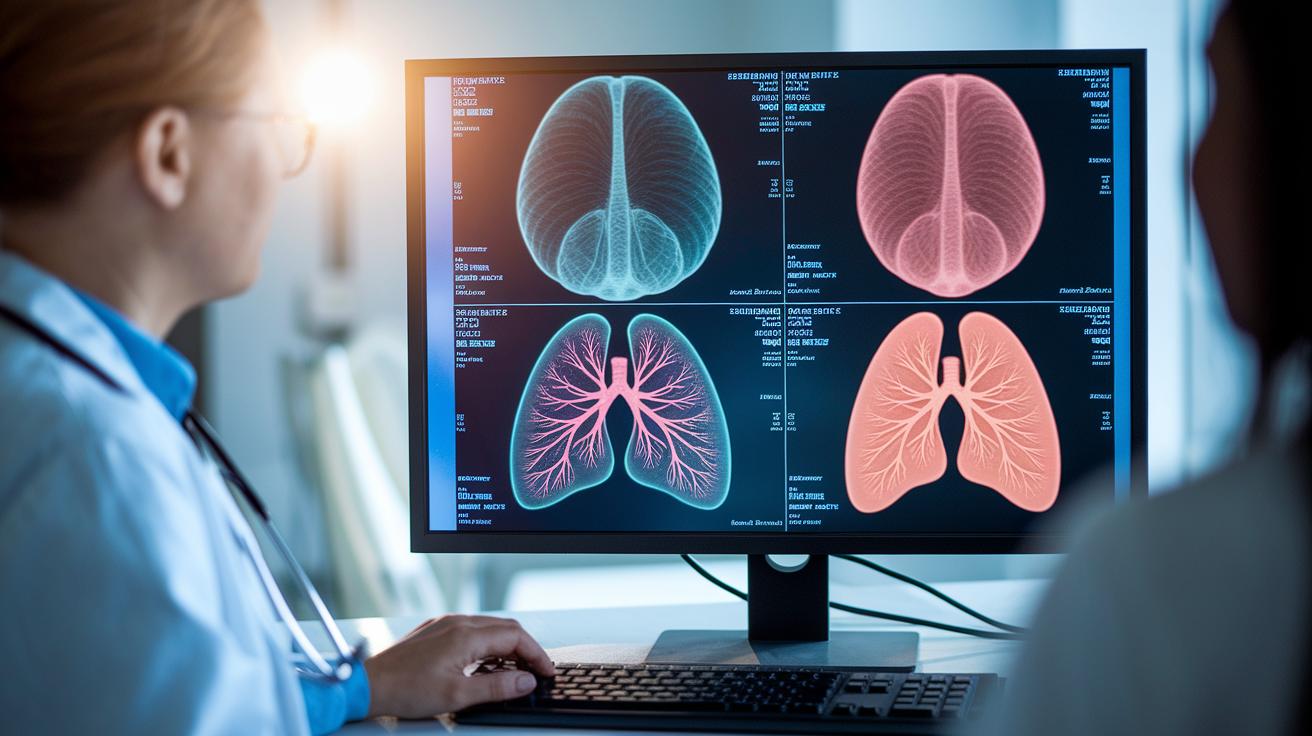
FDA-approved AI tools are now used in many types of medical imaging. These devices support radiologists with smart algorithms for clearer scans and quicker diagnoses.
Breast Cancer Screening Tools
Several devices help in checking for breast cancer. Mirai predicts a woman’s long-term risk with scores that typically range from 0.7 to 0.8. Other tools like Transpara, ProFound AI, and Clarity Breast scan for unusual masses and small calcium deposits. With these tools, doctors can spot potential issues in the early stages.
Lung Cancer and Chest Imaging Tools
AI technologies for chest imaging can automatically sort lung nodules and monitor subtle changes in size on low-dose CT scans. This process supports early detection of lung cancer and helps doctors plan the best treatment by noting even small shifts in nodule volume.
Neurological and Stroke Imaging Tools
Viz.ai uses a CT angiography system with 13 different algorithms to spot signs of a stroke. It also performs ASPECTS scoring and is used in over 1,600 hospitals, often reducing treatment times by about 66 minutes. Additionally, Aidoc and Qure.ai scan head CTs to detect brain bleeds with over 90% sensitivity, aiding in quicker response times.
Cardiovascular Imaging Tools
Caption AI assists doctors during ultrasound exams by guiding the probe and taking automated measurements of the heart’s chambers. CT-based tools can also calculate calcium scores and evaluate narrowed arteries, which helps cardiologists make precise assessments.
Musculoskeletal Imaging Tools
BoneXpert is used to assess bone age in children through X-rays, and new AI systems are proving useful for spotting fractures. These tools give fast, reliable readings that can be checked alongside traditional methods.
| Modality | Tool Examples | Key Function | Performance Metrics |
|---|---|---|---|
| Breast | Mirai, Transpara, ProFound AI, Clarity Breast | Risk prediction and mass detection | Concordance indices 0.7–0.8 |
| Lung | Lung AI Algorithms | Nodule triage and volumetric tracking | Early detection on low-dose CT |
| Neurological | Viz.ai, Aidoc, Qure.ai | Stroke and hemorrhage detection | AUC > 0.90; Sensitivity >90% |
| Cardiovascular | Caption AI | Ultrasound guidance and CT measurements | Accurate automated metrics |
| Musculoskeletal | BoneXpert, Fracture Detection Systems | Bone age assessment and fracture detection | FDA cleared with clinical validation |
Regulatory Pathways for FDA-approved AI Tools in Radiology
In the United States, most radiology AI tools are approved as moderate-risk Software as a Medical Device using the 510(k) process. In Europe, these tools are usually classified as Class IIa or Class I, which means they must meet clear safety and effectiveness standards before they are used with patients.
FDA clearance involves a careful review process. Developers must provide clinical data that shows the tool works as expected and is reliable. The review checks that the tool fits into a moderate-risk category and that its intended use is appropriate. Manufacturers also need to show detailed plans for managing the software from development through its time on the market. This ongoing monitoring helps ensure that the AI tool continues to work safely and effectively in everyday practice, keeping high standards for diagnosis and patient care.
Performance and Validation Metrics for FDA-approved Radiology AI Tools

FDA-approved radiology AI tools are measured using key figures that show how well they work. These figures, like sensitivity, specificity, and AUC scores (which tell us overall test accuracy), help us know if a tool is accurate and useful in real medicine. Clinical trials and studies across several centers back up these evaluations with real-world data. Independent research and peer-reviewed work add extra trust that these tools perform well in different medical settings.
Assessments consider both numbers and everyday use. Data from vendors explain what the tools can do and where they might fall short. Trials have confirmed that many of these systems can accurately detect issues such as stroke and brain hemorrhage. For example, AUC scores provide a snapshot of accuracy, while sensitivity shows how well a tool finds true positive results.
- Sensitivity: Aidoc’s intracranial hemorrhage tool shows over 90% sensitivity with few false alarms.
- Specificity: Tools are tested for how well they correctly identify patients without the disease.
- AUC scores: Viz.ai’s stroke detection algorithm has achieved an AUC above 0.90.
- Concordance indices: Studies often show strong agreement in predicting diseases, reflected in high concordance indices.
- Real-world deployment data: Evidence from multi-center trials and clinical studies shows these tools perform reliably in routine care.
Regular performance checks are essential to maintain diagnostic accuracy. Ongoing peer reviews and systematic post-market studies help refine these AI systems, ensuring they stay safe, dependable, and effective for patient care.
Benefits and Limitations of FDA-approved AI Tools in Radiology
FDA-approved AI tools are changing how radiology works by speeding up diagnosis and cutting down on routine work. They quickly review images, draft reports, and rank exams by urgency so radiologists can spend more time on challenging cases.
These tools handle many time-consuming tasks, which gives care providers more time to focus on patient needs. Faster treatment decisions and smoother workflows are the clear benefits.
However, AI tools aren’t a replacement for human interaction. They can’t explain results directly to patients or mix imaging data with a full clinical picture, and they don’t take legal responsibility for care.
There are also ethical and security issues to keep in mind. Data privacy remains a challenge, and algorithm biases can slip through. Radiologists play a key role in overseeing these tools, ensuring they work safely and accurately for every patient.
Integration of FDA-approved AI Tools into Radiology Workflows
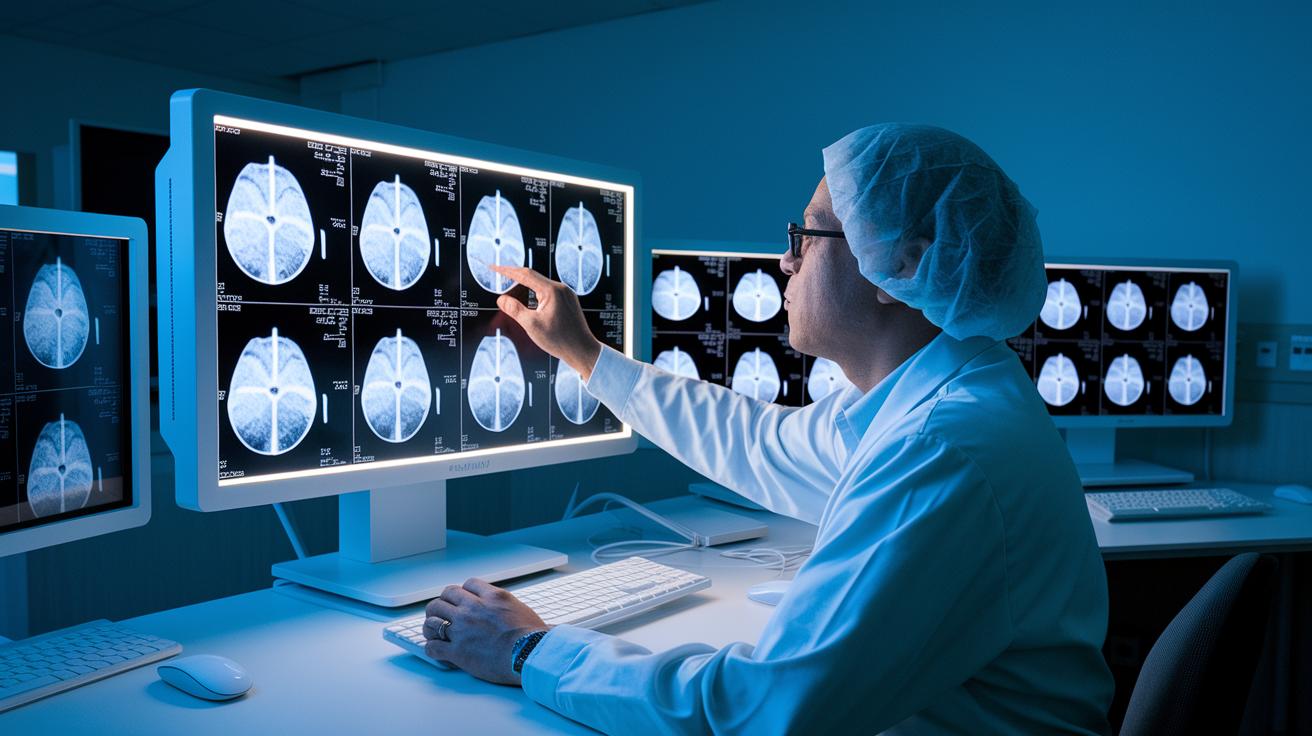
New AI tools now link up effortlessly with systems like PACS and RIS to speed up work. They automatically score imaging exams based on priority so radiologists can focus on urgent cases. These tools even create first-draft reports by analyzing images, which means reviews happen faster and repetitive tasks decrease. For example, they go through common datasets to highlight exams that might need more attention and prepare initial notes for the radiologist to check, kind of like a tool that instantly flags a critical exam and drafts its report, freeing up time for more complex cases.
A fresh wave of generative AI, such as GPT-4V, is enhancing both report writing and real-time monitoring of workflows. This technology builds clear, structured radiology reports from imaging data with great accuracy. It not only improves consistency but also lets reports update dynamically as new data comes in. All of this could lead to quicker diagnoses and more efficient care for patients.
FDA-approved AI tools for radiology: what they do!
In Europe, nearly half of radiologists used these AI tools by 2024, up from 20% in 2019. This clear jump shows that many professionals now trust automated imaging, which speeds up diagnosis and helps manage heavy workloads.
Doctors are teaming up on AI research projects to make these tools even better. Their work not only confirms the benefits we see today but also sparks new innovations in radiologic diagnostics.
Looking ahead, new imaging methods will change radiology even more. Soon, AI tools will work with more types of images, catching details that might have been missed before. They may also offer better risk predictions and give real-time advice during complex cases. These improvements could lead to faster, more accurate diagnoses and better care for patients.
Final Words
In the action of evolving radiology practices, this post outlined key capabilities of automated image analysis, anomaly flagging, and report drafting. It touched on real-world examples like Rayvolve AI Suite and reviewed soaring usage and adoption trends.
The piece also shared insights on regulatory pathways and performance metrics while noting current limitations. FDA-approved AI tools for radiology: what they do continue to streamline workflow and support radiologist decision-making, paving the way for improved patient outcomes and a brighter healthcare future.
FAQ
Q: What does the FDA-approved AI medical device list include?
A: The FDA-approved AI medical device list includes various AI tools cleared for clinical use, detailing their functions like image interpretation, anomaly detection, and workflow support.
Q: What are some examples of FDA-approved AI medical devices?
A: FDA-approved AI medical devices include tools like Rayvolve AI Suite and Viz.ai that automate image analysis, flag potential abnormalities, and assist in triaging exams.
Q: What does FDA guidance for AI-enabled medical devices cover?
A: FDA guidance for AI-enabled medical devices outlines standards for clinical validation, safety, risk classification, and post-market monitoring to ensure these tools work reliably in patient care.
Q: What new medical devices were approved by the FDA in 2025?
A: In 2025, the FDA approved numerous AI-enabled devices, especially in radiology, that use deep learning to improve diagnostic precision and help generate timely reports.
Q: What are the key points in FDA AI guidance for 2025?
A: FDA AI guidance for 2025 emphasizes rigorous performance validation, software lifecycle management, and enhanced clinical evidence to support safe and effective integration of AI in imaging.
Q: What is Elsa FDA AI?
A: Elsa FDA AI refers to a specific AI tool reviewed by the FDA for radiology applications, designed to assist in image processing and diagnostic support, with its details reported in the FDA dossier.
Q: How does the FDA conduct its review of AI tools?
A: The FDA review process evaluates AI tools based on safety, efficacy, performance metrics, clinical evidence, and risk management protocols before granting clearance for use.
Q: Which are the top 5 AI tools in radiology?
A: The top 5 AI tools in radiology include systems like Rayvolve AI Suite, Viz.ai, Aidoc, Caption AI, and BoneXpert, recognized for automating scan analysis and supporting diagnostic workflows.
Q: Is AI taking over radiology technology?
A: AI enhances radiology by boosting efficiency in image analysis and reporting, yet radiologists remain essential for integrating clinical context and making informed diagnostic decisions.
Q: How many AI devices has the FDA approved?
A: The FDA has cleared hundreds of AI-enabled radiology tools by late 2025, reflecting significant growth in technologies that support automated diagnostic imaging.
Q: What is known as the FDA AI tool?
A: There isn’t one single FDA AI tool; instead, multiple devices like Rayvolve AI Suite exemplify the range of AI technologies in radiology that receive regulatory clearance.