


Do you often end the day feeling exhausted? You can boost your energy with a simple workout you do at home.
This routine blends full-body strength exercises, quick bursts of movement, and easy mobility drills. It takes less than 30 minutes and fits into even the busiest week.
In just 30 days, you could start feeling stronger and more alert with every workout session.
Kickstart Your Active Lifestyle Workout Routines Today
This beginner workout plan is designed for anyone looking to start a regular exercise routine. You can work out for 10 to 35 minutes at a time, 3 to 5 days each week. Each session includes full-body strength exercises, short bursts of high-intensity work, and simple mobility drills. There is also a rest day built in so your muscles can recover and get stronger. You only need a set of 8–20 lb dumbbells, making it easy to do at home.
The plan runs for 30 days and is divided into four weeks. In the first week, you might begin with a warm-up and a full-body circuit. As you progress, you will add short, high-intensity intervals along with cool-down stretches. This mix keeps your workouts lively and works for different fitness levels. The plan also gives tips for beginners who can adjust each session as they build strength.
- Aim to exercise at least 3 days per week.
- Set a timer for sessions that last between 20 and 30 minutes.
- Use 8–20 lb dumbbells to help challenge your muscles.
- Start with a warm-up and finish with cool-down stretches to prevent injuries.
- Keep track of your workouts to see your progress.
Pick a routine that fits with your goals and schedule. Whether you want to boost your energy, build strength, or simply stay active, this balanced mix of exercises can help. Start with shorter sessions and gradually increase their length as you feel more comfortable. This steady approach lets your body adjust while you enjoy the benefits of full-body training.
Time-Efficient Active Lifestyle Workout Routines for Busy Schedules
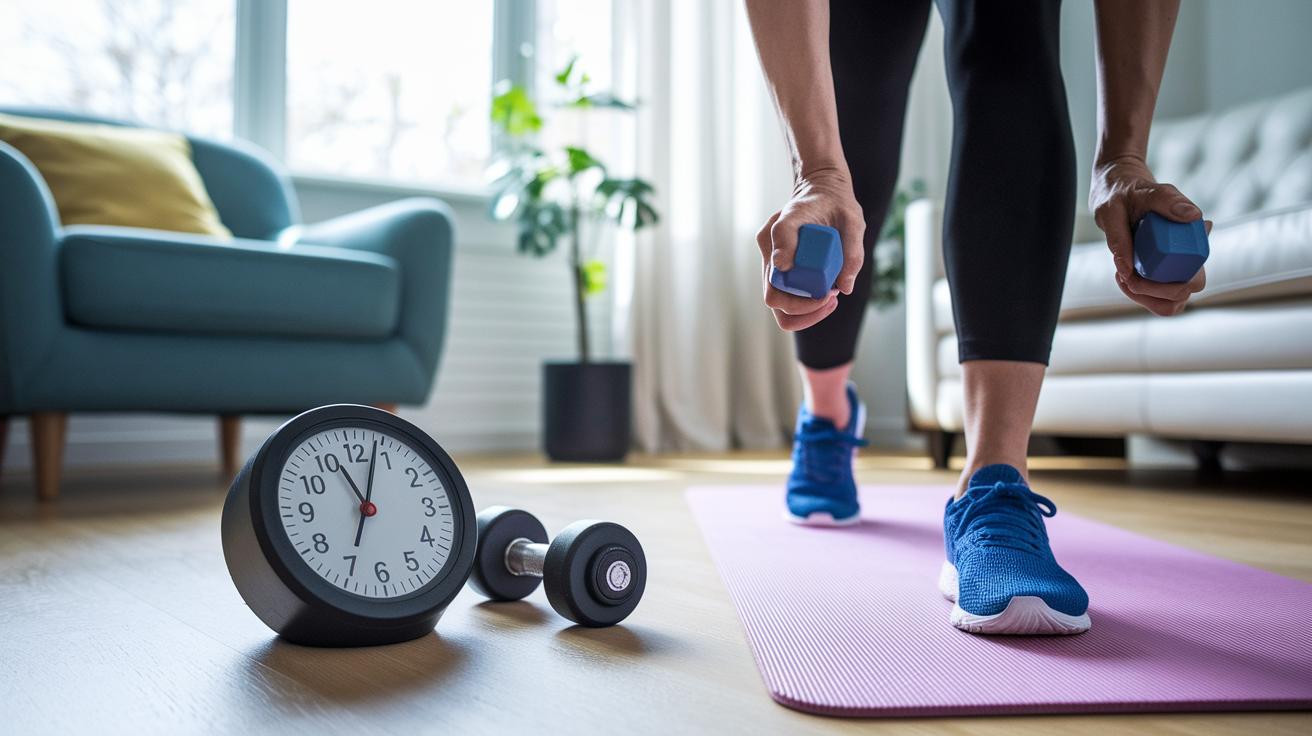
Even if your day is packed, a short workout can still offer great benefits. With sessions under 30 minutes, you can challenge your entire body without a huge time commitment. These routines are designed to boost your energy and improve overall fitness, making them an excellent choice for busy schedules. Best of all, you can choose workouts lasting from 10 to 35 minutes so they easily fit into your week, just remember to include a rest day for muscle recovery.
- HIIT Routine – Try a 15-minute high-intensity interval training session followed by a 5-minute core workout. This combination quickly raises your heart rate and builds core strength.
- Circuit Training – Enjoy a 20-minute full-body workout that moves you through different exercise stations, keeping the routine fresh and effective.
- Interval Running – Engage in a 25-minute workout that alternates between sprinting and a moderate run to improve your heart health.
- Endurance Training – Consider a 30-minute strength session that focuses on muscle endurance with steady, controlled repetitions and gradual increases in effort.
Even the busiest schedule can make room for exercise. Choose the workout format that suits your day, whether it’s a brisk HIIT session or a consistent circuit, and make time for movement. This simple strategy helps keep your energy levels high and supports an active, balanced lifestyle.
Home vs Gym Active Lifestyle Workout Routines Made Simple
Deciding where to work out comes down to your space, budget, and fitness goals. Home workouts use simple moves with body weight or a pair of 8–20 lb dumbbells. They offer ease and allow you to exercise without wasting time on travel.
Gyms, meanwhile, provide a wide range of equipment like machines and free weights that let you work specific muscles. For example, exercise routines to build muscle make the most of these resources. Gyms also offer extra motivation from fellow exercisers and trainers. However, the cost and commute may not suit everyone.
Each option has clear benefits and drawbacks. It all depends on your lifestyle and what you need to train.
| Location | Equipment | Key Benefit |
|---|---|---|
| Home (Bodyweight) | None | Ultimate convenience and low cost |
| Home (Dumbbell) | 8–20 lb dumbbells | Effective muscle challenge with minimal gear |
| Full Gym | Machines, free weights | Targeted conditioning and diverse training options |
When choosing a workout spot, think about whether you value the convenience of home or the variety offered by a gym. Pick the option that best fits your space, budget, and fitness goals to help boost your energy.
Customizing Active Lifestyle Workout Routines by Fitness Level

When you're just starting out, the key is to focus on doing each movement correctly and not overloading your muscles. Moving slowly helps you learn proper form while lowering the chance of injury. Stick to simple bodyweight exercises and light variations so you can master the basics.
• For example: Try doing 2 sets of 10 slow, controlled squats.
• For example: Try 3 sets of 8 push-ups done on your knees.
At this stage, it’s more important to work regularly and build your technique than to push hard. Every workout is a chance to get better without overdoing it.
Once you’ve mastered proper form, you can start to challenge your muscles more by adding extra weight or more repetitions. Increasing the load gradually helps your body get stronger while keeping your focus on good technique. This approach builds muscle tone steadily over time.
• For example: Try 3 sets of 12 lunges while holding 8-pound dumbbells.
• For example: Try 4 sets of 10 bench presses using a moderate weight.
These changes let you see your progress clearly as you slowly increase the intensity of your workouts.
For those who are experienced with exercise, advanced routines incorporate more challenging moves that test both strength and balance. Adding exercises like kettlebell swings, combined dumbbell leg circuits, and moving cardio elements can boost your workout by engaging many muscle groups while improving stability.
• For example: Try 4 sets of 15 kettlebell swings.
• For example: Try 3 sets of 12 dumbbell leg circuits.
These advanced moves are meant to push your limits in a smart way, combining different exercises to help you stay strong, balanced, and motivated.
Integrating Recovery and Mobility into Active Lifestyle Workout Routines
Taking time to recover is a key part of any training plan. Rest days let your muscles repair, ease soreness, and boost flexibility. For example, choosing a rest day like Day 7 can help you perform better during your workouts. This balance between activity and rest not only prevents injuries but also keeps your energy high. Giving your body time to heal now sets you up for steady progress later.
Here are some simple recovery moves to try:
- Foam Rolling – Gently roll sore muscles to release tension.
- Posture Reset – Do exercises that realign your body for better balance.
- Static Stretches – Hold easy stretches to lengthen muscles.
- Light Yoga Flow – Move through a few simple yoga poses.
- Core Stability Drills – Work your core with exercises that build control.
- Easy Walk – Take a brisk walk to boost circulation and speed up recovery.
Balancing workout intensity with proper recovery is important for long-term success. Including these active recovery and mobility exercises in your routine helps your body adjust to tougher sessions without risking fatigue. Listen to your body and allow time to rest so every workout stays effective and safe. This steady approach builds strength and energy, supporting your active lifestyle every step of the way.
Tracking Progress and Motivation in Active Lifestyle Workout Routines
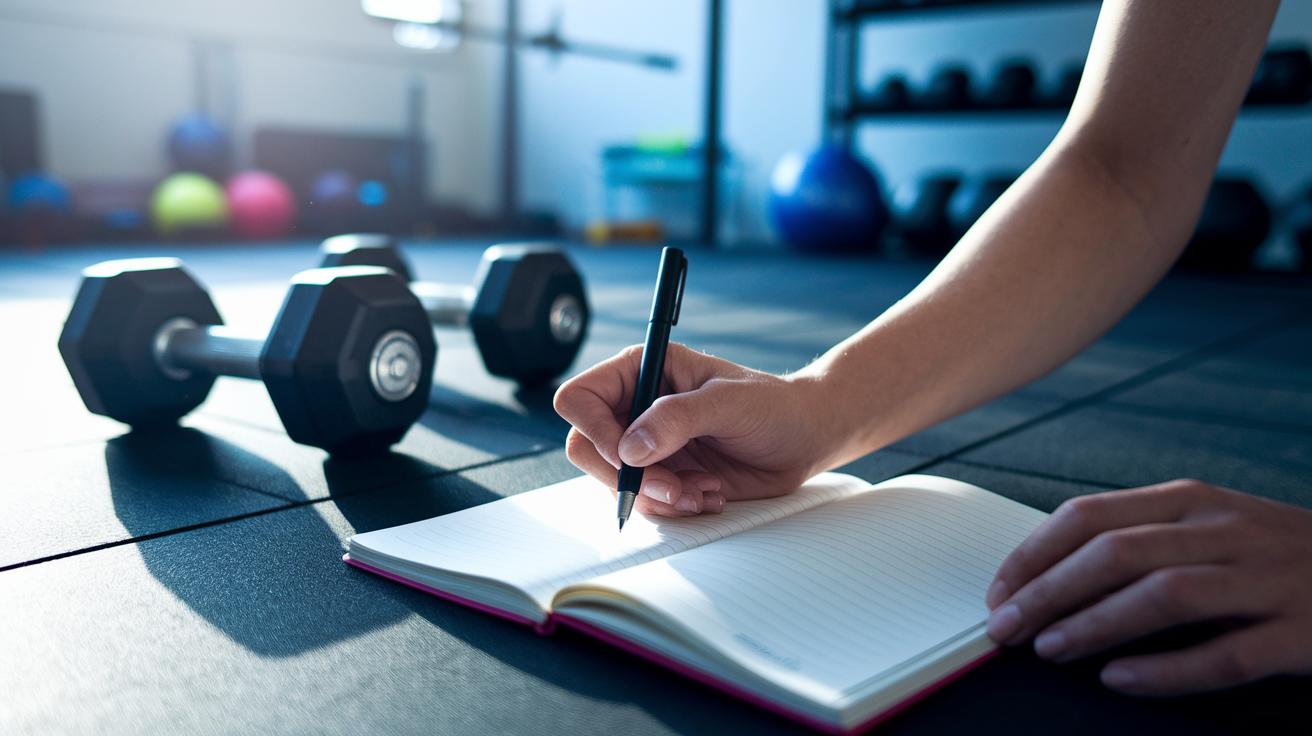
Tracking your workouts can be a great way to see how far you've come while keeping you motivated. By writing down what you do, like the weights you lift, the number of reps you complete, and the length of your sessions, you create a clear picture of your progress. Over time, this simple habit turns into a reliable routine that shows how consistency leads to better strength and body shape.
- Log each workout by noting the exercise type, weights, and rep count.
- Set clear, measurable goals for each week.
- Use a fitness tracker to record your activity and progress.
- Plan rest days to help your muscles recover and track your overall progress.
- Find an accountability partner to share your logs and cheer you on.
As you gather these small details, they add up to a complete view of your fitness journey. Noticing even a small improvement, like a heavier lift or extra rep, can boost your confidence and help you tweak your routine for further growth. With a steady record of your progress, reaching your fitness goals becomes a clear and step-by-step journey.
Final Words
In the action, this article broke down active lifestyle workout routines into easy-to-follow steps. It walked you through session types, scheduling tips, and adjustments for different fitness levels. The post compared home and gym setups and stressed the importance of recovery and tracking your progress.
Simple tips, such as choosing the right dumbbell weight and setting clear workout goals, make getting started accessible. Stick with it, refine your routine over time, and feel good about each step toward a healthier you.