

Feeling overwhelmed by anxiety when life feels out of control? New research shows that natural supplements might help ease anxious thoughts and support a balanced stress response.
Studies suggest that options like magnesium and chamomile extract can relax muscles and even help balance stress hormones in the brain. Each supplement works a bit differently, so some might calm you quickly while others support overall well-being over time. It’s a fast-acting and natural way to find a little peace amid everyday chaos.
Bottom line: If you’re looking for a gentle alternative, these research-backed supplements could be a good option to consider alongside advice from your health professional.
Top Anxiety Relief Supplements for Fast Calm
Studies show that natural anxiety supplements can help calm nerves quickly. They offer an alternative to prescription drugs like benzodiazepines. Research tells us that some supplements can lower anxiety and relax muscles fast. They work in different ways, such as boosting brain chemicals and balancing stress hormones. You can choose from these options, which are backed by research and act quickly.
• Magnesium: It helps muscles relax and may ease anxiety. Research recommends 200 to 400 mg daily.
• Inositol: This supplement may improve brain signaling when taken at 12 to 18 grams per day, far more than the 1 gram found in a typical diet.
• Omega-3 Fatty Acids: Known for brain health, these fats might reduce anxiety symptoms, though study results vary.
• Chamomile Extract: Small studies have shown a calming effect with doses ranging from 220 to 1100 mg per day.
• Saffron Extract: Research indicates it can have effects similar to some antidepressants, with common doses around 30 mg daily.
• Passionflower Extract: Often used to aid sleep, studies have explored doses of 250 to 500 mg before bedtime.
• Vitamin D: This vitamin is linked to mood stability; the dose can vary and may support overall anxiety management.
• B-Complex Vitamins: They help with the function of brain chemicals, supporting overall mental balance.
Each supplement works in its own way, from relaxing muscles to helping you sleep better. Using a mix of these supplements along with healthy habits like regular exercise, balanced nutrition, and enough rest may give you the best results.
Herbal Anxiety Relief Supplements and Dosage Guidelines
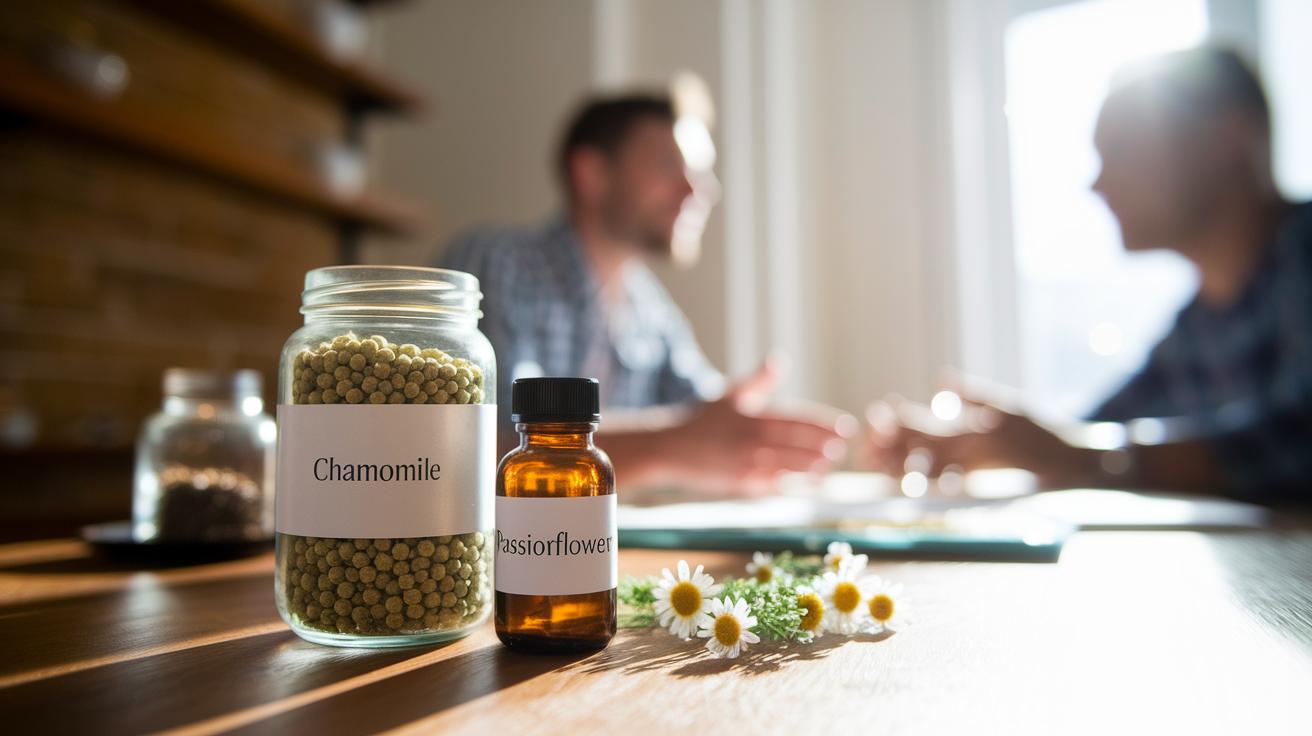
Herbal supplements for anxiety provide a natural way to help ease stress. Chamomile is one of the most well-studied options. Small clinical studies have shown that taking chamomile extract between 200 mg and 1100 mg daily can gently lower stress. Its calming effect likely comes from mild sedative compounds. While some products mix chamomile with other herbs, current research on these blends is limited.
Passionflower extract is another popular choice, known for both reducing anxiety and improving sleep quality. Studies suggest that passionflower may increase the brain's calming chemicals. Commonly, people take between 250 mg and 500 mg before bedtime. Although this herb shows promise, its long-term benefits and ideal dose still need more research, so using it under a professional’s guidance is a smart idea.
Saffron extract has also attracted attention as an anxiety supplement, with some trial results similar to those seen with certain antidepressants. Research typically uses a daily dose of around 30 mg, which appears to lift mood and ease anxiety. However, scientists have not fully unraveled how saffron works, and study results vary. Users should check product quality and follow label directions when using saffron.
Kava and valerian root offer additional herbal options for relaxation. Kava, used for generations to relieve stress, may work quickly but comes with liver safety concerns. Typical doses range from 100 mg to 200 mg daily. Valerian root, meanwhile, is used to promote sleep and reduce tension, though the best dose is less clear. Most experts suggest starting with a low dose and monitoring its effects to ensure safety and effectiveness.
Vitamins and Minerals in Anxiety Support Supplements
A handful of nutrients may help ease anxiety and support a balanced mood. Magnesium, B vitamins, vitamin D, and omega-3 fatty acids each play a role. For example, taking 200–400 mg of magnesium glycinate daily might help relax muscles and ease tension. Although foods like leafy greens and nuts are the best sources, supplements can help fill in the gaps when your diet falls short.
B-complex vitamins, especially B6, B9, and B12, help the body make serotonin, a chemical tied to feelings of calm and well-being. These vitamins naturally appear in fruits, vegetables, and lean proteins, and extra supplementation might be useful for those who need more. This approach mirrors what we recommend in the Top Anxiety Relief Supplements guide.
Vitamin D may help stabilize mood, while omega-3 fatty acids support healthy brain function. Although study results can vary, both nutrients are believed to contribute to mental balance. Together, these recommendations offer a clear picture of how vitamins and minerals can be part of an anxiety support plan.
Adaptogenic Plant-Based Anxiety Helpers
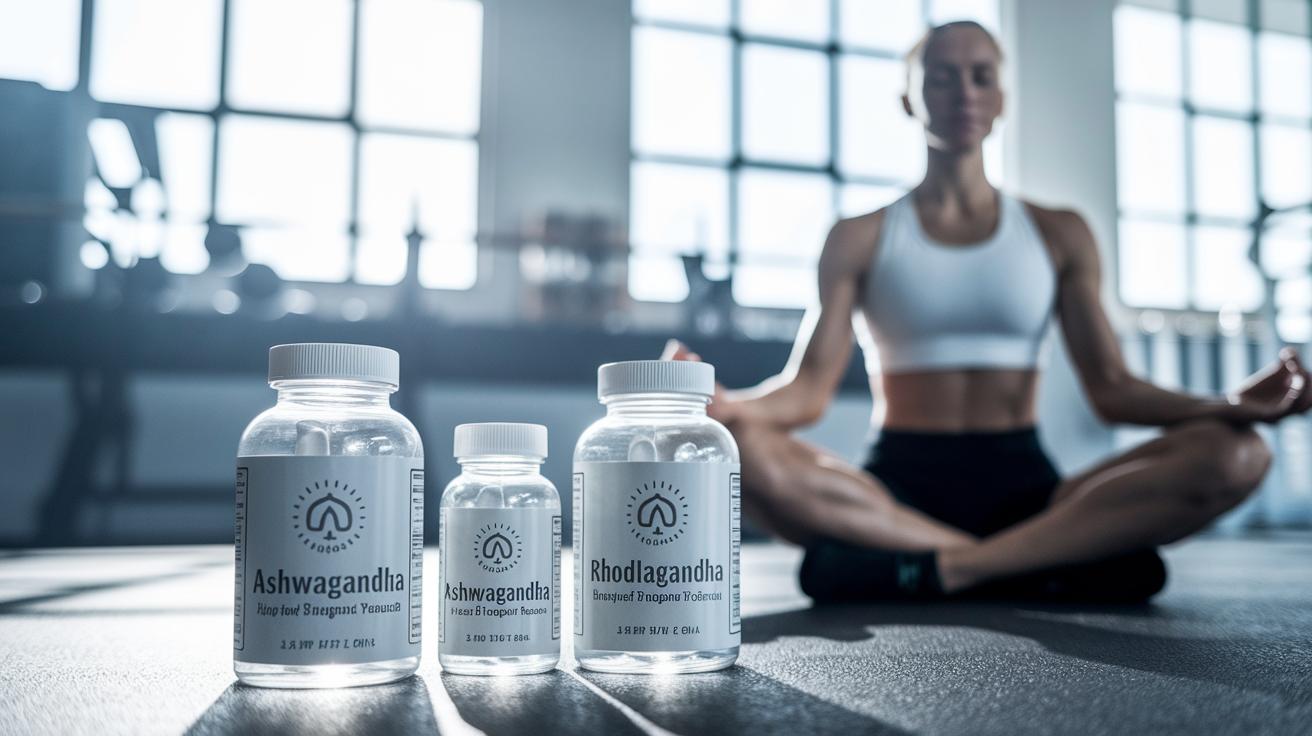
Ashwagandha is a well-known herb used to manage stress and lower cortisol levels. Research shows that taking 300–600 mg each day may help create a calming effect with only mild side effects for most people. Interestingly, long before stress management research took off, many athletes used ashwagandha to speed up their recovery.
Rhodiola rosea is another natural helper that can ease stress-related fatigue. Randomized studies have found that it may boost mental clarity and endurance during high-pressure times. While the ideal dose can vary, many experts agree that a moderate daily amount might help keep your energy steady when you need it most.
L-theanine, an amino acid found in tea, may support relaxation by increasing levels of GABA (a brain chemical that calms you down). Studies typically use doses between 100–200 mg, which help promote a relaxed state without causing drowsiness. This gentle support can be useful when you’re feeling stressed.
5-HTP is a natural compound that helps your body produce serotonin, a chemical linked to mood balance. Small studies have suggested that adding 5-HTP to your routine might improve serotonin production and enhance your emotional well-being. However, it’s a good idea to chat with a healthcare professional before starting 5-HTP, especially if you take other medications.
Safety Guidelines for Anxiety Relief Supplements
When trying over-the-counter products for calm, clear guidelines keep you safe. Many supplement claims do not have strong backing from studies, so it pays to be careful. Always talk to a healthcare professional before adding any supplement to your routine.
Here are five simple steps to help you choose, dose, and watch your supplements:
- Talk with your healthcare provider before you start any supplement, especially if you already take other medications or have health conditions.
- Begin with a low dose and slowly increase it while watching how your body responds.
- Check that the product has third-party testing and proper certifications to make sure it meets quality and safety standards.
- Use caution with products known for potential risks. For example, kava has warnings for liver damage and CBD products may not always have the same level of purity.
- Keep an eye out for any side effects or drug interactions. If you notice unexpected symptoms, stop using the supplement right away and speak with your provider. You might also explore programs that combine supplements with stress-management techniques for added support (see "stress management supplements" – https://greatnewssource.com?p=1585).
Following these steps can help you use supplements safely while working toward a calmer, more balanced state.
Comparing Top Rated Anxiety Relief Supplements
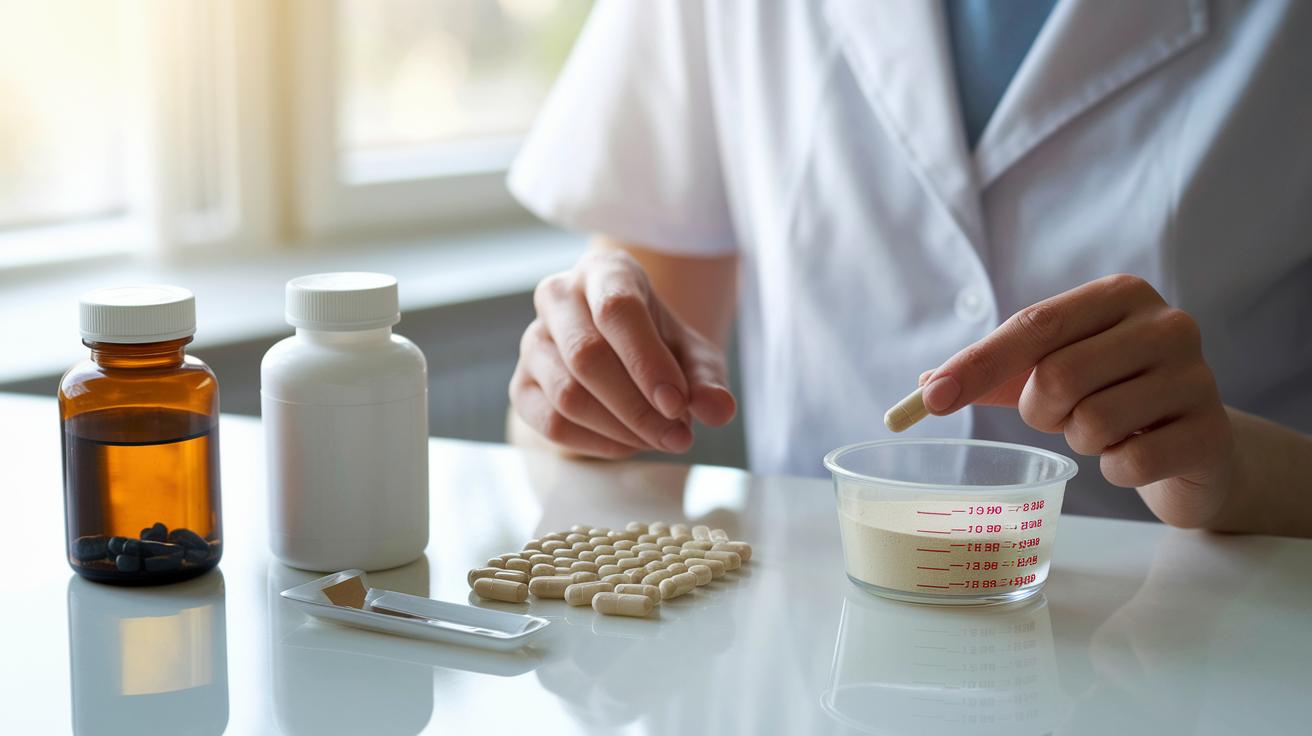
If you're looking at top rated anxiety relief supplements, you'll notice they come in different forms and doses. Many products are available either as capsules or as powders that mix into drinks or food. Capsules offer a set dose each time, while powders let you adjust the amount to suit your needs.
Most labels show clear dosing instructions, like 200 to 400 mg of magnesium combined with B-vitamins and stress-relieving herbs. A common blend might include 300 mg of magnesium, vitamins B6, B9, and B12, and a measured dose of ashwagandha to help manage stress.
Reviews point out that the form of the product can affect how quickly its ingredients are absorbed. Some users notice faster relief with powders, while others prefer the steady release from capsules. Ratings vary, so paying attention to ingredient amounts and dosage instructions is important.
When choosing a supplement, think about your own preference. Capsules are convenient and deliver a consistent dose, whereas powders may work faster by allowing you to tailor the dose. Comparing these options based on what they contain, how much you take, and what other users say can help you decide on a product that fits your personal comfort and calm needs.
Final Words
In the action review, our article walked through evidence-based options to ease anxiety. We explored natural formulas, herbal fixes, vitamins, and adaptogenic choices while also addressing safe dosages and product comparisons.
This clear breakdown shows how informed choices can shape your health decisions. Anxiety relief supplements may help deliver fast calm benefits. Stay positive and take heart in using trusted guidance to support your well-being.
FAQ
What natural anxiety relief supplements help with stress, anxiety, and depression?
Natural anxiety supplements like magnesium, inositol, and herbal extracts (chamomile, saffron, passionflower) can support calm and mood balance. These evidence-based options may ease symptoms when used under healthcare guidance.
What is considered the strongest natural anxiety aid?
The strongest natural anxiety aid is subjective; some individuals benefit from adaptogens like ashwagandha or herbal options such as chamomile, though effectiveness varies. Always discuss dosage and safety with a healthcare provider.
How do vitamins support anxiety relief and panic attack management?
Vitamins—including magnesium, B-complex, and vitamin D—help maintain neurotransmitter balance and overall mood stability. These micronutrients can support anxiety relief and reduce panic symptoms when dietary gaps are addressed.
What herbal remedy is best for easing anxiety and depression?
Herbal remedies such as chamomile, saffron, and passionflower have shown promise in clinical trials for easing anxiety and depression. They work by promoting relaxation and better sleep while supporting overall mood.
What home remedies or instant solutions help calm down nerves without medication?
Home remedies like deep, slow breathing, herbal teas, and adaptogen supplements can provide quick relief for nervous tension. These approaches support short-term calm, though ongoing anxiety may need a broader care plan.
What is the best drug for treating anxiety?
The best drug for anxiety varies by individual and symptoms, with prescription options like SSRIs and benzodiazepines available. A healthcare provider can determine the most effective treatment based on personal health needs.