
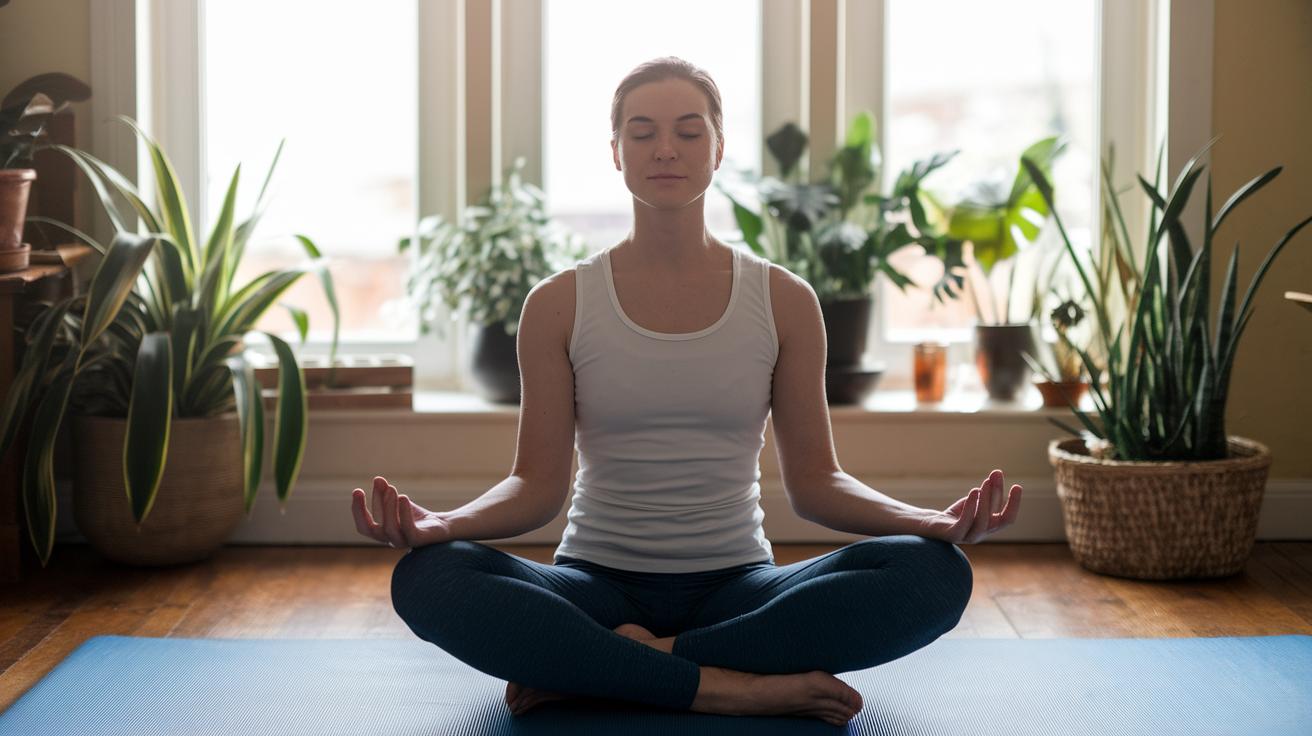

Ever wondered if a few mindful breaths could ease your anxiety? Deep breathing is a simple way to calm your mind and body. Instead of fast, shallow breaths, try slow, deep belly breaths. This change tells your body to relax, lowering stress and creating a sense of calm. It helps quiet the fight-or-flight reaction that can make anxiety worse. Read on to find out how mastering your breath might help you feel better throughout your day.
How Deep Breathing Works for Anxiety Relief
Deep breathing sends calming signals to your body by slowing your breath and easing you out of the fight-or-flight state. When you take slow, intentional breaths, you help quiet your nervous system and bring a sense of balance. For instance, try taking three slow belly breaths, it can signal your body to relax quickly.
Belly breathing, also known as diaphragmatic breathing, helps activate the vagus nerve (a nerve that lowers heart rate and blood pressure). When you breathe in deeply, your diaphragm moves down and fills your lungs with more air. This extra oxygen not only energizes you but also sends a gentle reminder to your body to chill out.
By using deep, controlled breathing, you can interrupt your body's natural alarm system and lower stress levels. Even though you take over 23,000 breaths each day, practicing a relaxed breathing technique can make a real difference when you’re feeling stressed or overwhelmed.
Step-by-Step Deep Breathing Exercises for Immediate Relief
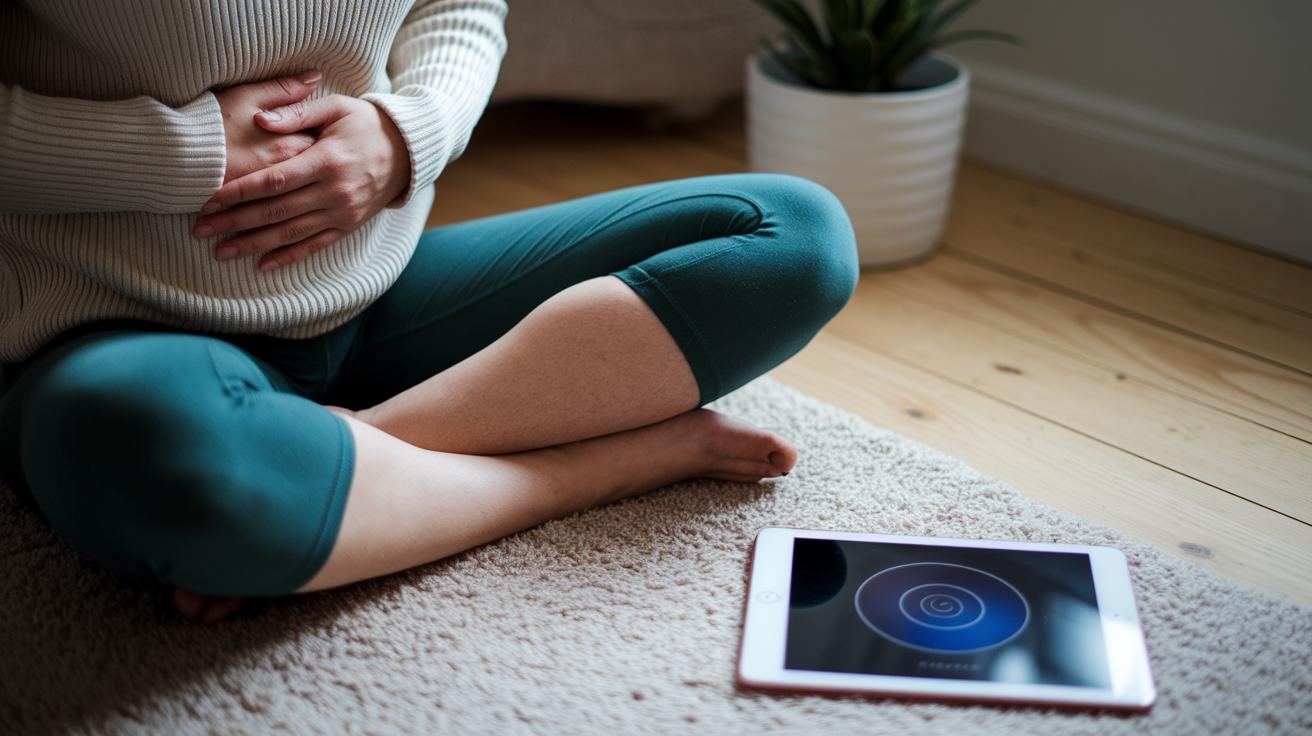
Start by finding a comfy spot where you can sit or lie down with good back support. A calm setting makes it easier to focus on your breathing.
-
Belly Breathing: Rest one hand on your stomach. Breathe in slowly through your nose until you feel your belly rise, then exhale gently while noticing it fall. This helps your lungs fully open up and sets the stage for deeper relaxation.
-
Affirmation Breath: Use the same belly breathing method while quietly repeating a soothing word like "peace" on each inhale and exhale. Adding this mindful focus can steady your thoughts.
-
Box Breathing: Inhale for 4 seconds, hold your breath for 4 seconds, exhale for 4 seconds, and hold again for 4 seconds. This clear, rhythmic pattern can help ease tension and steady your breath.
-
Extend Your Exhale: Inhale for 4 seconds and then slowly exhale for 6 seconds or more. By lengthening your exhale, you're sending a strong signal to your body to relax.
-
Resonant Breathing: Aim to complete 5 full breaths each minute. Each breath should take about 12 seconds from start to finish, encouraging a smooth, calming rhythm.
-
Alternate Nostril Breathing: Close one nostril and breathe in through the other, then switch to exhale through the opposite nostril. This exercise helps balance the airflow in both sides of your nose.
-
3-3-3 Technique: For a quick calming break, breathe in for 3 seconds, hold for 3 seconds, and exhale for 3 seconds. It’s a handy method to ease anxiety, especially when you're on the go.
Try these exercises to see which one best calms your mind and body.
Variations of Calming Deep Breathing Methods
The Mini Strategy uses three deep belly breaths to quickly ease stress. This method focuses on making your stomach move deeply as you breathe, taking a slow, complete exhale after each deep inhale. For example, try taking three intentional, deep belly breaths when anxiety kicks in.
The Resonant Variation involves a steady 12-second breathing cycle that helps sync your heart and body. Instead of basic breathing, you slowly inhale and then extend your exhale so that the entire breath lasts 12 seconds, which can help calm your pulse and clear your mind.
The yogic Alternate Nostril method mixes up which nostril you breathe through, encouraging balance between the brain’s two halves. This approach builds on deep belly breathing by adding a focus on equalizing brain activity and promoting overall relaxation. For instance, alternate your nostrils with each breath to support balance and enhance calm.
Physiological and Psychological Benefits of Deep Breathing

Deep breathing sets off a series of natural changes in your body. It can reduce your heart rate by 5–10 beats per minute in just 1–2 minutes, lower blood pressure by 5–8 mmHg after about 5 minutes, and ease muscle tension within 2–3 minutes. This simple technique boosts oxygen flow to your brain, which can sharpen your focus right away and help release endorphins, natural chemicals that reduce anxiety. One person shared, "After a few rounds of focused breathing during a hectic day, I felt a clear shift in my mind and body."
Mentally, practicing controlled breathing can help you handle stress better. With regular effort, your body may learn to keep calm when challenges arise, leading to steadier emotions and an improved mood.
| Benefit | Effect | Timeframe |
|---|---|---|
| Heart Rate Reduction | 5–10 beats per minute lower | 1–2 minutes |
| Blood Pressure Drop | 5–8 mmHg lower | 5 minutes |
| Muscle Relaxation | Less tension | 2–3 minutes |
| Improved Focus | Sharper mental clarity | Immediately |
Incorporating Deep Breathing into Daily Routine for Lasting Relief
Try tying deep breathing to things you already do. For example, take slow, mindful breaths while you sip your morning coffee, shower, or brush your teeth. This small change turns daily routines into short relaxation breaks that help ease stress before it builds up. A simple trick is to take three slow belly breaths when you need a reset, such as before a big meeting or during a hectic afternoon.
Help make deep breathing a habit by setting reminders on your phone or using a habit-tracking app. These prompts can guide you to pause and focus on your breath at different times, like when you start work, take a mid-afternoon break, or while making dinner. With practice, these breathing breaks become a natural part of your day, helping you feel calmer even during unexpected stress.
When to Seek Professional Guidance with Breathing Techniques
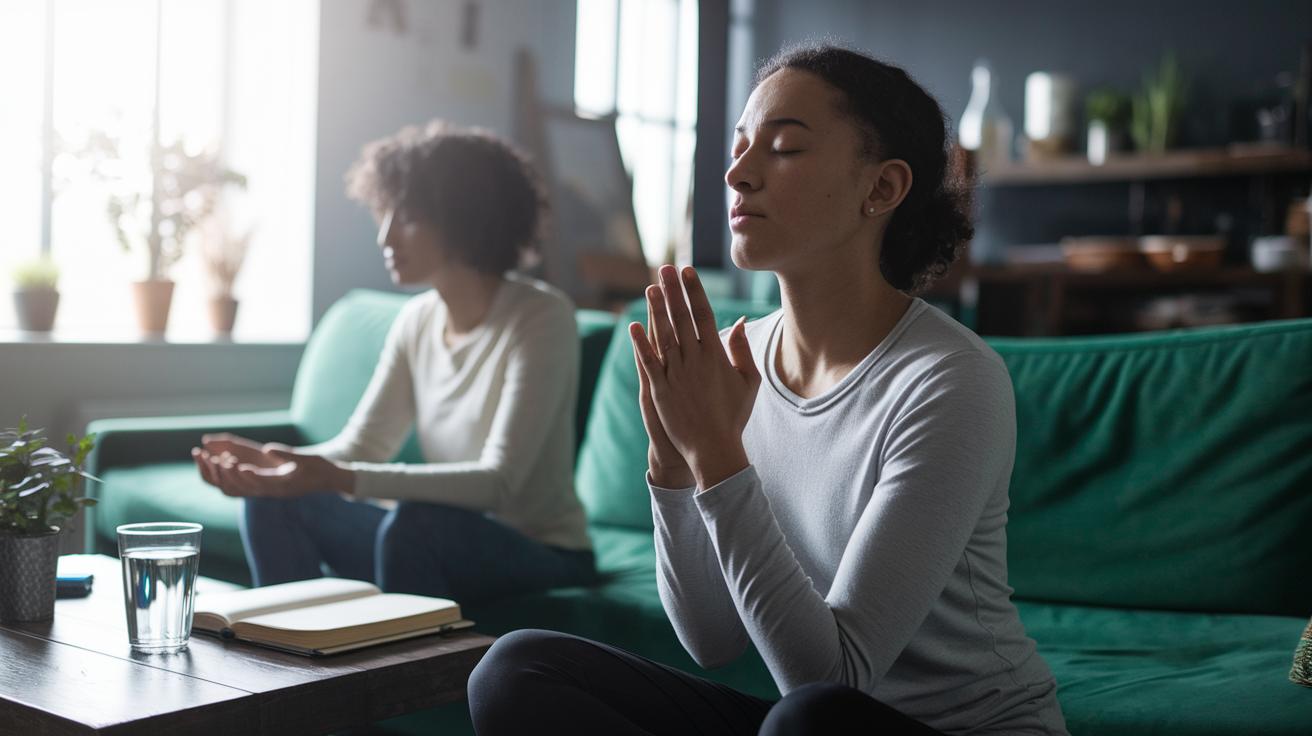
Deep breathing exercises can help ease mild to moderate anxiety, but they aren’t a complete solution. If you feel constantly stressed or anxious even after practicing regularly, it might be time to get extra help. These techniques are great as a self-help tool, but they do have limits.
Some people may feel discomfort when practicing deep breathing. That could be a sign that their anxiety needs a more focused treatment. Keep an eye on your body’s reactions. If you experience any unusual sensations while doing deep breathing, consider pausing and speaking with a healthcare provider.
Combining deep breathing with other treatments, like cognitive behavioral therapy or counseling, can offer a more well-rounded approach to managing anxiety.
Warning signs to watch for:
- Dizziness during or after breathing exercises
- Feeling lightheaded or unsteady
- Episodes of rapid breathing or hyperventilation
If these symptoms occur or your anxiety continues, it’s a good idea to talk with a mental health professional. Discuss your symptoms for personalized advice and explore how deep breathing might best work alongside other proven treatments.
Final Words
In the action, the post broke down how mindful breath control impacts both body and mind. It explained how simple techniques, such as diaphragmatic breathing, stimulate the vagus nerve and slow the fight-or-flight response.
These steps offer practical ways to ease tension and reset your system. Regular practice of deep breathing for anxiety relief can lower heart rate, calm nerves, and improve clarity. Keep incorporating these simple routines into your daily life, and feel better equipped to handle stress with a steady, focused mind.
FAQ
Q: What resources are available for deep breathing techniques for anxiety relief?
A: Deep breathing resources include YouTube videos that demonstrate step-by-step methods and PDFs that provide detailed instructions. These guides help users learn proper techniques for managing anxiety.
Q: What does the 4-7-8 breathing technique do for anxiety?
A: The 4-7-8 breathing technique helps reduce anxiety by guiding you through a rhythmic cycle—inhale for 4 seconds, hold for 7, and exhale for 8—which promotes relaxation and lowers stress.
Q: How do breathing exercises help during an anxiety attack?
A: Breathing exercises during an anxiety attack assist by slowing your breathing rate, reducing heart rate, and shifting your body from a fight-or-flight response to a calmer state.
Q: How are breathing exercises beneficial for managing anxiety and depression?
A: Breathing exercises for anxiety and depression improve oxygen flow to the brain and reduce stress by calming the nervous system, thus supporting better mental and emotional balance.
Q: Can deep breathing ever make anxiety worse?
A: Deep breathing might worsen anxiety if performed too quickly or incorrectly, as rapid or shallow breaths can heighten panic. Proper, slow, and controlled breathing is essential for calming effects.
Q: Can deep breathing eliminate anxiety completely?
A: Deep breathing does not eliminate anxiety entirely but significantly reduces symptoms by promoting a relaxation response and helping manage stress when part of a broader strategy.
Q: How can deep breathing help calm extreme anxiety?
A: Deep breathing helps calm extreme anxiety by activating the relaxation system, easing muscle tension, and lowering heart rate, which together lessen the intensity of anxious feelings.
Q: How long should deep breathing sessions last for anxiety relief?
A: Deep breathing sessions usually last 5 to 10 minutes. This duration is ideal for allowing the body to shift into a relaxation state and manage anxiety effectively.
Q: How can I beat anxiety without medication using breathing techniques?
A: Breathing techniques offer a natural way to beat anxiety, as they activate the body’s relaxation response to reduce stress hormones. Regular practice can be a valuable, non-medication strategy for calm.