


Feeling unheard by your health plan can be frustrating. The DMHC complaint process gives you a simple way to speak up when you feel your concerns are being ignored.
This guide explains the steps you need to follow to file your complaint properly. By taking these steps, you protect your rights and get the support you deserve when your plan falls short.
Think of it like a map during a challenging time, it shows you exactly where to go for help.
DMHC Complaint Process: A Step-by-Step Guide
Start by following the proper process to file your complaint. Doing so makes sure your issue is recorded and sent to the right office without unnecessary delays.
This process also protects your rights as a patient. It tells you what details to include and where to send your complaint if your health plan does not resolve your issue. Think of these steps as a clear map that guides you when you need to file a health care grievance.
- First, reach out to your health plan. You can call them, write a letter, or use the plan’s website. Be sure to include all the important details of your concern.
- If you do not get a resolution, contact the DMHC HMO Help Center at https://www.dmhc.ca.gov/complaints. This ensures a regulatory body will review your case if your health plan’s own process does not work.
- If your service request gets denied, ask if you qualify for an Independent Medical Review. When you write your appeal, include details like the provider’s name and tax ID, your information and your insurer’s, service dates, a clear explanation of the issue, and any related billing records.
Once you submit your complaint, the DMHC will review your case carefully. They will assign an investigator and may ask for more documents if needed. They might contact you for extra details and will provide further instructions based on what they find. If you ask for an Independent Medical Review, a panel of doctors will look over the decision and then let you know the outcome. Keeping copies of all your communications and documents can help keep the process running smoothly.
Eligible Health Plans Under the DMHC Complaint Process
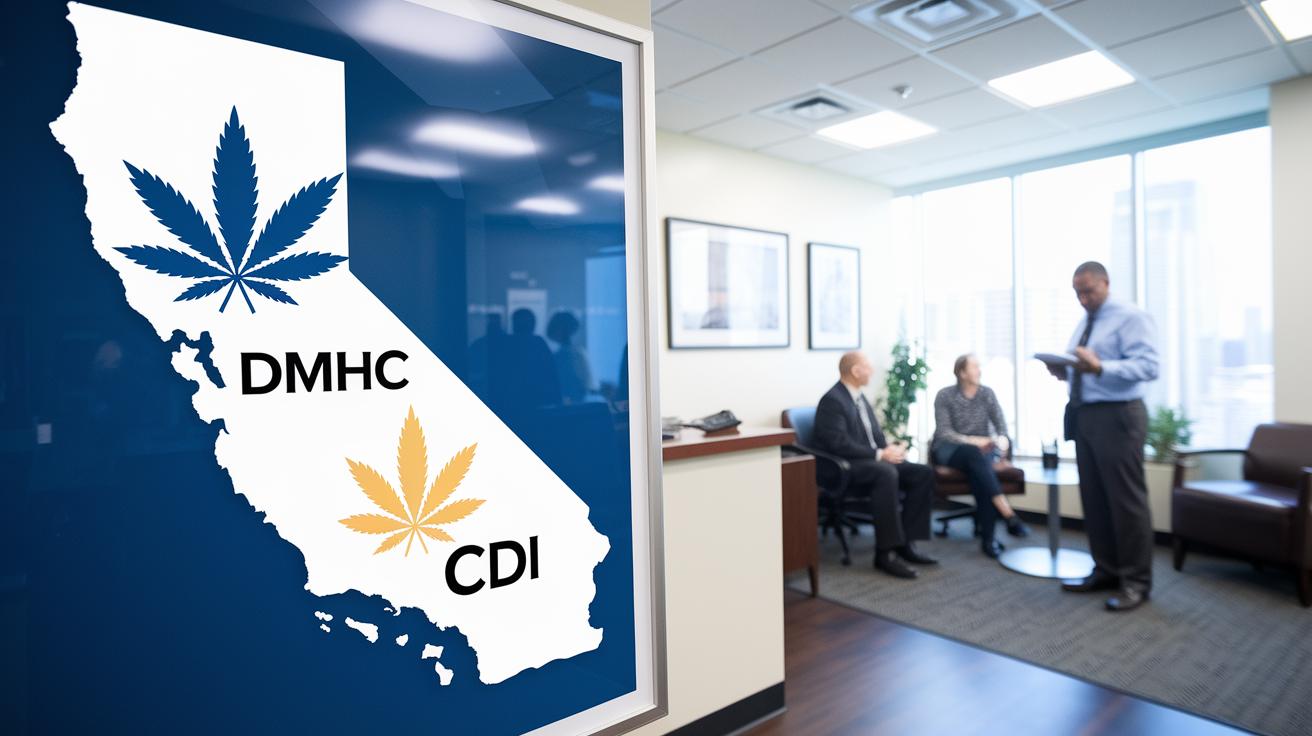
Before filing a complaint, it helps to know which agency oversees your health plan. In California, the DMHC is in charge of Health Maintenance Organizations (HMOs) and managed care plans under Medi-Cal. If you're enrolled in one of these plans, you can directly reach out to the DMHC for help.
If you have a point-of-service or certain PPO plan, these are regulated by the California Department of Insurance (CDI).
| Plan Type | Regulator |
|---|---|
| HMOs | DMHC |
| POS/PPO | CDI |
For plans managed by the CDI, be sure to follow their dispute resolution process so that your issue gets the proper review. Always double-check your plan type before you file a complaint to make sure it goes to the right agency.
Required Documentation for Your DMHC Complaint Submission
When filing your DMHC complaint, having the right paperwork ready makes a big difference. Complete and accurate records help DMHC review your case quickly and protect your rights.
Here are the seven key items to include with your submission:
- Provider information, such as the provider's name and tax identification number.
- Details about you and your insurer.
- Dates of service and claims to clearly show when the events occurred.
- A clear description of the treatment you requested.
- Any denial letters that detail official communications about the refused service.
- Records of payments or charges related to your case.
- Any other correspondence that shows the steps you took or the issues you experienced.
Taking the time to gather these documents from the start can help speed up the review of your complaint. If your submission is missing information, DMHC might ask for more details, which can delay the process. Organizing everything upfront makes the review smoother and reduces the need for follow-up requests.
How to Contact DMHC and Your Health Plan Effectively

When you need help with your health plan, choose the method that works best for you: phone, mail, or online. Have your policy number, service dates, and any documents ready so you can clearly explain your issue. For example, you might say, "I called to report a delay in treatment and provided all my documents."
If you cannot get your problem solved by your health plan, contact the DMHC HMO Help Center. You can fill out their online complaint form at https://www.dmhc.ca.gov/complaints, send an email, or call their toll-free number. Make sure to record each contact by writing down the date, time, and the name of the representative you spoke with to track your complaint accurately.
DMHC Case Review Protocol and Independent Medical Review
Case Review Protocol at DMHC
DMHC gets to work on your complaint as soon as it arrives. They confirm receipt quickly and assign an investigator to your case. Early on, they ask for helpful documents like dates of service or detailed descriptions so they can fully understand your situation. Once they have all the needed information, DMHC shares their initial findings and any next steps with you. This first review makes sure every detail is considered and sets the stage for any further action.
Requesting an Independent Medical Review
If your service request is denied, you could qualify for an Independent Medical Review (IMR). An independent panel of doctors then reviews your case to check the decision made by your health plan. To be eligible, your case must involve the denial of a service that was medically necessary. The panel carefully examines all the evidence you provided and follows a clear review process. Typically, they complete this review within a set timeframe. If they rule in your favor, your health plan must cover the service without any cost to you. The IMR decision is binding, meaning the plan has to follow it. A webinar from March 26 explains these steps in detail. In short, DMHC handles complaints internally and refers cases to IMR when needed, ensuring you know what to expect along the way.
Understanding DMHC vs. CDI for Managed Health Care Disputes

In California, two agencies share the job of regulating health care plans. The Department of Managed Health Care (DMHC) covers HMOs and managed care plans, while the California Department of Insurance (CDI) handles point-of-service and some PPO policies. This means the steps you follow to file a complaint depend on which type of plan you have.
If you file a complaint with DMHC, expect a step-by-step review process. You'll need to submit detailed documents and may have an investigator follow up with you. This process is meant to help resolve issues like denied services or billing questions in managed care plans.
On the other hand, if your complaint goes to CDI, you must first use your insurer’s own dispute resolution system. Only after that can you move forward with a formal complaint. When you gather your documents, include clear service dates, provider names, and billing records to ensure all vital details are provided.
Before you file your complaint, always check your health plan type so you can send it to the right agency.
Final Words
In the action, readers learned how to step through each part of filing a health care grievance. The guide broke down the process into clear actions: first contacting your health plan, then escalating to the DMHC HMO Help Center, and finally moving to an independent review if needed.
The post stressed the need to compile thorough documentation and follow official steps. This roadmap helps you take control when using the department of managed health care (DMHC) complaint process.
FAQ
Frequently Asked Questions
Q: What is the Department of Managed Health Care complaint process in California?
A: The DMHC complaint process in California starts by contacting your health plan through phone, mail, or website, then escalates to the DMHC HMO Help Center if your issue remains unresolved.
Q: How does the DMHC complaint process work for COVID-related concerns?
A: The DMHC process for COVID concerns follows the same steps as other cases. First, contact your health plan, and if the issue persists, bring it to DMHC for further review.
Q: What is a DMHC Provider Complaint?
A: A DMHC Provider Complaint involves filing a grievance against a specific provider using DMHC’s guidelines. It requires detailed documentation to help resolve service or billing issues.
Q: What is the California Department of Managed Health Care (DMHC)?
A: The California Department of Managed Health Care regulates HMOs and certain managed care plans, ensuring that consumer complaints are properly investigated and resolved.
Q: What does it mean if a patient falls under DMHC Oversight?
A: If a patient falls under DMHC Oversight, it means their health plan is regulated by DMHC, and any complaints or service issues should be addressed first through the health plan and then by DMHC if needed.
Q: What is the Department of Managed Health Care phone number?
A: The DMHC phone number is available on their official website. It provides a direct contact point to reach the DMHC HMO Help Center for assistance with complaints.
Q: What is the DMHC Complaint Form?
A: The DMHC Complaint Form is a document used to officially submit your health care grievance. It requires detailed information, including provider details, patient information, and service dates.
Q: What is the CDPH complaint investigation process?
A: The CDPH complaint investigation process involves collecting detailed records and submitting a formal complaint for review by the agency. This process ensures that public health issues get a thorough investigation.