
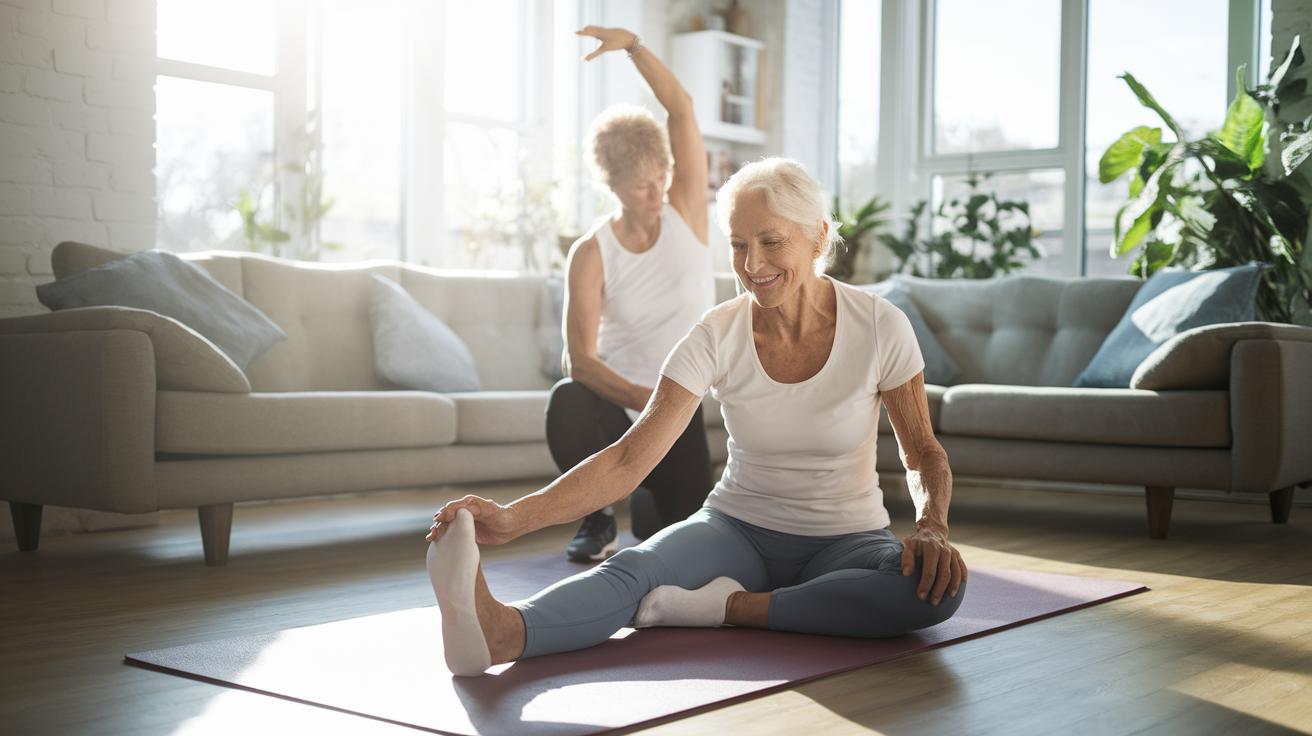

Could a few easy moves brighten your day? Many seniors are finding that gentle exercise helps boost balance, mobility, and strength. A simple walk or a few light stretches might even lower your chance of falling and make everyday tasks feel easier. Here, you'll find practical ideas and expert tips to fit more movement into your daily routine. Enjoy a boost in your well-being by moving just a little more each day.
Core Exercise Routines for Seniors to Boost Mobility, Balance, and Overall Health
Staying active is important for adults 65 and older. A short walk or gentle exercise can keep your body moving, help prevent falls, and boost your strength and flexibility.
Experts say that getting about 150 minutes of moderate exercise each week works well. Walking, light aerobics, or water exercises keep your heart strong and help maintain balance and mobility.
Another good tip is to aim for 8,000 to 10,000 steps a day. Whether you take brisk walks, join a community exercise class, or find little ways to move more while doing daily tasks, these steps can make a big difference.
Everyone’s journey is different, so it’s best to start slow and gradually increase your activity. This steady approach helps build a strong foundation for a healthier, longer life.
Strength Training Routines for Seniors to Build Muscle and Bone Health
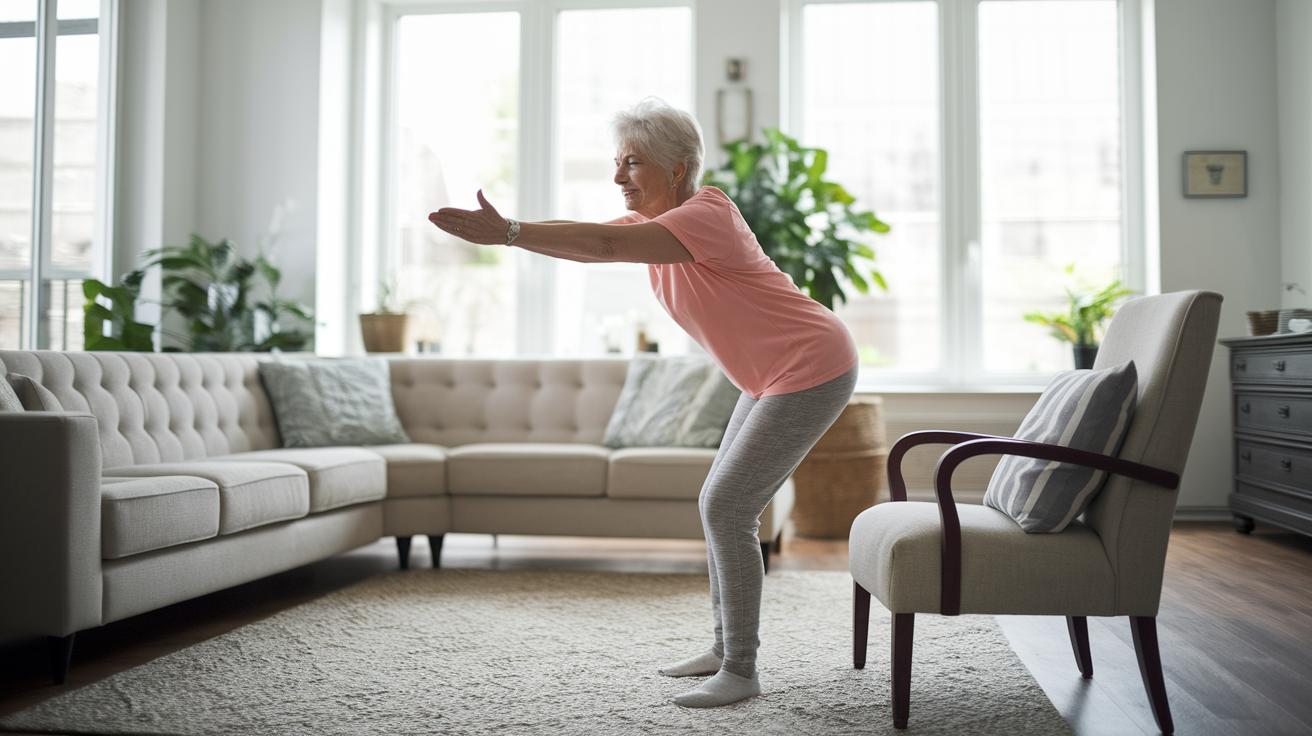
Staying strong helps you with daily tasks and lowers your risk of falling. Keeping your muscles and bones robust means you can stay independent longer. A simple 6-minute routine can keep your muscles active and your bones sturdy.
Try these exercises:
- Abdominal contractions
- Wall pushups
- Pelvic tilts
- Shoulder blade squeezes
- Toe taps
- Heel raises
- Knee lifts
- Shoulder and upper-back stretches
- Ankle rotations
Aim to do these moves 2 to 3 times a week. If you’re new to this, start gently by doing fewer repetitions or taking longer breaks between sets. Use a sturdy chair or wall for extra balance with some exercises. As you gain confidence and strength, you can slowly increase the number of repetitions and the duration of your routine. Focusing on correct form will help you improve muscle and bone health while keeping injuries at bay.
Exercise routines for seniors: Radiant Health Boost
Stretching Sessions
Every day, doing neck stretches can ease tension and help you move more freely. To do this stretch, gently tilt your head from side to side while keeping your shoulders relaxed. Hold each tilt for 15 to 30 seconds and repeat several times. This simple move can reduce stiffness and help you maintain good posture.
Upper-back stretches are just as important for releasing tight muscles. Sit or stand straight, reach your arms forward, and slowly round your upper back. Keep this position for 15 to 30 seconds until you feel a gentle pull along your upper spine. Doing these stretches daily helps your muscles stay flexible and makes it easier to move throughout your day.
Balance Exercises
Weight-shifting exercises can improve your stability by working on side-to-side balance. Stand with your feet about shoulder-width apart and slowly shift your weight from one leg to the other. Aim for 2 sets of 10 shifts on each side. This exercise strengthens your legs, which can help with everyday movements and reduce the risk of falls.
Single-leg balancing exercises also boost your stability. Stand near a sturdy support and lift one foot off the floor slightly. Try to balance for about 10 seconds, then switch to the other leg and repeat for a total of 2 sets. As you build confidence, try to hold the balance a little longer to improve your overall steadiness.
Low-Impact Cardio Exercise Options for Seniors

Walking is a reliable way to keep your heart healthy. Aim for 8,000 to 10,000 steps a day as you gradually quicken your pace. This familiar activity helps keep your joints moving freely and boosts your overall energy without overtaxing your body.
If you’re looking to add variety, try tai chi or gentle cycling. Tai chi uses slow and smooth movements to improve balance and circulation. Follow this simple guide for tai chi:
| Step | Description |
|---|---|
| 1 | Stand with your feet shoulder-width apart and relax. |
| 2 | Slowly shift your weight from one foot to the other. |
| 3 | Add gentle arm swings to improve circulation. |
Gentle cycling is another good choice. Adjust your seat so your knees bend comfortably, maintain a steady pedaling rhythm, and start with short rides on flat paths.
Take it slow at first. Begin with shorter sessions and gradually work up to about 150 minutes of exercise each week. Use the talk test, if you can carry on a conversation, you’re doing it right.
Home-Based and Chair Exercise Routines for Seniors
Home-based exercises are a simple and safe way for seniors to stay active without leaving their house. These routines work well in small spaces and let you move at a pace that suits you while keeping things safe.
Chair exercises add extra support for anyone with limited mobility. Using a sturdy chair can help you keep your balance as you move, so you can work out in a way that fits your comfort and strength.
Here are five basic moves that mix chair work with bodyweight exercises:
• Seated leg lifts: Sit up straight and lift one leg at a time. Aim for 10–12 lifts per leg and repeat for 2–3 sets.
• Arm circles: Sit or stand with your arms stretched to the side. Make small circles with your arms, doing 10–12 circles in each direction.
• Seated marching: While seated, lift your knees one at a time as if you were marching in place. Try for 10–12 lifts per leg.
• Wall pushups: Stand an arm’s length from a wall. Lean forward and push against the wall, doing 10–12 pushups at a comfortable pace.
• Seated torso twists: Sit with your back straight. Gently twist your upper body from side to side for 10–12 repetitions.
You can adjust these moves as needed to match your ability. Enjoy staying active and remember that even small steps can make a big difference for your health.
Designing Weekly Exercise Routines for Seniors: Sample Schedule
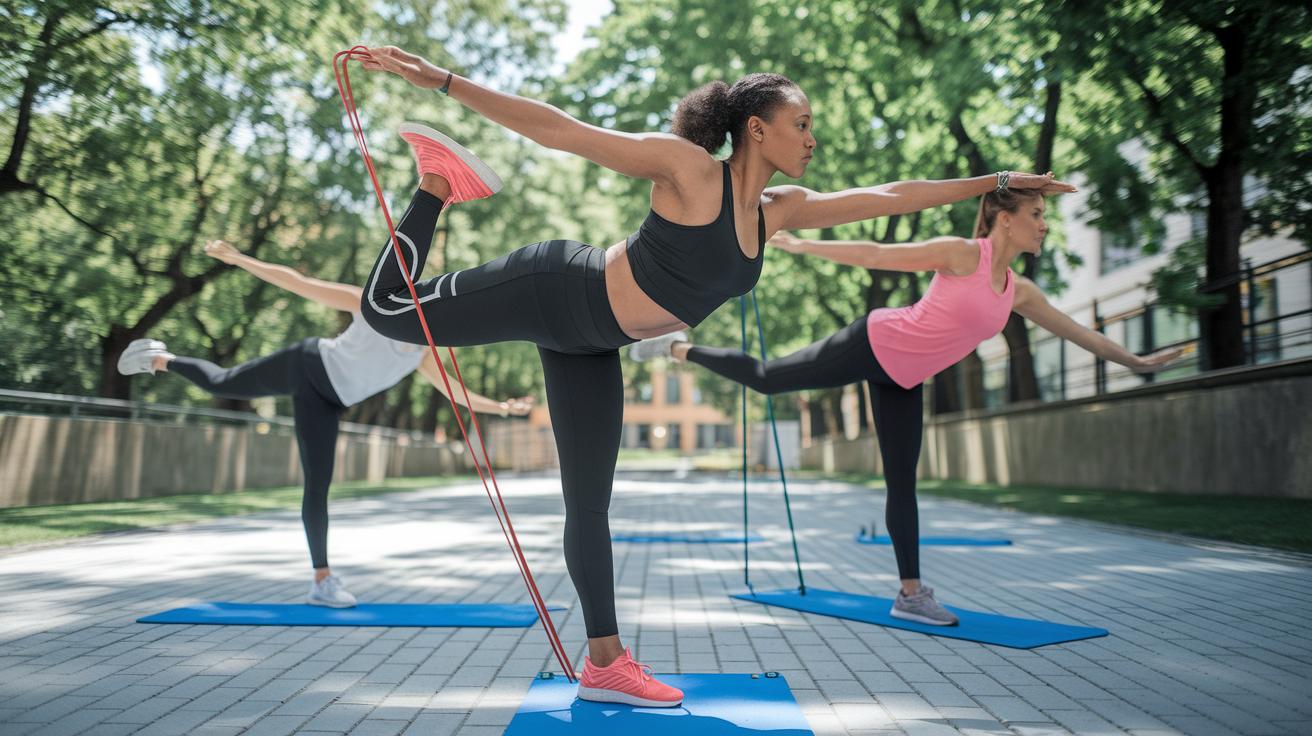
Begin by mixing strength exercises, cardio, balance work, and stretching to hit about 150 minutes of moderate exercise each week. This variety helps make workouts enjoyable and prevents boredom.
| Day | Exercise Type | Duration |
|---|---|---|
| Monday | Strength Training Routine | 10 minutes |
| Tuesday | Cardio (Walking or Gentle Aerobics) | 30 minutes |
| Wednesday | Balance and Flexibility Drills | 25 minutes |
| Thursday | Cardio (Walking or Cycling) | 30 minutes |
| Friday | Strength Training Routine | 10 minutes |
| Saturday | Balance and Stretching Session | 20 minutes |
| Sunday | Guided Home Workout (Light Walk or Yoga) | 25 minutes |
Adjust your routine based on how you feel. Take extra rest if needed and consider lowering the intensity on tougher days. Programs like SilverSneakers, which are part of some Medicare Advantage plans, offer structured workouts and extra support to help you stay motivated and safe.
Final Words
In the action, we explored practical exercise routines for seniors that boost strength, flexibility, balance, and overall health. We broke down safe strength moves, low-impact cardio options, and home-based drills, showing how to meet a weekly target of 150 minutes of activity. We also offered a sample weekly schedule to help plan each workout with ease.
Embracing exercise routines for seniors can open the door to improved mobility and a healthier, happier life.
FAQ
What free exercise routines are available for seniors and the elderly?
The free exercise routines for seniors offer budget-friendly options that combine strength, balance, and light cardio elements. Free resources include online videos and community programs designed to boost mobility and overall health.
What home exercise routines work well for seniors over 60, 75, and 80?
The home exercise routines for seniors often include low-impact cardio like walking, strength moves such as wall pushups, and balance drills like single-leg stands. These activities can be adapted to different ages and ability levels.
What are five exercises seniors can do every day?
The five daily exercises for seniors can include chair-based leg lifts, wall pushups, arm circles, toe taps, and seated marching. These simple moves help improve strength, circulation, and balance.
What is the best exercise routine for seniors?
The best exercise routine for seniors usually combines strength, balance, and low-impact cardio. This blend promotes mobility, reduces fall risk, and supports overall well-being while being adjustable to individual needs.
What does the 3-3-3 rule for working out mean?
The 3-3-3 rule suggests performing 3 sets of an exercise with 3 repetitions each, holding each movement for about 3 seconds. This structure helps build strength and stability in a manageable way.
What is the 5-5-5-30 rule for exercise?
The 5-5-5-30 rule outlines a session with a 5-minute warm-up, 5 exercises performed in sets with 5-second holds, and a 30-minute total workout duration. This plan creates a balanced and structured routine.