


Struggling with lower back pain? You’re not alone. Many people suffer every day from tight muscles and stiff discs that make movement difficult.
The good news is that a few simple moves might help ease your discomfort while also boosting strength and flexibility. Think about relieving tension with stretches and exercises that work to build a stronger, more agile back.
In this post, we share seven safe exercises designed to help you feel better and move more freely. Keep reading to discover how these easy techniques can improve your daily comfort and mobility.
Top Lower Back Strengthening Exercises to Relieve Pain
Many people in the United States often experience lower back pain. This pain can occur when muscles tighten and the soft discs between your spine lose flexibility. Carrying extra weight or not moving much can make the discomfort worse. The following seven exercises can help ease pain and improve your movement:
-
Knee-to-Chest Stretch
Lie on your back with your knees bent and your feet flat on the floor. Gently pull one knee toward your chest and hold it for 5 seconds. Switch legs and aim for 3 repetitions per leg, up to 3 times a day. -
Lower Back Rotational Stretch
Stay on your back with your knees bent. Slowly let both knees fall to one side while keeping your shoulders flat. Hold this stretch for about 10 seconds. Do 2 to 3 repetitions on each side each day. -
Pelvic Tilt
Alternate between arching and flattening your lower back. Hold each position for 5 seconds. Try to complete around 30 repetitions throughout the day. -
Cat Stretch
Get on your hands and knees. Arch your back upward, then gently lower it. Complete 3 to 5 rounds twice daily. -
Bridge
Lie on the floor with your knees bent and your feet flat. Slowly lift your hips so your body forms a straight line from your knees to your shoulders. Hold this position for 6 seconds and perform 8 to 12 repetitions. -
Seated Rotational Stretch
Sit comfortably in a chair. Cross one leg over the other and gently twist your torso. Hold the position for 10 seconds and repeat 3 to 5 times on each side twice daily. -
Partial Curls
Lie on your back and use your abdominal muscles to lift your head and shoulders approximately 2 inches off the floor. Hold for 5 seconds, then complete 3 sets of 10 repetitions.
Lower Back Strengthening: Proper Form and Safety Guidelines

Move slowly and gently through each exercise. If you notice any sharp or increasing pain, stop right away. Experts recommend keeping your spine neutral, which means lining up your shoulders and hips so your back stays straight. Think of it like balancing a book on your head to help you maintain proper posture.
Gently tighten your stomach muscles to support your lower back, almost like bracing for a light tap. This helps protect your lower spine as you exercise.
Use a soft mat to cushion your spine and joints on hard floors. Breathe steadily by exhaling during the push phase and inhaling as you return to your starting position. Practicing in front of a mirror can help you check that your alignment stays correct.
Even for exercises where you hold a position without moving, focus on maintaining good form. Listen to your body and adjust your routine if you experience more discomfort.
Modifying Lower Back Exercises for Every Fitness Level
Beginners can start by limiting how far they move during each exercise. Try doing a smaller bridge lift or a softer pelvic tilt to reduce stress on your muscles. Cutting back on the number of repetitions at first can help your body build strength without extra strain.
Using a props like a rolled towel under your lower back during pelvic tilts can offer more support and make the exercise more comfortable. This small change helps you keep good posture throughout your workout.
If you feel any sharp pain, stop right away. Lower the number of reps or shorten the hold times until your movements feel smooth and controlled. Beginners may want to look at easier routines, like those on greatnewssource.com?p=1363, to help build strength gradually.
Pay attention to your body and adjust your routine as needed. By personalizing your workout to fit your fitness level, you can work safely while building confidence and a stronger lower back.
Integrating Core and Lumbar Strengthening Movements

Mixing core workouts with lower back exercises helps keep your spine stable and eases everyday movements. When your core and back work together, they share the load and make your movements smoother.
Start with the Bridge exercise. Squeeze your tummy and pull your belly button toward your spine to support your lower back naturally. This simple move builds strength and stability at the same time.
Next, try the Cat Stretch. Move slowly and carefully arch your back while tightening your middle muscles. This stretch improves your spinal flexibility and strengthens your core control.
For Partial Curls, focus on keeping your abs tight as you move. A steady core during this exercise supports your lower back and cuts down on strain.
Remember to do each move slowly, breathe evenly, and keep your shoulders and hips in line so both your core and lower back work well together.
| Exercise | Primary Muscles Worked | Key Benefit |
|---|---|---|
| Bridge | Glutes, Hamstrings, Abs | Improves pelvic stability and integrates core support |
| Cat Stretch | Erector Spinae, Transverse Abdominis | Enhances spinal mobility while engaging midline muscles |
| Partial Curls | Rectus Abdominis | Reduces lumbar load and promotes continuous core activation |
Planning Your Home Lower Back Strengthening Routine
A regular routine at home can help you stay mobile and build lower back strength. You don’t need any fancy equipment, just a soft mat or towel will do. Create a plan that fits easily into your week.
Here’s one sample plan:
| Days | Exercises & Repetitions |
|---|---|
| Monday, Wednesday, Friday |
|
| Daily |
|
| Twice Daily |
|
Build up your routine gradually. If you feel discomfort, adjust the number of repetitions or the length of holds. Always perform movements slowly and in a controlled manner.
When to Consult a Professional for Lower Back Strengthening
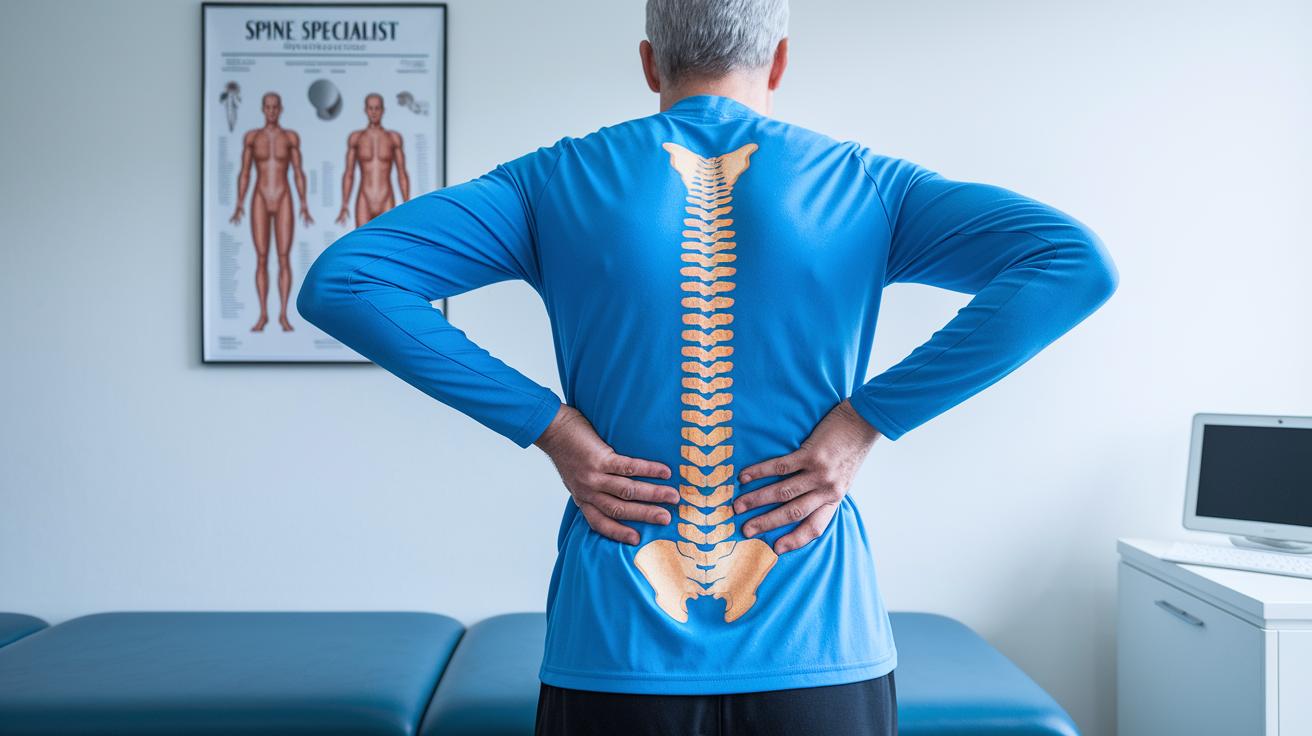
If you keep feeling back pain or notice that your discomfort is getting worse even though you’re doing your exercises, it might be time to get professional help. Ongoing pain can mean that your current routine isn’t covering a deeper issue. For instance, if you feel a sharp pain or increasing discomfort despite keeping proper form, stop your exercises and consult a spine specialist.
A health professional can check if you need a different treatment approach. A physical therapist might offer treatments like manual therapy and other techniques to support your home routine. These guided exercises can help ease your pain and improve your back function over time. Keep an eye on your symptoms and talk with a health expert about making tweaks to your routine. Getting help early can be key in managing your pain and avoiding further problems.
Final Words
In the action, this post laid out a clear routine to ease lower back pain through practical exercises. You reviewed steps to perform moves safely, from stretches like Knee-to-Chest to core drills like Partial Curls, all designed to support a healthy spine.
The guide also showed how to adjust movements to match your fitness level. By integrating proper form and gradual progressions, these exercises to strengthen lower back can help you feel better and move with more confidence. Stay active and positive.
FAQ
Q: What physiotherapy exercises help strengthen the lower back and relieve pain?
A: The physiotherapy exercises include gentle stretches like knee-to-chest, pelvic tilts, and rotational movements that reduce discomfort, improve mobility, and build strength when practiced slowly and safely.
Q: How can I strengthen my lower back and core at home, in the gym, and as a woman?
A: The lower back and core routines work at home, in the gym, and for women by allowing modifications in range and repetition while focusing on proper form and core engagement for gradual strength gains.
Q: What are the seven exercises recommended for lower back pain and sciatica?
A: The seven exercises consist of the knee-to-chest stretch, lower back rotational stretch, pelvic tilt, cat stretch, bridge, seated rotational stretch, and partial curls, which collectively ease pain and boost flexibility.
Q: How do I strengthen a weak lower back?
A: Strengthening a weak lower back involves controlled movements like pelvic tilts, bridges, and partial curls that engage core muscles and improve stability when performed with proper form.
Q: What are the big three exercises for lower back strengthening?
A: The big three exercises are pelvic tilts, knee-to-chest stretches, and bridges because they engage both core and lower back muscles effectively, enhancing overall strength and stability.
Q: What are common signs of a weak lower back?
A: Common signs of a weak lower back include persistent pain, stiffness during movement, and reduced flexibility, suggesting that a regular routine of targeted exercises may be needed to build strength.
Q: What are the five best exercises for your lower back?
A: The five best exercises include pelvic tilts, knee-to-chest stretch, bridge, cat stretch, and partial curls, which together provide a balanced approach to enhancing strength, flexibility, and pain relief.