


Ever wonder why some shipments are held at the border without a full inspection? The U.S. Food and Drug Administration uses import alerts to stop products, like food and supplements, that might not meet safety standards. This process pushes companies to follow strict rules while keeping consumers safe. In this article, we break down how these alerts work, how they affect trade, and why it matters. Understanding the process can help importers avoid delays and build trust with their customers.
fda import alerts explained: Clear Impact For Business
FDA import alerts are notices that tell U.S. port officials to hold shipments when there is a chance the products do not meet federal safety rules. This means that items like food and dietary supplements can be stopped immediately if there are concerns about their safety, without the need for detailed physical checks.
These alerts cover a range of products, including foods, drugs, medical devices, cosmetics, tobacco items, biologics (products made from living things), and devices that emit radiation. They are based on rules from the Federal Food, Drug, and Cosmetic Act along with food safety guidelines under FSMA. In addition, FDA labeling and registration rules play a part, so businesses must follow all these requirements to bring their products into the U.S.
By using these alerts, the FDA works to keep consumers safe and helps companies uphold high production and documentation standards. This system not only protects public health but also builds trust by ensuring that only products meeting strict U.S. safety standards enter the market.
Criteria and Regulatory Framework for FDA Import Alerts

The FDA uses import alerts to hold shipments at U.S. ports if they might not meet safety rules. This step protects public health by using checks based on risk. Sometimes, if a potential violation is spotted, the shipment can be held without an in-person inspection.
Red vs. Green List Distinctions
Products on the Red List are held immediately because they have a history of issues or show problems during screening. For instance, if a food shipment tests positive for Salmonella, it may be stopped right away without a physical review. On the other hand, products on the Green List have shown they meet the required safety standards. They might do so by providing records from five back-to-back compliant shipments, updating their procedures, or sharing audit reports. Importers on the Green List do not need further physical checks under the same alert if they continue to meet these higher standards.
Statutory Authority
The FDA operates under clear laws when it issues import alerts. The Federal Food, Drug, and Cosmetic Act (FFDCA) gives the FDA the power to hold products that do not comply with federal rules. In addition, the Food Safety Modernization Act (FSMA) requires stronger safety oversight and verifies suppliers, which reinforces these measures. These laws let the FDA act quickly to address risks by ensuring proper labeling, registration, and safety practices.
| Criteria | Description |
|---|---|
| Violation of FFDCA | Failure to meet federal law requirements |
| Salmonella Detection | Presence of Salmonella bacteria in a food shipment |
| Labeling/Registration Failure | Issues with following FDA labeling or registration rules |
| FSMA/FSVP Non-Compliance | Breakdowns in supplier verification or required safety programs |
| History of Prior Violations | A record of repeated compliance issues in past imports |
Process and Petitioning for Removing FDA Import Alerts
Importers can ask the FDA to remove their products from import alerts when they show improved compliance. They need to submit clear documents that prove their fixes work and will last. In other words, companies must back up their claim with evidence from several shipments and updated procedures.
Petitioning for Red List Removal
To get off the Red List, companies must prove they have made at least 5 shipments without any violations. They must send in updated standard operating procedures, monitoring logs, and audit reports from third parties. These records show that issues like contaminants or labeling mistakes have been fixed. For example, one importer cut shipment detention by 80% after providing audited records that confirmed their new quality measures.
Petitioning for Green List Inclusion
To join the Green List and receive a country-wide exemption, companies have to provide even more documentation. They must supply full compliance data covering every reported issue. On top of the requirements for Red List removal, they may need audits from several sites to show that all risk areas are under control. This extra evidence reduces supply chain risks and shows a strong, ongoing commitment to quality and safety.
| Petition Type | Evidence Required |
|---|---|
| Red List | 5 consecutive compliant shipments; updated SOPs; monitoring logs; audit reports |
| Green List | Complete compliance data covering all issues; multi-site audits |
Common Violations and Triggers for FDA Import Alerts
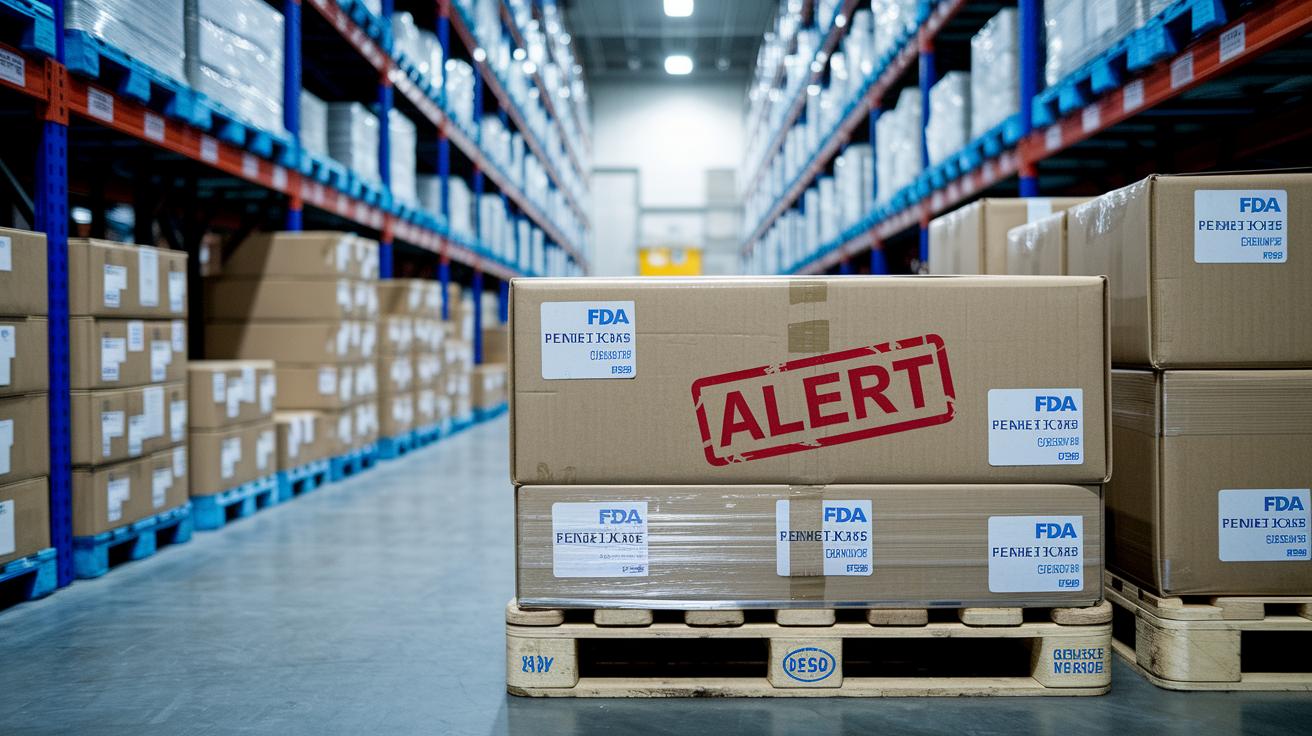
FDA import alerts notify companies when shipments may not meet safety rules, which can slow or stop products from entering the U.S. These alerts help protect public health and prevent costly supply delays by catching problems early. Knowing what triggers these alerts lets businesses fix issues before they grow.
- Germ contamination (for example, Salmonella or E. coli)
- Label mistakes (such as wrong information or missing warnings)
- Missed FDA registration deadlines
- Undeclared allergens
- Problems with packaging or temperature control
- Use of unapproved ingredients in cosmetics or drugs
- Lack of required FSMA FSVP documents
Keeping an eye on these issues is important for staying in compliance. Better record keeping, quality checks, and following guidelines can lower the risk of an alert and keep imports running smoothly.
Impact of FDA Import Alerts on Importers and Supply Chains
FDA import alerts can slow shipments at U.S. ports. When a shipment is flagged, officials hold it until they review the documents and complete required lab tests. This delay disrupts port operations and shifts delivery schedules, affecting the entire supply chain.
In addition to these delays, holding shipments often means extra costs. Private lab tests are needed to verify that products meet U.S. safety standards. These tests add financial pressure on importers, straining budgets and forcing companies to rework their spending plans.
Alerts may also force businesses to change shipping routes or look for alternative suppliers to keep their products moving. When shipments are delayed, it can lead to inventory shortages and extra logistics expenses, creating a domino effect along the supply chain.
Repeated alerts can also hurt an importer’s reputation. A history of issues may signal quality problems to overseas partners and domestic customers. This can reduce market opportunities and make it harder for companies to build trust in the global market.
Best Practices and Compliance Checklist for FDA Import Alerts

Businesses can lower risks from FDA import alerts by using solid compliance strategies. Regular checks of suppliers, careful review of documentation, and scheduled third-party audits help meet FSMA (Food Safety Modernization Act) and FDA labeling rules. Staying in touch with the FDA and training employees on import procedures also strengthens a company's response to possible issues. Clear plans for corrective actions and accurate records support uninterrupted supply chains and protect a company’s reputation in competitive markets.
Here’s a practical 12-point checklist to guide you toward dependable compliance:
- Confirm FDA registration and proper licensing.
- Keep product labels updated according to FDA guidelines.
- Perform FSMA FSVP (Foreign Supplier Verification Program) audits.
- Conduct a gap analysis to spot compliance issues.
- Review and verify all import documentation.
- Use in-house or third-party testing as needed.
- Monitor key shipment indicators.
- Schedule regular quality assurance audits.
- Develop corrective action plans for any violations.
- Record all monitoring and inspection results diligently.
- Ensure staff are trained on import alert procedures.
- Maintain regular communication with the FDA regarding import alerts.
Following these steps supports comprehensive compliance monitoring and paves the way for continuous improvements. Regularly updating these practices with the latest regulatory advice strengthens quality assurance and reduces risks in the supply chain.
Key Resources and Regulatory Updates on FDA Import Alerts
The FDA now offers an easy-to-use Import Alert Database on FDA.gov. This searchable tool lets you look up current alerts by product category, alert type, and affected country. Businesses can quickly see which items have been flagged under U.S. regulations.
The agency also keeps updating key guidance documents on topics like Detention Without Physical Examination procedures, FSMA rules, and the steps to remove alerts. These documents break down complex rules into clear steps, helping companies meet U.S. and global trade safety standards.
Keeping up with these changes is vital in today’s fast-paced international trade world. You can sign up for FDA email alerts or subscribe to RSS feeds to get real-time updates on new policies and alert entries. This proactive move lets companies adjust their practices quickly, protecting both their reputation and the trust of consumers.
Regularly checking these resources gives businesses a head start in competitive global markets by helping them learn about new changes as soon as they happen.
Final Words
In the action, this article breaks down how FDA import alerts safeguard trade and consumer safety. It reviewed the alerts’ role in detaining non-compliant products and outlined the criteria and legal framework behind these measures. We covered common violations, the impact on supply chains, and steps importers can take to remove alerts. The guide also shares key resources and practical tips for maintaining quality assurance. With fda import alerts explained clearly, readers gain a useful perspective to help make informed decisions and keep global trade on track.
FAQ
How are FDA import alerts explained in 2021?
The FDA import alerts explained in 2021 describe a system where the agency detains shipments that violate safety rules, ensuring products meet regulatory standards before entering the U.S. market.
What are FDA import alerts by country?
FDA import alerts by country refer to notices organized by the origin of shipments, enabling focused monitoring of products from specific regions to address recurring safety or compliance concerns.
What is the FDA Import Alert List?
The FDA Import Alert List is a public record of products and companies flagged for potential violations, helping stakeholders identify areas at risk and improve compliance with U.S. regulations.
What is the FDA import refusal list?
The FDA import refusal list details shipments denied entry due to non-compliance, highlighting issues such as labeling errors or contamination that must be corrected before products are allowed in the country.
What does the FDA Import Alert red List signify?
The FDA Import Alert red List signifies that specific shipments are automatically detained without examination, indicating serious safety or regulatory issues that require immediate corrective action.
What is meant by an FDA alert?
An FDA alert means the agency has issued an official notice regarding safety or regulatory breaches, informing importers of identified risks and the necessary steps for remediation.
How are FDA import alerts applied by company?
FDA import alerts by company target specific importers with a history of compliance issues, serving as a focused warning and urging remedial measures to meet safety and regulatory requirements.
What is FDA Import Alert 66 41?
FDA Import Alert 66 41 is a specific regulatory notice that sets criteria and evidence requirements for detaining shipments, guiding importers to address compliance issues before products can enter the U.S. market.