
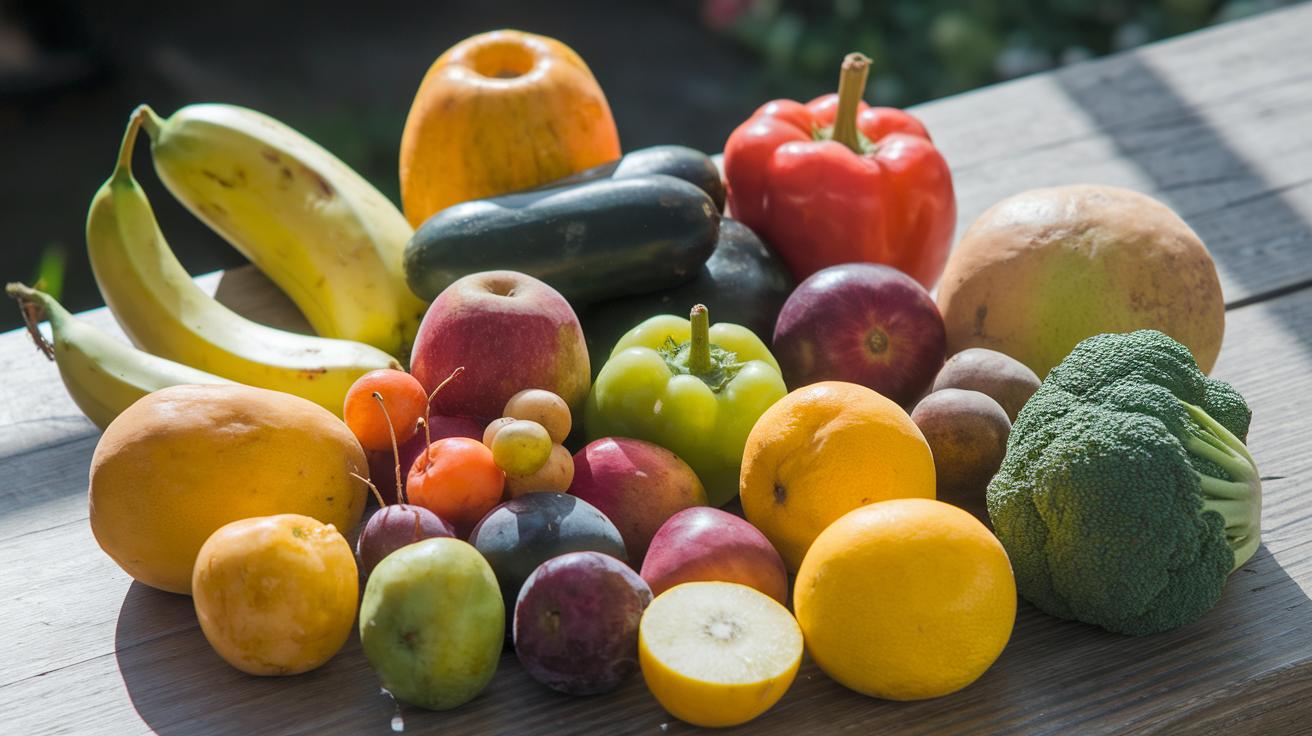

Ever wonder if the secret to a vibrant day starts with what you eat? Fruits and vegetables give you natural energy and help protect against heart disease and diabetes.
They are full of vitamins and fiber. Even a small serving of kale or berries can help support your immune system and ease digestion.
Simple changes on your plate can boost your energy and keep you healthy. Try adding a colorful mix of fruits and veggies to your meals and enjoy the benefits every day.
Fruits and Vegetables as Cornerstones of Healthy Eating
Eating fruits and vegetables every day can help lower your chances of heart disease, stroke, and type 2 diabetes. The antioxidants in items like berries work to protect your cells from damage by fighting harmful stress. Mixing different fruits and vegetables into your meals builds a solid base for a healthy, plant-based diet.
Produce also gives you essential vitamins and minerals that keep your body running well. For example, one cup of kale provides 134% of the daily need for vitamin C, 206% for vitamin A, and 684% for vitamin K, which all support your immune system and eye health. A cup of carrots offers 119% of the daily requirement for vitamin A, and berries bring vitamin C along with polyphenols that may help with inflammation.
Fruits and vegetables are a great source of fiber, which helps your digestion. An average apple gives you over 4 grams of fiber, and an Asian pear offers about 6 grams. This fiber not only supports regular digestion but also helps you feel full longer, which can aid in weight management.
Health guidelines suggest that on a typical 2,000 calorie diet, you should aim for about 2 cups of fruit and 2.5 cups of vegetables daily. This helps make sure you get enough nutrients to support overall well-being.
Top Nutrient-Packed Fruits to Include Daily
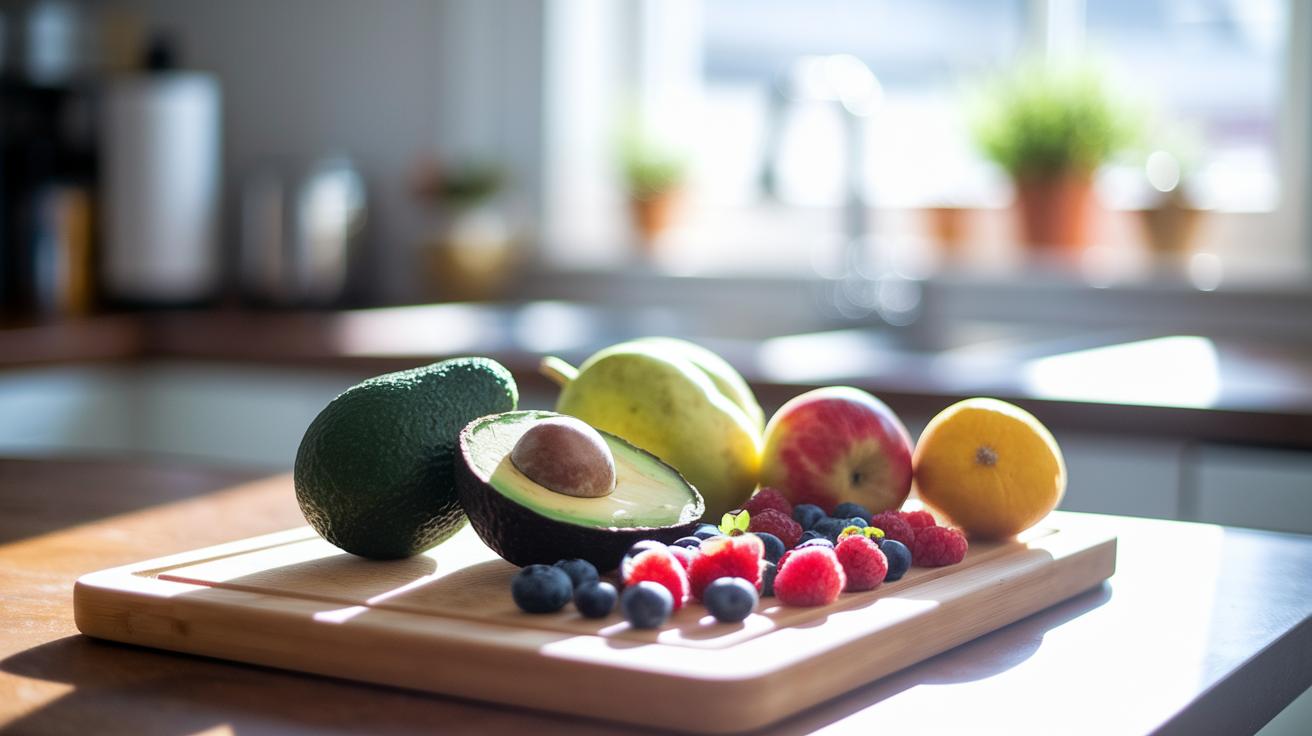
Eating different fruits gives you a quick burst of energy and important nutrients. These fruits offer healthy fats, fiber, vitamins, and antioxidants. They support your digestion, help control inflammation, and boost overall energy.
Avocado
A serving of avocado gives you 22 g of healthy fats. It is also full of potassium and vitamin E. Its creamy texture works well on toast or in a smoothie for a satisfying boost.
Berries
Berries add natural sweetness along with fiber, vitamin C, and polyphenols that help manage inflammation. You can sprinkle them on cereal or stir them into yogurt to enjoy their bright flavor and benefits.
Asian Pear
A medium Asian pear offers about 6 g of fiber, plus vitamins C and K and potassium. They are crisp and refreshing, making them a great snack or salad addition.
Pomelo
Half a pomelo gives you 5 g of protein and 6 g of fiber. It also provides 4 times the daily value of vitamin C, 32% of the daily value for copper, and 28% of the daily value for potassium. Its tangy flavor is perfect in citrus salads or simply on its own.
Lychee
Lychee is a good source of vitamin C, copper, and potassium. It also provides antioxidants that help protect your cells. Chill them for an exotic snack or pair them with a light dessert.
Apple
An apple supplies more than 4 g of fiber thanks to its pectin, which supports a healthy gut. It also offers quercetin for immune support. Its crisp bite makes it a handy on-the-go option.
Kumquat
Kumquats are unique because you can eat their peel along with the fruit. The peel is full of vitamin C, fiber, and phytonutrients. Enjoy them whole for a burst of zesty flavor that livens up any fruit bowl or salad.
Essential Vegetables for a Nutritious Plate
Vegetables give you natural energy along with the vitamins, minerals, and fiber your body needs. They help keep your heart healthy, support your immune system, and aid digestion with natural antioxidants. For instance, kale is loaded with vitamins A, C, and K, while broccoli offers fiber and a bit of plant protein. Legumes bring extra protein and fiber, making any plant-based meal even better. Root vegetables such as taro and daikon radish add unique antioxidants and flavors that work well in stir-fries or pickled recipes. Carrots and sweet potatoes brighten up your plate and supply key nutrients that help your body function at its best. Adding a mix of these vegetables to your meals is a simple way to fuel your body with clean, natural energy.
| Vegetable | Key Nutrients |
|---|---|
| Kale | 684% DV vitamin K, 206% DV vitamin A, 134% DV vitamin C per cup |
| Broccoli | Fiber, vitamins C and K, plus plant protein |
| Legumes | Extra protein and fiber |
| Daikon Radish | Mild antioxidants for stir-fries and pickles |
| Taro Root | High in carbohydrates and antioxidants; must be cooked to remove irritants |
| Carrots | Fiber, potassium, vitamin K, and carotene antioxidants; 119% DV vitamin A per cup |
| Sweet Potatoes | Fiber, vitamins A and C, potassium; deeper color means more antioxidants |
Adding these vegetables to your daily meals is a smart, healthy choice that gives your body the pure energy it needs.
Choosing and Storing Fresh Produce Effectively
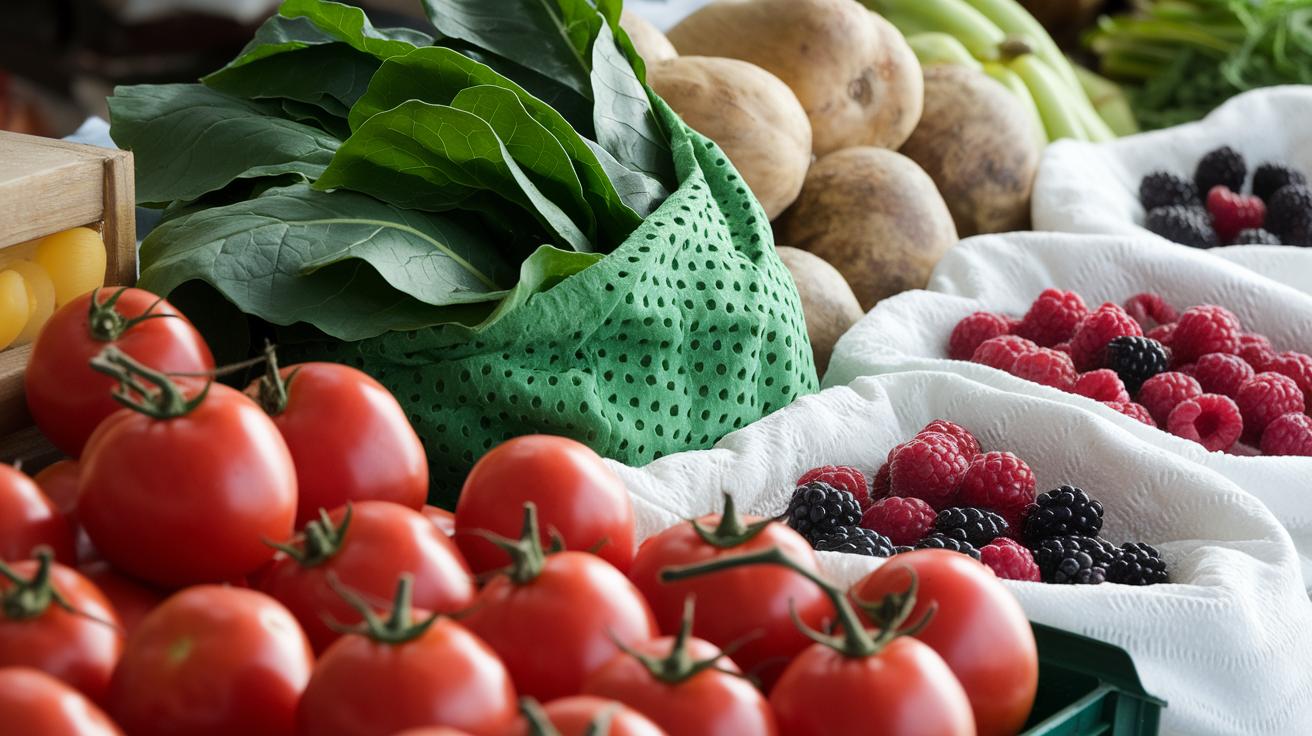
When you shop for produce, choose fruits and vegetables that look even in color, feel firm, and smell fresh. Seasonal items not only taste better but often pack more nutrients. For instance, pick tomatoes that show a deep red color and give slightly when pressed. This simple check helps you get the best quality, whether you choose organic options or locally grown produce.
At home, proper storage makes a real difference. Keep leafy greens in perforated bags in the fridge set at 32–36 °F to stay crisp. Lay berries in a single layer on paper towels so they don't hold too much moisture. Store root vegetables in a cool, dark spot to help preserve their flavor and texture. These tips make sure you enjoy every bite while keeping your meals nutritious and full of energy.
Creative Ways to Add Fruits and Vegetables to Your Meals
Eating a mix of fruits and vegetables makes your meals tastier and gives you energy. Adding a splash of color to your plate not only boosts nutrition but also makes everyday dishes exciting.
Fruit-Based Smoothies and Juices
Try making a refreshing green smoothie by blending a cup of spinach, one ripe banana, one cup of mixed berries, and one cup of water or plant milk. Adjust the amounts to get the texture you like. For extra protein and healthy fats, add a spoonful of nut butter or a sprinkle of chia seeds.
Vibrant Salads and Bowls
Mix dark leafy greens with segments of citrus and creamy avocado to create a zesty salad. Top it off with crunchy sunflower seeds or walnuts for extra texture. A few slices of apple or pear can also add a sweet twist to your salad.
Vegetable-Forward Main Dishes
Boost your dinner with a quick stir-fry or a hearty roasted bowl. For a stir-fry, lightly cook carrots, snap peas, and mushrooms with garlic and ginger. You could also roast sweet potato, broccoli, and bell pepper with a drizzle of olive oil for a full, balanced meal.
Produce-Packed Snacks and Desserts
For a light treat, layer yogurt with fresh berries, sliced kiwi, and chia seeds, then drizzle a bit of honey on top. Raw veggie dips paired with carrot and cucumber sticks offer a crisp, healthy snack option.
Serving Sizes and Daily Intake Guidelines for Produce

If you follow a 2,000-calorie diet, aim for about 2 cups of fruit and 2.5 cups of vegetables each day. You can change these amounts based on your personal needs. For example, if you exercise regularly, you might benefit from a bit more cooked vegetables for better nutrient uptake. Meanwhile, raw greens are a great way to add extra fiber to your meals.
| Produce Category | Standard Serving | Example | Adjustment Tip |
|---|---|---|---|
| Fruit | 1 cup | 1 medium apple or ½ cup berries | Pair with protein to keep energy steady |
| Leafy Greens | 1 cup | 1 cup raw salad greens | Add more for an extra fiber boost |
| Cooked Vegetables | ½ cup | ½ cup chopped or cooked vegetables | If you’re active, consider increasing the portion slightly |
| Vegetable Juice | ½ cup | ½ cup fresh vegetable juice | Enjoy now and then; whole vegetables provide more fiber |
Practical tips:
- Adjust serving sizes based on how active you are.
- Remember that cooking can help unlock nutrients, while raw produce boosts fiber intake.
- Use these examples to guide you in meeting your nutritional goals.
Building Sustainable Habits for Increased Produce Intake
Many people worry that fruits and vegetables cost too much, take extra time to prepare, or spoil before they can be used. Shoppers may believe that produce is expensive or that it will go bad quickly, which may stop them from adding these natural foods to their meals.
There are easy ways to fix these issues. When fresh produce isn't convenient, try frozen options. Pre-washed and pre-cut fruits and vegetables can save time, and cooking dishes in large portions means you have ready-to-eat meals throughout the week. Picture making a mixed vegetable dish on the weekend and keeping it in your fridge for fast dinners later. Using seasonal produce not only makes meals more varied but also helps keep costs low by buying fruits and vegetables at their best.
Small, steady changes can lead to big results. Freezing extra produce locks in its nutrients for later, and little habits, like tossing some berries into your breakfast or adding leafy greens to your sandwich, can build a lasting routine. These simple steps help you use food as a way to support your health and make eating well a sustainable part of your life.
Final Words
In the action, this article explained how a balanced diet benefits from a mix of nutrient-packed fruits and vegetables. We broke down evidence showing that regular produce intake helps lower chronic disease risk and boosts digestive and immune health. Clear tips on selecting, storing, and preparing produce make healthy eating accessible to everyone.
Using a variety of fruit and vegetables for healthy eating can guide you to better daily nutrition, and help you feel great.
FAQ
What fruits and vegetables are best for healthy eating?
The best fruits and vegetables for healthy eating include a variety of colors and types such as apples, berries, kale, broccoli, carrots, and leafy greens, which provide fiber, vitamins, and antioxidants to support overall wellness.
How can a 7-day fruit and vegetable diet plan support weight loss?
A 7-day diet plan rich in fruits and vegetables supports weight loss by offering low-calorie, high-fiber options that help fill you up while providing essential nutrients needed for energy and health.
What are the key health benefits of eating fruits and vegetables?
Eating fruits and vegetables daily helps reduce chronic disease risk, supplies vital micronutrients, and provides fiber for digestive health, making them essential components of a balanced diet.
What are some of the best vegetables to eat daily?
The best vegetables to eat daily are nutrient-dense options like kale, broccoli, carrots, and leafy greens, which offer high levels of vitamins, minerals, and fiber for improved heart and overall health.
Which fruit or vegetable is considered the healthiest?
While no single item is crowned the healthiest, fruits such as berries and apples, along with vegetables like kale and broccoli, are often highlighted for their rich nutrient profiles and broad health benefits.
What fruits and vegetables should I eat every day?
A daily mix should include a variety of fruits like apples, berries, and oranges alongside vegetables such as spinach, broccoli, and carrots to ensure a broad range of vitamins, minerals, and fiber.
Can someone be healthy just eating fruits and vegetables?
While fruits and vegetables are vital for health, relying solely on them may miss essential proteins and fats, so a balanced diet that includes whole grains, lean proteins, and healthy fats is recommended.
What vitamins and minerals do fruits and vegetables offer?
Fruits and vegetables provide important vitamins like C, A, and K and minerals such as potassium and magnesium, which work together to support immune function, heart health, and overall bodily functions.