


Ever wonder why some people have energy all day? It might start with what they eat. Adding fruits, veggies, and a balanced mix of carbs, protein, and healthy fats can make a big difference. In this article, we share simple steps to plan meals that help repair muscles, keep blood sugar steady, and support overall health. Try smart eating habits to feel more lively every day.
Core Principles of Healthy Eating Habits
National guidelines say that you should get 45-65% of your calories from carbohydrates, 10-35% from protein, and 20-35% from fats. This mix gives you the energy you need for daily activities while helping to repair muscles, balance hormones, and keep blood sugar steady.
Experts recommend a simple plan to boost your nutrition. Try to enjoy 5-9 servings of fruits and vegetables every day, along with 25-30 grams of fiber. Also, aim to drink 8 cups of water daily. Using these targets makes meal planning straightforward and helps keep your skin, digestion, and energy levels in good shape.
- Balanced macros: Eating the right mix of carbohydrates, proteins, and fats.
- Increased fiber: Getting 25-30 grams each day to support your digestion.
- Proper hydration: Drinking 8 cups of water to keep your body working well.
- Dietary variety: Including different fruits, vegetables, and whole grains to cover all your nutrient needs.
- Moderation: Enjoying foods in measured amounts to avoid extra calories.
Keeping these ideas in mind can help you create meals that match your energy needs and support long-term health. Following clear targets like balanced macros and daily servings of fruits and vegetables is a smart way to feel lively and take care of your body.
Portion Control Strategies for Healthy Eating Habits
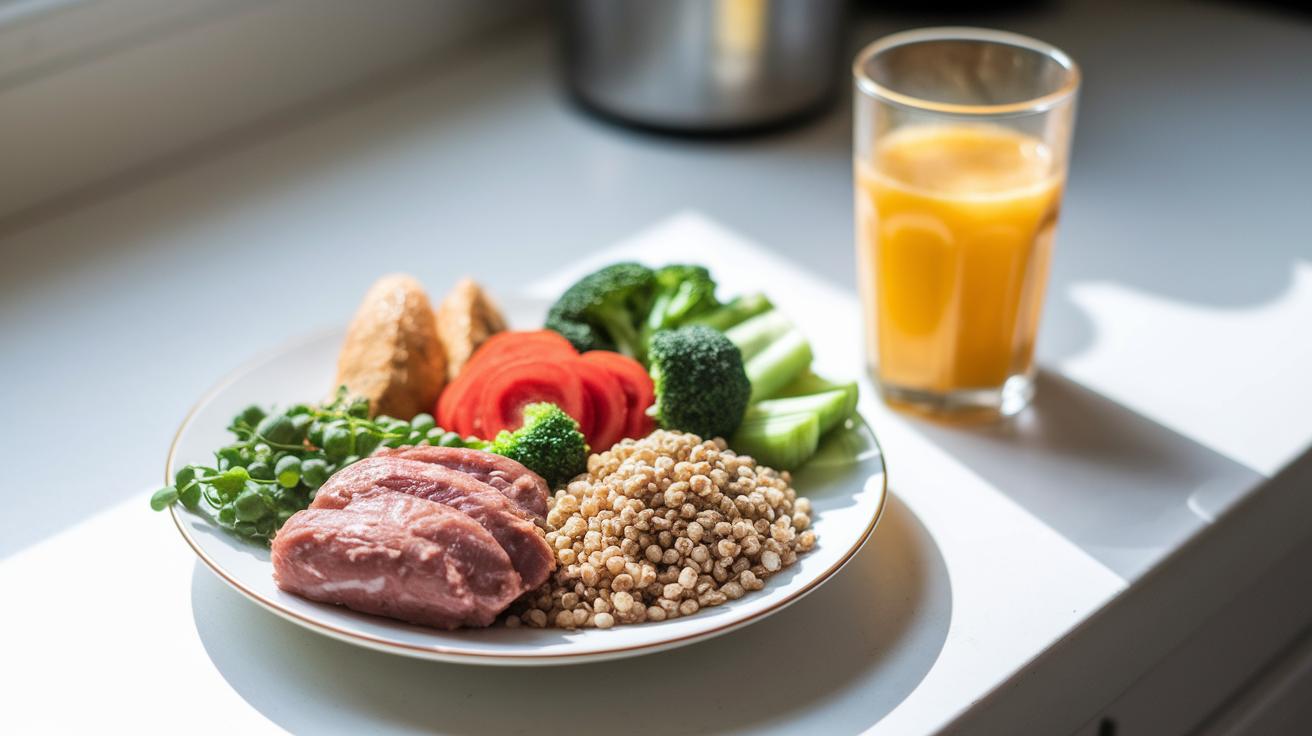
Keeping an eye on portions is a simple way to manage calories and feel better each day. Visual guides help you create balanced meals that keep your energy up and support a healthy weight.
Watching your portions means you can enjoy a wide mix of foods without eating too much. Try comparing your food to the size of your palm, fist, or thumb as a quick check.
| Food Category | Recommended Portion |
|---|---|
| Protein | Palm-sized portion (3–4 oz) |
| Carbohydrates | Fist-sized serving (1 cup) |
| Fats | Thumb-sized portion (1 tbsp) |
| Vegetables | 1–1½ cups per meal |
Using these simple visual cues makes it easier to serve the right amounts whether you're cooking at home or eating out. Next time, take a moment to compare your food with your palm, fist, or thumb to help prevent overeating and keep you feeling active and alert.
Nutritious Meal Planning for Sustainable Healthy Eating Habits
Planning your weekly menu is a smart first step. It cuts out the stress of wondering what to cook and helps keep your meals balanced every day. Research shows that meal planning can boost how often you stick to your plan by as much as 50% and can even lower your grocery costs by around 20%.
A good five-day meal plan should include lean proteins, whole grains, and plenty of fruits and veggies. Picture a dinner that features grilled chicken or tofu with brown rice, quinoa, or whole wheat pasta mixed with a rainbow of vegetables and a side of fresh fruit. This mix not only adds variety to your meals but also helps you meet nutritional goals. By planning ahead, you set a clear path to sticking to healthy habits even when your schedule is packed, easing mealtime stress and cutting down on the urge to choose quick, less nutritious options.
After you have your meal plan, the next step is to make a detailed shopping list. Write down every ingredient you need and check your pantry to avoid buying things you already have. Batch-cooking items like grilled chicken, roasted vegetables, or whole grains can save you around 30 minutes with each meal prep session. Organize your list by store sections and compare prices to keep your spending in check, this method can trim your grocery bills by about 20%. Using affordable, reusable containers also helps keep your meals fresh throughout the week, making it easier to enjoy a balanced diet daily.
Mindful Eating Techniques in Healthy Eating Habits

Taking time to enjoy your food can change the way you eat. Mindful eating means focusing on each bite and noticing its taste, texture, and smell. Experts recommend chewing your food 20 to 30 times so you can tell when you feel full. Research shows that listening to your hunger signals may lower overeating by 25%. This method turns eating into a calm and deliberate experience. For example, savor a bite of fruit or bread slowly to truly appreciate its flavor.
Setting regular meal times can also boost mindful eating. Sitting down to eat at the same time each day gives your body a clear signal when it needs fuel. By putting aside distractions like phones or TV, you can really focus on your meal. This practice may help reduce excess calories and make meals more satisfying. Try to set a specific time to sit, eat slowly, and fully taste your food. In doing so, you turn every meal into a special moment.
Whole Food and Plant-Powered Nutrition for Healthy Eating Habits
Whole foods are foods that stay close to their natural form, like fresh fruits, vegetables, whole grains, and legumes. They need very little processing so they keep most of their fiber, vitamins, and minerals. In contrast, processed foods often lose many nutrients and fiber and may contain extra additives. Research shows that whole foods may offer up to 30% more fiber and 20%–30% more vitamins than processed foods. This makes them a smart choice if you want to improve your nutrition.
Fresh fruits and vegetables are full of the vitamins and minerals your body needs for a healthy immune system and steady energy. Whole grains not only provide a good amount of fiber, but they also help keep your blood sugar levels steady. Including these foods in your daily meals gives you natural nourishment that supports your digestion and overall body function. Such benefits can help you build and maintain healthy eating habits.
Legumes, nuts, and seasonal produce are key parts of a plant-powered diet. Legumes supply protein and fiber without the extra fat found in some animal products. Nuts offer healthy fats that support your heart and brain, while seasonal produce delivers peak nutrients and great flavor. Adding these foods to your plate is easy and can support long-term health, giving you a lively and balanced way of eating.
Final Words
In the action, we broke down core principles like balanced macronutrient targets and portion control strategies. We also explored a smart approach to meal planning that saves time and money.
We highlighted mindful eating techniques that boost satisfaction and whole food benefits that support long-term wellness.
These steps all build a strong foundation for healthy eating habits. Moving forward, applying these practical tips can help you make choices that support lasting well-being.
FAQ
Q: What are healthy eating habits for students, kids, and adults?
A: The healthy eating habits for students, kids, and adults include balanced meals, proper portion sizes, and nutrient diversity. They adapt to age-specific needs while emphasizing whole foods and moderation.
Q: What are the 7 healthy eating habits?
A: The 7 healthy eating habits involve balanced nutrition, increased fiber intake, proper hydration, dietary variety, portion control, mindful eating, and limiting processed foods to boost overall health.
Q: What are the 10 healthy eating habits?
A: The 10 healthy eating habits expand guidelines by including regular meal planning, balanced macronutrient intake, ample fruits and vegetables, whole grains, lean proteins, healthy fats, fiber, controlled portions, mindful eating, and reduced added sugars.
Q: What are the 5 rules for healthy eating?
A: The 5 rules for healthy eating stress focusing on balanced macronutrients, boosting fiber, staying well-hydrated, enjoying a variety of foods, and practicing moderation with portion sizes and treats.
Q: What is a healthy eating habits poster?
A: The healthy eating habits poster visually presents key guidelines like portion sizes and balanced nutrients, offering a handy reference for making nutritious choices at a glance.
Q: Where can I find healthy eating habits reading materials or PDFs?
A: The healthy eating habits reading materials and PDFs provide easy-to-read guidelines and visuals on balanced diets, portion control, and meal planning, helping readers maintain a nutritious lifestyle.
Q: What do healthy eating habits mean?
A: The healthy eating habits mean establishing a routine of balanced meals, mindful dining, regular hydration, and whole food choices that support long-term well-being.