


Ever wonder if a healthy meal plan can truly boost your daily energy? A well-planned menu gives you balanced meals that reduce stress and save time in the kitchen. Families can cut costs with simple grocery lists and easy recipes that make dinner decisions a breeze. Sticking to a healthy meal plan means choosing nutritious foods that fuel your day and support lasting wellness. In short, planning your meals can really improve your well-being.
Core Weekly Healthy Eating Meal Plan Guide
A meal plan helps you set up balanced meals for the week, making it easier to stay on track with your diet and lead a healthy lifestyle. Families find these plans useful because they simplify dinner decisions and reduce mealtime stress. Many busy families say that a clear meal plan cuts food prep time in half and even boosts energy levels.
These weekly meal plans are free and include a full grocery list along with a seven-day plan of different recipes. You get options like high-protein meals for muscle building, low-carb meals for steady energy, vegetarian recipes for plant-based eating, and one-pot dishes that make cleanup quick and easy. There are also macro-friendly and seasonal choices to suit every taste. Imagine having a guide that shows you exactly what to buy and cook each day, turning meal planning into a fun and manageable task.
This plan not only saves you time but also helps lower costs by cutting down on the need for last-minute, expensive ingredients. With many categories available, you can choose meals that match your lifestyle, whether you are focusing on weight control or simply want nutritious recipes for the week. Families save money by buying in bulk and reducing food waste while enjoying fresh meals every day. This variety makes healthy eating feel less like a chore and more like an enjoyable part of your busy routine.
Balanced Nutrition Framework for Healthy Eating Meal Plan
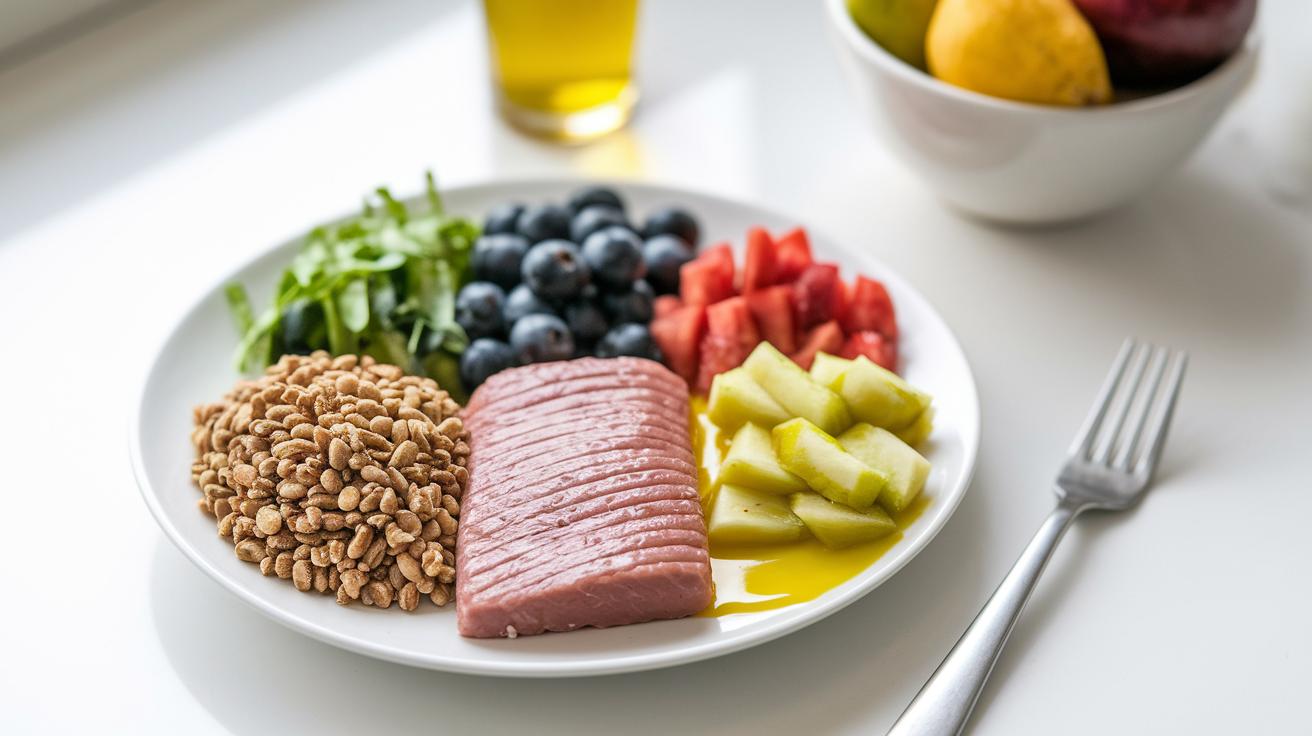
USDA guidelines give you clear nutrient targets to help build balanced meals. Our meal plans include high-protein and low-carb options along with recipes that make the most of seasonal produce. This approach mixes healthy carbohydrates, proteins, fats, fiber, and important vitamins and minerals so your body gets a broad range of nutrients every day.
With this nutrient-rich plan, you can pick whole grains and fruits for energy, and lean meats or beans for quality protein. Heart-healthy fats from olive oil and nuts work to support your cardiovascular system, while fiber, 25 grams for women and 38 grams for men, helps keep digestion on track. Colorful fruits and leafy greens add the vitamins and minerals your body needs. This simple guide helps you plan meals to boost energy, support muscle repair, and enhance overall wellness. Adjust the types and amounts to match your lifestyle and enjoy feeling your best.
| Nutrient | Daily Target | Example Foods |
|---|---|---|
| Carbohydrates | 45–65% of calories | Whole grains, fruits |
| Protein | 10–35% of calories | Lean meat, legumes |
| Fats | 20–35% of calories | Olive oil, nuts |
| Fiber | Women: 25 g; Men: 38 g | Vegetables, whole grains |
| Vitamins & Minerals | Varies by nutrient | Colorful fruits, leafy greens |
Meal Prep Guidelines for Your Healthy Eating Meal Plan
Getting your meal prep in order can really make your week easier. When you set aside a day to cook and chop, you cut down daily stress and free up time for other things.
Plan your week by making a good shopping list and gathering a variety of recipe ideas. Think about air fryer dishes, breads and rolls, main meals, and sides. This plan helps ensure you stick to healthy meals while keeping your routine smooth.
Try these simple steps for meal prep:
- Cook proteins like chicken and tofu all at once.
- Chop vegetables ahead of time and keep them in clear containers.
- Divide meals into single-serve portions.
- Mark each meal with the day it’s meant for and its type.
- Freeze any extra portions.
- Change up your recipes each week for variety.
Having a ready shopping list and diverse recipes makes meal planning less stressful and saves time. This method can also help you spend less money by reducing food waste and cutting down on extra, unplanned purchases. With organized ingredients and clear recipes, you'll have more time to enjoy your meals and a healthier lifestyle overall.
Seven-Day Sample Healthy Eating Meal Plan
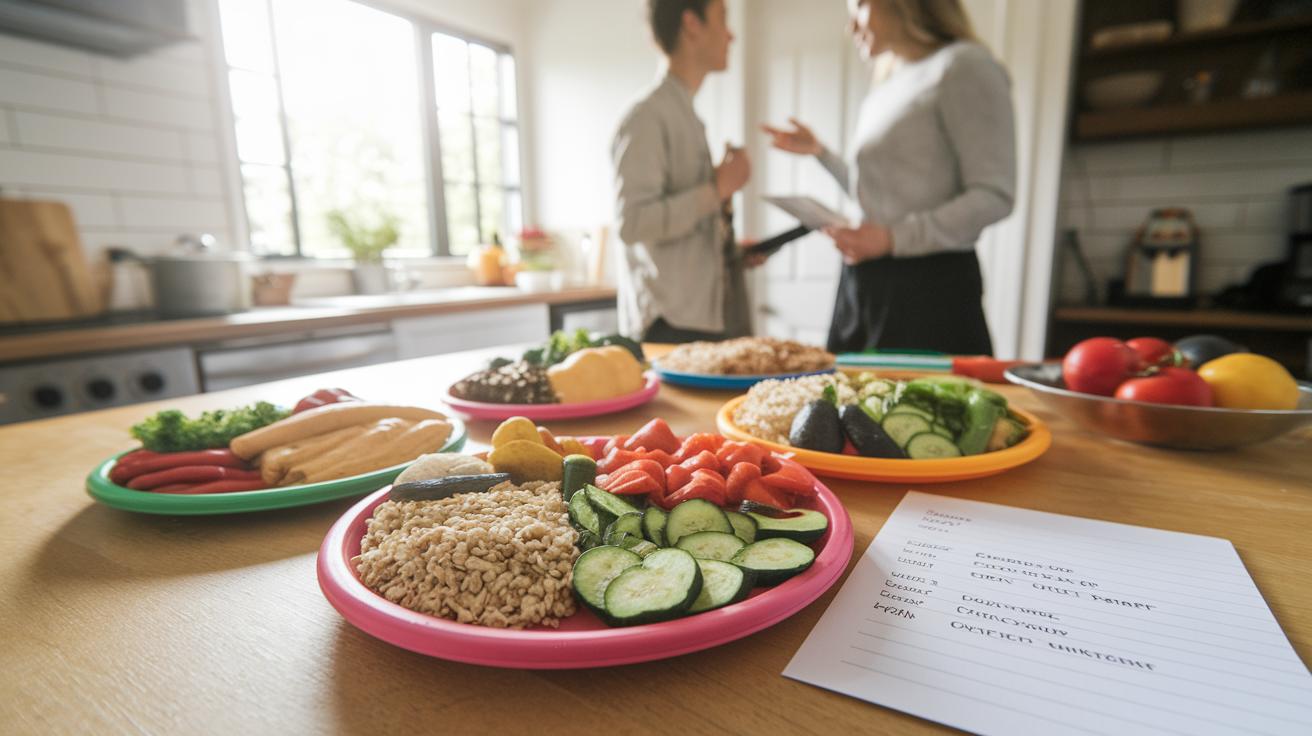
This plan gives you an easy way to hit your nutritional goals while still enjoying foods you love. You can switch up meals or swap ingredients based on what you fancy, whether you need more protein to support muscle repair, fewer carbs for steady energy, or fiber-rich vegetarian options. Each day’s menu comes with a full grocery list, making shopping simple and stress-free. You might even try a one-pot recipe for faster cleanup or use an air fryer for a crispy texture without extra fat. The plan also features macro-friendly and seasonal dishes so you can maintain a balanced and vibrant diet.
| Day | Breakfast | Lunch | Dinner |
|---|---|---|---|
| Monday | Greek yogurt & berries | Grilled chicken salad | Baked salmon & quinoa |
| Tuesday | Omelet with spinach & feta | Turkey-avocado wrap | Zucchini noodles & meatballs |
| Wednesday | Overnight oats with chia seeds | Lentil soup & whole grain bread | Stir-fried tofu & veggies |
| Thursday | Smoothie (spinach, banana) | Quinoa salad with chickpeas | One-pan roasted chicken & veg |
| Friday | Scrambled eggs & avocado toast | Beef taco bowl | Seasonal veggie stir-fry |
| Saturday | Protein pancakes & fruit | Macro-friendly buddha bowl | Air-fryer shrimp & asparagus |
| Sunday | Veggie frittata | Roasted veggie & hummus wrap | Sheet-pan salmon & Brussels sprouts |
Feel free to mix and match meals all week to suit your lifestyle and dietary needs. You can repeat your favorites or experiment with new swaps from the grocery list to keep your healthy eating journey both fun and sustainable.
Customizing Your Healthy Eating Meal Plan for Dietary Needs
Customizing your meal plan means you can change recipes to fit your lifestyle easily. You can swap out ingredients, balance your nutrients, and work around allergies without giving up flavor. This flexible approach helps you meet your goals, whether you follow a special diet or need to avoid certain foods.
Plant-Based Routine
If you want a plant-based meal plan, replace animal proteins with options like beans, tofu, or tempeh. You can also add fortified plant milks for extra nutrients. This switch gives you more fiber and antioxidants while keeping your meals tasty. For instance, try using chickpeas instead of chicken in a hearty stew.
Gluten-Free Options
For a gluten-free plan, swap out wheat with grains like rice or quinoa. You can use certified gluten-free oats and gluten-free flours in your baking. This way, you can still enjoy delicious baked goods and satisfying meals without any gluten.
High-Protein Strategy
If you need extra protein, include lean meats, dairy, or protein powders in your meals. Aim for 25–30 g of protein per meal to support muscle repair and keep your energy up. You might add a scoop of protein powder to smoothies or top a salad with grilled chicken for a protein boost.
Low-Carb Adjustments
If you're cutting back on carbs, limit grains and choose non-starchy vegetables along with healthy fats like avocado and olive oil. These changes can help keep your blood sugar steady while still offering plenty of flavor and nutrients.
Budget-Savvy and Sustainable Healthy Eating Meal Plan Tips

A smart meal plan not only helps you spend less but also cuts food waste. When you buy fruits and veggies in season, you get the best prices and the freshest flavors. Stocking up on bulk items like rice and beans can lower your costs and serve as a flexible base for many meals. Plus, free weekly menus let you avoid expensive subscriptions and cookbooks.
Try these practical tactics to keep your meal plan affordable and eco-friendly:
- Visit local farmers' markets for good deals.
- Plan fun theme nights, such as Meatless Monday or Taco Tuesday.
- Build meals around pantry staples like beans and rice.
- Turn leftovers into new dishes.
- Choose frozen produce when fresh options are pricey.
- Compost food scraps to reduce waste.
Using these strategies can save you time and money while helping the planet. A well-structured meal plan streamlines shopping and prevents impulse buys, making healthy eating both practical and enjoyable, even on a tight budget.
Evidence-Based Benefits of Sticking to a Healthy Eating Meal Plan
Following a planned healthy eating routine can help you manage your weight, balance your blood sugar, and protect your heart. By sticking to a set meal plan, you keep your calorie intake more steady and can naturally control cravings. This steady approach helps prevent sudden spikes in blood sugar, which is important for feeling your best.
A balanced diet that includes whole foods, lean proteins, and plenty of vegetables may help lower cholesterol and fight inflammation, supporting good heart health. People who stick to a clear meal plan also tend to have more energy and balanced moods throughout the day. In simple terms, regular and balanced meals can make it easier to keep up a nutritious diet over time, boosting both physical and mental performance.
Portion Control and Meal Timing within Your Healthy Eating Meal Plan

Visual cues can help you easily estimate your serving sizes. Try using your hand as a guide, a palm-sized portion for protein, a fist for carbohydrates, and a thumb for fats. For instance, think of your hand as a built-in tool: a palm for chicken, a fist for rice, and a thumb for olive oil can help you keep your portions in check without needing a scale.
Eating balanced meals every 3 to 4 hours can keep your energy steady throughout the day. This pattern helps maintain stable blood sugar levels and may stop you from overeating later. Many find it useful to plan regular meals and healthy snacks so they never go too long without fuel. For example, you might enjoy lunch at noon, a snack at 3 p.m., and dinner around 7 p.m.
A daily food checklist can also support proper portion control and meal timing. Write down the meals you plan to eat, including the estimated servings and the times you intend to eat them. Then, check off each meal as you complete it. This simple tracking system can make it easier to stay accountable to your healthy eating goals.
Final Words
In the action, this guide showed how a healthy eating meal plan can simplify cooking and save time while keeping meals exciting. It detailed diverse recipes, clear grocery lists, and practical meal prep steps for busy lifestyles. The plan even adjusts for dietary needs like low-carb or plant-based options. With evidence-backed benefits for weight control and energy levels, a structured approach makes healthy choices easier and more sustainable. Enjoy the journey to better eating and improved well-being.
FAQ
Healthy eating meal plan pdf
The healthy eating meal plan pdf provides a free, organized guide with recipes, category options like high-protein and vegetarian, and a full grocery list for easy weekly meal planning.
7-day healthy eating plan
The 7-day healthy eating plan offers a complete weekly guide featuring daily meal templates, balanced nutrients, and a grocery checklist to help families cook and eat healthier.
Healthy eating meal plan free
The healthy eating meal plan free service delivers budget-friendly, ready-to-use recipes along with a detailed shopping list, making healthy meal prep both efficient and cost-effective.
Healthy eating meal plan for weight loss
The healthy eating meal plan for weight loss targets portion control and balanced nutrition with recipes that emphasize low-carb and high-protein choices to support effective weight management.
7 day healthy eating plan PDF
The 7 day healthy eating plan PDF is a downloadable resource that includes a structured weekly menu, complete grocery list, and various meal options to promote balanced eating habits.
21 day clean eating meal plan PDF
The 21 day clean eating meal plan PDF outlines a three-week schedule that focuses on whole foods and seasonal produce, offering clear nutrient guidelines to support long-term healthy eating.
7-day diet plan for weight loss
The 7-day diet plan for weight loss provides energy-balanced meals, practical portion control tips, and a comprehensive grocery list designed to assist with sustainable weight loss through structured dining.
7-Day clean eating meal plan
The 7-Day clean eating meal plan emphasizes whole, unprocessed foods across varied recipe categories, ensuring balanced nutrients and practical guidance for an effective, wholesome diet.
What is the healthiest meal routine?
The healthiest meal routine balances proper portion sizes, consistent meal timing, and nutrient-dense foods, ensuring sustained energy and overall well-being through structured, simple meal planning.
What is the 3-3-3 rule for losing weight?
The 3-3-3 rule for losing weight suggests three balanced meals a day each composed of roughly three servings from different food groups, fostering steady energy and metabolic balance.
How do beginners start eating healthier?
Beginners start eating healthier by following a structured meal plan, utilizing simple meal prep guidelines, embracing balanced portion cues, and gradually substituting ingredients with healthier alternatives.
How to eat off $20 a week?
Eating off $20 a week involves planning a budget-friendly meal plan using low-cost ingredients, themed nights, local market finds, and repurposing leftovers to maintain a nutritious and economical diet.