


Ever wonder if natural remedies can help ease anxiety without harsh side effects? Lots of people now choose herbs like lavender, chamomile, and lemon balm because they have a gentle calming effect. These herbs have been trusted for centuries, and new research shows they may help lower stress and balance mood.
In this post, we'll explore eight herbs that might offer soothing relief when anxiety strikes. Could these time-tested remedies be the natural answer you've been looking for?
Evidence-Based Herbs for Anxiety Relief: Overview
About 30% of people face anxiety at some point, with women often reporting more symptoms. This common issue has many looking for natural ways to feel better. Herbs are growing in popularity as a gentle option compared to traditional treatments.
Research points to eight herbs that have long been used to ease anxiety. Lavender, known for its calming scent, may help reduce tension. Turmeric offers anti-inflammatory benefits that might boost mood. Reishi mushroom is used as an adaptogen to build stress resilience, while ashwagandha may help lower cortisol levels (a stress hormone). Chamomile is valued for its mild relaxing effects, and lemon balm is known to soothe the nerves. Kava kava supports relaxation by affecting brain pathways linked to calmness, and chasteberry has a traditional reputation for balancing mood. These herbs rely on both early trials and centuries of use to support mental well-being.
This guide explains how to measure doses, use herbs safely, and prepare them effectively. You'll find practical advice on incorporating these remedies into your routine, whether as teas, capsules, or tinctures, to help manage stress and promote relaxation.
Chamomile and Lemon Balm: Traditional Calming Botanicals
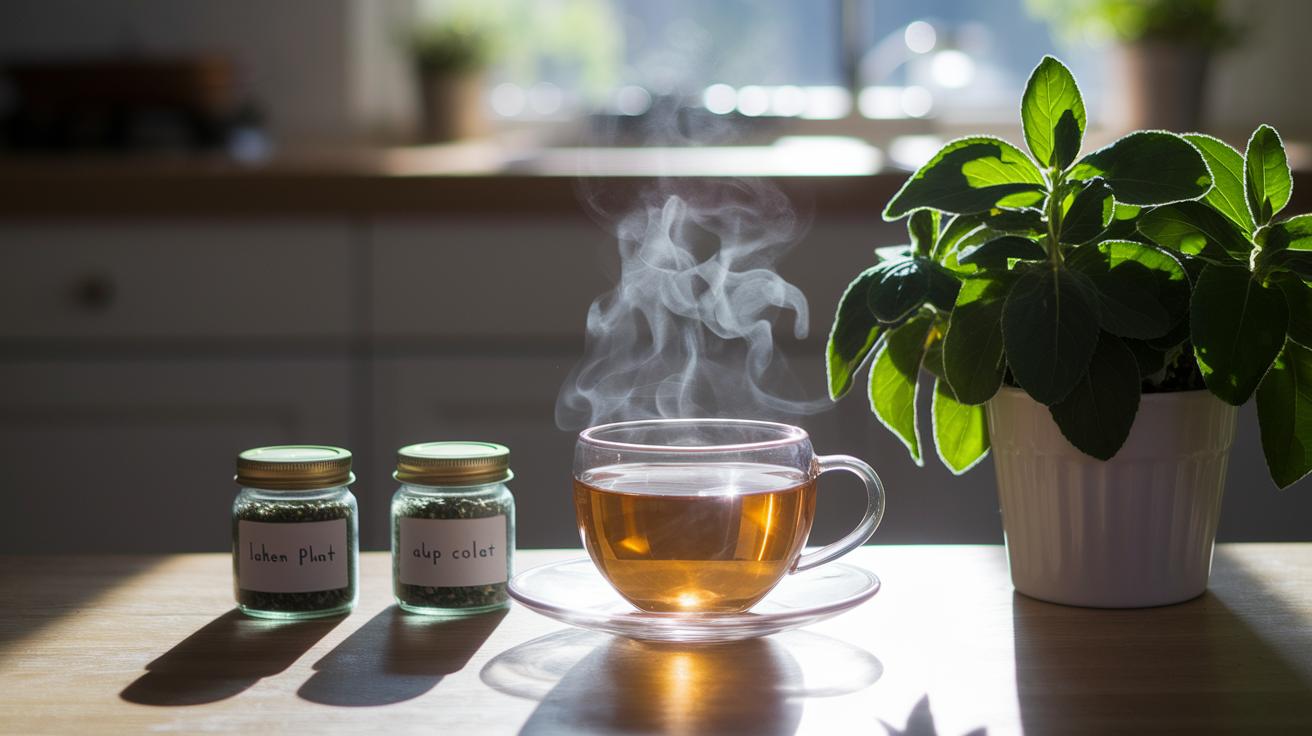
For centuries, people have brewed chamomile and lemon balm into teas to help soothe the mind and body. Traditional healers trusted these simple infusions to ease everyday stress and restore balance.
Recent studies back up chamomile’s calming effects. Research shows that chamomile, used as a warm tea or in capsule form, can help ease anxiety when taken over a short period. However, keep in mind that chamomile might raise the risk of bleeding for those taking blood thinners or with clotting issues.
Lemon balm has also been found to reduce anxiety when taken in doses of 300 to 600 mg per day. Most users report only mild side effects, like a little nausea or slight stomach discomfort. Since it is generally safe for use for up to 8 weeks, lemon balm offers a practical option for managing stress naturally.
Lavender for Anxiety Relief: Aromatherapy and Oral Uses
Lavender essential oil is often used in aromatherapy to help ease anxiety. A common practice is to add 10 drops to a diffuser and let it run for 15 to 20 minutes. Many people say that the gentle scent helps them relax and feel less tense. This method of inhaling lavender has been used for many years to create a calming environment and may help lower cortisol levels, the hormone linked to stress.
Recent clinical studies also suggest that taking lavender as an oral supplement might reduce anxiety. In these studies, participants took 80–160 mg of lavender twice daily. Many reported feeling calmer and experiencing less stress. Some individuals noted mild side effects such as headaches or minor digestive upset, which were usually short-lived and manageable. However, these early findings need more research to confirm the best dose and overall benefits.
When considering lavender products, it is important to choose ones from reputable sources with good reviews. High-quality supplements and essential oils are more likely to be pure and effective, ensuring you get a product that supports your well-being.
Adaptogenic Remedies: Ashwagandha, Reishi Mushroom, and Turmeric for Stress Reduction
Adaptogens are natural ingredients that may help the body handle stress by keeping hormones balanced. Many people use these plant-based remedies to promote a calm mood.
Ashwagandha, sometimes called Withania somnifera, may lower cortisol levels. Research suggests that taking 300-600 mg per day can reduce this stress hormone. One study found that people felt less stressed and more balanced when they used ashwagandha during demanding times. It supports the adrenal glands, which help the body manage stress, making it a favored natural remedy.
Reishi mushroom, known scientifically as Ganoderma lucidum, is another option that might build stress resistance. Small trials using 1,000 to 1,500 mg per day show a potential for softening the body’s stress reactions. More human research is needed to know all the benefits, but reishi also helps support the immune system and overall well-being.
Turmeric comes from the Curcuma longa plant. When standardized to 95% curcuminoids, it offers anti-inflammatory benefits that are linked to a better mood. Studies suggest that doses between 500 and 2,000 mg per day, especially when taken with piperine to improve absorption, can help reduce inflammation and lift mood.
When choosing these remedies, look for standardized extracts to ensure you get a consistent strength and quality.
Kava, Passionflower, and St. John’s Wort: Safety and Considerations in Herbal Anxiety Care
Herbal options like St. John’s Wort, passionflower, and kava are popular for easing anxiety, but it’s important to use them carefully. These natural remedies have been used for many years, yet each has its own safety tips and proper dose instructions.
Research shows that St. John’s Wort can help with mild to moderate depression. It might also ease anxiety when paired with valerian, though its effects on anxiety are still not clear.
Passionflower is widely used in countries such as the United States, Germany, and India. Most people take between 250 and 900 mg each day, but it can interact with sedative medicines and SSRIs (medications used for depression).
Kava offers anxiety relief without making you feel overly sleepy. Generally, it is safe when taken at 400 mg per day or less, but the FDA has warned that it could harm the liver, and some nations have banned it.
| Herb | Typical Dose | Safety Considerations |
|---|---|---|
| St. John’s Wort | 300–600 mg/day extract | Photosensitivity; interacts with SSRIs |
| Passionflower | 250–900 mg/day | May boost sedative effects; avoid with benzodiazepines |
| Kava | ≤400 mg/day kavalactones | Risk of liver injury; not for those with liver disease |
Before starting any herbal remedy, it’s crucial to talk with your healthcare provider. Share details about any medications you take or any health issues you have. A doctor can guide you on whether these herbs can be safely combined with your other treatments and help find the right approach to manage your stress and anxiety symptoms.
Safe Usage and Preparation of Herbs for Anxiety Relief

Before you try any herbal treatment, talk with your healthcare provider to decide what works best for you. Begin with the smallest helpful dose and watch how your body responds to make sure you stay safe.
Brewing Herbal Teas
When making herbal teas, use 1–2 teaspoons of dried herbs for every 8 ounces of hot water. Let the herbs steep for 5–10 minutes so that the good parts can blend in without breaking down. Up to three cups a day can help ease stress. Remember to use water that is almost boiling and then let it cool a bit to keep the herbs gentle. For example, you could enjoy a cup of chamomile tea for a natural, calming break.
Tinctures and Capsules
Tinctures provide another way to take herbs. A general guideline is to use 20–40 drops two or three times a day, ideally before meals to help your body absorb them better. Capsules are usually taken as directed on the label, with common doses between 300 and 600 mg. When choosing a supplement, look for products from respected sources known for steady quality. Always follow the label directions and check with your provider if you have any side effects.
Final Words
In the action, the post breaks down several herbs for anxiety relief, explaining their benefits and safe usage. It covers traditional options like chamomile and lemon balm, the soothing effects of lavender, and adaptogens including ashwagandha, reishi mushroom, and turmeric. The blog also highlights safety tips for herbs like kava and passionflower, along with practical methods for tea and tincture preparation. This balanced guide helps you feel empowered to explore herbs for anxiety relief as part of a thoughtful approach to overall well-being.
FAQ
Q: What is the strongest natural anxiety medication?
A: The strongest natural anxiety medication is often identified as kava. Kava supports calming effects by interacting with brain receptors but requires caution and a healthcare provider’s guidance.
Q: What is the best herbal remedy for anxiety and depression?
A: The best herbal remedy for anxiety and depression depends on individual needs. Herbs like ashwagandha, chamomile, and lavender have research support, yet personal response varies so professional advice is recommended.
Q: What natural herbs help with anxiety and panic attacks?
A: Natural herbs for anxiety and panic attacks typically include chamomile, lavender, and lemon balm. These herbs may soothe the nervous system and support stress management when used as part of a balanced approach.
Q: Which Ayurvedic herbs are used for anxiety?
A: Ayurvedic herbs for anxiety, such as ashwagandha and turmeric, have a long history of use. They may help reduce stress and inflammation, with emerging studies backing their benefits.
Q: What herbs are useful for stress and depression?
A: Herbs for stress and depression, like St. John’s Wort, lavender, and passionflower, show potential to improve mood and ease anxiety. Their effects vary, so consulting a professional helps find the best option.
Q: What are the best supplements for stress and anxiety?
A: The best supplements for stress and anxiety often feature standardized extracts of ashwagandha, chamomile, and lavender. These supplements, chosen for documented benefits, should be used under professional supervision.
Q: What herbal remedies for anxiety are offered at Holland and Barrett?
A: Herbal remedies available at Holland and Barrett often include chamomile, lavender, and lemon balm. These popular options, chosen for traditional use and supportive research, should be used as directed on the product.
Q: What are some ancient herbs used for anxiety?
A: Ancient herbs for anxiety, such as chamomile and lemon balm, have been used for centuries to soothe the mind. Modern studies back their mild calming effects, though individual results may differ.
Q: What herb is most effective for anxiety?
A: Lavender often stands out as effective for anxiety. Research on both its inhalation and oral forms indicates it can reduce tension, though personal results vary, so expert guidance is advised.
Q: How can anxiety be treated naturally?
A: Treating anxiety naturally involves herbal options like chamomile, lemon balm, or ashwagandha combined with lifestyle changes such as regular exercise and mindfulness. Consulting a professional can help tailor these approaches.
Q: What are the best natural anti-anxiety medications?
A: The best natural anti-anxiety options typically include herbal supplements like lavender, chamomile, and kava kava. These choices may ease symptoms, but a healthcare provider should be consulted for safe use.
Q: What should one take to calm anxiety?
A: Taking calming herbs such as chamomile, lavender, or lemon balm can help soothe anxiety. These options are available as teas or supplements and should be used under the guidance of a healthcare professional.