


In-home nursing care offers a trusted way for seniors to stay healthy at home. When health needs grow more complicated, having a nurse visit can make a big difference.
Nurses handle essential medical tasks like giving medications and dressing wounds. They also help with everyday needs such as personal care and preparing meals. This guide covers what in-home nursing care involves and shows how this combined support helps seniors live safely and comfortably in their own homes.
Core Services Included in In-Home Nursing Care for Elderly
In-home nursing care delivers doctor-prescribed medical treatment right at home. This service goes beyond everyday help to meet more complex health needs. For example, a patient recovering from surgery might need help managing medicines and caring for wounds. Registered nurses and licensed practical nurses provide these services.
In contrast, nonmedical home care focuses on daily tasks like bathing, dressing, and making meals. This type of care supports routine living rather than offering medical treatment.
Key services provided in in-home nursing care include:
- Medication administration
- Wound treatment
- Post-surgery recovery support
- Rehabilitation exercises
- Assistance with personal care (bathing, dressing)
- Meal preparation and nutrition guidance
Combining medical treatment with help in daily activities helps seniors maintain their independence while staying safe. Regular visits from skilled nurses allow for careful monitoring and prompt treatment. At the same time, help with everyday tasks lets seniors keep living in a familiar setting. This mix of services can reduce the risk of falls and other accidents. It may also lower the stress that comes from shifting to a hospital or care facility. Overall, this approach supports both physical health and emotional well-being.
Nursing Qualifications and Certification for Home-Based Elderly Care
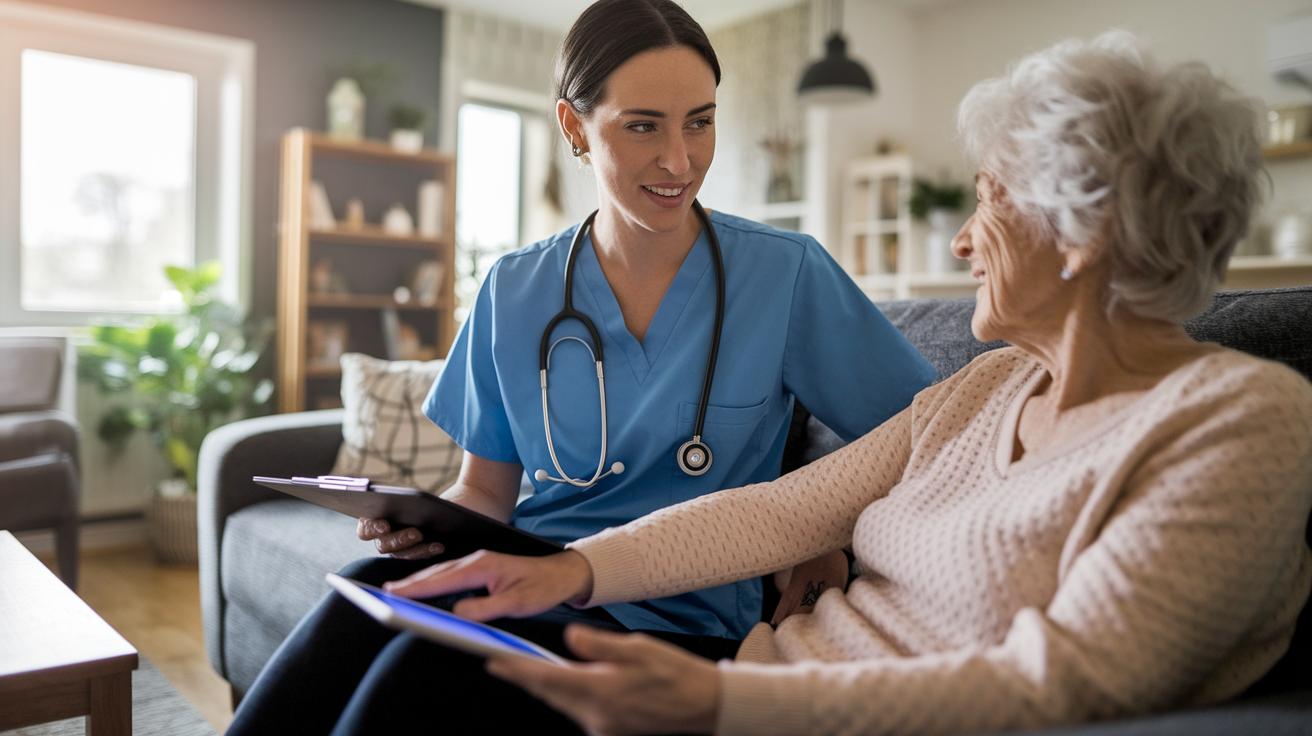
Home care teams include a mix of skilled professionals who help older adults live safely at home. Registered Nurses (RNs) have a nursing license and lead care planning, give medications, and do clinical checks. Licensed Practical/Vocational Nurses (LPNs/LVNs) use their official credentials to check vital signs, treat wounds, and handle daily clinical duties. Home Health Aides, who hold a Certified HHA credential, provide personal care and help with everyday tasks. For example, an RN might create a customized care plan after a careful checkup, which shows how strict licensing rules keep the care high quality and safe.
| Provider Type | Certification/License | Typical Services |
|---|---|---|
| RN | Registered Nurse license | Care planning, medication administration, clinical assessments |
| LPN/LVN | Licensed Practical/Vocational Nurse | Monitoring vital signs, wound care, daily clinical tasks |
| Home Health Aide | Certified HHA credential | Personal care, assistance with daily activities, basic monitoring |
Continuing education is crucial for all home care providers. Many professionals complete extra training in elderly care, such as techniques for managing dementia, to better support their patients. They also stay up to date with the latest care practices through ongoing certification courses. For instance, an LPN might finish a course on advanced wound care, which directly improves the safety and quality of patient services.
Cost and Insurance Considerations for In-Home Nursing Care
When you compare in-home care options, nonmedical home care costs about $30 per hour in 2024, while skilled nursing care runs between $40 and $60 per hour, depending on where you live. Skilled nursing care is provided by registered nurses and licensed practical nurses who carry out doctor-prescribed treatments like wound care and medication management. These costs can vary with local economic conditions and the cost of living. It’s important to remember that prices might change based on your state and the policies of the care agency.
There are several ways to pay for in-home nursing care. You might use private funds, long-term care insurance, Medicare for certain skilled services, Medicaid waivers, or veteran benefits. Exploring these options can help reduce financial stress while still ensuring quality care. It helps to compare local rates and funding sources to choose the best option for your needs. Checking with several agencies or funding avenues might also guide you to a plan that offers both the care and financial support needed to keep your loved ones safe and comfortable at home.
Eligibility and Arranging In-Home Nursing Care for Elderly

Many older adults qualify for in-home nursing care when they need extra help after a major health event. Often, a doctor’s order, a hospital stay, or long-term needs for managing conditions like heart disease or diabetes are the main reasons for starting care.
- Doctor's order
- Recent hospital stay
- Ongoing management of long-term conditions
Agencies begin the process with a full assessment of the senior’s health and living environment. They review the senior's medical history, check current medications, and inspect the home for any safety issues. After this, they create a personalized care plan that covers both medical and daily living needs to help support recovery and ongoing health management.
Family members play an important role in this process. They schedule appointments, keep an eye on the senior’s progress, and stay in regular contact with the care team. This teamwork makes it easier to adjust the care plan when the senior’s health or needs change over time.
Dementia and Chronic Condition Management in In-Home Nursing Care
In-home nursing care for dementia focuses on keeping the mind active while managing challenging behaviors. Nurses train in memory support and learn techniques to help ease confusion and agitation. They make simple changes at home, like clearly labeling items and removing tripping hazards. For example, a nurse may move furniture to lower the risk of falls and use visual cues to assist with recall. The care team also works with families to offer Alzheimer’s support and build care plans that include memory exercises and daily hygiene help, making the home a secure and comforting place.
Nurses also focus on managing chronic conditions with careful monitoring and regular symptom checks. They measure vital signs and ensure medications are taken as prescribed to lower the risk of complications. They also watch for changes like pain or shortness of breath and act quickly if needed. When patients return from the hospital, nurses help make the move smoother by supporting rehabilitation exercises and safe walking techniques. By tailoring routines and home setups to each person’s needs, the care team creates a safer, more stable environment for seniors facing long-term health challenges.
Coordinating Continuous In-Home Nursing Care for Elderly

The care plan for an older adult at home is built by nurses, therapists, and doctors working together from the start. Providers, agencies, and family members meet to set clear goals focused on safety and overall health. They decide together on care steps, such as following daily medication routines or managing difficulties with moving around. For example, a nurse might team up with a doctor and a family member to plan regular check-ups that can catch early signs of trouble.
The plan is updated regularly through team meetings. The care team meets often to review the senior's progress, adjust goals, and handle any new health concerns. They check vital signs, review recovery, and change daily activities as needed. This process helps keep the plan up to date with the senior's changing health needs.
Family members play a key role by keeping in touch with the care team. They share any changes noticed in the senior's behavior or health and help set up quick responses when needed. For instance, a family member might alert the team if more frequent blood pressure checks become necessary.
Final Words
In the action of highlighting essential elements, this post outlined in-home nursing care for elderly: what it includes, from medication administration and wound treatment to rehabilitation and daily living assistance. It also reviewed caregiver qualifications, cost considerations, eligibility criteria, and special care for chronic conditions and dementia.
The coordinated care process ensures safety and independence for seniors. Families can feel encouraged to explore these services and discuss practical options with their care providers.
FAQ
In-home nursing care covered by Medicare?
In-home nursing care covered by Medicare means that if a doctor prescribes skilled care, Medicare can pay for it, typically at hourly rates around $40–$60, though specifics depend on your plan and location.
What is it called and how do you take care of the elderly at home?
In-home care for the elderly involves personal and medical assistance provided at home. This care helps seniors manage daily tasks and health needs to remain independent and safe.
Is there free in-home help or free services for senior citizens?
Free in-home help for seniors may be available through local agencies, nonprofit organizations, or government programs. These services can include personal care, meals, and transportation based on eligibility.
How can I find in-home care services for seniors near me?
Local in-home care services for seniors cover both personal assistance and medical support. Check online directories, community centers, or healthcare providers to find nearby service options.
What does private care for the elderly at home involve?
Private care for the elderly involves hiring professional caregivers or agencies to deliver personalized services. This care is tailored to individual needs and may include both medical care and help with daily living tasks.
What do home care services and elderly care typically include?
Home care services typically include medication administration, wound care, post-surgery support, rehabilitation exercises, personal care like bathing and dressing, and meal preparation to help seniors stay independent.
What do elderly people do in nursing homes and what should one expect?
In nursing homes, seniors receive daily support with activities, medical care, therapy, meals, and participation in social activities. The environment is structured to promote safety, health, and overall well-being.