
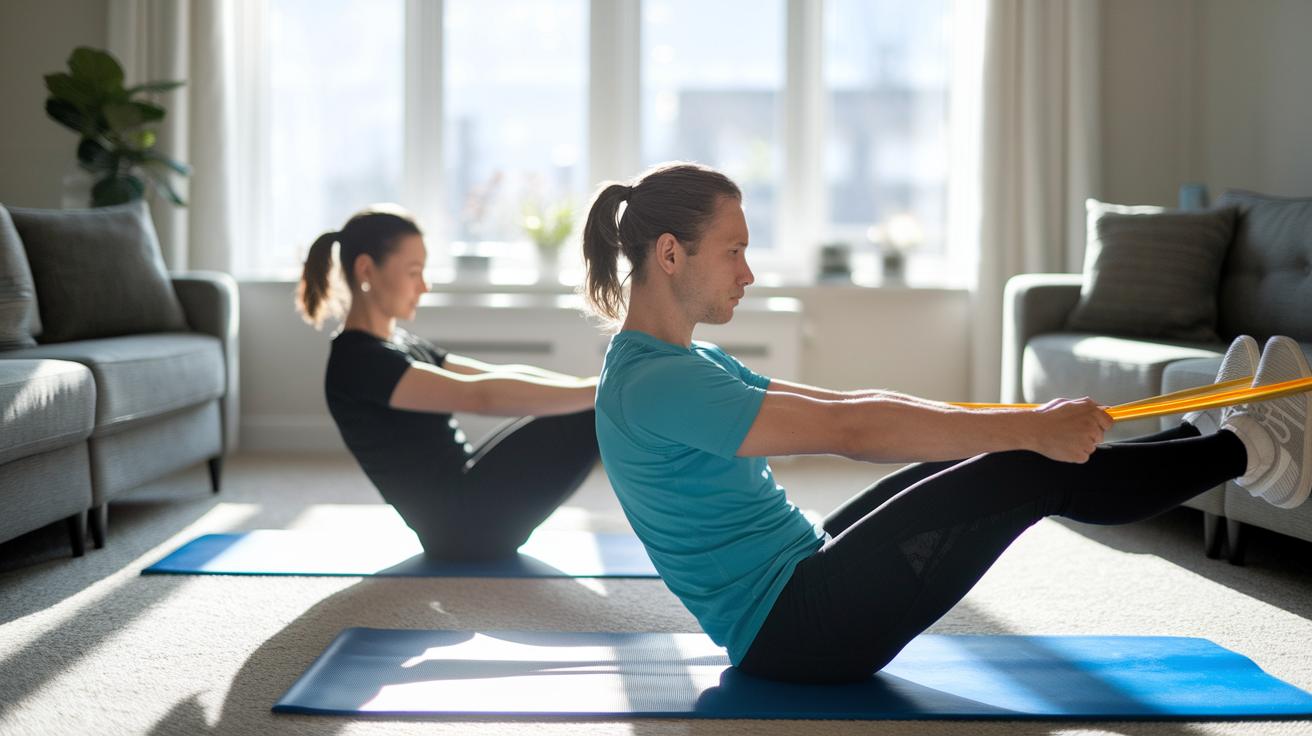

Building muscle while keeping your joints safe is possible. Traditional workouts may put too much strain on your knees and hips with hard impacts, but low impact strength training offers a gentler option.
This method relies on smooth, controlled moves that protect your joints as you build muscle. It's a safe choice whether you're just getting back into exercise or trying out a new workout routine for the first time.
In short, low impact strength training helps you gain strength without sacrificing joint safety.
Low Impact Strength Training: Sculpt Muscles, Protect Joints
Low impact strength training is a type of exercise designed to protect your joints by ensuring one foot stays on the ground during each movement. Unlike workouts that involve jumping and hard landings, this method uses smooth, controlled moves to build muscle while lowering the chance of injury. It’s a great option for those easing back into exercise or anyone looking for a joint-friendly routine. For example, you can start with simple strength exercises at home to gradually build a regular routine without overloading your body.
This training style avoids sudden, jerky movements typical of high-impact workouts. Instead, it focuses on steady transitions and continuous motion, which helps keep stress off your knees, hips, and other joints. It works well for anyone who wants to improve muscle tone and strength safely at home without the shock of abrupt impacts.
The key to low impact strength training is using proper movement patterns and controlled loading. By emphasizing balance, stability, and gradual progress, you can keep making gains while protecting your joints. Adding these safe strength exercises at home is a reliable way to maintain your overall health, mobility, and independence, allowing you to build muscle without compromising joint safety.
Low Impact Strength Training Techniques: Equipment & Exercise Types

Low impact strength training gives you simple, effective ways to exercise at home. It uses everyday tools like resistance bands, dumbbells, a sturdy chair, or even a wall to help you build muscle safely. This method is great if you’re easing into exercise or coming back after a break because it helps you work out without putting too much stress on your joints.
This style focuses on slow, controlled movements. Whether you use your body weight or add light dumbbells, you can work on your strength without overdoing it. Resistance bands are perfect for upper-body moves, while a chair or wall can give extra support on balancing exercises. For a gentle dumbbell workout, try using light weights for exercises such as lunges and calf raises. In other words, combining these tools creates a balanced routine that targets different muscle groups through low impact calisthenics.
Below is a list of 10 basic exercises along with the equipment you need:
- Glute Bridge – Bodyweight
- Resistance Band Row – Resistance band
- Chair Squat – Chair
- Wall Push-Up – Wall
- Standing Resistance Band Bicep Curl – Resistance band
- Alternating Lunges – Bodyweight (optional dumbbells)
- Bird-Dog – Bodyweight
- Resistance Band Chest Press – Resistance band
- Clamshell – Bodyweight or mini resistance band
- Standing Calf Raise – Bodyweight (optional dumbbells)
Low Impact Strength Training Routines for Beginners, Seniors & At-Home Workouts
If you are new to exercise and want to start with bodyweight moves, try a simple circuit that focuses on slow, controlled actions. Begin with basic moves such as wall push-ups, glute bridges, and bodyweight squats. Aim for 12 to 15 repetitions of each move, rest for 30 to 60 seconds between exercises, and complete two rounds. This routine builds strength gently without causing extra strain on your joints.
For seniors or anyone needing extra support, use a chair or a wall to ease the moves. Modify the exercises so that you might perform chair squats or push-ups against the wall. Keep the set at 12 to 15 reps with a 30 to 60 second break, and do two to three rounds based on your comfort. For example, try 12 sit-to-stand movements using a chair, then take a short rest and repeat for three rounds. This approach can help maintain stability and lower the risk of falling.
If you are ready to take your workout to the next level at home, consider adding light dumbbells or resistance bands to your routine. Combine your favorite bodyweight exercises with these added tools for extra challenge. Keep up with 12 to 15 reps per move, resting 30 to 60 seconds between exercises, and complete three rounds. One way to try this is to perform 12 resistance band rows, pause for 45 seconds, and repeat for three rounds. This gradual increase in intensity supports steady muscle growth while protecting your joints.
Benefits of Gentle Resistance & Low Impact Strength Training

Low impact strength training builds muscle and boosts strength while keeping joint stress low. This method uses slow, steady movements to work your muscles safely. For example, doing simple chair squats can steadily increase your leg strength without hurting your joints.
This approach also supports strong bones and good mobility, helping you stay independent as you age. Regular, gentle exercises like wall push-ups or resistance band chest presses promote joint health. A daily routine of gentle exercise acts like a bridge, connecting your current activity with better mobility and sturdier bones in the future.
Pairing these strength moves with light cardio improves blood flow and heart health. This balanced routine helps manage weight over time, much like saving a few pennies every day adds up to a significant amount. With gentle resistance and low impact cardio, you build muscle, protect your joints, and support overall health while keeping injury risks low.
Safety Guidelines & Modifications for Low Impact Strength Training
Start each workout with a warm-up to get your body ready. Spend about 5 minutes doing light cardio or dynamic stretches to slowly raise your heart rate and loosen your muscles. Checking that your equipment, whether it’s resistance bands, chairs, or any other tool, is secure is also important. This simple routine builds body awareness and sets you up for safe, joint-friendly strength training.
Take your time as you build up strength. Begin with fewer repetitions or lighter resistance and increase the challenge gradually. Make sure to include rest days so your muscles can recover, and adjust your workout if you feel any discomfort. Regularly inspect your equipment and focus on slow, controlled movements to keep your joints safe.
Remember to talk to a healthcare professional before starting any new exercise program, especially if you have existing health issues.
Low Impact Strength Training vs Traditional High-Impact Workouts

| Feature | Low-Impact Training | Traditional High-Impact Training |
|---|---|---|
| Impact Level | Movements with one foot always in contact with the ground | Exercises with jumps and firm landings |
| Joint Stress | Low stress thanks to controlled steps | Higher stress from fast, explosive moves |
| Equipment Needs | Simple gear like resistance bands, light dumbbells, and supports | Heavier weights and specialized machines |
| Suitability | Good for all ages and those with joint concerns | Ideal for healthy individuals with some fitness experience |
| Injury Risk | Lower risk with careful, steady movements | Higher risk due to impact and demanding loads |
Low impact strength training centers on steady, controlled movements that keep one foot on the ground at all times. This method helps protect joints, making it a smart choice for older adults or people dealing with joint issues. Using simple equipment like resistance bands or light dumbbells, you can build up your muscles gradually. These routines lower the chance of injuries while still helping you improve muscle tone and balance.
Traditional high-impact workouts use more dynamic actions such as jumping and rapid landings. They generally call for heavier weights or machines and suit those who are already in good health. However, the quick, forceful moves can put extra stress on joints and increase the risk of injury. For some, this higher risk might make it tougher to stick with a regular exercise routine.
Expert Insights & Community Resources for Low Impact Strength Training
A physical therapist with years of experience suggests that keeping your joints in a neutral position during exercises helps reduce extra stress and promotes better form. For example, when doing a wall push-up, aligning your shoulders and hips minimizes strain and supports a smoother range of motion.
One community member shared that after six months of low impact strength training, they experienced less pain and gained strength. They started with gentle, beginner-friendly workouts and slowly moved on to more challenging exercises. Their journey shows that steady, small improvements can add up to big benefits for your mobility and overall health.
If you want to add variety to your routine, free online video tutorials offer clear, step-by-step guides for home workouts. You can learn more by visiting the resource titled exercise routines to build muscle. Local low-impact classes are also available, providing both guidance and a sense of community as you work toward lasting health benefits.
Final Words
In the action, we've examined how low impact strength training builds strength while keeping joints safe. We broke down exercise types, equipment, and routines that suit beginners, seniors, or anyone working out at home. The guide also highlighted safety tips, proper form, and expert advice for a joint-friendly exercise plan. With clear steps and modifications, the article offers practical ideas to help you stay active and healthy. Embrace these techniques and enjoy a confident, positive approach to your fitness journey.
FAQ
Frequently Asked Questions
Q: What does low impact strength training for weight loss involve?
A: The low impact strength training for weight loss approach uses gentle resistance exercises that build muscle tone and boost metabolism while minimizing joint stress, making it a sustainable option for calorie burning.
Q: What does low impact strength training at home look like?
A: The low impact strength training at home option uses bodyweight exercises, resistance bands, or light dumbbells to create joint-friendly workouts you can perform in your own space.
Q: What is a low impact strength training program PDF?
A: The low impact strength training program PDF usually offers a step-by-step guide with exercise instructions and modifications, allowing you to follow a structured, joint-friendly regimen at your own pace.
Q: How does low impact strength training work for beginners and women?
A: The low impact strength training for beginners and women introduces simple exercises that emphasize proper form and controlled movement, making it easier to build strength gradually while reducing injury risk.
Q: What benefits does low impact strength training offer seniors?
A: The low impact strength training for seniors focuses on improving balance, joint stability, and mobility using modified exercises with chair or wall support to ensure safety and confidence.
Q: How can YouTube and Reddit support low impact strength training?
A: The low impact strength training content on YouTube and Reddit provides video tutorials, community tips, and personal experiences that help you learn joint-friendly techniques and stay motivated.
Q: What is the best low-impact strength training method?
A: The best low-impact strength training method depends on your fitness level and goals but generally combines controlled resistance exercises with proper form and gradual progression for safe, lasting results.
Q: Can you build muscle using low-impact workouts?
A: Low-impact workouts can build muscle by focusing on resistance and controlled movements that challenge your muscles while minimizing joint strain, making it an effective, safe strength-building option.
Q: What does the 3 3 3 rule for weight lifting mean?
A: The 3 3 3 rule for weight lifting means performing three sets of three repetitions for an exercise, designed to balance workload and recovery while promoting joint-friendly strength training.
Q: Can strength training be designed as a low-impact workout?
A: Strength training can indeed be low-impact by incorporating exercises that protect your joints while still challenging your muscles, making it a practical option for people of different ages and fitness levels.