


Have you noticed sudden flushing, itchy skin, or a racing heartbeat? These signs might be more than just a passing annoyance. They could be linked to Mast Cell Activation Syndrome (MCAS), a condition where certain immune cells become overactive and send unusual signals throughout the body. Think of your body like a finely tuned instrument, when one note sounds off, it could be hinting at a problem. In this blog, we explain the clear signs of MCAS, helping you understand the condition and pointing you toward the right diagnosis.
Identifying MCAS Symptoms: Complete Multi-System Overview
Mast Cell Activation Syndrome (MCAS) happens when mast cells release too many chemicals like histamine at unexpected times. This overreaction can cause a wide range of symptoms, from sudden, severe reactions to ongoing, milder issues. Each person might experience these symptoms differently.
For example, one person may notice rapid flushing, severe itching, or hives, while another might experience low blood pressure and a fast heartbeat. Laura, for instance, suffered from unexplained bouts of dizziness and skin eruptions that appeared without warning. These signs suggest that several body systems might be affected.
The skin is often an early indicator. You might see rashes, hives, or general redness on the face, neck, and chest when mast cell chemicals surge.
Breathing problems, including wheezing or tightness, suggest that the lungs may be involved. A runny nose or watery, itchy eyes point to irritation in the nasal and eye areas. In the digestive system, symptoms such as stomach pain, bloating, diarrhea, or vomiting can occur because mast cell chemicals also affect the gut. Additionally, heart-related issues like chest pain, a quick heartbeat, or blood pressure changes may make daily activities more challenging.
Some people also experience headaches, trouble thinking clearly (commonly called brain fog), or feelings of anxiety and depression. Muscle aches and bone pain can also be part of the picture.
| Body System | Common Symptoms |
|---|---|
| Skin | Rashes, hives, redness |
| Respiratory | Wheezing, tightness in chest, nasal congestion |
| Gastrointestinal | Stomach pain, bloating, diarrhea, vomiting |
| Cardiovascular | Chest pain, fast heartbeat, blood pressure changes |
| Neurological | Headaches, brain fog, difficulty focusing |
| Musculoskeletal | Muscle aches, bone pain |
Some key points to remember:
- Flare-ups can occur suddenly, so keep track of your symptoms.
- MCAS can affect several body systems at once.
- Working with doctors from different fields can help manage these symptoms effectively.
Noticing these signs across different systems can help in understanding if MCAS is the cause and guide you to seek the right care.
Cutaneous MCAS Symptoms: Skin Reaction Patterns and Flushing

Mast cell surges can cause noticeable skin changes. Some people may develop maculopapular cutaneous mastocytosis (MPCM), a rash with small red bumps that come and go quickly. Another sign is urticaria pigmentosa (UP), which shows as brownish or reddish spots that often itch a lot. You might also notice tiny visible blood vessels (telangiectatic lesions) during a flare.
Hives can pop up suddenly with strong itchiness, which is a clear sign of MCAS. Flushing is another key symptom. The face, neck, and chest can turn red in seconds when mast cells release their chemicals. One patient said, "I was waiting for my appointment when I saw my cheeks turn bright red, almost like being out in the sun." This fast flush helps set MCAS apart from similar conditions.
Keeping track of these skin changes can help in understanding MCAS. Look for:
- Red bumps or hives that appear and vanish quickly
- Sudden intense itching during flush episodes
- Spots that change in color and size over short periods
Gastrointestinal Distress in MCAS: Digestive and Abdominal Indicators
MCAS can affect your gut when mast cells release chemicals such as histamine. When this happens, everyday meals can trigger discomfort. Many people with MCAS feel sharp pain or cramping in their abdomen, along with a constant feeling of bloating that makes the stomach feel full and tight. They might also experience gastroesophageal reflux, where stomach acid backs up and causes a burning feeling in the chest. During flare-ups, diarrhea and vomiting can occur, upsetting the body’s balance. Over time, some notice that their body doesn’t absorb nutrients as well, which can lead to tiredness and weight loss.
Certain foods tend to worsen these digestive symptoms. For example, aged cheeses, processed meats, and alcohol are often common triggers. Vinegar, fermented foods, and even leftovers may also increase the release of these chemicals, making symptoms worse.
Keeping a food and symptom diary can be very useful. By tracking what they eat and how they feel, people with MCAS can identify which foods cause more discomfort. This helps them adjust their diets to reduce flare-ups and support better gut health.
Respiratory & Naso-Ocular MCAS Features: Airway and Eye/Nose Clues
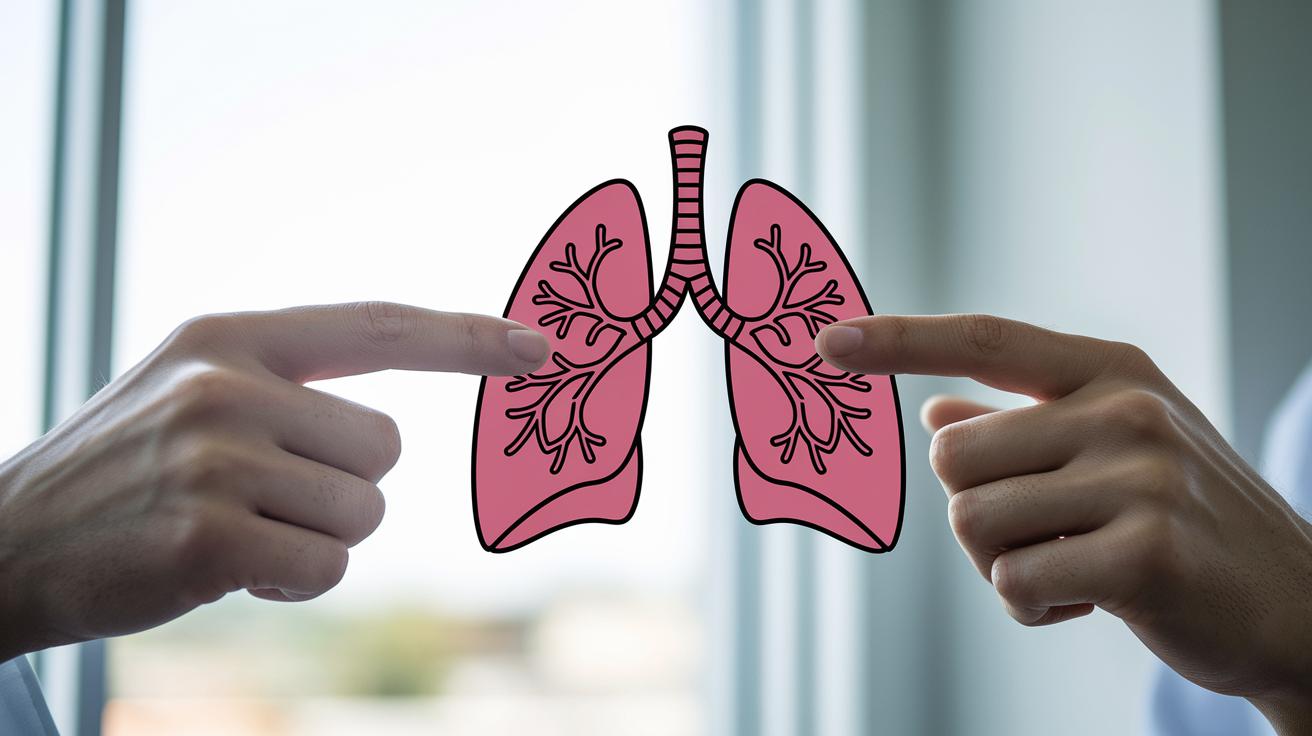
Mast cells release chemicals that can affect both the breathing passages and the surfaces inside the eyes and nose. In the airways, these chemicals may cause the muscles to tighten, leading to wheezing, chest tightness, and the feeling that someone is squeezing your chest with every deep breath. Research points to substances like leukotrienes and prostaglandins (natural chemicals produced in the body) as key players in this process. Medications that reduce mast cell release might help ease these breathing problems.
Inflammation of the mucosal surfaces can also cause irritation in the nose and eyes. Many people notice symptoms such as a stuffy or runny nose, itchy or watery eyes, and red eyes. When these signs appear along with other symptoms in different parts of the body, they can help doctors recognize patterns of mast cell activity, which in turn guides treatment decisions.
Cardiovascular & Vasomotor Clues: Heart and Circulatory Responses in MCAS
Mast cell activation can affect how your heart and blood vessels work. When these cells release their chemicals, many people notice a fast or irregular heartbeat, sometimes feeling like skipped beats. People may also feel chest tightness or pressure during a flare. Blood pressure can swing suddenly – some may experience drops while others see brief rises. One patient said, "My heart felt like it was racing and pounding hard every time I experienced a flush."
MCAS can also change how your skin feels and looks. Fast shifts in blood flow often lead to a sudden flush, making your face, neck, or chest turn red quickly. In more severe cases, these changes might even cause a brief loss of consciousness. Watching for these signs can help you notice when MCAS is active. If you experience a racing heart, uneven blood pressure, and sudden flushing, consider talking with your healthcare provider about managing your symptoms.
Neurological & Musculoskeletal MCAS Indicators: Integrated Overview

Many people with mast cell activation syndrome (MCAS) often experience symptoms like headaches, brain fog, and trouble focusing. These issues may arise when histamine disrupts normal brain function, and they can sometimes be linked with feelings of anxiety or sadness during flare-ups.
Some individuals also report muscle aches or bone pain that doesn’t have a clear source. The ongoing release of chemicals from mast cells can affect the way bones remodel, which might raise the risk of conditions like osteopenia or osteoporosis.
Key signs to note include:
- Headaches and trouble concentrating
- Persistent muscle soreness and unexplained bone pain
- Symptoms getting worse during MCAS flare-ups
Understanding these signs as part of the overall MCAS picture can help guide a treatment plan that takes care of both mental and physical symptoms.
Triggers & Flare Patterns in MCAS Symptoms
Everyday exposures can spark sudden MCAS flare-ups. Knowing your triggers can make it easier to handle these symptoms. Some people find that certain medications , like opioids, antibiotics, NSAIDs, alcohol-based prescriptions, or even IV vancomycin , can lead to problems. One patient said they once took an antibiotic without trouble, but then started experiencing severe flushing and stomach cramps.
Environmental factors also matter. Extreme heat or cold and even more vigorous exercise than you’re used to can trigger symptoms. Emotional stress is another big one. Many patients notice that stressful days bring on a racing heart and overwhelming fatigue.
Diet can also play a role. Foods high in histamine , such as aged cheeses, processed meats, and fermented products , may cause symptoms to flare quickly. Even small changes in your routine or exposure to something that used to be harmless can lead to unexpected reactions.
Key triggers include:
- Certain medications (opioids, antibiotics, NSAIDs, alcohol-based medicines, vancomycin)
- Environmental factors (extreme temperatures and intense exercise)
- Emotional stress
- Dietary triggers (histamine-rich foods)
Since trigger sensitivities can change over time, it’s important for both you and your healthcare provider to track what sets off your symptoms. Constant monitoring helps tailor management strategies to keep MCAS under control.
mcas symptoms: Clear Signs for Diagnosis

Doctors start by gathering your health history and asking you to keep a simple diary of your symptoms. Noting things like unexpected skin flushing, stomach upset, or trouble breathing can help reveal patterns that are important for diagnosis. One doctor might say, "Write down any sudden rashes or chest tightness you experience to guide your lab tests." This record sets the stage for the next steps in testing.
A key part of the process is a blood test that looks for specific markers. These tests check for levels of serum tryptase and histamine metabolites. If these markers are higher than normal compared to reference values, it suggests that your mast cells are releasing chemicals in excess, supporting a diagnosis of MCAS.
Doctors also compare your symptoms with those of similar conditions like mastocytosis, allergies, or postural orthostatic tachycardia syndrome. They do this by reviewing the timing, severity, and how symptoms respond to treatment. This careful comparison helps them decide if the issue is really MCAS.
Key steps in the evaluation include:
- Recording your personal and family health history
- Keeping a detailed symptom diary
- Undergoing blood tests such as serum tryptase measurement
This organized approach helps doctors tell MCAS apart from other conditions and creates a plan to manage your symptoms effectively.
Severity & Professional Care: When MCAS Symptoms Warrant Urgent Attention
Severe MCAS can get worse very fast and may lead to anaphylaxis, a life-threatening reaction. Signs like a blocked airway, trouble breathing, and a sudden drop in blood pressure mean the reaction can become dangerous. These symptoms can come with problems in other organs. One person said they felt as if their chest was squeezed during a flare, while another experienced sudden dizziness and weakness.
Doctors use grading scales that rate both the severity and the intensity of the reaction. These tools help them decide if the symptoms have reached a point that needs quick treatment, such as an Epinephrine shot or IV fluids. When mild discomfort turns into signs like swelling in the throat, very low blood pressure, or a fast heartbeat, it is a clear warning that immediate care is needed.
Watch for these warning signs:
| Warning Sign | Description |
|---|---|
| Shortness of Breath | Suddent difficulty in breathing or throat tightness |
| Blood Pressure Changes | Extreme drops or swings in blood pressure |
| Heart Issues | A fast or irregular heartbeat |
| Poor Oxygen Levels | Blue lips or skin that indicate low oxygen |
If you notice any of these signs, get emergency medical help right away and talk to a specialist like an allergist or immunologist about managing the condition.
Final Words
In the action, we broke down a broad spectrum of signs linked to mast cell activation into clear, manageable sections. We explored skin reactions, digestive distress, breathing difficulties, heart irregularities, and brain fog, while also shedding light on various triggers and diagnostic steps. This recap helps you recognize mcas symptoms across multiple systems and understand when to seek expert advice. The information aims to support proactive discussions with healthcare providers and encourages a positive approach to managing these complex symptoms.
FAQ
POTS and MCAS symptoms
The POTS and MCAS symptoms include overlapping signs, where POTS often causes rapid heart rate and dizziness while MCAS may lead to skin rashes, gastrointestinal issues, and other systemic reactions.
How is MCAS diagnosed
The MCAS diagnosis is determined through detailed patient history, symptom tracking, and specific lab tests, including serum tryptase and histamine metabolites, to rule out similar conditions.
MCAS symptoms in women
The MCAS symptoms in women often involve skin reactions, digestive distress, brain fog, and cardiovascular changes, reflecting the condition’s wide-ranging impact.
MCAS treatment and symptom management
The MCAS treatment approach combines medications like antihistamines and mast cell stabilizers with avoiding known triggers to manage symptoms and reduce flare-ups.
MCAS symptoms discussed on Reddit
The MCAS symptoms shared on Reddit highlight varied experiences from severe skin reactions to digestive issues and heart rate changes, reflecting the personal nature of the condition.
MCAS symptoms according to Mayo Clinic
The MCAS symptoms described by the Mayo Clinic include flushing, abdominal pain, breathing difficulties, and other systemic responses linked to mast cell activation.
MCAS skin symptoms
The MCAS skin symptoms feature hives, intense itching, and flushing on the face, neck, and chest, with lesions that may appear or fade rapidly following mediator release.
What are the most common triggers for MCAS
The most common triggers for MCAS include foods like aged cheeses and processed meats, temperature extremes, emotional stress, exercise, and medications such as opioids and NSAIDs.
What are the symptoms of an MCAS flare-up
The MCAS flare-up symptoms include sudden skin flushing, abdominal pain, respiratory issues such as wheezing, and rapid heart rate changes due to mast cell mediator release.
Can POTS be mistaken for MCAS
The POTS can be mistaken for MCAS because both conditions share overlapping symptoms like dizziness and rapid heart rate, making thorough evaluation crucial for an accurate diagnosis.
What foods should I avoid with MCAS
The foods to avoid with MCAS are those that trigger histamine release, including aged cheeses, processed meats, alcohol, vinegar-based products, and fermented foods that may worsen symptoms.