


Ever wonder when a loved one might need a little extra help because of memory issues? As everyday tasks become tougher, regular care might not be enough. Memory care steps in to create a safe, supportive space where seniors can slow memory decline and stay connected. This service lowers risks like missed medications or poor nutrition by keeping an eye on important details. Catching the signs early means your loved one can get the right care, all while staying safe and respected.
memory care for elderly: when it’s needed
Memory care is a safe, supportive option for seniors who begin to show signs of memory loss. This type of facility can help slow the progress of conditions like dementia or Alzheimer’s disease. It is not a cure, but it offers structured support when memory issues start interfering with everyday life.
When an older adult begins to forget familiar names or get confused about routine tasks, it might be time for professional care. For example, someone who once remembered every family birthday might now struggle with such details. These changes suggest that regular assisted living may no longer meet their needs.
Memory loss can also affect physical health. Problems like forgetting to take medications, poor nutrition, or neglecting personal hygiene are common with advanced memory issues. In fact, about 60% of individuals with dementia tend to wander, increasing their risk of accidents. When simple tasks like dressing, eating, or bathing become difficult, memory care can help keep them safe and maintain their dignity.
Behavioral changes, like increased aggression or withdrawing from social activities, are also important signs. Family caregivers may feel overwhelmed by ongoing supervision, making professional support essential. A medical evaluation can help determine whether specialized memory care is the best step to slow cognitive decline and keep a loved one safe.
Cognitive Decline Evaluation Tips for Memory Care Consideration

When early signs of memory loss appear, a simple medical evaluation can help families choose the right care option. Doctors often use tests like the Mini-Mental State Examination (MMSE) and the Montreal Cognitive Assessment (MoCA) to check memory, focus, and problem-solving skills. These tests show how much cognitive ability has changed, helping to determine whether someone may be experiencing mild cognitive impairment or more advanced stages of dementia. For example, a doctor might say, "A drop in your loved one’s MMSE score suggests we should consider additional support options." Clear test results like these help families decide if assisted living is enough for minor issues or if specialized memory care is needed as symptoms grow.
Evaluations do more than just measure current abilities, they also help predict future care needs. Detailed test scores can reveal if everyday tasks are becoming unsafe or too challenging for someone to handle alone. These insights serve as a practical guide for moving into memory care that offers structured routines and increased safety. One common recommendation is that a score indicating moderate impairment may signal a need for a safer, more engaging environment designed to support cognitive health.
Memory Care vs Assisted Living: Timing the Transition for Elderly
Assisted living works well when memory changes are mild and families can handle daily tasks without much worry. In these settings, seniors usually manage routines like taking medicine and maintaining personal hygiene, with a little support available. But when memory issues grow, these everyday tasks can start to feel overwhelming. For example, if someone is having trouble taking medication on time or keeping up with bathing and dressing, they may need more focused help found in memory care.
Memory care facilities are designed specifically for people dealing with dementia (a condition that affects memory and thinking). The staff here get special training and follow strict routines to keep residents safe; this includes features to help prevent wandering. Daily activities and brain exercises are part of the plan to keep individuals engaged and help slow memory decline. They also provide regular medication checks to make sure residents get the right care when needed, a service not usually offered in standard assisted living.
When families or care staff notice that daily challenges are growing or safety becomes a concern, it might be time to consider switching to memory care. These specialized communities not only support the person with memory issues but also help their loved ones by providing a caring and secure environment that meets both mental and physical needs with compassion and expertise.
Criteria for Choosing Memory Care Facilities for Elderly
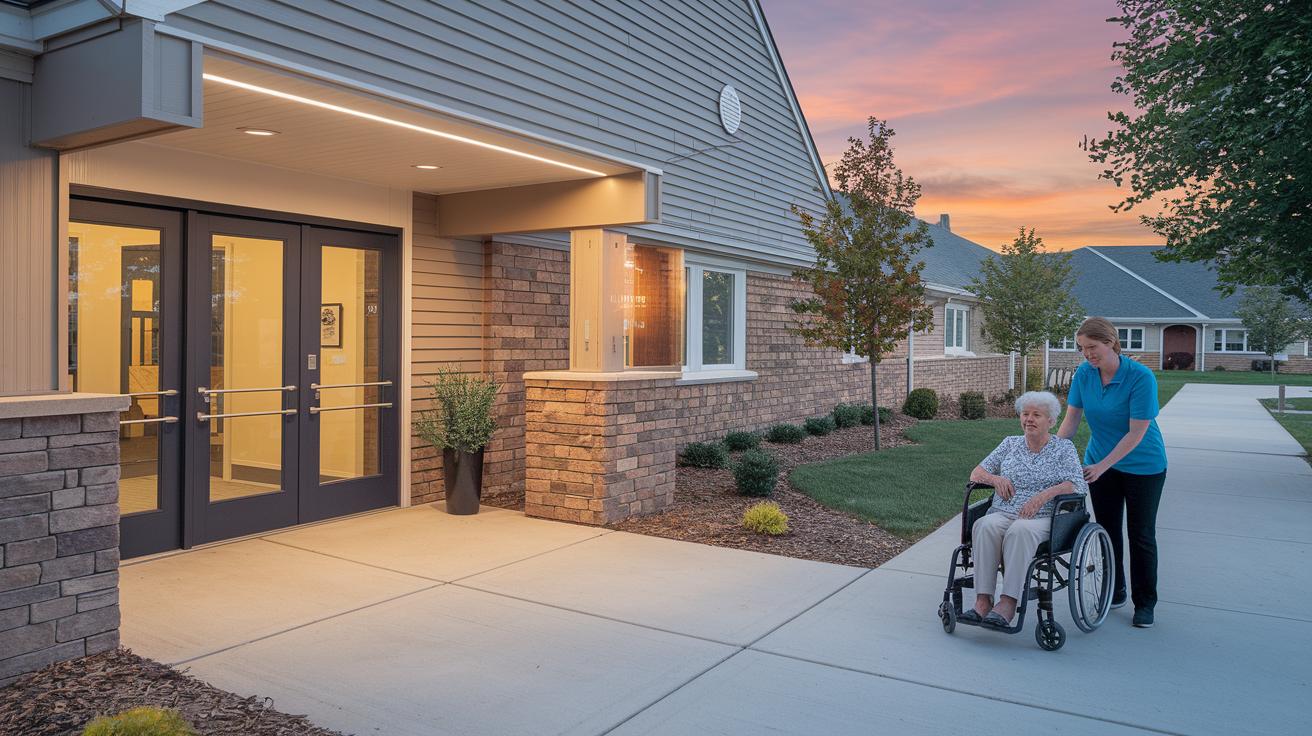
When choosing a memory care facility, it’s important to consider a few key factors. Families need a place that not only helps with daily tasks but also creates a safe and uplifting environment for seniors. Memory care can be a stand-alone facility, part of assisted living, or within a nursing home. Look for facilities that employ staff trained specifically for dementia care. This specialized training helps them understand the unique needs of residents with memory issues. A low resident-to-staff ratio also means that each senior gets more focused attention. Additionally, safety features like secure designs and emergency response systems help reduce risks, especially since over 50% of people with dementia may wander.
Certification is another important factor. Check if the facility is accredited in Alzheimer’s or dementia care and offers regular staff training. Trustworthy memory care centers usually manage medications carefully, ensure residents take the right doses at the right times, coordinate hospice care when needed, and provide engaging social and cognitive activities. Certification shows that the facility meets strict standards and is dedicated to preserving safety and respect.
| Criteria | Standard Assisted Living | Memory Care |
|---|---|---|
| Staff Training | General care training | Dementia-specific programs |
| Safety Features | Basic safety measures | Enhanced security and wandering prevention |
| Daily Activities | Regular social and recreational options | Structured, cognitive and social engagement |
| Medication Management | Limited oversight | Comprehensive, synchronized support |
Steps for Transitioning Elderly to Memory Care Services
Start by sorting out all the legal details. Before moving your loved one, check every contract and requirement to be sure nothing is missed. Memory care facilities need specific documents, so gather all records early. It can also help to explore communities that offer levels of care from assisted living to memory care. This extra step lets you adjust as needs change while keeping everything in order.
Next, make the move as comforting as possible. Introduce your family member to the care staff early on. This helps lower anxiety and builds trust. Keep familiar routines, display favorite photos, and hold on to cherished personal items. These small touches can make the new setting feel more like home.
Finally, consult with memory care experts to design a care plan tailored to your loved one’s needs. Discuss current requirements and potential changes down the road. Talk about everyday details like transportation, meal planning, and activity schedules. Following expert advice will make the transition smoother for everyone involved.
Family and Caregiver Support in Elderly Memory Care

Taking care of someone with memory loss can feel very overwhelming. Respite care, support groups, and learning programs can help ease the heavy load. One caregiver said, "Joining a local support group gave me a chance to share my struggles and learn new coping strategies." These services give practical tips and let caregivers enjoy short breaks. Staying up-to-date on care choices and best practices helps families make good decisions when times are tough.
Being actively involved can also ease stress. Simple actions like regular visits, doing activities together, and chatting with care staff keep everyone connected. Daily updates from providers can help clear up what happens during the day and note any health changes. One family shared, "Seeing familiar faces and knowing what our loved one is doing all day makes us feel part of their care journey." Keeping this connection supports the heart and mind of both seniors and their caregivers.
Memory Care Interventions and Support Programs for Elderly
Memory care settings offer seniors a blend of activities that keep their minds active while also caring for their bodies and emotions. These programs aim to slow memory loss, promote social bonds, and support a positive mood, helping seniors enjoy a structured and fulfilling daily life.
- Cognitive stimulation therapy uses puzzles and problem-solving tasks to keep the brain sharp.
- Reminiscence therapy invites seniors to share personal stories, reinforcing their sense of identity and emotional well-being.
- Music and art therapy encourage self-expression through creative activities and familiar tunes.
- Physical exercise groups guide seniors through gentle movements that boost blood flow, balance, and overall fitness, which can support brain health.
- Occupational therapy helps seniors work on everyday tasks with exercises tailored to maintain independence.
- Nutrition counseling offers advice on balanced, brain-friendly meals to support overall health.
These programs create an environment where seniors feel supported by caring professionals. By blending mental, physical, and creative activities, memory care helps stabilize moods and gives seniors a sense of purpose. The overall approach keeps seniors engaged and active, which is key when dealing with memory challenges.
Final Words
In the action, this article covered warning signs that guide when memory care for elderly may be needed. It reviewed cognitive challenges, physical difficulties, and safety concerns that signal a change in support is due. The blog also explained evaluation tests, compared care settings, and provided steps for transitioning to professional memory care. These clear insights help families understand when a move from assisted living is appropriate, easing caregiver strain and encouraging better care. Positive steps ahead can make a real difference in quality of life.
FAQ
Do dementia patients do better at home or in a nursing home?
The care setting depends on individual needs. Home care may offer a comforting, familiar environment, while a nursing home provides round-the-clock supervision and safety measures that some patients require.
What are the top signs your loved one with dementia needs nursing home or memory care?
The top signs include struggles with daily activities like dressing and medication management, increased wandering risks, and caregiver fatigue—each indicating that professional, specialized care may be the best option.
What is the average monthly cost for memory care?
The average monthly cost for memory care generally ranges from $5,000 to $8,000, with variations based on the level of care provided, service options, and the facility’s location.
When should one move from assisted living to memory care?
The transition from assisted living to memory care is usually needed when cognitive decline affects basic tasks, such as personal hygiene and medication management, requiring staff with specialized training.
When do dementia patients typically require 24-hour care or care home placement?
Patients often need 24-hour care when severe memory loss, safety issues like wandering, and significant difficulty with personal care become evident, signaling that a care home environment may be safest.
How long can a person with dementia live at home?
Many people with early-stage dementia can safely remain at home with proper support and safety adaptations, but as the condition worsens, the need for professional care tends to increase.
Is it too soon for memory care, and what if a dementia patient refuses to go into care?
When safety risks and significant daily challenges appear, it is not too soon for memory care. If a patient resists, gradual discussions and involvement of care professionals can help ease the transition.
How do I move someone into memory care?
Begin by consulting with health experts to assess needs, discussing options with the loved one, reviewing legal and contractual details, and planning a transition that maintains familiar routines.
How often should you visit a parent in memory care?
Regular visits—often several times a week—help support emotional well-being, allow you to stay informed about care quality, and encourage active communication with both staff and your parent.