


Common mental health challenges affect nearly 58 million U.S. adults, and many issues start in childhood or early adulthood. Early signs can often lead to help and a better future.
These challenges might seem overwhelming at first. However, catching them early opens doors for support and improved outcomes. In places with fewer resources, the struggle can feel even harder. Still, knowing more about these disorders can drive action and better care.
This article reviews some of the most common mental health issues and explains how understanding these conditions can spark both hope and positive change.
Overview of Most Common Mental Health Disorders
Data from 2024 shows that about 57.8 million U.S. adults struggle with a mental health condition. Many of these problems begin early, with nearly half of the issues starting by age 14 and about 75% appearing by age 24. Recognizing the signs early is key. For example, a teen dealing with hidden struggles might only get help once their condition has worsened.
In rural areas, the picture is even more challenging. Over 25 million Americans live where mental health care is hard to find. With fewer professionals available, people in these communities may suffer longer without getting the care they need. The COVID-19 pandemic made matters worse. Social distancing and remote work heightened stress, anxiety, and feelings of isolation for many.
Overall, these trends show that mental health issues start early and vary by where people live. This understanding points to the need for targeted support and better access to care so that everyone has a chance to get help when they need it.
Anxiety and Depression within Common Mental Health Disorders
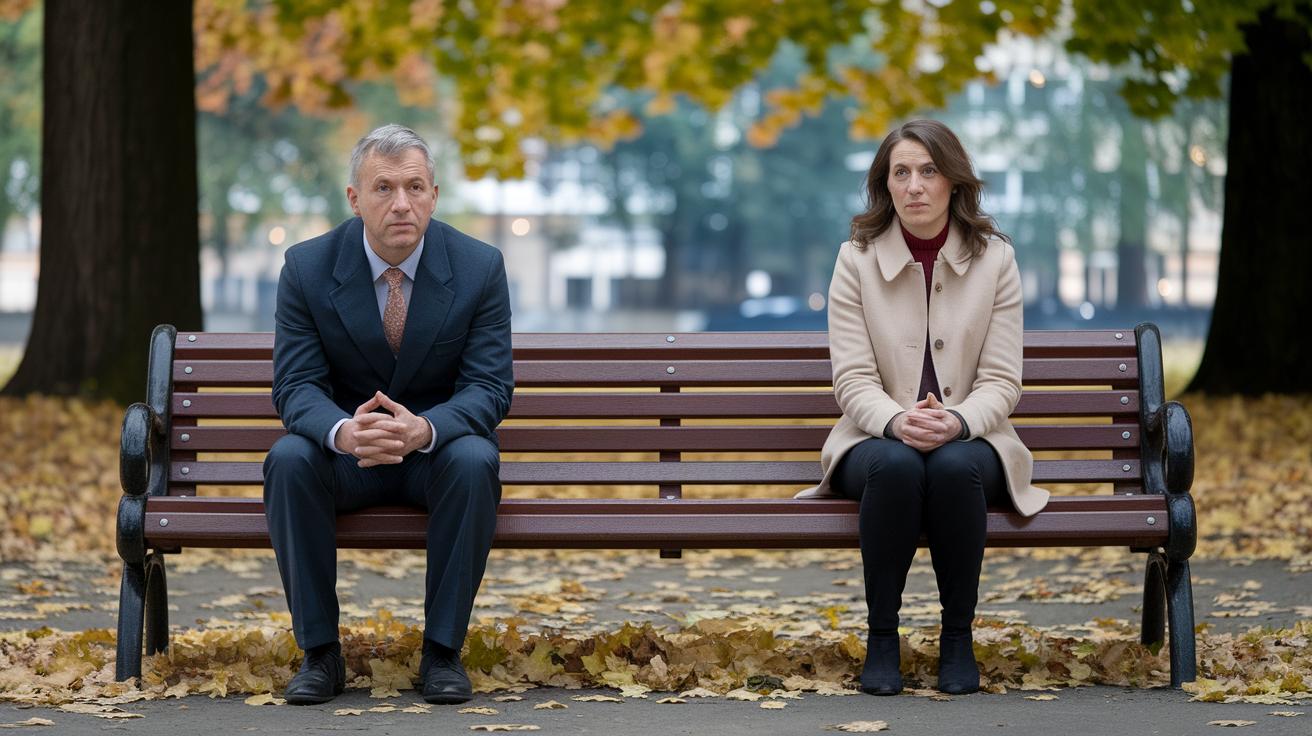
Anxiety and depression are very common mental health issues in the U.S. Each year, millions of adults face these conditions. About 19.1% of American adults deal with an anxiety disorder like generalized anxiety disorder (GAD), panic disorder, social anxiety, or various phobias. Over 17 million people experience major depressive disorder, a leading cause of disability for those aged 15 to 44. Both conditions change moods and behaviors, which can make everyday life and relationships tough. Clear treatment guidelines and supportive care are needed to help those affected.
-
Excessive worry or fear that gets in the way of daily activities
-
Physical signs such as heart palpitations, sweating, or trembling
-
Avoiding everyday situations because of overwhelming anxiety
-
Persistent sadness or a low mood lasting most of the day
-
Loss of interest in activities once enjoyed
-
Changes in sleep or appetite that impact overall health
Anxiety and depression often share similar risk factors. Stress, genetics, and environmental influences can contribute to these conditions. Long-term stress might trigger anxiety, while major life changes can lead to depression. Sometimes, a person experiences both at the same time, which can make diagnosis and treatment more challenging.
Treatments usually include proven methods like cognitive-behavioral therapy, medications, and lifestyle adjustments to boost mental strength. Understanding the overlap between the two disorders helps doctors create care plans that address both issues. This comprehensive approach can bring hope and improve the quality of life for those dealing with anxiety and depression.
Bipolar Disorder and Related Mood Conditions
Bipolar disorder is a serious mood condition that causes sharp shifts between high energy and deep lows. It falls under a group of related mood disorders that also includes cyclothymia, disruptive mood dysregulation disorder, and premenstrual dysphoric disorder. People with these conditions can experience cycles that swing from times of high activity and optimism to periods marked by sadness or irritability. Another related illness, persistent depressive disorder, features long-lasting, fluctuating symptoms. Experts say that although these mood changes can seem unpredictable, proper treatment makes them easier to manage.
Women, particularly those dealing with challenges around childbirth, may face distinct mood issues that need careful attention. Additionally, some people develop depressive symptoms because of substances or medications, which adds complexity to diagnosis and treatment. Treatments typically mix medications with therapy to address both the noticeable symptoms and the deeper mood imbalance. By carefully studying an individual’s mood patterns, clinicians can create personalized plans that help restore balance and bring hope even during difficult times.
Post-Traumatic Stress Disorder, OCD, and Phobias among Common Mental Health Disorders
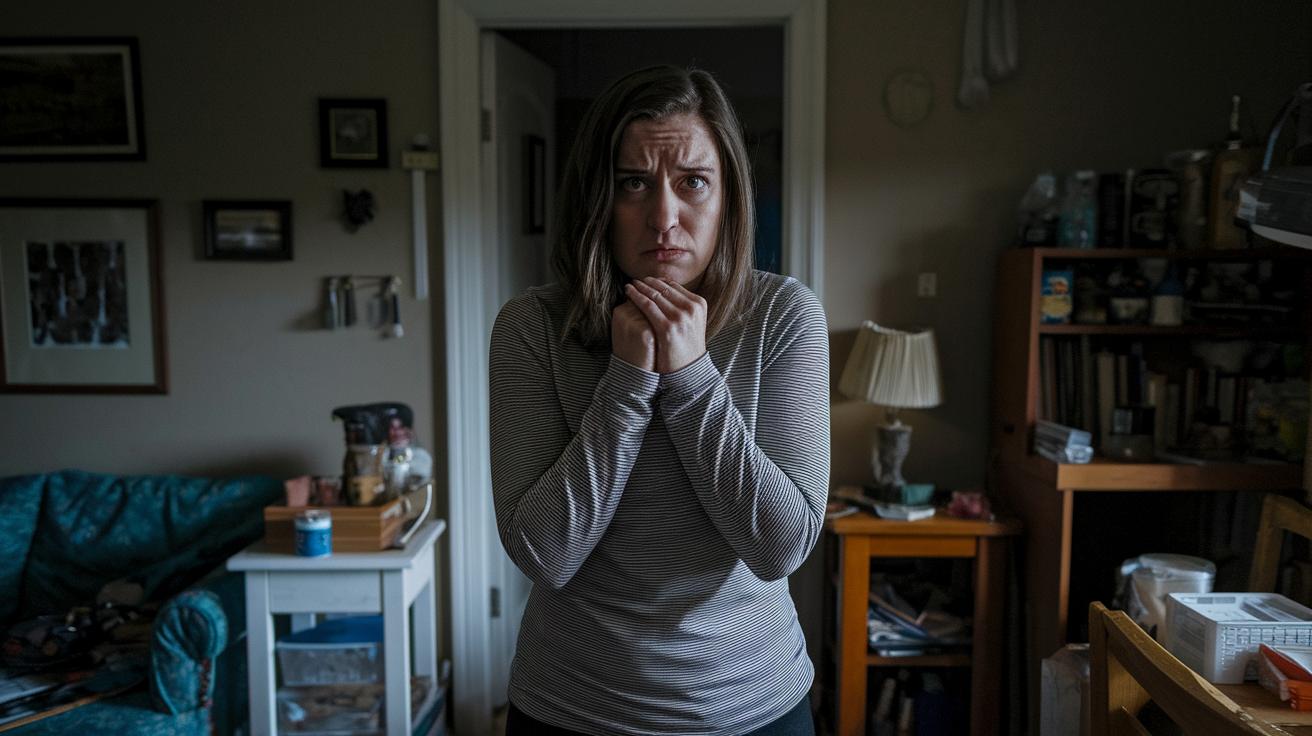
Traumatic events can leave deep marks that sometimes lead to post-traumatic stress disorder (PTSD). Many people, especially women, experience vivid memories and nightmares, and may feel overwhelmed when reminded of past events.
Obsessive-compulsive disorder (OCD) involves unwanted thoughts and repeated actions. This condition can make everyday tasks difficult. For example, a person may check locks repeatedly or wash their hands often. These behaviors show how the brain tries to regain control after stressful moments.
Specific phobias and anxiety attacks add another layer to these challenges. People with these fears might notice their heart racing or start sweating in situations that others find normal. While these reactions can disrupt daily routines, understanding each condition is a step toward effective treatments.
With proper diagnosis and targeted strategies, many can move toward recovery and enjoy a better quality of life.
Schizophrenia and Personality Disorders in Common Mental Health Disorders
Schizophrenia is a long-term mental health condition that changes how a person sees the world. People with this condition might hear voices, see things that others cannot, or hold beliefs that seem out of touch with reality. Similar disorders like schizophreniform disorder, schizoaffective disorder, and brief psychotic disorder share these symptoms but differ in how long they last and how strong they are. As a result, everyday tasks such as working or maintaining relationships can become very challenging.
Personality disorders are marked by long-lasting patterns of thought and behavior that are difficult to change. The DSM-5 groups these conditions into three clusters, covering about ten types. Such patterns can make it hard to build stable relationships and manage stress. This may lead to problems in daily social and work life. Often, a combination of talk therapy and sometimes medication is used to help people better manage these issues and improve their overall well-being.
Demographics, Onset, and Trends in Common Mental Health Disorders

Racial and cultural backgrounds strongly impact mental health. Latest surveys show that about 27% of American Indian or Alaska Native individuals and roughly 35% of people identifying as mixed race have experienced mental health issues. This means more than one in three mixed-race individuals face these challenges, calling for care that respects cultural differences.
Gender also plays an important role. Some mental health conditions occur more often or with greater severity in one gender than the other. This suggests that health professionals should consider these differences when planning support and treatment.
Overall, these insights highlight the need for mental health services that are both culturally sensitive and tailored to different genders. By addressing these specific factors, mental health programs can better serve the unique needs of each community.
Treatment Approaches for Common Mental Health Disorders
Treatment choices backed by research can offer hope to people facing common mental health challenges. Therapies like cognitive-behavioral therapy (CBT), dialectical behavior therapy (DBT), and acceptance and commitment therapy (ACT) are often used along with medications to help stabilize moods and improve daily life. With more telehealth options following the pandemic, many now have easier access to quality care, even in areas with few specialists.
- CBT guides patients to spot and change harmful thought patterns.
- Medications help balance brain chemicals and reduce symptoms.
- Telehealth brings therapy sessions to your home, no matter where you live.
- Group therapy offers a setting for people to share experiences and support each other.
- Peer support connects individuals who have similar challenges.
- Family sessions involve loved ones to create a nurturing home environment.
- Lifestyle changes, like regular exercise and stress management, boost overall mental wellness.
Different treatment approaches can be mixed to suit personal needs. For instance, someone dealing with anxiety and depression might do well with CBT and medication, while another person might find group therapy or peer support especially helpful. Telehealth has proven to be a valuable tool, linking people in remote areas with the care they need. Even though there are still gaps in the mental health workforce, community support and efforts to train more professionals are making progress. By using several methods together, clinicians can address symptoms and build overall resilience. This well-rounded care model offers renewed hope for individuals working to manage their conditions and regain control of their lives.
Prevention and Early Intervention for Common Mental Health Disorders

Early screening in primary care helps catch mental health issues before they get worse. Regular checkups and simple questionnaires allow doctors to spot early signs of trouble. Community programs that teach mindfulness and stress management can lower the chance of symptoms starting and improve overall well-being. Local campaigns, including suicide prevention initiatives, also work to teach people how to notice warning signs. These combined efforts help lessen long-term effects and ensure people get care when they need it.
Practical steps like targeted public-health programs and comprehensive mental health screenings support early help. Addressing factors such as social and economic pressures further reduces the risk of developing mental health problems. By incorporating stress reduction and mindfulness into daily life, communities can build resilience. Together, these strategies provide a proactive way to ease the burden of mental health challenges and give hope to those at risk.
Final Words
In the action, the post details the prevalence, symptoms, and treatment of many conditions, as well as the role of early screening and community support in managing mental health. It covers issues like anxiety, depression, bipolar disorder, PTSD, and more while highlighting how demographics influence diagnosis and care. Practical steps and data remind us that tackling the most common mental health disorders begins with awareness and informed choices. Stay positive and use these insights to make smarter decisions about your health.
FAQ
What are the 5 most common mental disorders?
The five most common mental disorders typically include anxiety disorders, major depressive disorder, bipolar disorder, post‐traumatic stress disorder, and obsessive‐compulsive disorder. These conditions are widely recognized for their high prevalence across populations.
What are the 7 common types of mental disorders?
The seven common mental disorders can include anxiety, depression, bipolar disorder, post‐traumatic stress disorder, obsessive‐compulsive disorder, schizophrenia, and personality disorders. This grouping reflects a broad array of challenges seen clinically.
What are the 10 most common mental health disorders and a broader list of conditions?
The ten most common disorders often expand to include anxiety, depression, bipolar disorder, post‐traumatic stress disorder, obsessive‐compulsive disorder, schizophrenia, personality disorders, attention‐deficit/hyperactivity disorder, eating disorders, and substance use disorders, covering a wide spectrum of conditions.
What is the most diagnosed mental health disorder worldwide?
The most diagnosed mental health disorder worldwide is anxiety disorder, affecting millions annually. Its widespread prevalence makes it a central focus for public health and early treatment strategies.
Where can I find a complete mental disorders list from A to Z?
A complete mental disorders list from A to Z spans conditions from anxiety and mood disorders to psychotic and personality disorders. Such lists, based on manuals like the DSM‐5, offer valuable references for both professionals and the public.
What mental health disorders are most common among youth?
The mental health disorders most common among youth include anxiety and depression, with many symptoms first appearing before age 14. Early identification and support are key to managing these challenges effectively.