


Nature might hold some keys to easing anxiety. About 20% of U.S. adults experience anxiety disorders each year. Research shows that regular exercise, a healthy diet, and even herbal options like chamomile tea can help calm racing thoughts and boost mood naturally. Whether you prefer getting active, enjoying a warm cup of tea, or simply taking deep breaths, these steps can create a calm feeling without heavy medication. This article reviews proven, natural ways to ease anxiety and support a balanced, healthier mind.
Evidence-Based Natural Anxiety Relief Strategies
More than 18% of U.S. adults experience anxiety disorders each year, which makes natural ways to ease anxiety very important. Studies have found that regular physical activity can reduce the risk of death by up to 27% (Archives of Internal Medicine, 2007). Activities like gym workouts, yoga or Pilates, and walking outside not only boost vitamin D but also help calm nerves in a natural way.
Exercise kicks off a well-rounded approach to easing anxiety by releasing chemicals in the brain that make you feel good. Pairing movement with a balanced diet further supports your body’s stress response. Choosing nutrient-rich foods and drinking enough water throughout the day can help keep your energy up and your mood steady.
Herbal remedies and mindfulness practices are also useful for reducing anxiety. Some herbs have calming effects when used correctly, and many people have found them helpful for managing stress. In addition, mindfulness techniques such as meditation and deep breathing offer quick relief by helping you focus on the present moment, which in turn lowers anxiety and builds your resilience.
Another helpful tool is aromatherapy. Diffusing essential oils or using scented bath salts can improve your mood and mental clarity. By combining exercise, good nutrition, herbal supplements, mindfulness, and aromatherapy, you have a range of non-drug options to support both your body and your mind.
Herbal Supplements for Natural Anxiety Relief
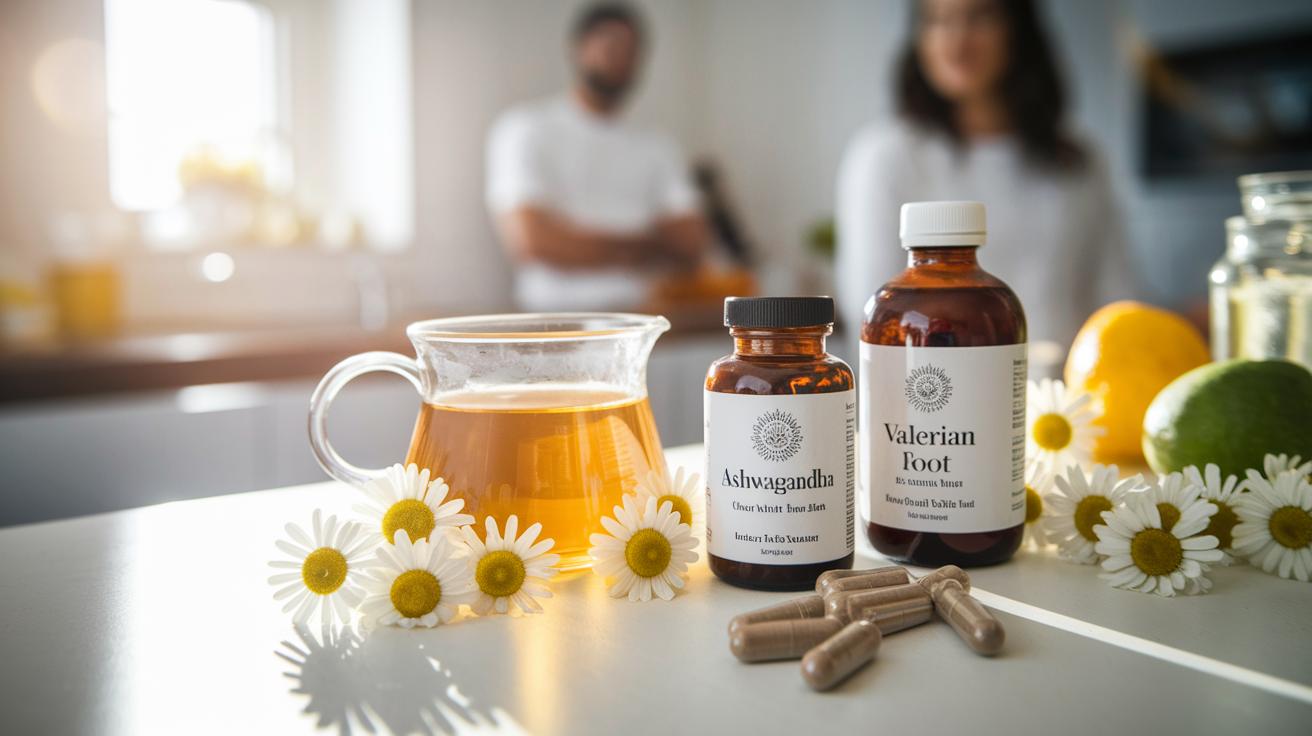
Herbal supplements offer a mild way to ease anxiety naturally. Many people enjoy chamomile tea, where 1–2 g of dried chamomile steeped in hot water can help improve sleep and lower stress. Ashwagandha extract, taken in doses of 300–600 mg each day, may help the body manage stress and has shown results in small studies that are similar to those seen with lorazepam (a common anxiety medication). Valerian root is another herb often used before bed at doses of 400–900 mg. It can promote better sleep, although some individuals might feel dizzy after taking it. Passionflower extract, usually taken in doses of 250–500 mg, may enhance the calming chemical GABA in the brain to quiet the mind. Lemon balm, at 300–500 mg daily, might help lower stress-induced cortisol levels. Green tea extract (L-theanine), in doses of 100–200 mg, also promotes a relaxed feeling. The table below highlights five key herbs that many find useful for natural anxiety relief.
| Herb | Dosage | Potential Side Effects |
|---|---|---|
| Chamomile | 1–2 g dried flower steeped | Rare allergic reactions |
| Ashwagandha | 300–600 mg daily | May interact with thyroid medications |
| Valerian | 400–900 mg before bed | Dizziness, drowsiness |
| Passionflower | 250–500 mg extract | Mild sedation, nausea |
| Lemon Balm | 300–500 mg daily | Occasional upset stomach |
Mindfulness Practices for Organic Worry Reduction
If you need a simple way to ease stress and sleep better, try a guided meditation for 10 to 20 minutes each day. Find a quiet place, sit comfortably, and softly focus on your breathing. Set a timer for 10 minutes and simply notice your breath, letting any thoughts slide by like passing clouds.
Another practical method is structured breathwork. One easy technique is the 4-7-8 method. Breathe in for 4 seconds, hold your breath for 7 seconds, and exhale for 8 seconds. Studies suggest this can lower blood pressure by around 8 mmHg. Try doing this before bed or during a break in your day.
Journaling can also help manage stress. Write down your thoughts and feelings to spot patterns and triggers. This can encourage positive emotions over time. For more detailed ideas on journaling, you can check out the tips at journaling for stress management.
Mindful eating is another useful practice. By eating slowly and truly savoring each bite, you can help reduce emotional eating and support better digestion. Adding one or more of these mindfulness strategies to your routine could help lower worry and bring a sense of calm.
Dietary Tips for Plant-Based Panic Control

Looking for a plant-based way to ease anxiety? Start by focusing on key nutrients that help keep your nerves calm. For example, aim for about 320 mg of magnesium daily if you’re a woman and 420 mg if you’re a man. Foods like leafy greens and nuts can help you hit this target and support smooth nerve function.
Zinc is another important mineral. A daily intake of 8 to 11 mg can help your body regulate mood and enzyme function. Adding a handful of pumpkin seeds or choosing fortified cereals can easily boost your zinc levels.
Omega-3 fatty acids, ideally between 250 and 500 mg a day, play a role in brain health and mood balance. Look for plant-based sources like flaxseed and walnuts to keep your brain in top shape.
Probiotics from fermented foods, such as kimchi or water kefir, support the gut-brain connection. A healthy gut can contribute to better emotional balance and overall well-being.
B vitamins, particularly B6 and B12, are needed for making neurotransmitters that manage mood. Bright, colorful fruits and vegetables not only provide these vitamins but also pack antioxidants that help protect your nervous system from stress.
Mindful eating can also make a difference. Paying attention to each bite might reduce stress even further. For meal ideas and more tips on building a nourishing plate, check out healthy eating habits at https://greatnewssource.com?p=1412.
Essential Oils and Aromatherapy for Disquiet Eliminator
Aromatherapy uses natural scents to help quiet your mind and body. Try inhaling lavender oil or putting 2 to 3 drops on your pillow. Many people say this simple method helps create a calm sleeping space, though a small number might notice minor side effects like mild constipation.
For a quick mood boost, use a diffuser with a blend of bergamot and chamomile for 15 to 30 minutes. This can turn a busy room into a more relaxed space. You can also try sandalwood essence. Applying 1 or 2 drops on clean skin may give you a quick boost, leaving you feeling balanced and centered.
Another idea is to add 1 cup of scented bath salts to a warm bath and soak for 15 to 20 minutes. This easy ritual fills the air with soothing aromas, helps lower stress, and promotes deep relaxation.
Lifestyle Modifications for Integrated Mental Composure

Creating a daily routine that eases anxiety starts with consistent sleep. Aim for 7 to 9 hours of sleep each night by sticking to a regular bedtime. This helps your body keep a natural rhythm and makes sleep more restorative. Cutting back on caffeine to under 200 mg per day, and avoiding it after 2 pm, can also help you wind down smoothly.
Reducing alcohol and nicotine may ease anxiety too, as both can disrupt sleep and increase stress. Setting a screen curfew one hour before bedtime gives your mind a chance to relax, especially when many of us spend more than 7 hours a day on our devices.
Making small changes to your space can boost your calm. Clearing clutter and adding soft, soothing colors like blue, green, or lavender can create a peaceful environment. Structured lifestyle plans, such as stress management programs, provide a clear path to feeling better overall.
- Keep a steady sleep schedule with 7–9 hours each night
- Limit caffeine to less than 200 mg daily and avoid it after 2 pm
- Cut back on alcohol and nicotine to help reduce anxiety
- Turn off screens at least one hour before bed
- Simplify your space and use calming colors to lower stress
Tracking Progress and Safety Considerations with Your Natural Anxiety Relief Plan
Keeping a simple journal to record your anxiety symptoms can show you how well your natural relief methods are working. Each week, write down any changes you see in your symptoms. For example, note if you feel better, if problems return, or if you experience side effects like dizziness from valerian or nausea from other supplements. These notes help you spot patterns over time and give you clear points to discuss with your healthcare provider when thinking about dosage changes.
Write down notes like "This week, my sleep got better after cutting back on caffeine, and my anxiety eased a bit." Such clear records can help you see what works for you. Remember, only adjust your supplement doses with your provider’s advice. And it’s important to talk to your doctor before trying any new supplements, especially if you are pregnant.
Keeping track of your symptoms not only guides your care but also shows if you might need to add extra nutrients or make other changes to help balance your cortisol levels safely.
- Record your weekly symptoms
- Note any side effects
- Adjust dosages with a professional’s help
- Consult a doctor before starting new supplements
Final Words
In the action, we explored several science-backed approaches for natural anxiety relief, from exercise and mindful practices to herbal supplements and dietary tips. Each section offered clear, practical steps that any reader can start applying now to reduce stress.
We also looked at aromatherapy and simple lifestyle modifications that support integrated mental composure. The goal is to provide you with reliable methods for easing anxiety and promoting calm throughout your day. Enjoy the journey toward a balanced, more relaxed life.
FAQ
Natural anxiety relief supplements
The natural anxiety relief supplements refer to products like herbal extracts, vitamins, and minerals that may help ease stress. They incorporate ingredients such as ashwagandha and chamomile, supported by science.
Strongest natural anxiety medication
The strongest natural anxiety medication typically points to powerful herbal remedies like ashwagandha and valerian root, which have shown promise in research. These options can help calm nerves in some cases.
Natural anxiety relief for kids
The natural anxiety relief options for kids include lifestyle changes, mindfulness exercises, and appropriate supplements under medical supervision. These methods aim to support emotional balance safely in children.
Natural anxiety relief for teens
The natural anxiety relief strategies for teens involve stress management, physical activity, and, when suitable, natural supplements with parental and clinician guidance to help manage anxiety effectively.
Natural anxiety relief reddit
The natural anxiety relief discussions on reddit share firsthand experiences with supplements, herbs, and mindfulness techniques. Users offer practical tips that reflect a holistic approach to managing mild anxiety.
Natural anxiety relief ashwagandha
The natural anxiety relief benefits of ashwagandha come from its adaptogenic properties. A typical daily dose of 300–600 mg has been linked in studies to reducing anxiety levels comparably to some medications.
Best herbal remedy for anxiety and depression
The best herbal remedy for anxiety and depression often combines ingredients like chamomile, ashwagandha, and lemon balm. These herbs have been associated with easing stress symptoms and improving mood.
Natural herbs for anxiety and panic attacks
The natural herbs for anxiety and panic attacks include passionflower, valerian root, and chamomile. Each herb has been used to promote relaxation and reduce panic, forming part of a balanced stress management plan.
What is the 3-3-3 rule for anxiety?
The 3-3-3 rule for anxiety means taking three deep breaths, naming three things you can see, and three things you can hear. This simple grounding exercise helps focus the mind and reduce panic quickly.
What is the best instant relief for anxiety?
The best instant relief for anxiety often involves quick self-help techniques such as deep breathing, mindful focus, or using essential oils like lavender. These methods offer immediate, temporary calm.
How did I cured my anxiety with a vitamin?
The idea of curing anxiety with a vitamin suggests that certain nutrients like vitamin D or B vitamins may support mood regulation. However, individual experiences differ and professional advice is recommended.
What is a natural Xanax?
A natural Xanax refers to non-prescription options like herbal supplements that mimic calming effects similar to Xanax. Examples include valerian root and ashwagandha, which may help ease anxiety under proper guidance.