


Ever wonder if changing your meal can give you more energy? Life is busy, but choosing the right foods may be simpler than you think. This chart compares nutrients and calories so you can plan meals with less confusion. It lists foods that pack in vitamins, minerals, and key compounds without extra calories. Read on to learn how these choices can help boost your energy and overall health.
Nutrient-Dense Foods Chart: Energizing Healthy Choices
This chart shows a simple list of nutrient-rich foods to help you plan balanced meals. It compares nutrients per serving and per calorie, so you can pick foods that give you more vitamins, minerals, and other good compounds without many extra calories.
| Food Item | Serving Size | Calories | Key Nutrient Highlights | Nutrient Density Score |
|---|---|---|---|---|
| Kale | 1 cup | 33 | Vitamins A, C, K | 9.5 |
| Salmon | 3 oz | 175 | Omega-3 fatty acids | 8.8 |
| Sardines | 3 oz | 200 | Complete nutrient profile | 8.2 |
| Liver | 3 oz | 135 | Vitamins A, B12, Iron | 9.0 |
| Eggs | 1 large | 70 | Multivitamin properties | 7.8 |
| Berries | 1 cup | 85 | Antioxidants | 8.0 |
| Shellfish | 3 oz | 120 | Vitamin B12, Zinc | 8.5 |
| Potatoes | 1 medium | 110 | Potassium, Vitamin C | 7.5 |
| Seaweed | 1 sheet | 10 | Iodine, Minerals | 9.2 |
| Garlic | 1 clove | 5 | Bioactive compounds | 8.7 |
The nutrient density score tells you how many key nutrients a food offers relative to its calorie content. Foods with a higher score provide more vitamins and minerals without extra calories, making them a smart choice for a balanced, energy-boosting diet.
How Nutrient Density Scores Are Calculated on the Chart
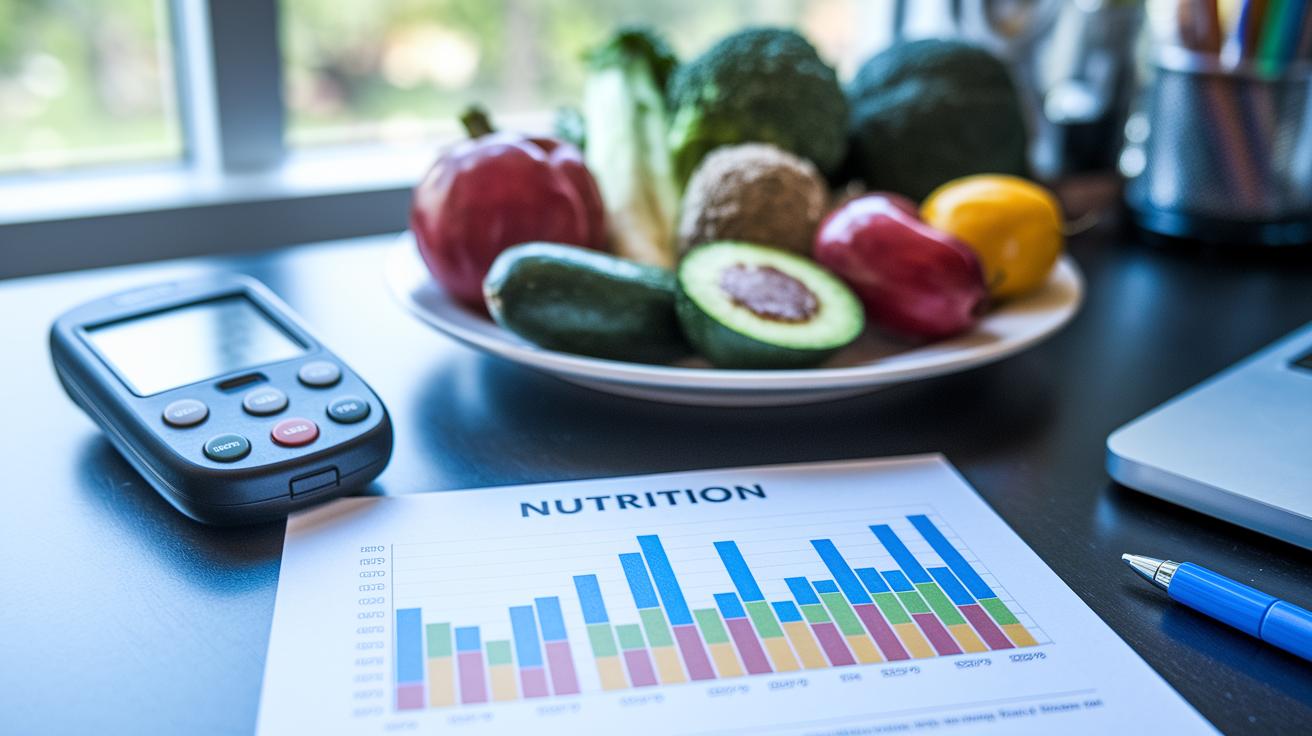
Our chart shows nutrient density scores by comparing the nutrients you get from food to its calorie content. We use the 20/20 Macros & Micros method to look at the amount of vitamins, minerals, protein, and fats per serving and per calorie. This lets you see which foods pack a strong nutrient punch without extra calories. For more on how vegetables add value, check out our guide on fruit and vegetables for healthy eating.
We also adjust the scores to reflect how foods affect blood sugar and feelings of fullness. This extra step takes into account signs related to glucose management and the satiety index. In simple terms, the process looks at both the nutritional content and how the food makes you feel. The end result is a practical tool that helps you pick foods that boost your nutrient intake and keep you energized throughout the day.
Key Food Categories in the Nutrient-Dense Foods Chart
Non-Starchy Vegetables
Non-starchy vegetables boost your meals with fiber and antioxidants without packing on extra calories. For example, kale offers a lot of fiber and antioxidants, making it a smart choice to increase your nutrient intake. Seaweed adds extra benefits with iodine and trace minerals that help support thyroid health and other body functions. These foods form a strong base for any balanced meal by delivering key vitamins naturally.
Seafood Rich in Omega-3 Fats
Seafood like salmon, sardines, and mussels are excellent for their high levels of omega-3 fatty acids, which support heart health and brain function. Salmon and sardines bring a broad range of nutrients, while mussels contribute EPA and DHA, types of omega-3 fats that can help reduce inflammation. Including a mix of these seafood options in your diet can ensure you get a balanced dose of heart-friendly fats along with other vital nutrients.
Lean Proteins & Organ Meats
Lean proteins are essential for muscle repair and keeping your energy steady. Chicken breast, for instance, provides high-quality protein with fewer calories, fitting well into a lean diet. Beef liver is another nutrient-dense option, delivering vitamins A and B12 as well as iron. While organ meats might not be a common choice, they pack a concentrated amount of nutrition to support overall health when enjoyed in moderation.
Vitamins & Minerals Fruits
Fruits such as berries and potatoes add unique benefits to your meals. Berries are rich in vitamin C and antioxidants, which help the body fight off damage, while potatoes supply potassium and vitamin B6. If you eat potatoes with their skins, you also get the extra fiber they offer. These fruits and vegetables complete your meal plan by providing essential micronutrients that work well with proteins and other vegetables.
Integrating the Nutrient-Dense Foods Chart into Your Meal Planner

The nutrient-dense foods chart can be a simple tool to help you plan meals that keep your weight in check and give you the vitamins and minerals you need. By choosing foods rich in nutrients and watching your calorie intake, you can set up a weekly menu that fits your budget and tastes great for everyone. This guide helps you swap out calorie-heavy options with foods that boost energy and support overall health.
- Swap out high-calorie snacks for nutrient-packed choices like berries or hard-boiled eggs to keep your energy steady.
- Fill your plate with half non-starchy vegetables, one quarter lean protein, and one quarter whole grains for a balanced meal.
- Pick budget-friendly foods such as potatoes, eggs, or canned sardines to keep your meal plan both healthy and affordable.
- Create fun menus for kids with colorful veggies and fruit skewers that make mealtime engaging.
- Use the chart to compare different foods and add variety to your meals throughout the week.
- Plan quick and simple recipes by choosing low-calorie, high-vitamin ingredients from the chart.
- Prepare portions ahead of time to help avoid overeating and to make busy days easier.
- Follow a weekly meal plan from our healthy eating meal plan to stay on track with your nutrition goals.
Free Download: Printable Nutrient-Dense Foods Chart PDF
Get your free nutrient-dense foods chart PDF today. It’s a handy tool to improve your meal planning and boost your nutrition knowledge. The chart is sorted by color into groups that help you quickly spot vitamins, minerals, proteins, and healthy fats. A clear legend shows you the number of key nutrients per calorie, making it easy to compare your food choices. Designed for easy printing, this chart is perfect for hanging in your kitchen or sharing in a classroom. Plus, you get instant access as soon as you download it. Its clean design and clear visuals turn complex nutrition info into an engaging resource that helps you make healthier choices.
Frequently Asked Questions on the Nutrient-Dense Foods Chart

Q: How can I use this guide to plan balanced meals?
A: The chart lets you compare foods so you can pick ones that offer more nutrients for every calorie. Mix foods with high scores with other healthy choices to keep your meals varied. For example, adding a squeeze of lemon to a spinach salad can enhance both taste and nutrient uptake.
Q: What are common misunderstandings about the nutrient density score?
A: Many people think a high score means a food is low in calories by itself. In reality, the score shows how many key nutrients you get with each calorie, not the total calories in a serving. It’s important to consider portion sizes and overall meal balance along with the score.
Q: How should I adjust if a food doesn’t seem to meet my nutritional goals based on the score?
A: Think of this chart as one handy tool among many. If a food has a lower nutrient score, try pairing it with foods that score higher to balance out your meal. For instance, if a grain scores lower, combining it with dark leafy greens can boost the overall nutrition of your meal.
Q: Can the nutrient density chart guide choices for specific dietary needs?
A: The chart offers evidence-based comparisons, but it isn’t a substitute for personalized advice. For specific dietary needs, it’s best to combine this information with guidance from a nutrition professional.
Tools for Personalized Nutrition Beyond the Chart
Digital tools like macro calculators and nutrient optimizers help you build a balanced 7-day meal plan by analyzing what you eat. You simply enter details about your meals, and the tool adjusts your protein, carbohydrate, fat, vitamin, and mineral targets to suit your needs. For example, a macro calculator keeps track of your protein, carbohydrate, and fat intake to support muscle recovery and steady energy throughout the day.
Other tools check how filling your food is, review your amino acid balance, and assess your vitamin and mineral intake. These interactive grids can quickly compare different meal options for diets like keto, low-carb for blood sugar control, athlete bulking, or immune support. With this evidence-based feedback, you can fine-tune your food choices so every meal helps you stay energetic and supports overall wellness.
Final Words
In the action, you explored a detailed guide on using a nutrient-dense foods chart to build balanced meals. The post highlighted key food categories, from non-starchy vegetables to lean proteins, and broke down how scores compare nutrients per serving and per calorie. Practical meal planning tips, budget-friendly picks, and a downloadable PDF offer clear, easy steps to healthier eating. With this nutrient-dense foods chart in your toolkit, you can make informed choices that support better nutrition every day. Enjoy applying these simple, effective strategies.
FAQ
How can I access nutrient-dense foods charts in PDF format?
The nutrient-dense foods charts in PDF format offer a ready-to-use resource for comparing various foods based on calories and nutrients. They serve as a handy reference for meal planning and nutrition projects.
How do balanced diet charts support meal planning for school projects and daily routines?
Balanced diet charts present food groups and nutrient profiles clearly, helping with school projects and daily meal planning by guiding portion control and encouraging a mix of fruits, vegetables, proteins, and whole grains.
What food is considered the most nutrient-dense?
The most nutrient-dense food often highlighted is beef liver, recognized for its concentrated levels of vitamins A and B12 and essential minerals per serving, making it a top choice in nutrient density rankings.
What foods does Dr Fuhrman recommend for a nutrient-rich diet?
Dr Fuhrman advises including a variety of nutrient-rich plant foods such as green leafy vegetables, berries, and other whole foods, which provide essential vitamins, minerals, and antioxidants for robust health.
What are the five supreme superfoods?
The five supreme superfoods typically include kale, berries, salmon, beef liver, and garlic, each known for its high levels of essential nutrients per calorie, supporting overall health and nutrition.
What two foods can you survive on according to survival studies?
Some discussions suggest that eggs and potatoes provide many essential nutrients, yet no two-food diet supplies all nutrients needed long term. A diverse diet remains key for sustained health.