


Ever notice how some people seem to lose weight while full of energy? They fill their plates with foods high in protein, fiber, vitamins, and minerals. These foods help keep hunger at bay and boost your metabolism. Think of your meal as fuel for your body. In this post, we explore nutrient-dense choices like salmon, Greek yogurt, and leafy greens. They can help control calories and support steady, healthy weight loss. Learn how eating right can keep you feeling full and energized throughout your day.
Nutrient-Dense Foods That Accelerate Weight Loss
Eating foods that are rich in nutrients means you get more protein, fiber, vitamins, and minerals for every calorie you consume. These foods help keep hunger at bay so you eat less overall. For example, a 3 oz piece of salmon gives you 17 g of protein, plus omega-3 fats and vitamins B, D, and E, a true boost for a healthy diet.
These options mix protein, good fats, and fiber to help you feel full longer. Foods like salmon, Greek yogurt, and eggs can help build muscle and keep your energy steady. Whole grains like quinoa, and veggies and fruits such as spinach, blueberries, and kale, make sure you get the vitamins and minerals your body needs every day. Beans and almonds add extra fiber and healthy fats, while sweet potatoes provide the carbohydrates that fuel your body.
Switching to these whole foods can help you keep a calorie deficit (usually about 500 fewer calories a day for roughly 1 lb of weight loss per week) and boost your overall energy. This simple change can help you feel fuller for longer and support better health and performance.
Role of Protein and Fiber-Rich Nutrient Foods in Calorie Control
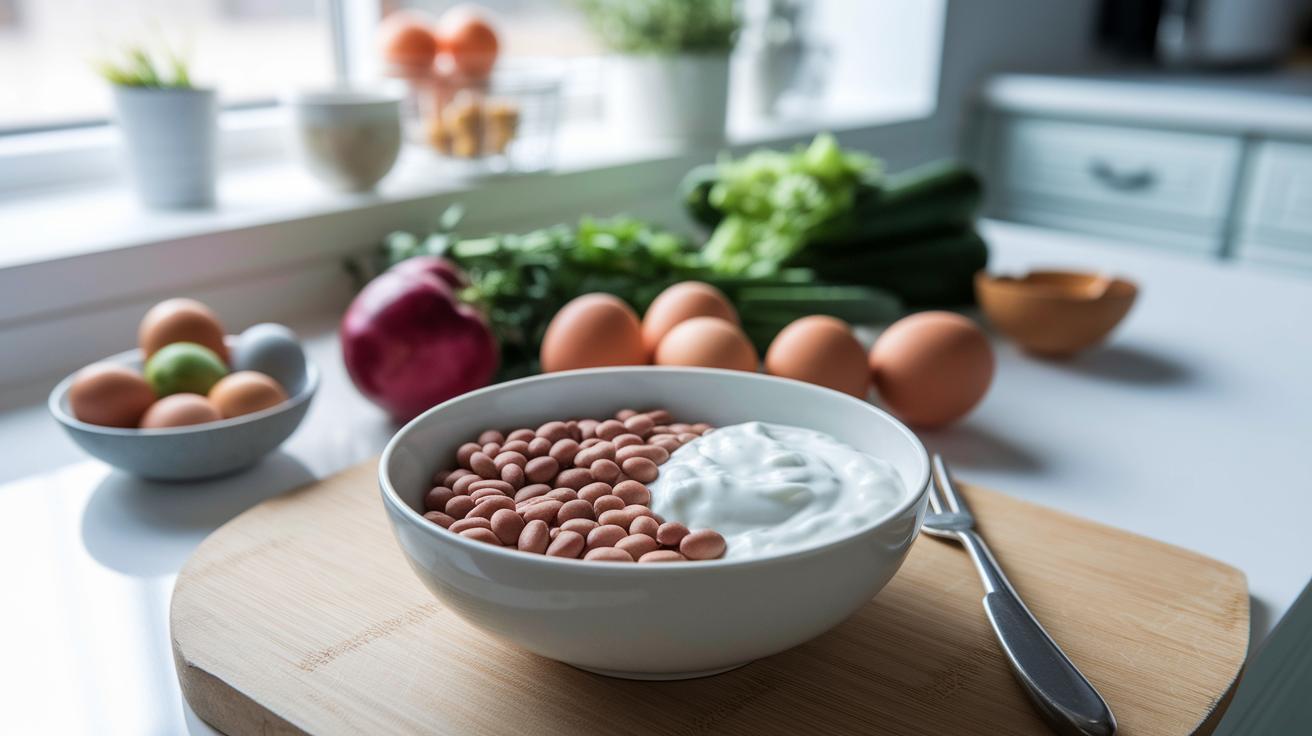
High protein and fiber foods help you feel full and lower cravings. They slow digestion, which can keep overeating at bay. When you stay fuller longer, it's easier to avoid extra snacks or big portions. For example, adding beans, eggs, or Greek yogurt to your meals provides steady energy and helps prevent sudden hunger.
Planning your meals with fresh ingredients and simple seasonings makes healthy eating easier. By prepping meals ahead of time, you can control fat, salt, and calories in every dish. Drinking water or unsweetened tea during the day not only keeps you hydrated but also cuts down on high-calorie drink options. This method helps you lose weight at a steady pace.
Choosing whole foods over processed options that include appetite-boosting additives supports better portion control. Whole foods reduce the risk of hidden calories, salt, or sugar sneaking into your diet. This mindful approach makes it simpler to manage your calorie intake and keeps you energized throughout the day.
Sample Meal Plan Featuring Nutrient-Dense Foods for Weight Reduction
This meal plan is designed to help you lose weight while getting important nutrients. It uses lean protein, whole grains, fruits, vegetables, and healthy fats to keep calories low. Each meal gives you about 25-30 g of protein and 8-10 g of fiber. The plan spreads out five meals to keep your energy steady and to help control hunger. The foods have a low glycemic index, which helps keep your blood sugar steady and makes you feel full longer.
| Meal | Example Foods | Calories | Protein (g) | Fiber (g) |
|---|---|---|---|---|
| Breakfast | Scrambled eggs with spinach, whole-grain toast, and mixed berries | 350 | 27 | 9 |
| Mid-Morning Snack | Greek yogurt with blueberries and chia seeds | 250 | 26 | 8 |
| Lunch | Grilled chicken breast, quinoa salad with spinach, tomato, and avocado | 450 | 30 | 10 |
| Afternoon Snack | Cottage cheese paired with apple slices and a few almonds | 300 | 25 | 8 |
| Dinner | Baked salmon, brown rice, steamed broccoli, and mixed vegetables | 400 | 28 | 9 |
Feel free to adjust the portion sizes based on your calorie needs and activity level. If you are more active or looking to create a bigger calorie gap, try changing the amounts of protein, whole grains, or healthy fats. You can swap ingredients with similar nutrients to keep your meals interesting while still working toward your weight loss goals. Listen to your hunger and track your food intake to help maintain steady energy and support fat burning.
Lifestyle Factors That Enhance Nutrient-Dense Foods for Weight Loss

Getting good sleep and taking care of your gut go hand in hand when it comes to processing food. Research shows that enough rest helps control hunger, while a healthy gut makes it easier for your body to absorb vitamins and minerals. When you sleep well and eat foods that support your digestive health, your body uses the nutrients from your meals more effectively.
Drinking plenty of water or unsweetened tea also helps your metabolism work properly. Planning when you eat can improve how your body takes in nutrients and keeps your digestive system steady. These simple habits help you maintain energy all day and support a balanced intake of calories.
Adding spices like cayenne and cinnamon to your meals may give your metabolism a small, natural boost. When you combine these spices with nutrient-rich foods, you create a balanced approach to weight loss and overall health.
Nutrient Dense Foods for Weight Loss: Radiate Energy
These snacks are simple to prepare and can help you stay on track while losing weight. They pack a nutritious punch, boost your energy, and keep calories low.
- Greek yogurt parfait with berries (around 180 calories, 10 g protein)
- Hard-boiled eggs with fresh spinach (around 160 calories, 12 g protein)
- Almond-chia energy bites (around 150 calories, 8 g protein)
- Veggie sticks paired with hummus (around 170 calories, 9 g protein)
- Cottage cheese mixed with diced fruit (around 190 calories, 11 g protein)
- Tuna-stuffed cucumber rounds (around 160 calories, 10 g protein)
These options offer a mix of textures and flavors. You can freshen up the recipes by swapping berries with another fruit or adding a sprinkle of herbs to the hummus. Adjust the portions to match your calorie and protein needs and keep a healthy snack within reach whenever hunger strikes.
Monitoring Progress with Nutrient-Dense Weight Loss Strategies

Start by keeping a daily log of your calories and key nutrients like protein, carbohydrates, and fats. This simple habit lets you see exactly what you're eating and helps you stay in a calorie deficit. It also shows you where to make small changes to support your weight loss goals while ensuring your meals stay balanced.
In addition, weigh yourself on a weekly basis and note how hungry or full you feel after meals. Recording these details can reveal useful patterns that guide you to adjust portion sizes and make smarter eating choices for steady energy. Digital tools like apps or journals can simplify this process and help you spot trends over time. By tracking these details each day, you can make continuous improvements and move closer to your weight loss targets.
Final Words
In the action summary, our post outlined how foods rich in protein and fiber help control hunger and support weight loss. We broke down a sample meal plan and shared easy recipes while explaining key lifestyle habits that further boost healthy choices.
These steps show how incorporating nutrient dense foods for weight loss into your daily routine can keep you full and satisfied. Keep tracking your progress and enjoy a healthier, more balanced lifestyle.
FAQ
What are the top 10 nutrient-dense foods for weight loss?
The top 10 nutrient-dense foods for weight loss include salmon, spinach, blueberries, beans, Greek yogurt, quinoa, sweet potatoes, almonds, eggs, and kale. They offer protein and fiber to curb hunger and support a calorie deficit.
What is a 7-day diet plan for weight loss?
The 7-day diet plan for weight loss focuses on balanced meals using lean proteins, vegetables, whole grains, and healthy fats. It provides structure to control calories and promote satiety throughout the week.
What is included in a low-calorie food list for weight loss?
The low-calorie food list for weight loss features fruits, vegetables, lean proteins, whole grains, and healthy fats. These foods help lower overall calorie intake while delivering vital nutrients.
What 5 foods should I eat to lose weight?
The five foods to eat for weight loss include lean proteins like chicken, fiber-rich vegetables, fruits, whole grains, and healthy fats. Each helps boost fullness and keeps energy levels steady.
What diet foods are recommended for female weight loss?
The diet foods for female weight loss emphasize lean proteins, leafy greens, whole grains, fresh fruits, and healthy fats. They are designed to support metabolism while meeting daily nutritional needs.
What foods help reduce belly fat?
The foods to eat to lose weight in the stomach feature fiber-rich vegetables, lean proteins, whole grains, and healthy fats. These choices help maintain stable blood sugar and reduce excess abdominal fat.
Do nutrient-dense foods help you lose weight?
Nutrient-dense foods help with weight loss by providing vitamins, minerals, protein, and fiber, which boost satiety and control calorie intake, making it easier to lose weight over time.
What is the 3-3-3 rule for weight loss?
The 3-3-3 rule for weight loss suggests eating three meals a day, each containing three main food groups, while assessing progress every three days to help tailor the diet plan effectively.
What foods speed up weight loss?
Foods that speed up weight loss are those high in protein and fiber, such as lean meats, legumes, and vegetables, which help boost metabolism and promote a prolonged feeling of fullness with fewer calories.
What is the 3 ingredient coffee hack to lose weight?
The 3 ingredient coffee hack to lose weight involves blending coffee with a source of healthy fat like MCT oil or grass-fed butter and a natural, low-calorie sweetener to enhance satiety and energy levels.