
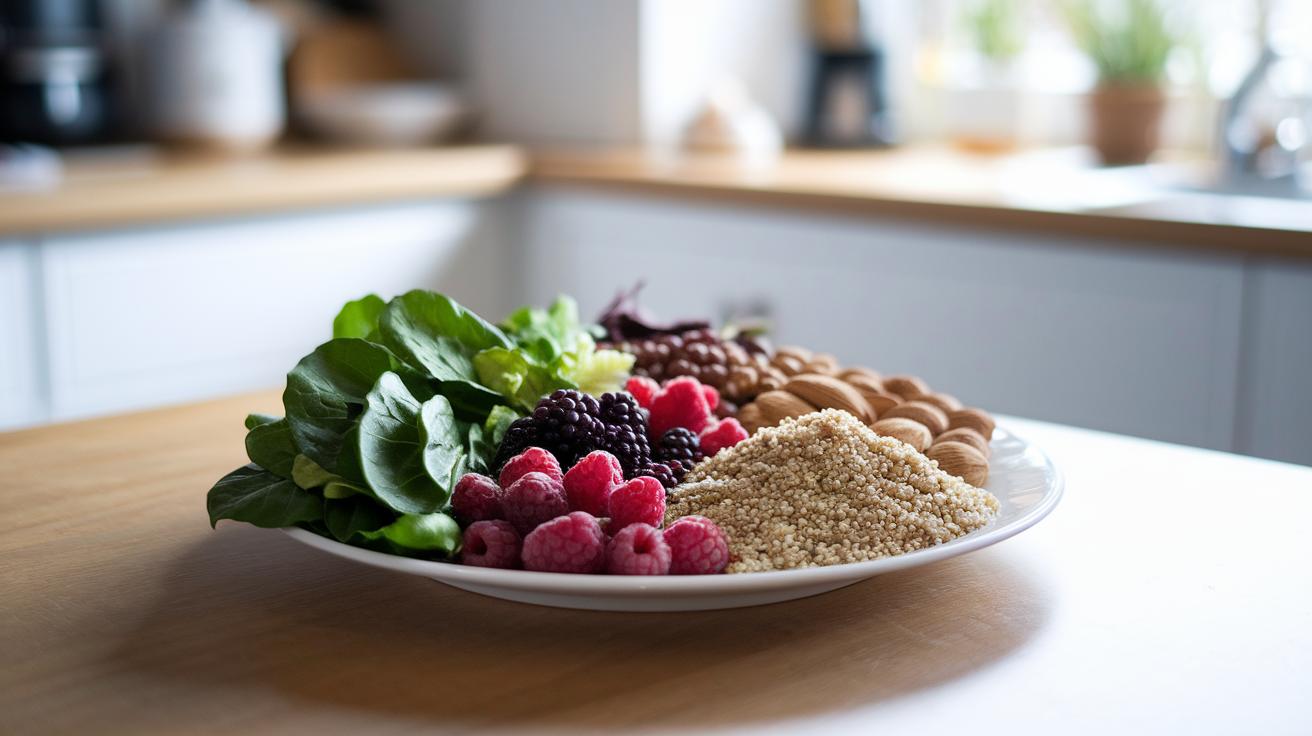

Ever wonder why some foods can give your nutrition a big boost? Everyday choices like salmon, kale, and even dark chocolate are loaded with vitamins, minerals, and antioxidants that help your cells work better, support your immune system, and boost your energy.
In this article we share 12 common foods that can add a healthy boost to your meals. A few simple swaps in your diet could help you feel more energetic and well.
Essential Core of Your Nutrient Dense Foods List
Eating nutrient-rich foods can boost your body with essential vitamins, minerals, and helpful compounds. This list highlights 12 common foods that provide key nutrients in every bite. These foods support cell function, strengthen immunity, and help keep blood sugar and heart health in check.
This guide includes a mix of proteins, vegetables, fruits, and even treats, each offering unique benefits. For instance, salmon is rich in omega-3 fats, while dark chocolate brings antioxidants to the table. Use this list as a tool to create meals that are both tasty and well balanced.
| Food | Category | Key Nutrients |
|---|---|---|
| Salmon | Fish | Omega-3 fatty acids, protein |
| Sardines | Fish | Calcium, vitamins, protein |
| Kale | Vegetable | Vitamins A, C, K, fiber, antioxidants |
| Seaweed | Marine Superfood | Iodine, calcium, magnesium |
| Garlic | Vegetable | Bioactive compounds |
| Shellfish | Seafood | Vitamin B12, zinc |
| Potatoes | Vegetable | Potassium, magnesium, B vitamins |
| Liver | Organ Meat | Vitamins A, B12, iron, folate |
| Berries | Fruit | Vitamin C, fiber, antioxidants |
| Eggs | Protein | Complete protein, vitamin D, lutein |
| Bitter Melon | Vegetable | Antioxidants, blood sugar support |
| Dark Chocolate | Treat | Iron, magnesium, flavonoid antioxidants |
Including a range of these top picks in your diet helps you get a wide variety of nutrients while keeping meals fresh and exciting. By mixing these foods into your daily plan, you can enjoy both great taste and improved health.
Vitamin Jackpot Inventory: Fruits and Vegetables on Your Nutrient Dense Foods List

Adding a mix of fruits and vegetables to your meals boosts your intake of key nutrients. These foods provide extra vitamins, minerals, and antioxidants that support overall wellness and add natural flavor to your dishes.
- Sweet potatoes: They offer beta-carotene (which helps with vision), fiber, and potassium for energy.
- Bell peppers: These are rich in vitamin C, carotenoids, and flavonoid antioxidants that support the immune system and skin.
- Tomatoes: They deliver lycopene, vitamin C, and potassium, which help keep your heart healthy.
- Carrots: With beta-carotene, fiber, and vitamin K1, carrots aid in bone strength and proper metabolism.
- Mushrooms (shiitake, portobello): They provide vitamin D, B vitamins, and selenium to boost energy and support immune function.
- Avocados: Rich in monounsaturated fats, vitamin K, and folate, avocados help maintain heart health and proper cell function.
You can easily add these foods to your meals. Try slicing tomatoes and avocado for a fresh salad or tossing roasted sweet potatoes and bell peppers with your favorite greens. For more ideas on healthy eating with fruits and vegetables, visit fruit and vegetables for healthy eating.
Mineral Packed Compendium: Whole Grains, Legumes, and Seeds in a Nutrient Dense Foods List
Adding whole grains, legumes, and seeds to your meals gives you essential minerals, protein, fiber, and vitamins that help keep your blood sugar steady and your heart in good shape. These foods are packed with nutrients to support your energy levels and a balanced diet.
- Beans & Lentils: Provide 15–18 g of protein and 8–10 g of fiber per cup. They are high in zinc, a mineral that may help improve blood sugar control and lower the risk of breast cancer.
- Oats: Rich in vitamins E and B, as well as calcium, magnesium, and potassium. The beta-glucan fiber in oats can help lower cholesterol and support weight management.
- Nuts & Seeds: Deliver 5–7 g of protein and healthy fats per ounce. These help your body absorb nutrients and support heart health.
- Barley & Ancient Grains: Options like quinoa, farro, and barley offer complete protein, B vitamins, and iron. They add variety in texture along with carbohydrates that release energy slowly.
Mixing these ingredients in dishes like salads, soups, or bowls can help you get more fiber and enjoy a well-rounded, whole-food diet.
Omega Rich Fish Selections and Protein Assortment for a Nutrient Dense Foods List
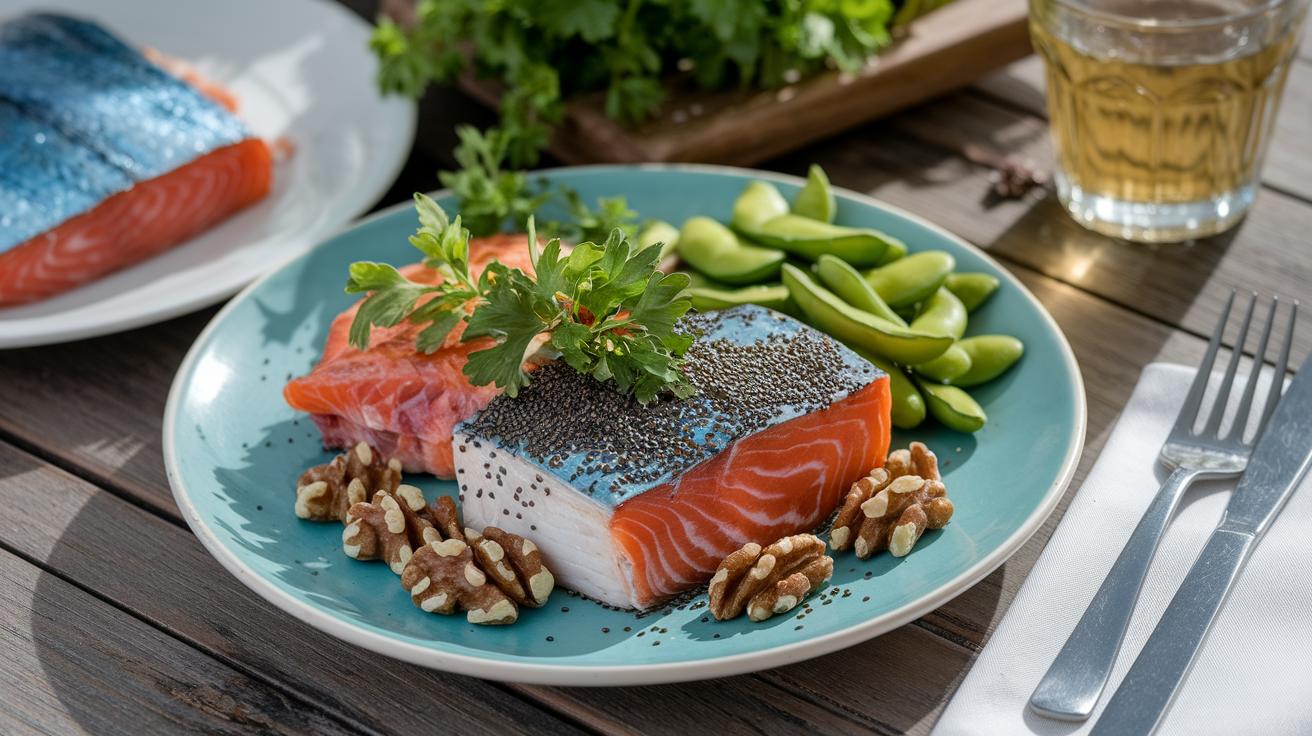
Adding a mix of protein sources and omega-3 foods to your diet can boost your overall health. These options help support heart and brain function while giving you important nutrients.
- Mackerel provides 20 g of protein and 1.9 g of omega-3 per 3 oz, which helps keep your heart strong.
- Trout offers 22 g of protein and 1.2 g of omega-3, plus plenty of vitamin B12 and selenium.
- Walnuts give you 4 g of plant protein and 2.5 g of ALA omega-3 per ounce, aiding brain health.
- Chia seeds supply 5 g of protein, 3 g of fiber, and 2.5 g of ALA omega-3 per tablespoon, which supports overall cell health.
- Edamame delivers 17 g of complete protein per cup and includes fiber, iron, and other nutrients for added support.
You can easily add these foods to your meals. Try tossing trout or mackerel into salads or main dishes, sprinkling walnuts or chia seeds on your breakfast, or enjoying edamame as a protein-rich snack.
Calorie Smart Eating Plan with Your Nutrient Dense Foods List
Start your day with balanced meals that mix proteins, healthy fats, and carbs with seasonal produce and fiber. This plan offers breakfast, lunch, and dinner ideas designed to fall within a target range of 300 to 550 kcal per meal while supplying essential nutrients like protein and fiber to keep you satisfied and active.
Each meal is carefully built using the right combination of ingredients. Whether you’re having a smoothie at breakfast, a hearty quinoa salad at lunch, or grilled salmon for dinner, the focus is on providing enough energy and nutrients to help you feel full and energized.
| Meal | Key Foods | Portion Size |
|---|---|---|
| Breakfast | Smoothie with berries, spinach, and plain yogurt | 1 serving (~300 kcal, 12 g protein, 8 g fiber) |
| Lunch | Quinoa salad with beans, cruciferous vegetables, and olive oil dressing | 1 bowl (~450 kcal, 15 g protein, 10 g fiber) |
| Dinner | Grilled salmon with steamed broccoli and sweet potato | 1 plate (~550 kcal, 30 g protein, 8 g fiber) |
When it comes to snacks, choose options that combine protein with fiber. Pairing fresh fruit with a small handful of nuts or enjoying veggie sticks with hummus can help keep your energy steady without adding too many extra calories. These small, low-calorie snacks are a great way to curb hunger between meals.
Check out our healthy eating meal plan for more ideas right now.
Research-Based Metrics for Your Nutrient Dense Foods List
Nutrient-density metrics offer a practical way to compare foods based on the vitamins, minerals, and plant compounds they provide for every 100 calories. These measures show how well a food delivers essential nutrients relative to its calorie count, helping you choose options that pack a nutritional punch without extra calories.
- Nutrient Density: This metric tells you how many key nutrients a food offers per calorie, letting you compare items with similar energy levels.
- ANDI Score: This score ranks fruits and vegetables by how many nutrients they offer per calorie, guiding you toward choices that deliver more nutrition with fewer calories.
- NuVal System: This system scores foods from 1 to 100 based on their overall nutritional quality. A higher score means the food has a better nutrient profile.
- ORAC: This method measures the antioxidant capacity in foods using micro moles of Trolox equivalent per 100 grams. It gives insight into which foods might offer extra protection from oxidative stress.
Using these scoring methods can help you fine-tune your list of nutrient-dense foods. They provide a reliable way to make dietary choices that boost nutrition while keeping calories in check.
Final Words
In the action, this article offered a clear guide to creating a nutrient dense foods list. We explored core picks like salmon, kale, and eggs, and rounded out your plate with fruits, vegetables, whole grains, legumes, and protein choices. Small tables and bullet lists showed key nutrients and simple meal ideas. Keeping your meals balanced and diverse can make eating healthier easier. Enjoy incorporating these foods into your everyday routine and feel confident about the benefits they can bring.