

Ever wondered if a few simple steps could lower your risk of malaria? Every year, many people experience high fevers and chills because mosquitoes spread this disease. Using insecticide-treated bed nets, spraying your home safely, and getting rid of standing water all work together to block malaria. In this post, we explain how everyday choices can protect you and your community. By following these easy tips, you can reduce your risk and help keep others safe too. Let's see how smart actions can make a real difference.
preventive measures for malaria: Smart, life-saving steps
Malaria is an illness spread by mosquitoes that can cause high fever, chills, and weakness. Smart and practical steps can help keep people safe from it. Many communities protect themselves by using mosquito nets treated with insecticide and spraying safe chemicals inside homes. These physical barriers work well with topical repellents when people are outdoors. In addition, getting rid of stagnant water – which is where mosquitoes breed – adds extra protection. Public health campaigns also stress safe habits and prompt action, which lowers the overall risk of contracting malaria.
A complete plan to fight malaria involves four key steps. First, assess travel risks and talk with a healthcare provider before you travel. Next, use the right antimalarial drugs (called chemoprophylaxis) on schedule – starting before you leave, continuing during travel, and going on afterward. Then, apply active mosquito control measures, such as spraying and environmental management. Finally, follow up with your healthcare provider to ensure the steps are working. When communities and travelers adopt these connected strategies, the number of severe cases and deaths, especially among children, can drop significantly. Small, smart actions can truly save lives.
Insecticide-Treated Nets and Indoor Spraying for Malaria Control

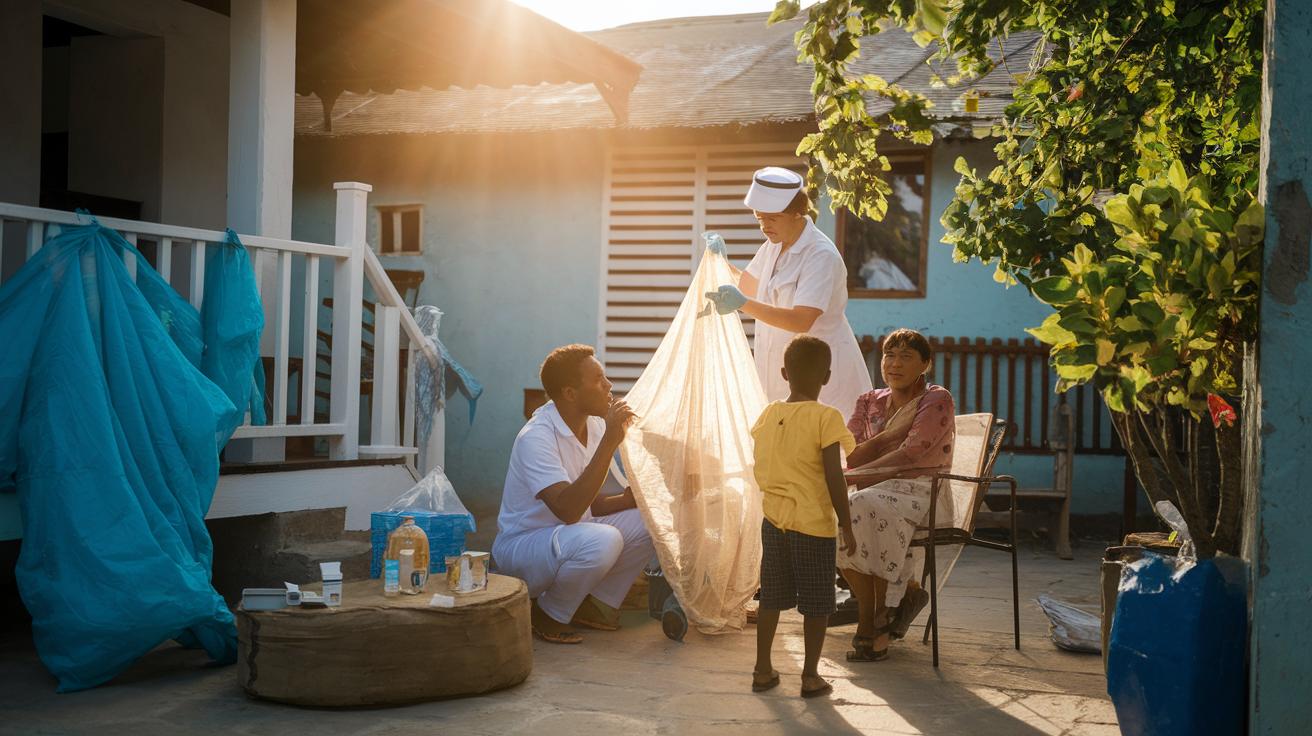
Insecticide-treated nets (ITNs) are one of the main tools to reduce the risk of malaria. The World Health Organization advises that every household in areas with malaria use one net for every two people. Nets should be hung each night to provide constant protection, and it is important to check them regularly for holes or tears. When a net becomes worn, it should be retreated or replaced, usually every 2 to 3 years. Many public health programs give out these nets and show people the best ways to hang and care for them. For instance, community workshops often demonstrate how to attach nets securely over sleeping areas so that mosquitoes cannot get in.
Indoor Residual Spraying (IRS) works well alongside bed nets by targeting mosquitoes that rest on walls and ceilings. IRS involves spraying approved insecticides on these surfaces, and efforts typically aim to cover at least 80% of households in high-risk areas every 4 to 6 months. Using the right insecticide and following application guidelines is key to keeping residents safe while fighting mosquitoes. Regular spraying helps disrupt mosquito breeding cycles and lowers indoor mosquito numbers. Together, ITNs and IRS create a strong, two-part defense that protects individual homes and supports community-wide efforts to control malaria.
Chemoprophylaxis: Antimalarial Medications for Malaria Prevention
If you're traveling to a place where malaria is common, talk to your doctor 4 to 6 weeks before you leave. This visit helps you pick the right antimalarial, like atovaquone-proguanil, doxycycline, or mefloquine, based on where you’re going and your health history. Your provider might suggest starting the medication 1 to 2 weeks ahead of your trip to build up protection.
It’s important to stick to the dosing schedule. You usually start the medication before you reach the risk area, take it every day or week while traveling, and continue for 4 weeks after you return. This steady routine keeps a constant level of protection against malaria. For example, in 2010, more than 1,700 UK travelers, mostly in Africa, contracted malaria, often because they missed doses or stopped too soon. Regular check-ups with your doctor can help catch and manage any side effects early.
Pregnant women and children have special dosing needs, so your doctor may adjust the treatment for safety and better protection. Following the full course of medication is key, as skipping parts of the treatment can leave these groups at higher risk for serious malaria.
Environmental and Vector Control Techniques to Prevent Malaria

Removing mosquito breeding spots can lower the risk of malaria. Clearing out stagnant water and overgrown plants means mosquitoes have fewer places to lay eggs. Field studies show that such measures can cut mosquito numbers by up to 50%. This approach not only boosts other prevention methods but may also reduce the need for extra interventions.
- Drain and fill pools or puddles
- Treat standing water with larvicides
- Cover water storage tanks and barrels
- Remove or trim overgrown vegetation
- Apply space sprays during peak mosquito hours
- Organize community cleanup days
Working closely with local authorities strengthens these efforts. When municipal services help manage water and control larvae, both urban and rural areas benefit. Regular monitoring helps communities track progress and adjust strategies if mosquitoes rebound after rain or seasonal changes. Open communication between public health officials and community leaders ensures that environmental management is timely and effective in reducing malaria transmission.
Community and Government-Led Malaria Prevention Initiatives
National surveillance and clear public health guidelines guide efforts to control malaria. Governments create policies that support activities such as distributing mosquito nets and carrying out indoor spraying in high-risk areas. These policies also set up systems for quickly spotting and responding to new malaria cases. Funding from national budgets makes sure these measures reach even remote or underserved regions, while clear standards keep everyone on track. Combining several methods into one policy has been shown to boost overall protection and lower the number of malaria cases.
Local programs led by community health workers and schools play an important role in fighting malaria. Health workers explain the benefits of using mosquito nets, applying repellents properly, and keeping the environment clean. Schools include lessons on mosquito-borne diseases to help children learn how to protect themselves and their families. Community awareness campaigns, often run by local health workers, help increase net use and promote consistent care practices, building trust and strong community participation in malaria prevention.
Real-life examples show how linking policy with local actions can work well. For instance, Singapore achieved a malaria-free status in 1982 by combining national monitoring, quick responses, and public education. In other regions, pilot programs that joined together the distribution of mosquito nets, indoor spraying, and school-based health education reported a 40% drop in malaria cases. These successes show that when governments and communities work together, significant progress in preventing malaria is possible.
Personal Protection Practices to Prevent Malaria

Spraying DEET or picaridin-based repellents on bare skin every 6–8 hours can cut mosquito bites by 70% or more. Wearing long-sleeve shirts and pants during dawn and dusk also reduces bite risk, and planning your outdoor time away from busy mosquito hours further limits exposure. These simple steps offer strong protection when you're out and about.
At home, using door and window screens and running fans or vaporizer coils can help keep mosquitoes outside. Keeping windows shut in the early morning and late afternoon also lowers your chance of getting bitten. Adding these easy changes to your daily routine builds a stronger shield against mosquitoes that may carry malaria.
Final Words
In the action, we explored a range of strategies targeting malaria, from insecticide-treated nets and indoor spraying to chemoprophylaxis and environmental control. We also examined community efforts and personal steps that help reduce risks.
By combining these methods, communities and individuals can make better choices to protect their health. Remember, staying informed about preventive measures for malaria empowers everyone to contribute to a healthier future.