
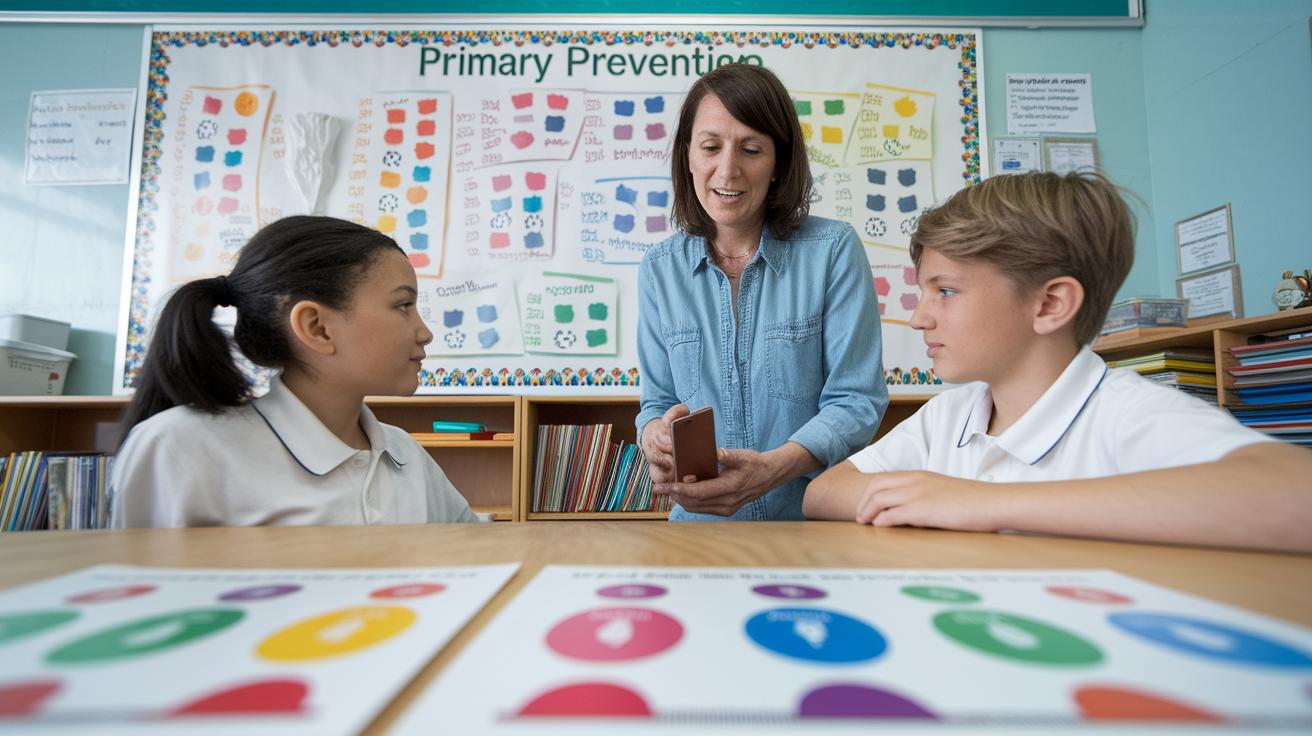

Simple actions can keep diseases at bay. Primary prevention means taking steps now to stop illness before it starts. Things like getting vaccinated, eating well, and following safety rules might seem small, but together they add up to a healthier community. This article shares three clear examples of how everyday choices can build a strong future. By using methods that really work, primary prevention gives us a better chance to stay well.
3 primary prevention examples fuel healthy futures
Primary prevention stops illness and injuries before they start. It focuses on reducing risks, promoting healthy habits, and building up the body’s natural defenses. This method is key in public health and shapes many preventive guidelines.
For example, vaccination drives train the immune system to fight infections before exposure. Studies show that vaccines have cut measles cases by 99% in many regions, keeping communities safe from outbreaks.
Another example is the promotion of regular exercise and a balanced diet to cut down the risk of chronic illnesses like heart disease and diabetes. Community programs that encourage physical activity and healthy eating can lower heart disease risk by up to 30%.
A third approach involves safety measures like seatbelt laws and workplace protocols that help prevent injuries. In countries with strong road safety regulations, traffic-related injuries have nearly halved.
Unlike secondary prevention, which catches diseases early, or tertiary prevention, which eases complications once a condition develops, primary prevention works to stop problems before they arise. This creates healthier settings and gives people a better chance to thrive right from the start.
Clinical Applications of Primary Prevention Measures

Primary prevention means taking steps to stop disease before it starts. In clinical settings, this includes things like vaccines, preventive medicines (chemoprophylaxis), and safety rules to protect community health. For instance, vaccines train the immune system to fight infections, which can lower disease rates dramatically. A well-organized vaccination drive can cut infection rates by more than 90% in some communities.
In dental care, adding just the right amount of fluoride to water helps reduce cavities. This simple step means fewer dental problems for both kids and adults. In areas where malaria is common, giving out bed nets treated with insecticide helps keep mosquitoes away, cutting the risk of malaria.
Doctors also use medications as a preventive tool to protect people who are at high risk of bacterial infections. Moreover, safety rules in hospitals and workplaces help reduce injuries, showing that prevention isn’t just about disease but also about keeping people safe.
| Measure | Target Condition | Outcome |
|---|---|---|
| Vaccination Campaigns | Infectious Diseases | Big drop in illness rates |
| Water Fluoridation | Dental Cavities | Fewer cavities |
| Insecticide-Treated Bed Nets | Malaria | Reduced malaria risk |
| Chemoprophylaxis | Bacterial Infections | Lower infection rates in high-risk groups |
| Safety Regulations | Injury Prevention | Fewer injuries |
Lifestyle-Focused Primary Prevention Strategies
Changing your daily habits can help lower your risk of disease. Eating a balanced mix of fruits, vegetables, lean proteins, and whole grains not only gives you energy but may also reduce the chance of heart disease and diabetes. For example, switching from sugary drinks to water can help maintain a healthy weight and boost overall well-being. Starting your day with a bowl of oatmeal topped with fresh berries can set a positive tone for your health.
Regular exercise is essential as well. Activities like brisk walking, jogging, or cycling help strengthen your heart and reduce stress. Even a few short sessions of movement throughout the day can make staying active easier than leading a sedentary life.
Quitting smoking brings big benefits too. Stopping smoking can greatly lower the risk of lung and heart problems. Many programs combine counseling with replacement therapies to help you through the process. Setting small, realistic goals and tracking your progress can make it easier to cut down gradually. Even reducing cigarette use by one a day is a meaningful step toward a healthier life.
Managing stress is another important strategy. Simple techniques like deep breathing, mindfulness exercises, or taking a quiet walk can ease tension and improve your mental health.
- Eat a balanced diet
- Exercise regularly
- Quit smoking
- Manage stress
These lifestyle changes can lead to lasting improvements in overall health.
Community-Driven Primary Prevention Initiatives

Community efforts play a big role in keeping diseases from starting. Many schools now add lessons on good nutrition and even include activities like gardening. This hands-on approach helps kids build habits that can lower their risk of health problems later on.
Local governments team up with health clinics to hold large vaccination events. These drives not only slow the spread of infections but also build trust in preventive care. For example, a town might host a weekend vaccination fair where residents get their shots, learn simple ways to prevent illness, and see how these efforts boost community well-being.
Communities also run educational campaigns. Health teams spread the word about regular handwashing, safe sex practices, and using sunscreen to avoid both contagious and long-term diseases. They often share facts like, "Regular handwashing can cut respiratory infections by nearly half," to show how small actions make a big difference.
Neighborhood improvements, such as better crosswalk signals and local watch programs, help prevent injuries and make people feel safer. Clear messages about how to avoid accidents and illnesses are shared through posters at community centers and updates on social media.
School-based programs and public health fairs empower everyone to take control of their own health. These practical initiatives, ranging from on-site vaccination drives to simple educational sessions, highlight how everyday preventive care can make a real difference.
Contrasting Primary Prevention with Secondary and Tertiary Levels
Prevention strategies work in layers to keep us healthy. Primary prevention stops illness before any signs appear. It does this by lowering risk factors through actions like vaccination drives, promoting a balanced diet and regular exercise, and following safety guidelines. In simple terms, these steps are meant to prevent diseases from starting.
Secondary prevention focuses on catching diseases early. Routine screenings, like cancer tests, help find problems sooner so treatments can be started quickly, reducing the chance of complications.
Tertiary prevention is used when a disease is already established. At this stage, efforts such as rehabilitation and chronic disease management help lessen complications and improve a person’s quality of life.
Each level of prevention plays its own part in public health. Primary prevention lays the foundation for a healthier community, while secondary and tertiary measures help manage and reduce the impact of disease once it appears.
Implementing Primary Prevention: Provider Tools and Safeguards

Healthcare providers use many tools to help keep people healthy. Nurses check for risks during visits to spot early signs of future problems. They also share easy lessons on healthy choices and early prevention. Providers follow proven checklists to make sure every patient gets care that lowers their chance of getting sick.
Electronic health records include reminders for vaccines. For example, alerts may prompt providers to schedule vaccines that guard against respiratory illnesses, with reminders linked to asthma prevention (https://greatnewssource.com?p=1403). Safety checklists confirm that every step is followed to reduce mistakes. Counseling templates also help guide simple talks about diet, exercise, and quitting smoking.
These tools help teams work consistently in preventing illness. Using simple, ready-made resources, providers can quickly address risks, support healthy habits, and offer care that is both personalized and based on solid evidence.
| Tool | Function | Example Outcome |
|---|---|---|
| Risk Assessments | Spot health risks early | Swift prevention steps |
| Patient Education Modules | Teach about prevention | Better lifestyle choices |
| Immunization Reminders | Prompt scheduling of vaccines | Lower chance of infection |
Final Words
In the action, this article broke down how primary prevention works by stopping diseases before they start. We highlighted clinical strategies like immunizations and safety checks, lifestyle changes such as balanced diets and regular exercise, and community initiatives that keep people informed and safe. The piece also clarified differences from secondary and tertiary prevention. By using primary prevention examples across various settings, the insights offered practical steps for lasting health improvements. A focus on prevention today builds a healthier tomorrow.
FAQ
What are examples of primary prevention measures in nursing?
Primary prevention examples in nursing include vaccinations, patient education on healthy lifestyles, counseling on diet and exercise, and promoting safety practices to stop diseases before they start.
What are three examples of secondary prevention measures?
Secondary prevention examples include cancer screening exams, blood pressure checks, and cholesterol tests that detect diseases early, allowing for prompt treatment to reduce complications.
What do primary, secondary, and tertiary prevention mean with examples?
Prevention levels differ by timing. Primary prevention (like vaccinations and lifestyle changes) stops disease onset; secondary prevention (like screenings) detects diseases early; tertiary prevention (like rehabilitation) minimizes complications.
What is primordial prevention and what are examples?
Primordial prevention focuses on stopping risk factors from developing by promoting healthy diets, regular exercise, and community wellbeing initiatives, thereby preventing harmful conditions before they emerge.