
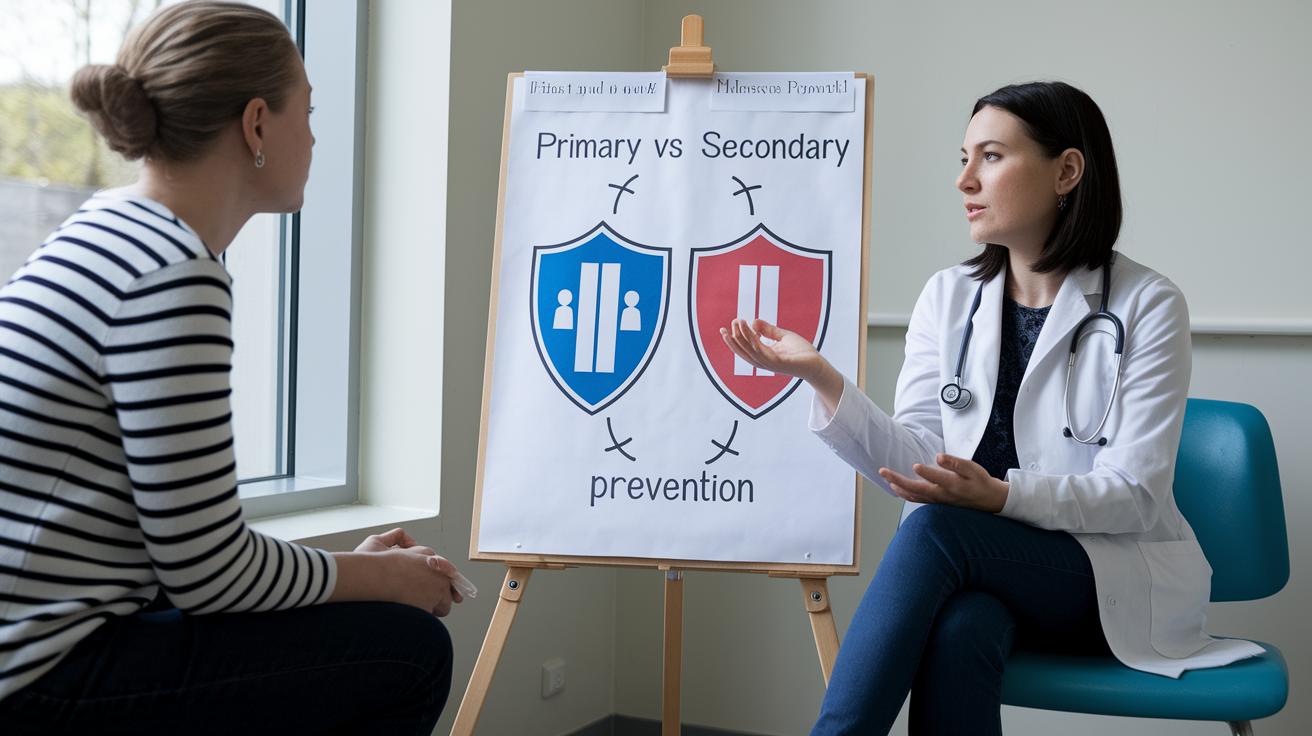

Ever wonder if it's better to stop a disease before it starts rather than catching it early? There are two ways to protect your health: primary and secondary prevention. Primary prevention works like a shield, keeping harmful conditions from showing up at all. Secondary prevention, on the other hand, helps spot early signs of trouble so you can take quick action. Understanding both methods can lead to better health and fewer risks down the road.
Distinguishing Primary Prevention from Secondary Prevention: Key Concepts and Definitions
Prevention in health means taking simple steps to keep people well and lower the risk of disease or death. There are four levels of prevention: primordial, primary, secondary, and tertiary. Primordial prevention works to stop risk factors from appearing. Primary prevention aims to keep diseases from starting. In contrast, secondary prevention focuses on finding and treating diseases early, while tertiary prevention helps manage ongoing conditions and lessen complications. Together, these approaches show how different methods can work to protect our health.
Primary prevention stops disease before it begins by tackling risk factors early. For example, routine childhood immunizations help build a strong defense against infections, and basic health education about good nutrition and exercise encourages overall well-being. Secondary prevention, on the other hand, catches health problems at the first sign. A good example is blood pressure screening, which helps spot high blood pressure before it leads to more serious issues.
Both types of prevention are essential. Primary prevention works to stop a health problem before it starts, while secondary prevention helps slow or stop a disease that has already begun.
Clinical Applications of Primary Prevention Strategies
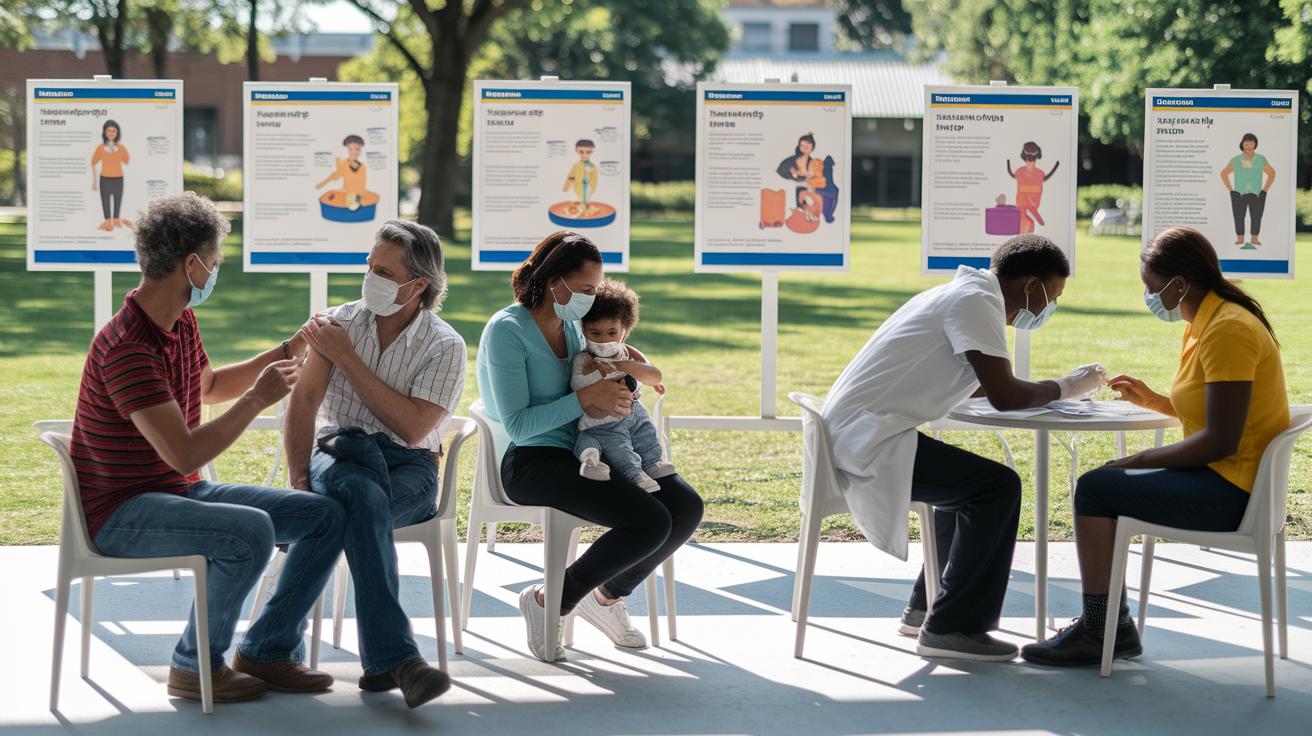
Primordial prevention stops the risk factors for disease before they start. Primary prevention builds on that by promoting behaviors and environments that help keep us healthy. In both clinics and community settings, this means encouraging changes in lifestyle and surroundings that support well-being. For example, actions like getting vaccinated, eating balanced meals, and creating policies to discourage harmful habits all play a part.
Here are some examples of strategies used to protect public health:
- Routine childhood immunizations
- Health education about nutrition and exercise
- Policies to prevent tobacco use
- Workplace safety rules
- Urban planning that encourages active living
These steps can work for everyone or for groups at higher risk. A community-wide health education campaign can benefit an entire neighborhood, while programs focused on pregnant people or older adults meet their unique needs. Health professionals often use a life-course approach, tailoring strategies to teenagers, working adults, and seniors. By combining broad and targeted efforts, these methods help create environments where healthy choices are easier, lowering the risk of future disease and improving community health over time.
Secondary Prevention Techniques: Screening and Early Detection
Finding health issues early is crucial. It allows health providers to act quickly with treatments like trauma-informed care for opioid use disorder or routine checks for high blood pressure and cholesterol. Early detection can lead to better outcomes and helps reduce complications and costs.
| Condition | Screening Test | Recommended Frequency |
|---|---|---|
| Breast cancer | Mammography | Annually for women age 50–74 |
| Colorectal cancer | Colonoscopy | Every 10 years for adults 50–75 |
| Hypertension | Blood pressure check | Annual checkup |
| Dyslipidemia | Lipid profile | Every 4–6 years for adults |
Identifying people at high risk is also important. Health professionals often pay extra attention to those with known risk factors. For example, someone with a family history of breast cancer might be checked more often, and those with several heart-related risk factors could need more frequent blood pressure or cholesterol tests. This targeted approach helps stop diseases from getting worse and makes sure that extra care is given to those who need it most.
Comparative Evaluation: Benefits and Limitations of Primary vs Secondary Prevention
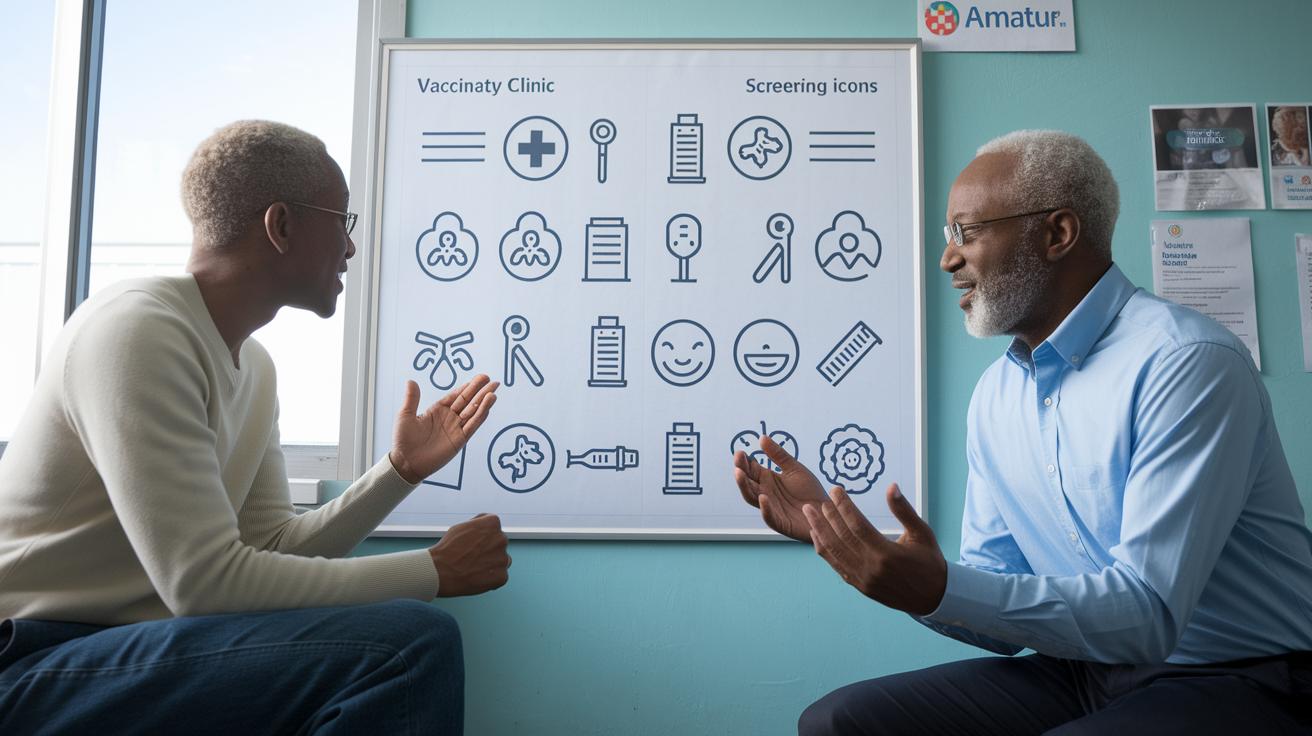
Primary prevention works to stop disease by tackling risks before a person gets sick. This method can improve overall community health by using tools such as vaccinations and health education. In contrast, secondary prevention helps by finding and treating conditions early with simple screening tests and focused treatment. This approach often saves money by reducing the need for more involved treatments later.
Both types of prevention face everyday challenges. Primary prevention usually depends on community support, policy changes, and ongoing funding to change behavior across large groups. Meanwhile, the success of secondary prevention relies on having good access to health services and regular follow-ups. When about 33% of health outcomes come from personal behaviors and nearly 67% from social factors, gaps in service and follow-up can lessen the benefits of early intervention.
Addressing these challenges is key to getting the best results from early interventions. Reliable infrastructure, community involvement, and consistent access to care help ensure that both primary and secondary prevention reach their full potential.
Integration in Public Health Policy and Practice for Prevention Models
Today, planning to prevent health problems means many groups work side by side. Health services, local government, NGOs, community groups, and individuals all help create plans that protect everyone’s health. They work together to set policies, share resources, and create rules that keep communities healthy. Leaders make sure both early and later prevention ideas are part of health plans for people at every stage of life.
Take heart health as an example. Local programs often offer free blood pressure checks, and if someone needs care, they are guided to a clinic. By mixing everyday healthy habits with early spotting of risks, communities can lower the chance of serious heart problems.
Using proven research is a must for real impact. Data from studies and health reports help guide each step in prevention. Tracking progress with clear measurements lets teams adjust their plans when needed. This careful, research-driven approach builds a strong system that helps improve health now and in the long run.
Final Words
In the action, this piece highlighted the differences between initial prevention efforts and early detection methods. It explained how primary interventions, like immunizations and healthy lifestyle promotion, work to avoid disease onset, while secondary techniques focus on screening and timely treatment. The discussion compared the benefits and challenges of each approach and looked at how they blend into overall public health policy. Understanding primary vs secondary prevention can help guide choices that lead to healthier outcomes for everyone.