


Life can hit hard, and not everyone bounces back easily. Many of us think of resilience as our secret shield, but without it, we can feel fragile and overwhelmed. Think of a strong tree that falls because its roots aren’t deep enough to withstand a storm.
This post takes a close look at two sides of the story. On one hand, it explores the strength that helps us recover; on the other, it shows what happens when that inner power fades. By building up your inner strength, you can face challenges head-on and avoid a collapse when tough times come.
Defining Resilience and Its Opposite
Resilience is the ability to bounce back when tough situations arise. It means using your inner strength to adapt, recover, and move forward after setbacks, whether in your personal life or at work. When stress builds, resilient people or systems learn from the experience and adjust to overcome obstacles.
The opposite of resilience is when you or a system cannot recover or adapt. This lack makes it hard to handle stress, often leading to problems that can eventually feel overwhelming.
Here are some terms that describe what happens when resilience is missing:
- Fragility – being easily hurt or broken by stress.
- Vulnerability – having a higher chance of being harmed by challenges.
- Brittleness – breaking suddenly under pressure without the chance to adapt.
- Collapse – completely failing to withstand pressure, leading to a total breakdown.
- Burnout – feeling extremely exhausted and unable to bounce back after long-term stress.
Understanding these differences is key. When resilience is present, it brings strength, resourcefulness, and flexibility. Without it, difficulties can lead to long-lasting or even irreversible problems. This contrast highlights why it’s important to develop habits and mindsets that help us respond to stress and keep moving forward.
Fragility and Vulnerability as Antitheses to Resilience
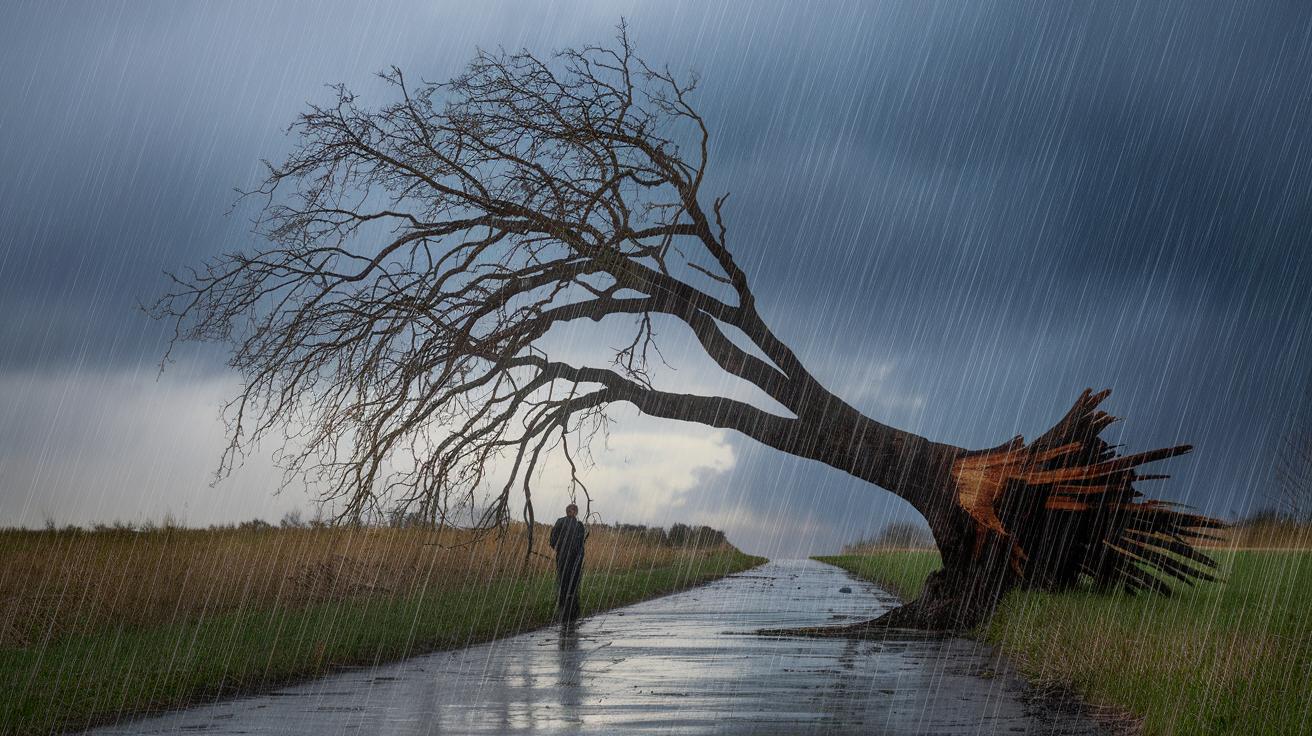
When a system faces stress it can’t handle, its flaws show. Picture a tree standing in a fierce storm with heavy rain. Its shallow roots fail to hold it in place, and the tree crashes down suddenly. This shows that even strong structures can break if overwhelmed by too much stress.
Our feelings work in a similar way. Imagine a young man pushed to his limit by a broken relationship and a troubled home life. Over time, the constant strain wears him down until his ability to cope just vanishes. His situation reminds us that ongoing emotional pressure can sap our inner strength and make bouncing back nearly impossible.
Both of these cases teach us that resilience isn’t just about enduring stress, it’s about recovering from it. When stress builds up too much, whether it crashes a physical structure or wears someone out emotionally, the qualities that help us recover disappear.
Burnout and Maladaptive Coping as Opposites of Resilience
Burnout is more than just feeling tired. It is a state of deep exhaustion, emotionally, physically, and mentally, from long-term stress. When someone experiences burnout, recovering from everyday pressures becomes very hard.
Maladaptive coping means using strategies that might feel like a quick fix but end up making it harder to recover from setbacks. Instead of building strength over time, these habits drain your energy and reduce your ability to bounce back.
When burnout sets in and coping methods aren’t healthy, stress sticks around longer. People caught in this cycle don't learn from tough times; they just feel worn out. This loss of resilience makes everyday challenges feel overwhelming.
Think of situations like an employee missing deadlines because they avoid tasks, or someone facing personal struggles who pretends problems don’t exist instead of getting help. In these cases, long-term stress leads to patterns that move away from adaptive and healthy responses.
Brittleness in Materials: The Structural Opposite of Resilience

Resilient materials bend under pressure and then quickly return to their original shape. They work like a spring that compresses and then bounces back, absorbing energy during stress. This ability helps guard structures against lasting damage.
Brittle materials act very differently. They break suddenly under stress without any noticeable bending or stretching first. Even a small overload can cause them to shatter, as they simply cannot absorb extra energy.
Everyday examples show how brittle materials behave. For instance, glass can crack immediately when hit hard, and some ceramics break quickly when overloaded. These examples highlight that a material that cannot flex is at higher risk of sudden, complete failure.
Reversing Non-Resilient Patterns: Strategies to Build Adaptive Strength
Start building strength by shifting your mindset. Instead of clinging to old habits, replace them with practices that help you recover and grow.
One way to do this is by practicing self-reflection and using stress-management tools. Self-reflection means taking a few minutes to jot down or quietly mull over what happened during your day so you can learn from tough moments. Simple stress-relief methods, like deep breathing or taking a brief, mindful pause, help reduce tension and give you a fresh perspective.
Another helpful tactic is to build a support network and adopt flexible problem-solving. Try to set aside a little time each week to talk with friends or mentors who listen and guide you. At the same time, treat unexpected hurdles as opportunities to change your approach rather than as fixed setbacks.
It also helps to develop new skills while adjusting your mindset. Learning soft skills or emotional intelligence techniques can give you more confidence when stress hits. By seeing setbacks as lessons rather than failures, you turn challenges into steps toward progress.
When you weave these habits into your daily routine, you slowly transform vulnerability into a steady strength. Each step you take builds a more adaptive, supportive way of living.
Final Words
In the action of exploring key differences, this article laid out how resilience stands apart from its counter traits. We defined resilience as the ability to bounce back and contrasted it with facets like fragility, vulnerability, burnout, and brittleness, the very essence of the resilience opposite.
Key examples and strategies highlighted practical ways to adjust our responses under stress. Embracing proactive mindset shifts offers each of us a path toward lasting, adaptive strength.
FAQ
What is the opposite of resilience?
The opposite of resilience refers to an inability to bounce back from challenges, often seen as vulnerability, fragility, or burnout. It describes a state where recovering from stress is difficult.
What are some synonyms for resilient individuals and resilient women?
Resilient people may be described as strong, tough, and adaptable. For resilient women, words like resourceful and independent also highlight their capacity to overcome setbacks.
Can you provide a sentence using resilience?
A resilience sentence might read: “After facing numerous setbacks, she rebuilt her career with determination, showing true resilience in overcoming every challenge.”
How do resilience and its opposites differ in psychology and daily life?
In psychology, resilience means effectively adapting to stress, while its opposites—such as vulnerability or brittleness—signal difficulty in the recovery process. In daily life, these differences impact emotional well-being and decision making.