


Ever wonder if a simple check-up today could help prevent serious problems tomorrow? Early detection catches health issues while they're still small, which gives you a chance to treat them before they get worse.
Doctors use tests like blood pressure checks, Pap smears (tests that screen for cervical cancer), and mammograms (x-ray exams for breast health) to spot warning signs. One quick test can sometimes change the whole outlook of a disease.
This guide shows how acting early can lower long-term health risks and help keep you healthy.
Secondary Prevention Examples: Early Detection Shines
Secondary prevention comes into play once a disease or injury has occurred. By spotting warning signs early, doctors can treat conditions before they get worse. For example, a blood pressure check is a simple way to catch heart issues early. If your blood pressure is over 140/90 mm Hg, your doctor might suggest changes in your diet or medications to prevent future heart damage.
Screening tests are also very important. A Pap smear can detect changes in the cervix that might lead to cervical cancer. Colonoscopies help find unusual growths in the colon, and mammograms can reveal early signs of breast cancer. Research shows that these tests work well when it comes to lessening the impact of serious diseases.
Take Ms. Leonard’s case, for instance. At 72 years old, with a history of chronic lung disease and smoking 60 pack-years, lung cancer screening was a key step. A low-dose CT scan can pick up lung changes before any symptoms show up, giving doctors a better chance to slow the disease’s progress.
Other routine tests, like cholesterol checks, also play a big role. They can show an increased risk for heart problems long before a heart attack might occur. Overall, these early screening tests help start treatment early and reduce long-term health risks, proving that quick action makes a big difference in staying healthy.
Cardiovascular Screening as Secondary Prevention Examples

Routine heart checks help spot problems before they become serious. For example, a simple blood pressure test can highlight risks that lead to heart troubles. High blood pressure can damage blood vessels quietly, often showing no symptoms until a major event occurs.
Other tests, like cholesterol screenings and electrocardiograms (ECGs), also play a key role. A cholesterol test (lipid profile) can reveal imbalances that might cause plaque to build up in arteries. An ECG measures the heart's electrical activity and can show irregular beats or past heart damage. These tests follow trusted guidelines from groups such as the US Preventive Services Task Force.
Combining these tests gives doctors a clear picture of heart health. Regular screenings can uncover hidden conditions early, which helps begin treatment that lowers long-term risks. Catching problems early is important for managing heart disease and preventing serious events later.
Cancer Screening Strategies: Secondary Prevention Examples
Early screening tests are key to controlling cancer. Recent trials suggest that blending new technologies with established methods might improve early detection for many patients.
A promising method is liquid biopsy, where blood tests detect tumor markers. These tests can offer extra details when used with traditional imaging. One study even found that patients with certain genetic markers might benefit from less frequent screenings, potentially cutting down on unnecessary procedures.
Standard tests are also evolving. For example, while mammograms remain crucial in finding breast cancer early, research indicates that women with dense breast tissue may benefit from an added ultrasound. This tailored approach could lead to earlier detection in higher-risk groups.
Colorectal screening is getting more precise too. Personalized risk assessments, including genetic and lifestyle factors, help determine the best time for a colonoscopy. This means that screening schedules can be better matched to individuals at greater risk.
Advances in cervical cancer prevention are notable as well. Combining molecular testing with Pap smears provides a clearer view of abnormal cell growth, helping doctors focus follow-up care on those who need it most.
For lung cancer, AI-assisted analysis of low-dose CT scans is showing potential. An algorithm that spots unusual patterns in scans, especially for long-term smokers, adds an extra level of safety for high-risk patients.
Managing Chronic Conditions: Secondary Prevention Examples in Practice
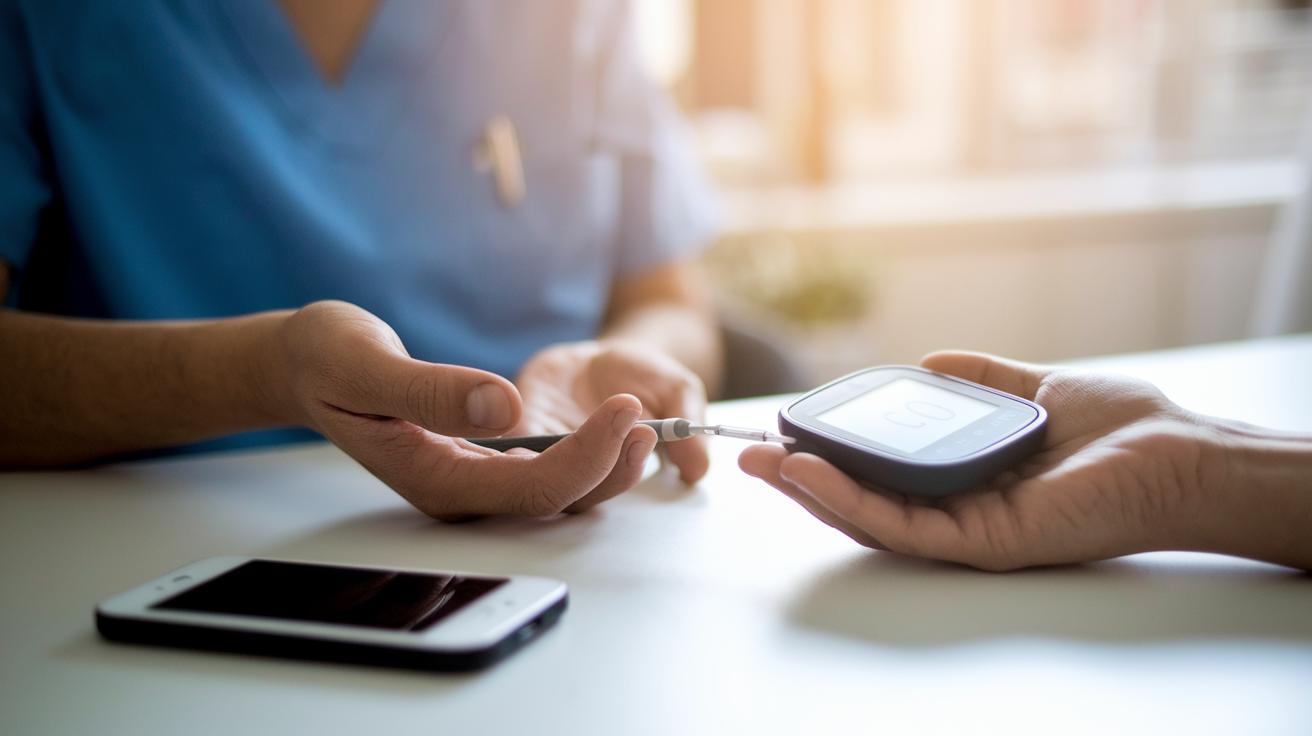
Early intervention is key when managing long-term health conditions. Routine diabetes screenings, like a fasting blood sugar test or an HbA1c test, help catch changes in blood sugar before symptoms worsen. For instance, a basic blood test can show early signs of insulin resistance, prompting doctors to adjust diet and exercise plans quickly.
Bone density scans, known as DEXA scans, are another helpful tool. As people get older, the chance of developing osteoporosis rises. With early detection through a DEXA scan, doctors can recommend steps to slow bone loss before fractures occur. A common tip is to "schedule a bone density scan once you hit your mid-60s" to spot early signs of weakening bones.
Mental health screenings also make a big difference. The PHQ-9 is a quick test that helps identify moderate to severe depression early when treatment is more effective. Early detection means that timely counseling and support can be offered to those who need it.
Community health events that offer free or low-cost screenings add another layer of support. These local initiatives help reach people who might not visit a doctor regularly. Together, these examples show how early and regular testing can manage conditions like diabetes, osteoporosis, and depression before they become more serious.
Screening Protocol Implementation: Secondary Prevention Case Studies
Community health centers are using simple screening guidelines to catch health problems early. In one local effort, residents took part in free check-up events. These events led to a 25% rise in finding high blood pressure and high cholesterol early, showing that a little prevention can keep problems from getting worse.
Another program set up tests for blood pressure and cholesterol at community centers. Health professionals used regular methods and followed standard recommendations from the USPSTF (U.S. Preventive Services Task Force). With these tests, doctors spotted health risks early. They offered advice on healthy changes and referred patients for further checks when needed.
A mobile health unit took these screenings to rural and underserved neighborhoods. In these areas, residents could get an ECG (a test of heart rhythm) and blood tests on the spot. This approach helped slow down the move toward advanced heart disease because treatment was adjusted quickly and follow-ups were routine.
| Screening Program | Key Measure | Outcome |
|---|---|---|
| Community Health Fair | Blood pressure check | Early detection of high blood pressure |
| Mobile Health Unit | ECG and blood tests | Quick referral for heart care |
| Local Clinic Initiative | Cholesterol screening | Risk evaluation and advice |
These examples show that clear procedures and follow-up actions in community programs lead to good outcomes. Early detection through such initiatives can change the course of chronic diseases by starting timely treatment.
Final Words
In the action, the blog outlines how early detection can dramatically shape health outcomes by using practical secondary prevention examples. It explains how routine cardiovascular checks, cancer screenings, and chronic condition tests help catch problems early. The post also shares real-world screening protocols that follow trusted guidelines to support timely treatment. These clear examples empower individuals to make informed decisions about their health. Moving forward, regular screening checks can lead to better care and brighter futures.
FAQ
What are examples of primary, secondary, and tertiary prevention?
The examples show prevention at different stages: primary prevention (vaccinations and health education), secondary prevention (screenings like mammograms or Pap tests for early detection), and tertiary prevention (rehabilitation and chronic care management).
What are examples of primary prevention?
The examples of primary prevention include immunizations, promoting healthy eating and exercise, and public health campaigns that stop diseases before they start.
What are examples of secondary prevention in nursing practice?
The examples of secondary prevention in nursing feature routine screenings such as blood pressure checks, cholesterol tests, Pap smears, colonoscopies, and early cancer detection tests that help catch conditions early.
What are examples of tertiary prevention and nursing interventions?
The examples of tertiary prevention include rehabilitation programs, ongoing disease management, and supportive services that reduce complications and improve quality of life after illness onset.
What is primordial prevention and how does it work?
The primordial prevention approach focuses on reducing risks in the broader community by addressing social and environmental factors that lead to unhealthy behaviors long before any disease develops.
What are the levels of prevention with examples?
The levels of prevention include primary measures (like vaccines), secondary measures (such as screenings for early disease detection), and tertiary measures (including rehabilitation), each targeting a different stage in disease management.
What is the difference between primary and secondary prevention with simple examples?
The difference lies in timing: primary prevention stops disease before it starts (immunizations), while secondary prevention catches it early (screenings like mammograms) to prevent progression.