


Looking for a little calm in a busy day? A warm cup of tea might provide the gentle pause you need.
When you take a moment to sip a well-prepared herbal or traditional blend, you can help ease your tension and slow racing thoughts. The natural ingredients in the tea support the body’s mood chemicals, turning stressful moments into peaceful ones.
This simple ritual may give you a chance to catch your breath and regain control of your day.
How Stress and Anxiety Relief Tea Calms Your Mind and Body
A warm cup of stress and anxiety relief tea can give you a simple pause from the daily rush. Brewing and sipping the tea helps signal your body to relax and quiet those racing thoughts.
This refreshing ritual works with both traditional teas from the Camellia sinensis plant and caffeine-free herbal blends. These teas often include natural herbs that may help balance the body's stress response by supporting mood-regulating chemicals. They also contain compounds like L-theanine (an amino acid that promotes calm) and EGCG, which help support brain chemicals while easing stomach discomfort and aiding better sleep.
- It starts a calming routine by inviting you to slow down and be mindful.
- It supports a balance of brain chemicals such as dopamine, serotonin, and GABA.
- It may help lower cortisol, the hormone associated with stress.
- It eases digestion and soothes the stomach.
- It can help improve sleep quality with its natural calming effects.
Overall, stress and anxiety relief tea offers a gentle, time-tested way to relax. Its blend of tradition and science helps steady both body and mind, making it a simple and comforting choice for moments when you need calm.
Top Herbal Infusions in Stress and Anxiety Relief Tea

Herbal teas backed by science can help you feel calm and relaxed. Studies show that some teas affect the body in ways that reduce stress.
These teas work by changing how your brain sends signals, balancing important chemicals, and lowering cortisol (a stress hormone). This mix of actions can help ease anxiety.
Chamomile, lavender, peppermint, lemon balm, and green tea are among the most studied for their calming benefits. The table below shows their key active ingredients and how they are used based on research and traditional practices.
| Tea | Active Compound | Evidence & Dosage |
|---|---|---|
| Chamomile | Apigenin | Binds GABA receptors for a sedative-like effect; typical infusion from dried flowers |
| Lavender | Essential oils (≈2 mg per bag) | Shown in a clinical trial to lower anxiety scores when brewed as tea |
| Peppermint | Menthol and related compounds | Studies indicate reduced subjective anxiety via inhalation or consumption |
| Lemon Balm | Various phytochemicals | Traditionally used for calm, though optimal dosage remains under research |
| Green Tea | L-theanine (~6.56 mg/g) and EGCG | Boosts serotonin and dopamine while reducing cortisol levels; supportive scientific evidence |
These herbal infusions offer a balanced way to help you relax naturally.
Brewing Tips for Optimal Stress and Anxiety Relief Tea
If you're looking to relax with a comforting cup of tea, start by heating your water to about 200°F. This warm water helps pull out the soothing compounds in both herbal and traditional teas. Let your tea steep for 5 to 10 minutes to allow the natural ingredients to fully work their magic in easing anxiety and promoting relaxation. Cover your cup or teapot during this time to keep the essential oils locked in, especially if you're using blends like chamomile or lavender.
There are benefits to both hot and cold brewing. Hot tea gives you a quick, warming boost that can lift your mood in the morning or whenever you need a fast moment of calm. Cold brew tea, made by letting your blend steep in the refrigerator for roughly 8 hours, tastes smoother and usually has less caffeine. This method can be a great choice for winding down at bedtime or easing stress in the afternoon. Try both techniques to see which one fits best with your daily routine.
Stress and Anxiety Relief Tea Versus Other Natural Remedies

Tea is a simple way to relax without the extra steps needed for yoga or therapy sessions. Making a cup of tea takes just a few moments, and its warm scent and taste can help calm your mind quickly.
Many people choose tea because it easily fits into busy schedules. Instead of planning long exercise routines or therapy appointments, enjoying a cup of tea lets you pause, relax, and let go of stress without any extra equipment.
Tea also works well when combined with deep breathing or a short meditation. A few slow sips while focusing on deep breaths can boost its calming effect, turning your tea time into a quick mindfulness break.
Adding tea to your daily routine offers a well-rounded way to ease tension. This natural remedy works hand in hand with other stress management tips, giving you a practical and balanced approach to feeling better.
Safety Considerations for Stress and Anxiety Relief Tea
If you are sensitive to caffeine, even a little may cause problems. Regular tea made from Camellia sinensis has about 14 to 61 mg of caffeine in a 6- to 8-ounce cup. This amount can make some people feel jittery or affect sleep. If you worry about these effects, try herbal teas that naturally have no caffeine.
Be extra careful with teas that include kava. Kava may stress the liver if consumed in large or frequent doses. Experts suggest having kava tea only 2 to 3 times a week to lower any risks while still enjoying its calming effects.
Some herbs might interfere with medicines like sedatives or blood thinners. Also, if you have allergies to plants, check the labels closely and watch for any unusual reactions. If you have any concerns or take other medications, speak with your healthcare provider for advice tailored to you.
Stress and Anxiety Relief Tea: Calm, Clear Moments
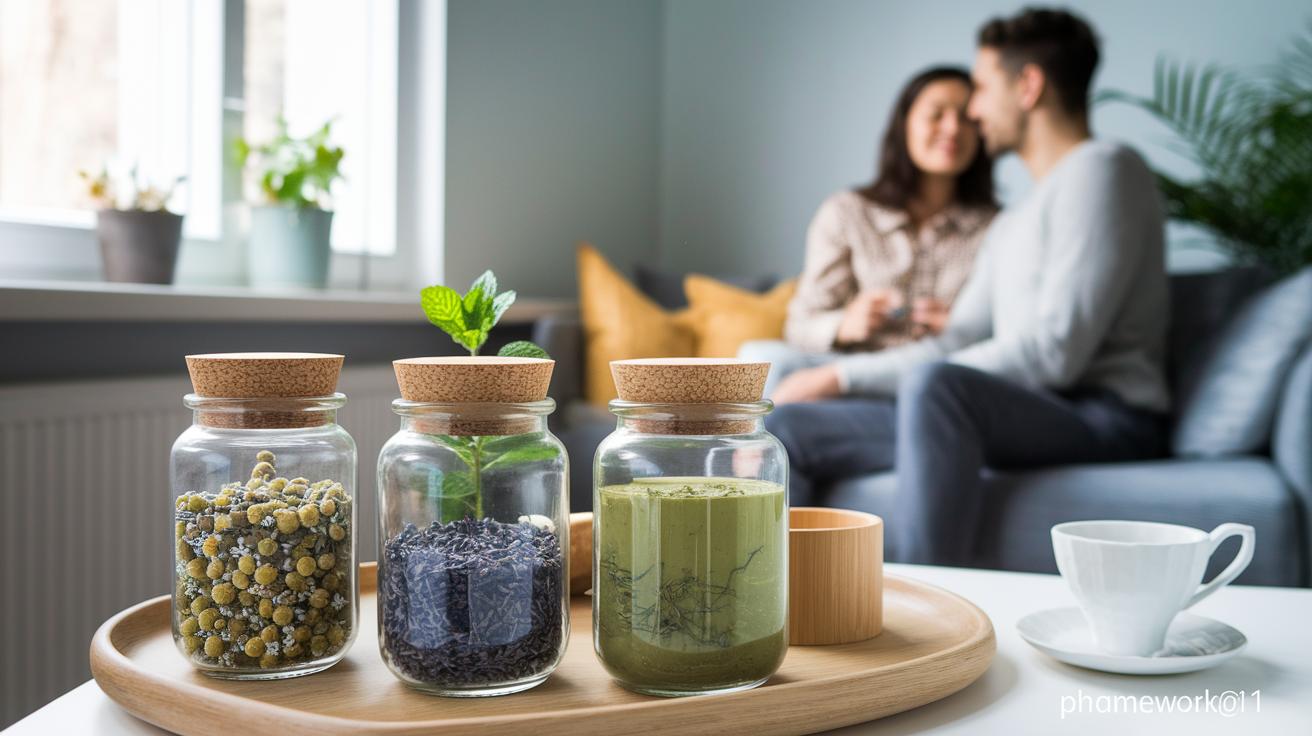
When you choose a tea blend to help with stress and anxiety, think about both the flavor and the natural ingredients it contains. Many herbal teas use chamomile and lavender for their soothing, floral notes. Mint teas provide a cool, refreshing taste, and matcha teas offer a light caffeine boost with L-theanine for a calm, focused feeling. Egyptian Chamomile and Lavender Mint are favorites for their compounds that may help ease your mind and promote well-being.
Tea samplers, seasonal collections, and custom boxes let you try different blends without having to stick with one flavor. Many people say that sampling various teas helps them discover the perfect natural brew for reducing anxiety. Reviews often mention consistent quality and a variety of taste profiles that suit different preferences. Some vendors even offer free shipping on orders over $59, making it easier to enjoy several calming infusions.
Matching your tea choice to the time of day and your mood can really enhance your routine. For instance, a matcha blend in the morning might give you a gentle energy boost, while an evening tea like Lavender Lullaby can help you wind down before bed. Whether you love floral, minty, or rich black tea flavors, there is a blend available to help you feel calm and clear all day long.
Common Questions on Stress and Anxiety Relief Tea
If you're looking for tea to ease anxiety, green tea and chamomile tea are popular choices. Lavender tea has also shown promise in controlled studies, with a tea bag often providing about 2 mg of calming compounds per serving. Choose a tea that fits your taste and routine.
To keep your tea's soothing benefits, it's important to brew it correctly. Using water that's too hot or steeping the tea for too long can change its makeup. For green tea, try steeping for 2 to 3 minutes in water around 175°F. Chamomile and lavender teas can benefit from a slightly longer steep to bring out a richer flavor and extra calm.
Make tea time a calming ritual by finding a quiet spot to relax. Sit comfortably, take slow deep breaths, and enjoy your tea. This simple habit can help lower your stress even on busy days.
Final Words
In the action, the article shows how brewing a cup of herbal tea changes stress pathways in the body. It breaks down calming effects from adaptogenic herbs to the gentle boost from true teas, while sharing tips on proper brewing and blending methods.
The piece then compares natural remedies and covers key safety points. It wraps up with a guide on choosing the right blend to boost your mood. Enjoy your daily routine with a comforting cup of stress and anxiety relief tea.
FAQ
Q: What tea can help with anxiety, panic attacks, and promote relaxation?
A: The tea for anxiety and panic attacks, often featuring chamomile, lavender, or peppermint, soothes the nervous system and eases tension while offering a natural path to calm.
Q: Which tea is best for alleviating anxiety, depression, and stress?
A: The tea for anxiety and depression frequently includes green tea with L-theanine or herbal blends that help balance mood by lowering stress hormones and supporting a relaxed state.
Q: What tea can improve sleep while reducing stress?
A: The tea for stress and sleep typically uses caffeine-free herbal blends with calming botanicals, promoting better sleep quality and easing stress through a gentle, soothing routine.
Q: How do popular brands like Yogi Stress Tea or Lipton Stress Relief Tea contribute to stress management?
A: The tea options like Yogi Stress Tea and Lipton Stress Relief Tea combine well-known calming herbs into convenient blends that support daily stress management through a simple brewing ritual.
Q: What general options can relieve stress and anxiety?
A: The tea for stress relief offers various natural blends that help reduce cortisol levels and promote the relaxation response, providing an accessible way to alleviate everyday stress and anxiety.