


Ever wondered if a gentle touch might help calm your worries? Tapping may be a handy way to ease anxiety quickly. This simple method involves lightly tapping on parts of your body to help lessen tension and stress in just a few minutes. Experts note that combining mindful acceptance with these gentle taps can reduce feelings of being overwhelmed. If you're looking for an easy, on-the-go way to feel more at ease, tapping might be a practical option to try today.
Tapping for Anxiety Relief: Feel Calmer Today
Set aside five minutes for a quick tapping session to help ease your stress and anxiety. EFT, or emotional freedom techniques, blend light physical touches with cognitive and exposure therapies for a fast-acting effect. This simple routine targets stressful emotions quickly, whether you’re at home, work, or on the go.
-
Identify the issue
Focus on the specific emotion you want to ease, such as anxiety, anger, or worry. Notice if you feel any physical sensations that go with that emotion. For instance, if stress makes your chest feel tight, note that feeling.
• Example: "I feel a knot in my stomach when I remember that argument." -
Create a setup statement
Make a clear statement that accepts your discomfort and shows self-compassion. A common choice is, "Even though I feel these strong emotions, I fully accept myself." This statement lays the groundwork for your tapping session.
• Example: "Even though I feel overwhelmed right now, I choose to feel calm and secure." -
Tap key meridian points
Gently tap on specific points with your fingertips. Common spots include the side of the hand, top of the head, eyebrow, side of the eye, under the eye, under the nose, chin, collarbone, and near the rib cage. Start with tapping on the side of your hand while saying your setup statement, then gently tap the other points while repeating a simple phrase like "this feeling" to describe your anxiety.
• Example: "Picture tapping on the side of your hand and saying, 'this tight feeling' as you press lightly." -
Repeat the tapping sequence
Work your way through each tapping point in order. Spend about 30 seconds to 1 minute on each cycle, and feel free to change your reminder phrase if your feelings shift. Repeating the sequence helps your body gradually reduce stress. Some people prefer to use a detailed routine with extra guidance at each point to better understand their body’s signals.
• Example: "As you tap under your eye, quietly say, 'I am letting go of this discomfort,' with each touch moving you closer to calm." -
Reassess the intensity
After one complete cycle, check in with yourself by rating your emotional intensity on a scale from 1 to 10. If you still feel high discomfort, repeat the tapping cycle until you feel a noticeable drop in your stress level. This self-check helps you decide whether a quick session is enough or if you need a longer practice with extra phrases and slower tapping.
• Example: "After one round, think, 'I was at a 7, and now I feel closer to a 3,' so you can see your progress."
This tapping routine works well on its own for moments of sudden anxiety. If you have ongoing stress, you might benefit from a more detailed tapping sequence with extra prompts for each point. Regular practice strengthens the link between your thoughts and physical sensations, building a calmer response over time. Choose between a quick five-minute session or a more thorough practice based on your needs. Use these sessions throughout your day to help you reset and find calm when emotions run high.
What is Emotional Freedom Technique tapping for anxiety relief
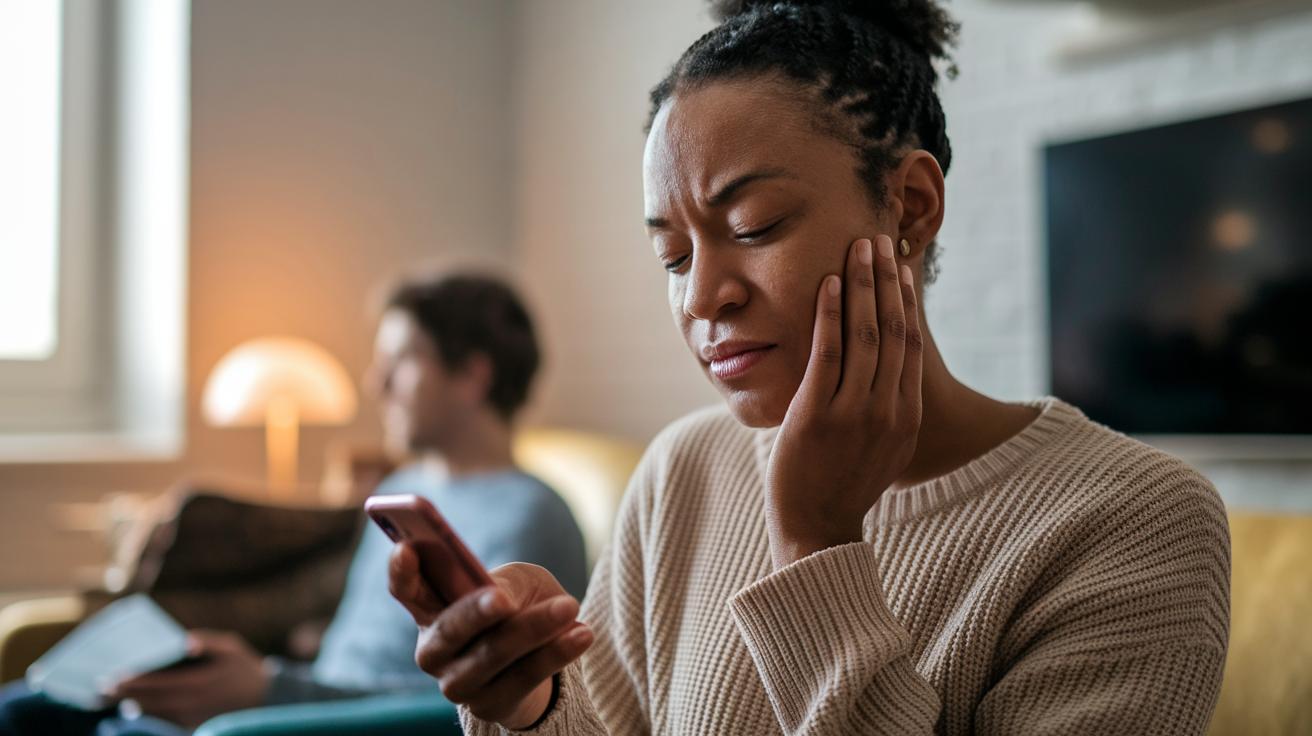
Emotional Freedom Technique, or EFT, is a simple way to help ease feelings of anger, worry, and anxiety. It works by gently tapping on specific points on your face and upper body while you focus on your stress.
This method mixes light physical taps with simple thinking techniques similar to cognitive therapy. In practice, you tap on spots like the side of your hand, your eyebrow, and your collarbone while repeating a phrase that acknowledges your feelings. This routine can gently shift your body from a tense state to a calmer one.
Many people share videos and tips about EFT on sites like TikTok, Instagram, and Facebook. These clips show how easy it is to use tapping as a tool to manage everyday stress and feel more in control.
Tracking progress with tapping for anxiety relief
Tapping works best when you keep track of how you feel. Try a simple self-check by rating your anxiety, mood, or feelings of depression before and after each tappingsession. For example, give your emotions a number from 1 to 10. This quick check can show you if tapping is making a difference.
Keeping a journal can also help. Write a few sentences about the emotions you feel, any physical sensations, and what might have triggered your stress. Recording the number of tapping sessions and noting any changes over time lets you see small improvements and adjust your routine if needed.
- Use a 1-10 scale to rate your anxiety.
- Write down any triggers and shifts in your mood.
If your symptoms continue despite tapping, consider talking with your primary care provider. These self-checks and journaling tips can boost your routine and help you take charge of your self-care everyday.
Research evidence for tapping in anxiety relief

A review from March 9, 2025, found that tapping may ease anxiety, depression, and PTSD symptoms. Researchers looked at several peer-reviewed studies and noted that regularly practicing tapping can lead to significant stress relief. In one study, participants’ average anxiety score dropped from 7 to 3 out of 10 after routine tapping sessions.
Group EFT workshops offer an added benefit. These sessions not only guide people through tapping techniques but also help build social connections that promote mental well-being. Many participants say they feel less stressed and more connected, benefits that may also help slow signs of aging at the cellular level and boost self-esteem.
Some key findings include:
- The March 9, 2025 review showed that tapping reduced symptoms of anxiety, depression, and PTSD.
- Meta-analyses found that regular tapping sessions can lower anxiety considerably.
- Group EFT workshops create a supportive social setting that helps lower stress and improve mood.
One study remarked, "Repeated tapping sessions led to consistent improvements, showing that brief interventions can add up to produce substantial relief." Other research backs this up, suggesting tapping is a practical tool for reducing emotional distress. All the evidence points to tapping as a simple, effective method for those who need extra support in managing their emotions.
Safety tips and considerations for tapping therapy
Tapping can help ease stress, anxiety, and depression. Start with gentle taps, especially on sensitive spots. This slow start lets you feel out what’s comfortable and helps avoid any pain from tapping too hard.
Listen closely to your body as you tap. If you feel more upset or if strong feelings start to come up, take a break. Your well-being is most important. If discomfort continues, stop tapping and consider talking with a mental health professional.
Here are some easy tips to keep your tapping practice safe:
- Use soft taps on tender areas.
- Watch for any changes in how you feel during and after tapping.
- Pause if your emotions become too intense.
- Talk with a clinician if your distress does not go away.
These steps help ensure that tapping remains a soothing technique to support your mental health without causing extra stress.
Comparing tapping for anxiety relief with other stress-management methods
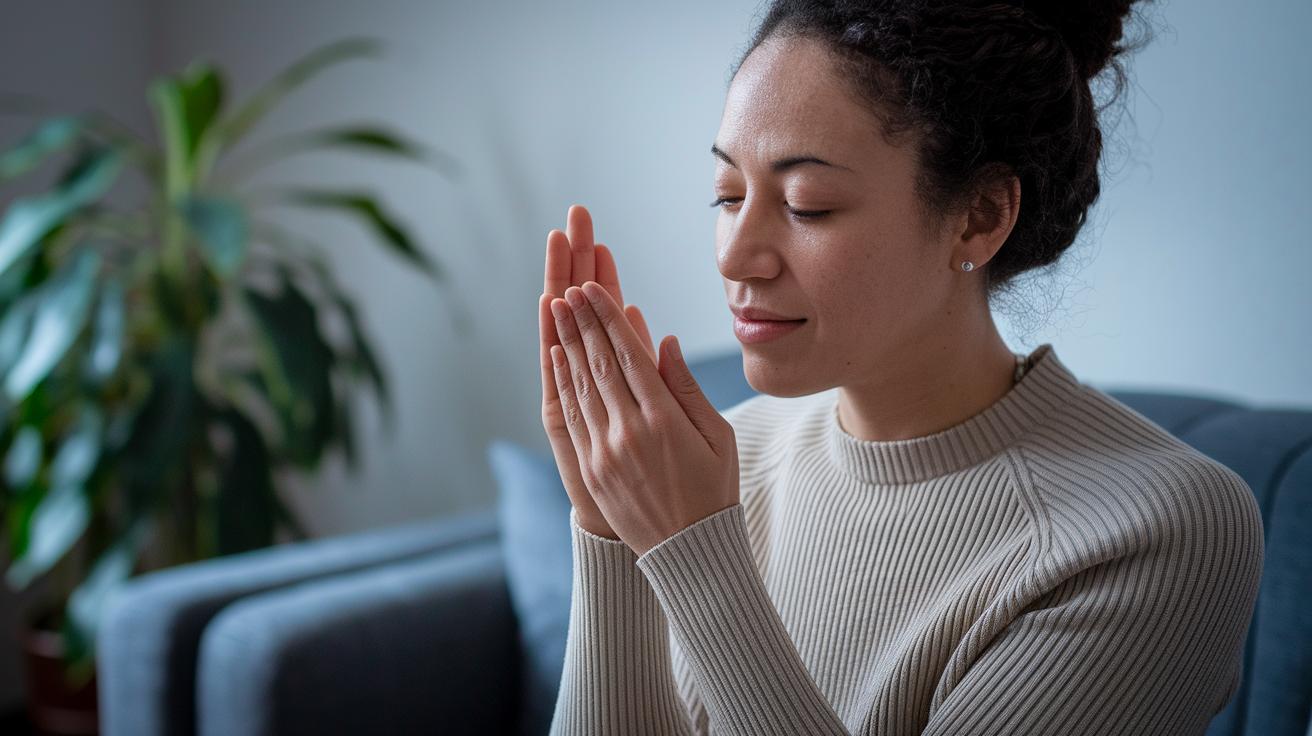
EFT tapping uses simple, light touches on specific points to ease stress fast. This technique only takes about 5 minutes and can be done almost anywhere, which makes it easy to fit into a busy day. In comparison, practices like deep breathing and guided meditation focus on calming your mind and controlling your breathing. For example, mindfulness exercises might need a quiet space for 10 to 20 minutes, while a tapping session can be done without any special conditions.
Other stress relief methods, such as progressive muscle relaxation or cognitive behavioral therapy (CBT), usually involve longer sessions and may require a professional’s guidance. Tapping stands out with its short and effective routine that offers relief within minutes. Some stress management programs, like those found on "Stress Management Programs" (https://greatnewssource.com?p=1368), recommend mixing techniques to improve overall well-being. Combining tapping with deep breathing and other strategies (as explained on "Stress Management and Coping Strategies" at https://greatnewssource.com?p=1482) can offer extra benefits by addressing both the physical and mental sides of stress.
Key differences include:
- EFT tapping works by physically touching key points.
- Other methods aim to change thought patterns or promote body relaxation.
- Tapping can be easily paired with longer practices to boost overall benefits.
Using a mix of these methods can help you create a stress relief plan that fits your lifestyle and emotional needs.
Resources and professional support for tapping for anxiety relief
If you're looking for tapping techniques to relieve anxiety, start by exploring treatment centers and support groups in areas like Austin, Brooklyn, and Chicago. These local options can connect you with communities that understand your challenges.
Many directories feature certified EFT (Emotional Freedom Techniques) practitioners who offer personalized guidance to help improve your tapping practice. You can also use apps that provide structured tapping scripts and let you track how your sessions are going.
Users often praise digital tapping apps for their easy-to-use features, which include session reminders and guided tutorials. Some platforms even offer a free PDF guide with clear, step-by-step tapping instructions you can refer to whenever you need them. In addition, online tapping workshops offer live lessons from experienced practitioners, helping you refine your skills.
For more tailored help, consider booking sessions with a certified EFT practitioner. Finding a local EFT therapy provider may also allow you to combine tapping with other stress management techniques.
- Local listings include treatment centers, support groups, and practitioner directories.
- Apps offer structured scripts, session tracking, and digital reminders.
- Workshops and certification programs help build and hone your tapping skills.
Final Words
In the action, you have explored a quick and detailed EFT tapping routine that guides you through a five-step process for easing anxiety. We reviewed beginner steps, complete instructions, self-assessment methods, and research evidence on tapping for anxiety relief.
These insights make it easier to choose a quick session or a more detailed practice. This tapping routine for calm offers a clear, accessible tool to help you find balance and move towards a brighter day.
FAQ
Tapping for anxiety relief YouTube
The tapping for anxiety relief YouTube content provides video tutorials that visually demonstrate EFT techniques, making it easier to learn and practice the method step by step.
Why tapping should be avoided
The tapping should be avoided perspective comes from concerns about misusing the technique or feeling increased distress if not done properly; always follow guidance and consult a professional when needed.
Tapping for anxiety relief for beginners
The tapping for anxiety relief for beginners introduction offers simple, step-by-step instructions and easy-to-follow visual guides, helping first-timers learn basic EFT techniques safely.
Tapping for anxiety relief benefits
The tapping for anxiety relief benefits include potential reduction in anxiety and stress by lowering emotional intensity, offering a gentle tool to manage anxious feelings effectively.
Tapping technique for anxiety PDF
The tapping technique for anxiety PDF often provides a printable guide with clear instructions on EFT steps, making it a handy resource for practicing tapping independently.
Tapping for anxiety relief video
The tapping for anxiety relief video delivers guided visual instructions that simplify the tapping process, allowing viewers to practice at their own pace and confidently use EFT for calm.
5 minute Tapping for anxiety
The 5 minute tapping for anxiety routine is a quick EFT session that covers identifying the issue, tapping key meridian points, and reassessing intensity to rapidly ease anxious feelings.
Tapping fingers to thumb anxiety
The tapping fingers to thumb anxiety technique describes using finger-to-thumb contact as a simple tapping variation that may help activate calming signals and reduce anxiety symptoms.
Does tapping really work for anxiety?
The tapping really works for anxiety discussion is supported by research and anecdotal experiences that suggest EFT can lower anxiety levels, though effectiveness may vary among individuals.
What is the 3 3 3 rule for anxiety?
The 3 3 3 rule for anxiety involves naming 3 objects, 3 actions, and 3 feelings to ground yourself; this distraction technique can complement tapping by shifting focus during anxious moments.
How to use tapping to calm anxiety?
The guide on how to use tapping to calm anxiety explains that start by identifying the anxiety, create a setup statement, tap on key meridian points, and repeat the process until calmness returns.
What calms nerves naturally?
The answer to what calms nerves naturally includes methods like deep breathing, mindfulness, gentle exercise, and practicing EFT tapping, each helping to ease tension and promote calm.